Butane vs Propane Camping Stove: Which Heats Faster and Performs Best Outdoors?
⏱ 7 min read
Choosing between a
butane vs propane camping stove
can make a noticeable difference in cooking speed, fuel efficiency, and reliability outdoors. In general, propane performs better in cold weather, windy campsites, and high elevations, while butane shines for lightweight backpacking and warm-weather adventures thanks to its compact canisters and convenient portability. The best choice depends on where you camp, how much gear you carry, and the conditions you expect to face.
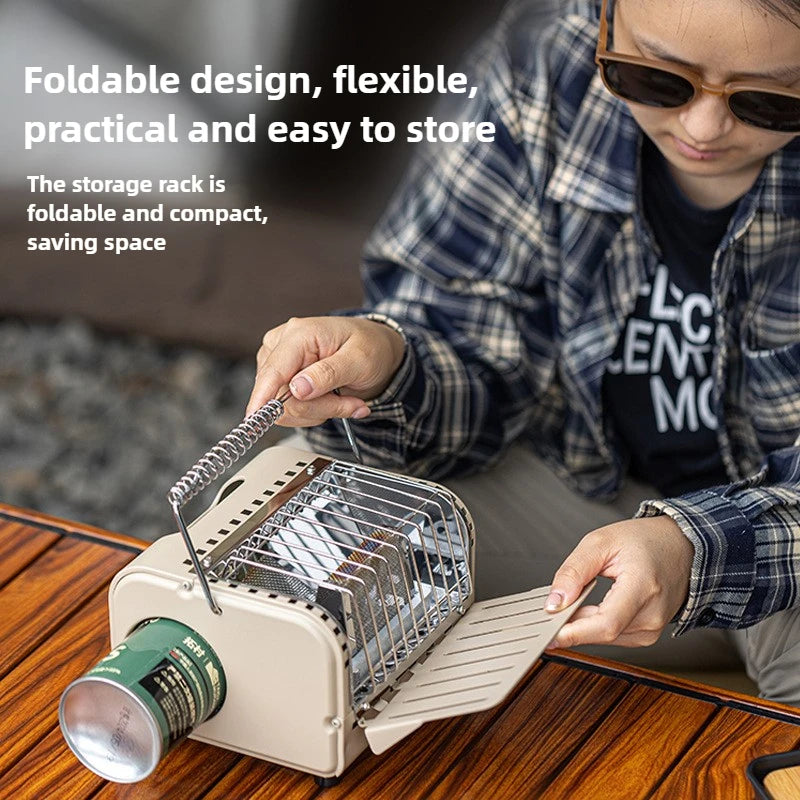
butane camping stove vs propane in real outdoor use – See it in action
How Butane and Propane Stoves Work Outdoors
Both butane and propane camping stoves generate heat by releasing pressurized fuel from a canister, mixing it with air, and igniting it through the burner. While the cooking process looks similar, the fuels behave differently as temperatures change, which is why identical stoves can perform very differently on the same trip.
How Fuel Vaporization Affects Stove Performance
Inside each fuel canister, liquid fuel must vaporize into gas before it reaches the burner. Propane vaporizes efficiently even in freezing temperatures because it has a much lower boiling point than butane. Butane, on the other hand, vaporizes more slowly as temperatures approach 50°F (10°C) and can struggle below freezing, reducing flame strength and extending cooking times.
Altitude, wind, cookware size, burner design, and heat output also influence real-world performance. A well-designed stove with an effective windscreen may outperform another model using the same fuel, so fuel type is only one part of the overall cooking system.
- Butane: Best suited to mild weather, compact canisters, quiet operation, and lightweight travel.
- Propane: Maintains stronger pressure in cold weather, performs more consistently at higher elevations, and supports demanding cooking conditions.
Understanding how fuel vaporization works makes it easier to predict boil times, fuel consumption, and overall cooking reliability before heading into the outdoors.
Which Heats Faster in Real Conditions?
When comparing a butane camping stove vs propane , propane generally heats water faster whenever temperatures drop or winds increase. Because propane maintains higher pressure inside the canister, it delivers a stronger, more consistent flame in challenging conditions. During spring and summer camping, however, many butane stoves can produce boil times that are very close to propane, especially when sheltered from the wind.
Quick check: Camping in mild weather with light winds? A butane stove is often fast enough while keeping your pack lighter. Planning winter camping, mountain trips, or exposed campsites? Propane is typically the more dependable choice.
What Campers Notice First
- Propane commonly boils water faster in cold weather because fuel pressure remains stable.
- Butane delivers smooth, steady flames and reliable cooking in moderate temperatures.
- Strong winds can slow boil times for either fuel, although propane generally recovers better.
- Actual cooking speed depends on fuel type, stove design, cookware, wind protection, and ambient temperature—not just the fuel alone.
Butane Camping Stove Performance: Benefits and Limitations
Butane camping stoves are designed for portability, making them a favorite among backpackers, day hikers, and campers who prioritize lightweight gear. They perform best in mild temperatures where fuel vaporizes efficiently, providing consistent flame control for boiling water, preparing simple meals, or making coffee without carrying heavy fuel cylinders.
Advantages of Butane for Lightweight Camping
- Compact canisters reduce pack weight and save storage space.
- Quick ignition and responsive flame adjustment make cooking straightforward.
- Clean-burning fuel produces very little soot, helping cookware stay cleaner.
- Suitable for weekend camping, picnics, and other fair-weather outdoor activities.
When Butane Performance Drops
- Fuel pressure decreases as temperatures approach 50°F (10°C) and continues to decline in freezing conditions.
- Strong winds can cool the canister and reduce flame output unless adequate wind protection is used.
- Long cooking sessions may require additional canisters because performance depends on weather, burner efficiency, and cooking style.
- Like any gas stove, butane models should never be operated inside enclosed tents, vehicles, or poorly ventilated spaces due to carbon monoxide risks.
For campers who want lightweight cooking equipment while adding warmth around camp, many users pair a butane stove with a portable camping gas heater for greater comfort during cool evenings and overnight trips.
Propane Camping Stove Performance: Power, Reliability, and Cold-Weather Use
Propane camping stoves excel when dependable heat matters more than minimizing pack weight. Their ability to maintain fuel pressure in freezing temperatures makes them a practical choice for winter camping, family camping, emergency preparedness, and extended outdoor cooking where consistent burner performance is essential.
Why Propane Performs Better in Winter Conditions
- Maintains stable pressure and reliable ignition in sub-freezing weather.
- Produces consistent heat for melting snow, boiling water, and cooking larger meals.
- Handles windy campsites more effectively when paired with a quality stove and windscreen.
- Fuel canisters and refillable cylinders are widely available in many camping destinations.
Propane Drawbacks for Backpackers
- Larger cylinders add weight and take up more pack space.
- Transport and storage require care to protect canisters from excessive heat and physical damage.
- For short summer trips, the extra capacity of propane may not provide a meaningful advantage over a compact butane setup.
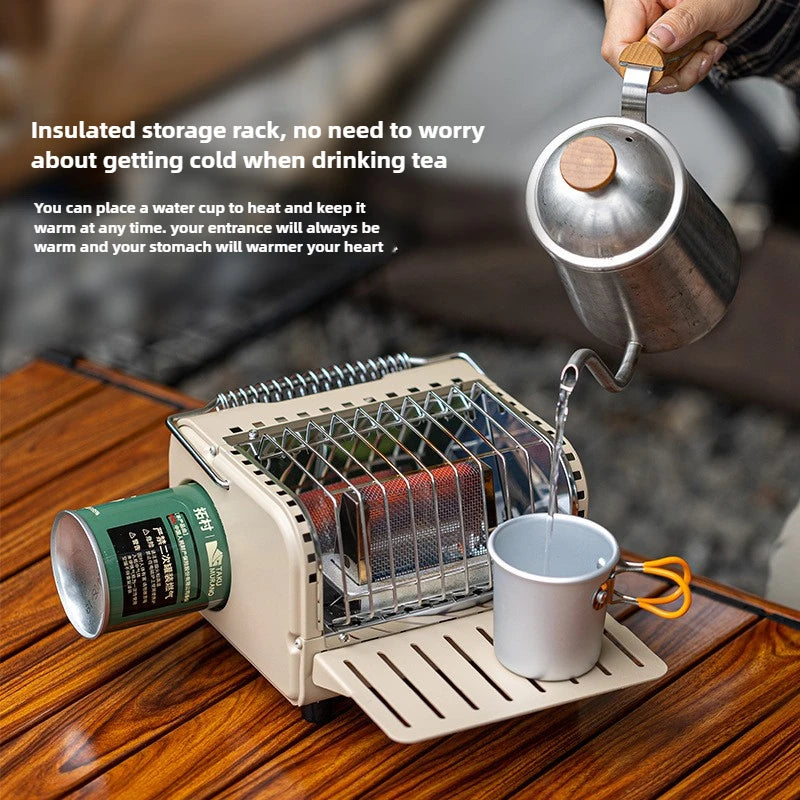
camping gas heater performance in windy conditions – See it in action
Butane vs Propane: Side-by-Side Comparison Table
| Feature | Butane | Propane | Best Choice |
|---|---|---|---|
| Typical Boil Time (1L Water)* | 6–8 minutes in mild weather | 4–6 minutes in cold or variable conditions | Propane for challenging weather |
| Cold Weather Performance | Performance decreases below 50°F (10°C) | Maintains strong flame in freezing temperatures | Propane |
| Burn Time | Depends on canister size and flame setting | Typically longer with larger cylinders | Varies by trip length |
| Portability | Lightweight and compact | Heavier fuel cylinders | Butane |
| Fuel Availability | Common in many outdoor retailers but may be limited in remote areas | Widely available for camping and emergency use | Propane |
| Best Camping Style | Backpacking, day trips, summer camping | Car camping, winter camping, family trips | Depends on your adventure |
| Overall Strength | Portability and convenience | Reliable performance across changing conditions | Choose based on camping conditions |
*Actual boil times vary depending on stove design, cookware, altitude, wind exposure, and ambient temperature.
Best Use Cases: Which Stove Fits Your Outdoor Style?
The best camping stove fuel depends on your typical camping environment rather than a single specification. Matching the fuel to your destination, weather, and cooking needs provides better results than simply choosing the hottest-burning option.
Choose Butane If You:
- Mostly camp during spring, summer, or in mild climates.
- Want the lightest possible cooking setup for hiking or backpacking.
- Prepare simple meals, hot drinks, or boil water occasionally.
- Prefer compact canisters that fit easily into smaller packs.
Choose Propane If You:
- Camp throughout the year, including late fall and winter.
- Cook for families or larger groups where longer cooking sessions are common.
- Frequently encounter cold mornings, high elevations, or exposed campsites.
- Need dependable heat for emergency preparedness or extended outdoor trips.
Safety, Storage, and Fuel Availability Differences
Whether you choose butane or propane, safe handling is more important than the fuel itself. Both fuels produce carbon monoxide during combustion, so outdoor use and proper ventilation are essential. Before every trip, inspect your stove, regulator, and fuel canister for signs of wear or damage.
- Never operate a camping stove inside enclosed tents, vehicles, or other unventilated spaces.
- Keep the stove on a stable, non-flammable surface away from dry grass and other combustible materials.
- Check all fuel connections for leaks before lighting the burner.
- Store fuel canisters upright and away from excessive heat during transport and storage.
- Use only the canister type recommended by the stove manufacturer to ensure safe operation.
- If traveling to remote destinations, verify fuel availability before your trip, as butane canisters may be harder to find than propane in some regions.
Good storage habits and routine equipment checks help maximize stove performance while reducing avoidable safety risks in the field.
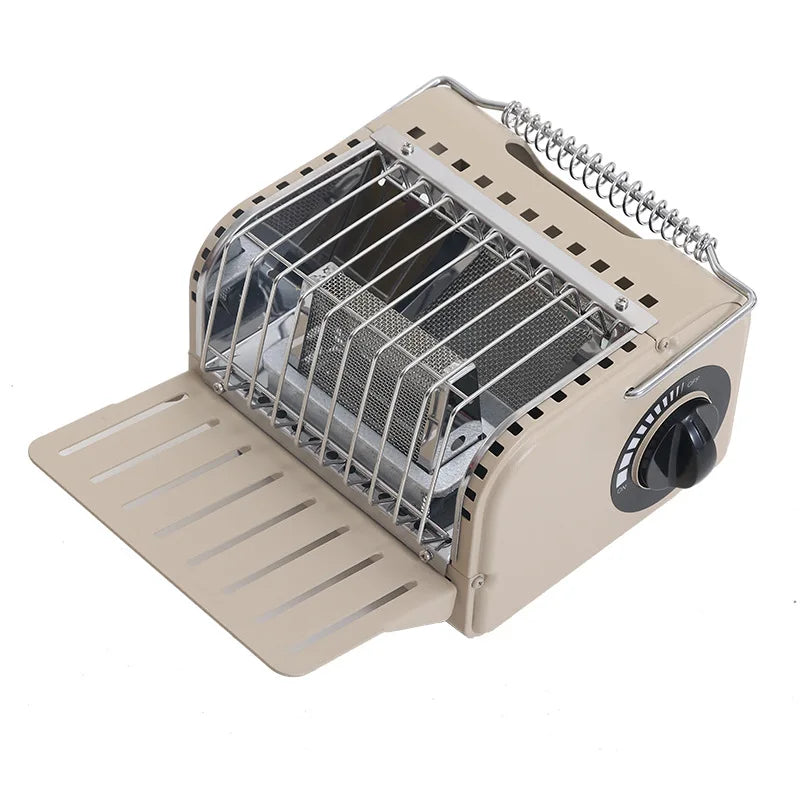
outdoor camping heater setup for fast warmth – See it in action
Buying Guide: How to Choose Between a Butane and Propane Camping Stove
Choosing the right camping stove comes down to matching your fuel with the conditions you'll actually encounter. Before purchasing, consider these practical factors:
- Trip length: Weekend backpacking trips often favor lightweight butane, while longer stays may benefit from propane's larger fuel capacity.
- Weather: Mild climates are well suited to butane, whereas freezing temperatures and winter camping call for propane.
- Cooking needs: Simple meals and hot drinks require less fuel than preparing multiple meals for a family.
- Fuel availability: Check which canisters are commonly sold near your destination, especially for remote camping.
- Stove compatibility: Always purchase fuel designed for your stove. Not all appliances support multiple fuel types.
Quick checklist before buying:
- ✓ Match the stove to your typical camping season.
- ✓ Confirm the correct canister connection for your stove.
- ✓ Estimate how much cooking you'll do each day.
- ✓ Balance portability against cold-weather reliability.
- ✓ Pack enough fuel for unexpected weather or longer cooking times.
Frequently Asked Questions
Is propane or butane better for camping?
Neither fuel is universally better. Butane is an excellent choice for lightweight summer camping and backpacking, while propane is more dependable for winter trips, high elevations, and variable weather conditions.
Which burns hotter, butane or propane?
Propane has a higher flame temperature and maintains stronger pressure in cold environments. However, cooking performance also depends on burner design, cookware, wind, and stove efficiency, so hotter fuel does not always mean dramatically faster cooking.
Can butane camping stoves work in cold weather?
Yes, but performance gradually decreases as temperatures approach 50°F (10°C) and becomes significantly weaker below freezing. For reliable cold-weather cooking, propane is generally the better option.
Is propane more efficient than butane outdoors?
In cold or windy conditions, propane is usually more efficient because it maintains stable pressure and consistent heat output. During mild weather, both fuels can deliver similar cooking performance when used with an efficient stove.
Can I use propane fuel on a butane stove?
Only if the stove is specifically designed or approved by the manufacturer for propane or dual-fuel operation. Never force incompatible fuel canisters or adapters onto a stove.
What camping stove fuel is best for winter trips?
Propane is generally the preferred choice for winter camping because it continues to vaporize and deliver reliable heat in freezing temperatures where butane struggles.
Related Guide: Portable Camping Heater Comparison: Best Picks for Cold Trips