

Do butane fuel camping appliances work for safe and efficient outdoor cooking?
Butane fuel camping appliances provide fast, controllable heat for outdoor cooking when used correctly. Designed for portability and efficiency, they work best with proper canister alignment, ventilation, and wind control. Using butane fuel camping appliances properly reduces fuel waste, improves meal results, and minimizes common safety risks.
How to Use a Butane Camping Stove Safely (Step-by-Step Beginner Guide)
Learning how to use a butane camping stove correctly ensures safe, efficient outdoor cooking whether you're camping, hiking, or preparing emergency meals. This guide walks you through step-by-step instructions, essential safety precautions, and real-world tips to help you operate your stove with confidence.
⏱ 7 min read
Cold food, weak flames, or a stove that shuts off mid-meal can ruin a camping trip fast. If you’ve ever struggled with uneven heat or unreliable ignition, you’re not alone. The difference between a smooth cooking experience and a dangerous one comes down to correct setup and safety habits.
Explore practical ways to upgrade your camp cooking confidence
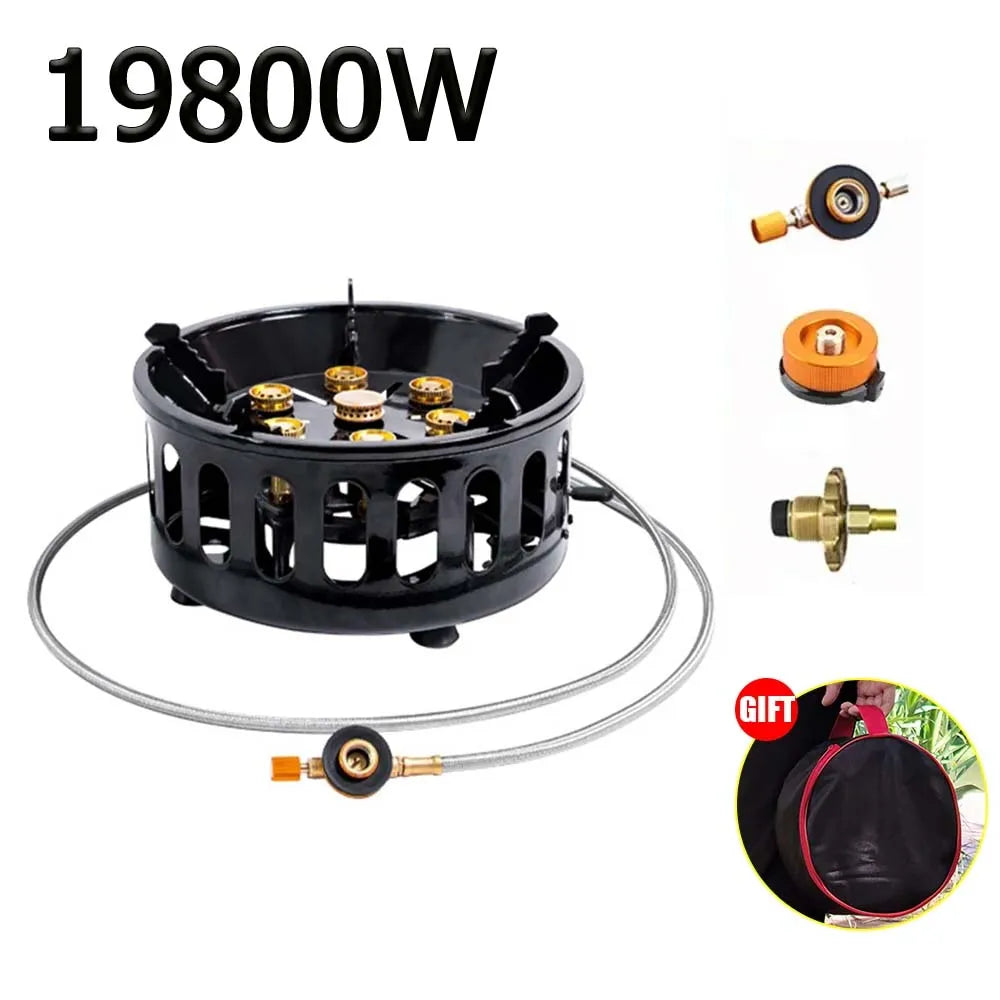
Portable butane fuel camping appliances in action — See it in action
What safety tips should I follow when using a butane camping stove?
Following proper butane camping stove safety tips is essential to prevent accidents such as gas leaks, carbon monoxide exposure, and overheating.
Quick Safety Checklist
- Use only in well-ventilated outdoor areas
- Check canister alignment before ignition
- Keep stove away from flammable materials
- Turn off immediately after cooking
Top Risks to Avoid
- Gas leaks: Caused by poor connections or damaged canisters
- Carbon monoxide (CO): Dangerous in enclosed spaces
- Overheating: Can lead to canister rupture
When NOT to Use a Butane Stove
- Inside tents, cars, or enclosed rooms
- Near direct heat sources or open flames
- With damaged or expired canisters
Beginner Mistakes to Avoid
- Locking the canister incorrectly
- Ignoring gas smells before ignition
- Using oversized cookware that traps heat
What Is a Butane Camping Stove and How Does It Work?
A butane camping stove is a portable cooking device that uses pressurized gas to create a controlled flame. Understanding how it works helps prevent misuse and safety hazards.
Key Components Explained
- Butane canister: Stores pressurized fuel
- Burner head: Distributes flame evenly
- Control knob: Regulates gas flow
- Ignition system: Sparks to ignite gas
- Cartridge lock: Secures safe fuel connection
How Butane Fuel Ignition Works
Turning the control knob releases gas from the canister to the burner. The ignition system creates a spark that ignites the gas. Misalignment or leaks during this process can lead to fire hazards, which is why correct setup is critical.
Before Use: Critical Butane Camping Stove Safety Precautions
Proper preparation is key to safe operation. These butane stove safety precautions reduce risk before ignition.
Safe Locations and Ventilation Rules
- Always cook outdoors or in open-air environments
- Never use in enclosed spaces due to CO buildup
- Keep clear distance from flammable materials
How to Check for Gas Leaks
- Listen for hissing sounds
- Smell for gas before lighting
- Use soapy water to detect bubbles at connections
Butane Canister Safety Precautions
- Use only compatible canisters
- Avoid dented or rusted containers
- Align the notch correctly before locking
Temperature and Pressure Risks
- Do not expose canisters to high heat
- Avoid direct sunlight during use
- High pressure can cause rupture or explosion
Step-by-Step: How to Use a Butane Camping Stove Safely
Follow these butane camping stove instructions to ensure safe and efficient use.
Step 1: Prepare a Safe Cooking Area
Set up on a flat, stable surface away from wind and flammable materials.
Step 2: Insert the Butane Canister Correctly
Align the canister notch with the regulator.
Step 3: Lock the Canister in Place
Engage the locking lever securely.
Step 4: Ignite the Stove Safely
Turn the knob slowly until ignition occurs.
Step 5: Adjust Flame Control for Cooking
Control flame intensity based on cooking needs.
Step 6: Turn Off and Disconnect Properly
Turn off completely, unlock the canister, and allow cooling.
For reliable performance, use a high-output portable butane camping stove designed for stable outdoor cooking.
During Use: Outdoor Butane Stove Safety in Real Conditions
Using a Butane Stove in Windy Conditions
- Use a windscreen carefully
- Position behind natural barriers
- Avoid trapping heat around the canister
Using a Butane Stove in Cold Weather
- Keep canisters warm before use
- Expect lower pressure in freezing conditions
- Store fuel inside your pack
Indoor vs Outdoor Use Safety
- Outdoor use is always safest
- Indoor use requires strong ventilation
- Never use in oxygen-limited spaces
Preventing Overheating and Explosion Risks
- Do not use oversized cookware
- Avoid enclosing the stove fully
- Stop use if the stove overheats
Learn more about cold-weather setups in this guide: how to stay warm camping .
Common Butane Stove Problems and Safety Fixes
Stove Won’t Ignite
- Check canister alignment
- Inspect ignition system
- Try manual ignition
Weak or Uneven Flame
- Replace low fuel
- Clean burner ports
- Shield from wind
Gas Smell or Leakage
- Turn off immediately
- Remove canister
- Inspect seals before reuse
What to Do in Emergency Situations
- Turn off gas supply instantly
- Move away from the stove
- Do not ignite flames nearby
- Allow area to ventilate fully
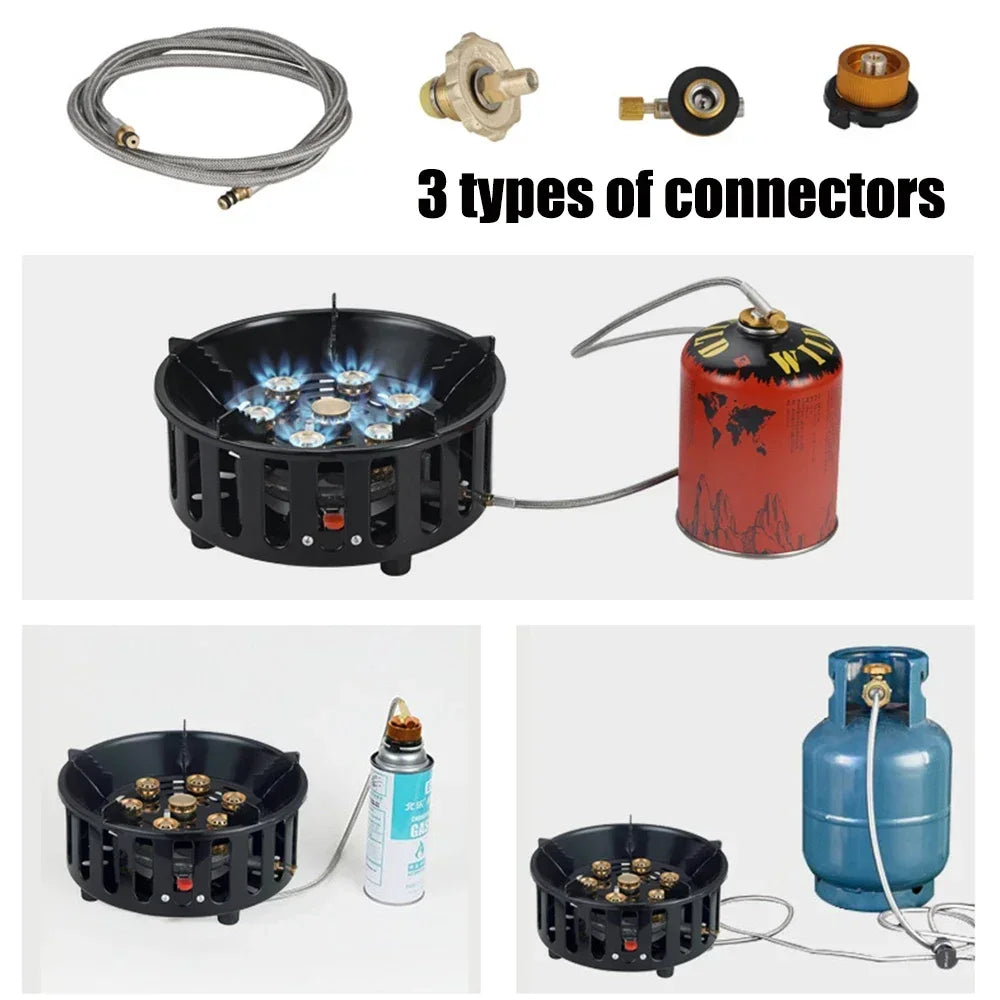
Solving camping gas stove problems — See it in action
After Use: Safe Shutdown, Maintenance, and Storage
Cleaning Your Stove After Use
- Wipe after cooling
- Remove debris from burner
Proper Butane Canister Storage
- Store in cool, dry places
- Avoid heat and sunlight
When to Replace Parts
- Replace worn seals
- Stop using faulty ignition systems
Transporting Stoves Safely
- Remove canister before transport
- Store in protective case
- Avoid impact or pressure
Explore more outdoor gear essentials here: Camping & Outdoor Gear .
Common Butane Stove Safety Mistakes and Myths
- Myth: Safe to use indoors — Reality: CO poisoning risk is high
- Myth: Bigger cookware is better — Reality: Can cause overheating
- Mistake: Ignoring gas smell — Always stop immediately
- Mistake: Using damaged canisters — Increases explosion risk
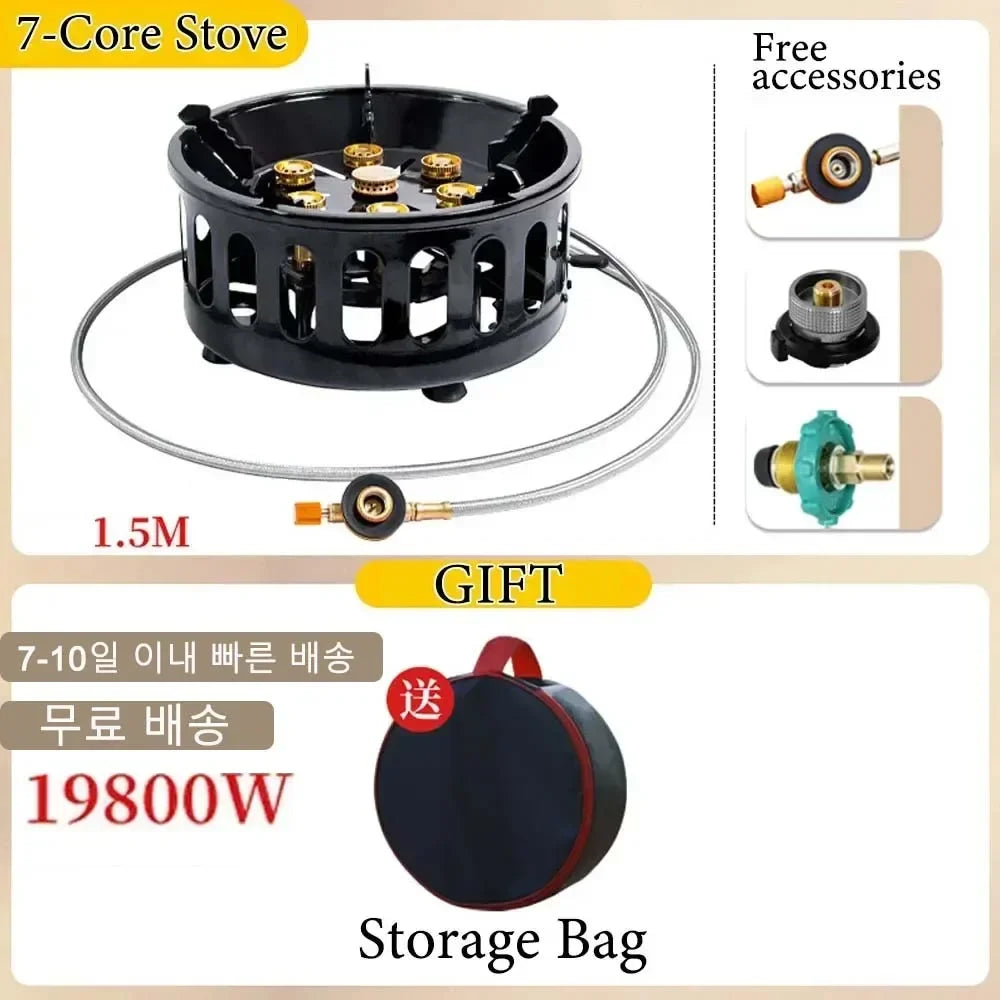
Safe and efficient camp cooking — See it in action
Get yours now — limited stock!
Frequently Asked Questions About Butane Camping Stove Safety
Can butane camping stoves be used in cold weather?
Yes, but performance drops. Keep canisters warm to maintain pressure.
How long does a butane canister last?
Typically 1.5 to 2 hours on high heat, depending on usage.
Are butane camping stoves beginner-friendly?
Yes, they are simple to use with built-in ignition and easy controls.
Can you use a butane stove indoors?
Only with strong ventilation. Outdoor use is strongly recommended.
What should I do if I smell gas?
Turn off the stove immediately, remove the canister, and ventilate the area before inspecting for leaks.
Related Guide: Portable Cooking Stove Guide













