

Does an adjustable bunion corrector really work?
An adjustable bunion corrector can help relieve pain, improve comfort, and support better big toe alignment in people with mild to moderate bunions. However, it does not permanently reverse the underlying bone deformity or replace surgery when a bunion is severe.
What the Clinical Evidence Says
Current clinical evidence suggests that adjustable orthopedic bunion splints are most effective for symptom management rather than structural correction. By applying gentle, consistent pressure to the big toe, they can reduce stress on the metatarsophalangeal (MTP) joint, ease discomfort, and help maintain a more natural toe position when used consistently.
For the best results, specialists typically recommend combining a bunion corrector splint with supportive footwear, exercises that strengthen the foot muscles, and activity modifications when needed. This combined approach offers one of the most practical non-surgical bunion treatment options for many people.
Pain Relief vs Structural Correction
- What it can do: Help relieve pain, reduce pressure on the joint, encourage gradual alignment support, and slow progression in early-stage bunions.
- What it cannot do: Permanently correct severe bunions, reshape bone, or eliminate the need for surgery when significant joint deformity is present.
- Who benefits most: People with mild to moderate bunions who wear the splint consistently and pair it with properly fitting footwear.
Adjustable Bunion Corrector Review: Do They Really Work + Best Options Compared (2026)
Bunion pain can gradually affect everything from walking and exercising to choosing comfortable shoes. If wider footwear, protective pads, or a "wait and see" approach haven't provided enough relief, this guide reviews whether an adjustable bunion corrector is a worthwhile non-surgical option, how these splints work, and which type is best for your daily routine.
⏱ 7 min read
Explore how this adjustable bunion corrector supports real feet
Whether you need a brace for work, walking, or overnight support, understanding the differences between designs will help you choose the right adjustable bunion corrector.
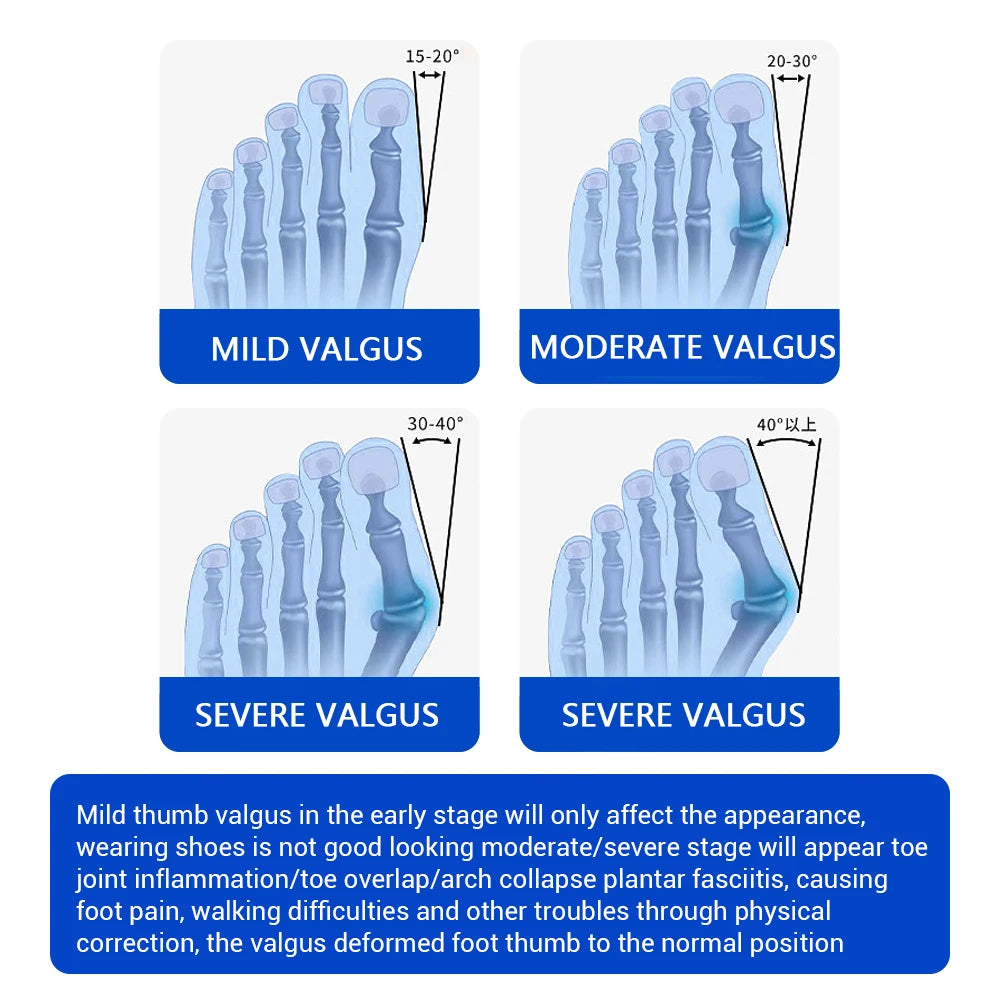
Adjustable bunion corrector for daily comfort — Real-world use example
How Adjustable Orthopedic Bunion Splints Work
An adjustable orthopedic bunion splint is designed to gently guide the big toe toward a more natural position while helping reduce pressure across the bunion joint. Unlike fixed braces, adjustable designs let you customize the amount of correction for better comfort during regular use.
Key Components
- Toe separator or alignment pad to position the big toe.
- Adjustable straps that allow gradual tension changes.
- Rigid or semi-rigid support frame that stabilizes the joint.
Correction Mechanism
Instead of forcing the toe into place, the splint applies controlled, consistent pressure over time. This may reduce irritation around the bunion, improve comfort during daily activities, and help maintain better alignment while the device is worn.
Soft Sleeve vs Rigid Splint
- Soft sleeve designs: More comfortable for daytime wear and easier to fit inside roomy shoes.
- Rigid splints: Provide stronger alignment support and are generally better suited for resting or overnight use.
Quick Comparison: Best Adjustable Bunion Correctors (2026)
Comparison Criteria
The best adjustable bunion corrector depends on when you'll wear it, how much support you need, and whether comfort or stronger correction is your priority.
| Type | Best For | Comfort | Adjustability | Value |
|---|---|---|---|---|
| Multi-strap orthopedic splint | Overall daily use | High | Excellent | ★★★★★ |
| Rigid hinge splint | Night use | Moderate | High | ★★★★☆ |
| Flexible daytime corrector | Walking | Excellent | Moderate | ★★★★☆ |
| Basic adjustable strap model | Budget buyers | Moderate | Basic | ★★★★☆ |
Choose a flexible model if you plan to stay active during the day, or a more rigid splint if your primary goal is overnight alignment support while resting.
Best Adjustable Bunion Corrector Reviews
Best Overall
A multi-strap adjustable orthopedic bunion splint offers the best balance of comfort, stability, and gradual correction. Multiple adjustment points help achieve a secure fit while allowing you to increase or decrease tension as your comfort level changes.
- Pros: Excellent adjustability, supportive fit, suitable for repeated use.
- Cons: Bulkier than slim daytime sleeves.
- Ideal for: Mild to moderate bunions requiring regular correction and pain relief.
Best for Night Use
Rigid bunion splints are designed for resting or sleeping, when the foot is not bearing weight. Their firmer structure provides stronger alignment support throughout the night without needing to fit inside footwear.
- Pros: Higher correction potential during rest, durable construction.
- Cons: Not intended for walking.
- Ideal for: Users looking for overnight support and gradual symptom management.
Best for Walking & Daytime Wear
Flexible correctors use softer materials and slimmer profiles that fit inside wider shoes. They prioritize pressure relief and comfort while still providing gentle alignment support during everyday activities.
- Pros: Lightweight, comfortable, easy to wear throughout the day.
- Cons: Provides less corrective force than rigid splints.
- Ideal for: Workdays, errands, and extended periods of walking.
Best Budget Option
Simple adjustable strap models provide an affordable introduction to bunion splints. While they may use fewer adjustment points and lighter materials, they can still offer meaningful pain relief for early-stage bunions.
- Pros: Affordable, easy to use, lightweight.
- Cons: Lower durability and fewer customization options.
- Ideal for: First-time users or occasional wear.
Best for Severe Bunions
People with more advanced bunions may benefit from a heavy-duty rigid splint used under the guidance of a healthcare professional. Although these braces cannot reverse severe deformities, they may reduce discomfort and improve positioning during rest.
- Pros: Maximum stability and support.
- Cons: Less comfortable, not suitable for walking, cannot replace surgical treatment when surgery is indicated.
- Ideal for: Individuals seeking symptom relief while exploring comprehensive treatment options.
Bunion Corrector Before and After Results
Bunion corrector before and after results are usually gradual rather than dramatic. Most improvements involve reduced pain, less pressure around the joint, and greater comfort during daily activities. Visible changes in toe position, if they occur, are generally modest and depend on consistent long-term use.
Typical Timeline
- Week 1–2: Reduced rubbing, pressure, and irritation around the bunion.
- Week 3–6: Improved comfort while walking and wearing supportive shoes, with subtle alignment changes in some users.
- After 2–3 months: More consistent symptom relief, improved foot mechanics, and better tolerance for daily activities when combined with appropriate footwear.
Realistic Outcomes
If you're wondering, "Does a bunion corrector really work?" the answer depends on your expectations. Adjustable splints are designed to help manage symptoms and support alignment—not permanently reshape the joint. The greatest benefits are typically seen in people with mild to moderate bunions who use the splint consistently and pair it with supportive shoes and foot-strengthening exercises.
Adjustable Bunion Splints vs Other Non-Surgical Treatments
Different non-surgical treatments address different aspects of bunion discomfort, and many people achieve the best results by combining more than one approach.
- Toe Spacers: Help separate the toes and reduce friction but provide little active correction.
- Orthotics: Improve weight distribution and reduce pressure across the forefoot without changing toe alignment.
- Wide Shoes: Minimize rubbing on the bunion and improve day-to-day comfort by giving the toes more space.
- Physical Therapy: Strengthening and mobility exercises may improve foot function and complement splint use.
An adjustable bunion splint is often most effective as part of a broader conservative treatment plan rather than as a stand-alone solution.
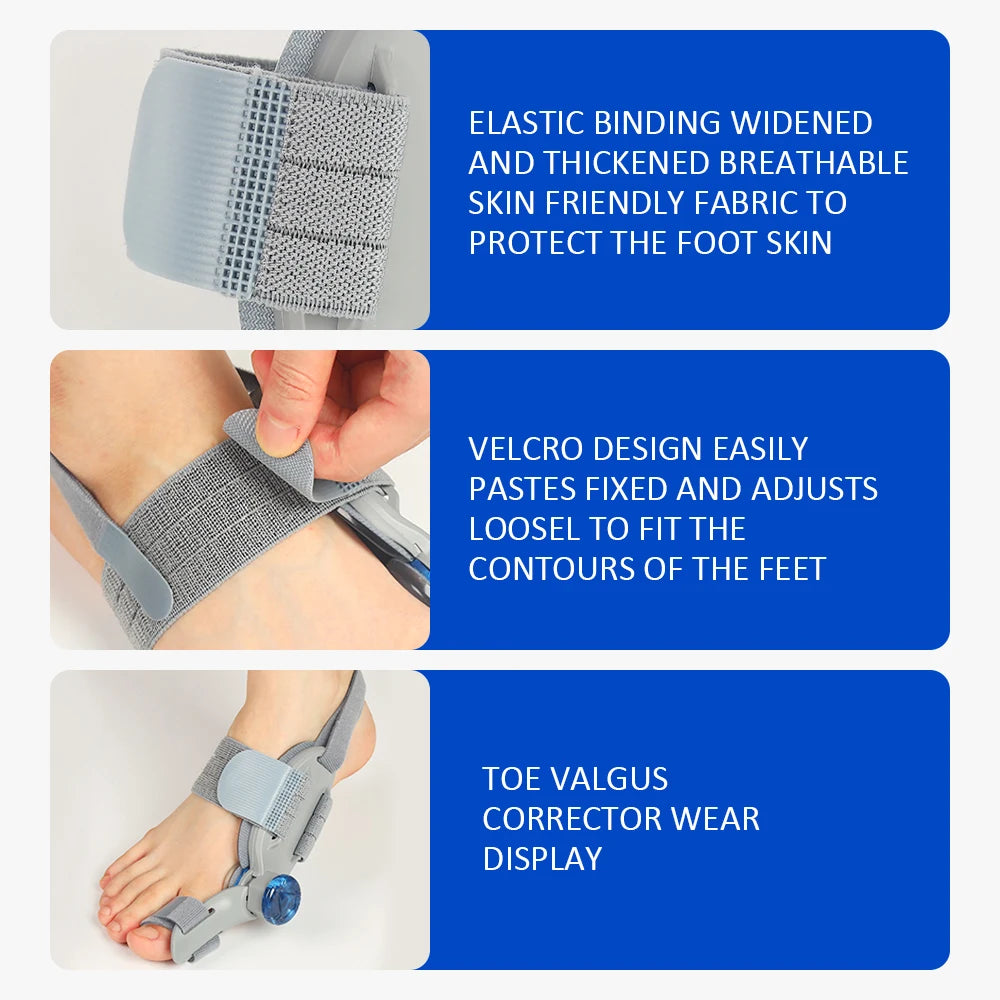
Consistent use improves comfort over time — Gentle alignment support
How to Use a Bunion Corrector at Home
Fitting Steps
- Wash and thoroughly dry your feet before putting on the splint.
- Position the toe separator comfortably between the big toe and second toe.
- Wrap the adjustable straps around the foot and fasten them securely without restricting circulation.
- Apply only light tension at first, then increase the adjustment gradually over several days as your foot adapts.
- Check that the brace feels supportive but does not cause numbness, tingling, or sharp pain.
Wear Schedule
Knowing how to use a bunion corrector at home is just as important as choosing the right device. Gradual, consistent wear typically produces better results than applying excessive corrective force.
- First few days: Wear for 20–30 minutes to assess comfort.
- After one week: Gradually increase to 1–2 hours if tolerated.
- Night splints: Use only if designed for overnight wear and discontinue if persistent discomfort develops.
- Daytime models: Wear with roomy, supportive footwear when recommended by the manufacturer.
Regular daily use is generally more beneficial than tightening the splint aggressively or wearing it for extended periods immediately.
Cleaning & Maintenance
- Hand wash fabric components with mild soap and lukewarm water.
- Allow the splint to air dry completely before the next use.
- Inspect straps, hook-and-loop fasteners, and hinges regularly for signs of wear.
- Store the brace in a cool, dry place to help extend its lifespan.
Are Bunion Correctors Safe?
For most people, adjustable bunion correctors are safe when fitted properly and used according to the manufacturer's instructions. They are designed to provide gradual alignment support rather than force the toe into position.
Who Should Avoid Them
Consult a podiatrist or healthcare professional before using a bunion splint if you have:
- Severe bunion deformities with significant joint stiffness.
- Open wounds, skin infections, or ulcers on the foot.
- Poor circulation, diabetic foot complications, or significant peripheral neuropathy.
- Persistent swelling, unexplained foot pain, or a recent foot injury.
Common Mistakes
- Over-tightening the straps in an attempt to speed up correction.
- Wearing the splint for excessive periods during the first few days.
- Ignoring persistent pain, numbness, skin irritation, or pressure sores.
- Using a daytime brace inside shoes that are too narrow.
Stop using the splint and seek professional advice if you experience severe pain, worsening deformity, significant skin irritation, or circulation problems while wearing the device.
Who Should and Should Not Use an Adjustable Bunion Corrector
An adjustable bunion corrector is most effective for people seeking conservative treatment before considering more invasive options. Choosing the right candidate is just as important as choosing the right splint.
- Best for: Mild to moderate bunions, early-stage deformities, and people experiencing discomfort during daily activities.
- Helpful for: Reducing pressure, improving comfort, supporting toe alignment, and complementing supportive footwear or orthotics.
- May benefit: People who spend long hours standing or walking and want additional joint support.
- Not ideal for: Severe bunions with rigid joint deformity, acute injuries, or cases where surgical correction has been recommended.
If pain continues to worsen despite conservative treatment, a podiatrist can recommend whether additional therapies or surgery should be considered.
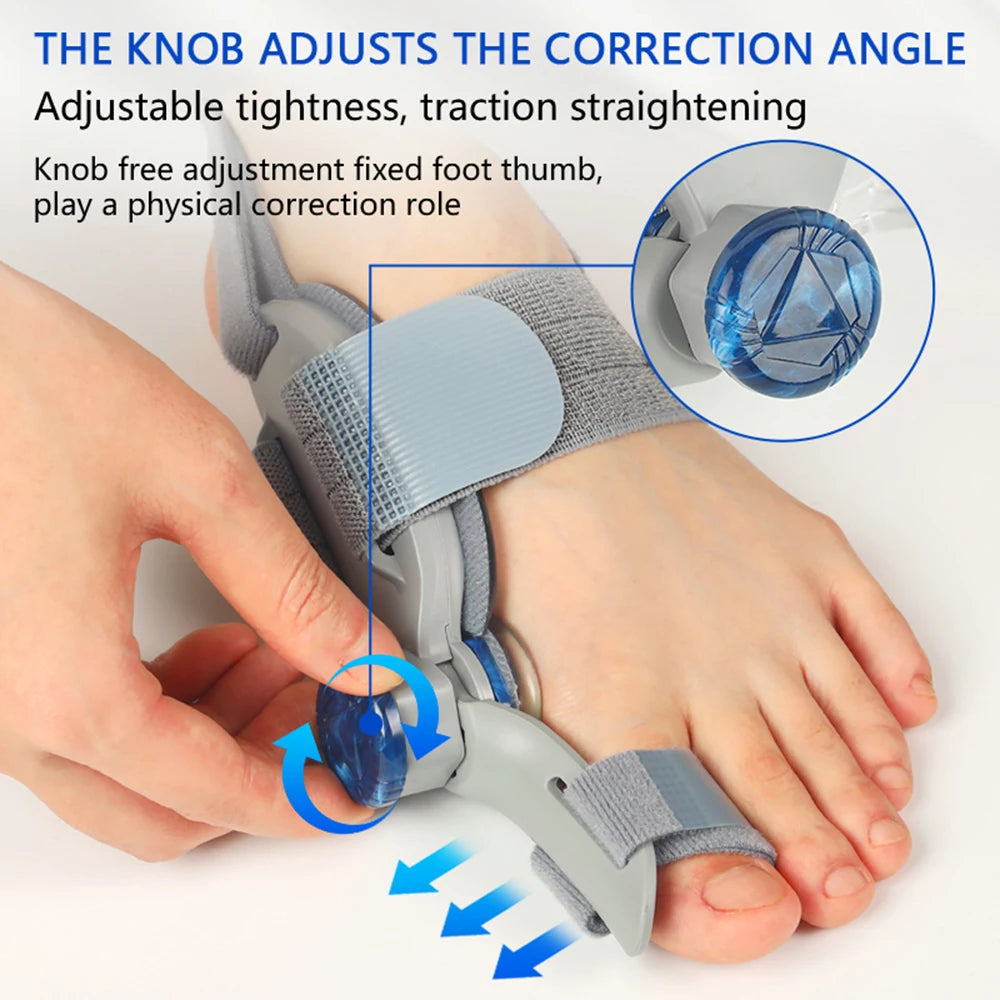
Designed for consistent, everyday support — Comfortable long-term use
Buying Guide: Choosing the Best Adjustable Bunion Corrector
The best adjustable bunion corrector should fit comfortably, provide gradual alignment support, and match your intended use, whether for daytime wear or overnight correction.
Sizing Guide
Choose a model that fits your foot securely without creating excessive pressure. Adjustable straps can accommodate small fit differences, but the brace should remain stable while worn.
- Soft, breathable fabrics reduce moisture buildup.
- Smooth padding helps minimize friction on sensitive skin.
- Lightweight materials improve comfort during extended wear.
Adjustability
Look for multiple straps or adjustable tension systems that allow gradual correction as your comfort level improves.
Durability
Quality stitching, reinforced fasteners, and sturdy support components help the splint maintain consistent performance with regular use.
Value for Money
Consider overall comfort, durability, ease of cleaning, and adjustability rather than price alone. A well-made splint often provides better long-term value than the least expensive option.
- ✓ Comfortable fit
- ✓ Adjustable correction
- ✓ Breathable materials
- ✓ Durable construction
- ✓ Appropriate for day or night use
For additional foot care products and recovery solutions, you can also browse Body Care and Health Devices .
See how easy it is to get started today
Final Recommendations by User Type
Best Overall
A multi-strap adjustable orthopedic splint offers the best balance of comfort, support, and long-term usability for most people with mild to moderate bunions.
Best Budget
A simple adjustable strap model is suitable for first-time users who want affordable symptom relief before investing in a more advanced design.
Best for Night
Choose a rigid splint if your priority is stronger alignment support while sleeping or resting.
Best for Daytime
Flexible, low-profile correctors are ideal for walking, working, and wearing inside wider shoes, where comfort is the primary goal.
Frequently Asked Questions
Can you walk with a bunion corrector?
Yes. Flexible daytime models are specifically designed for walking and regular activities, while rigid splints should generally be reserved for resting or sleeping.
Does bunion corrector work long term?
Long-term benefits depend on consistent use, supportive footwear, and the severity of the bunion. Most users experience improved comfort and reduced progression rather than permanent correction.
How long should you wear it daily?
Begin with 20–30 minutes per day, then gradually increase wear time as comfort allows. Overnight use should only be with splints intended for sleeping.
Are bunion correctors safe?
Yes. When fitted correctly and used according to instructions, bunion correctors are generally safe. Stop using the device if it causes severe pain, numbness, or significant skin irritation.
Can adjustable bunion correctors stop surgery?
No. They cannot eliminate the need for surgery when a bunion is severe, but they may help relieve symptoms and slow progression in many mild to moderate cases.
How do I choose the right size?
Select a brace that fits securely without excessive pressure. Adjustable straps provide flexibility, but the splint should remain comfortable and stable throughout wear.
Buy adjustable bunion corrector online today













