

Tent Heater Setup: Safe, Efficient & Cozy Step-by-Step Guide (2026)
A well-planned tent heater setup can transform cold-weather camping from an uncomfortable challenge into a warm and enjoyable experience. Whether you're preparing for a weekend camping trip, winter backpacking adventure, or ice fishing excursion, knowing how to set up a tent heater safely is essential. This guide explains the safest heating methods, compares common heater types, and walks through the key safety practices that help reduce fire and carbon monoxide risks while maximizing warmth and fuel efficiency.
⏱ 12 min read
Discover how modern camping heaters make cold nights cozy.
What Is a Tent Heater Setup and Is It Safe to Use?
A tent heater setup is more than simply placing a heater inside your shelter. It includes selecting an appropriate heater, positioning it correctly, planning safe ventilation, managing fuel, and improving insulation so heat is retained without compromising safety. When each part of the setup works together, you can stay comfortable even in freezing temperatures while minimizing avoidable hazards.
Used correctly, modern camping heaters can provide reliable warmth for many cold-weather camping situations. However, no heater is completely risk-free. Safe operation depends on using equipment designed for enclosed spaces when appropriate, maintaining continuous airflow, following manufacturer clearance recommendations, and inspecting the heater before every use.
When Tent Heaters Are Safe (And When They're Not)
A camping heater setup is generally safe when the heater is suitable for the intended environment, sits on a stable nonflammable surface, and operates with adequate ventilation. Safe use also requires keeping combustible materials outside the manufacturer's recommended clearance zone and never blocking air intake or exhaust paths.
Even high-quality heaters become unsafe when used inside a completely sealed tent, placed too close to sleeping bags or tent fabric, operated on uneven ground, or used with damaged fuel connections. Following proper setup procedures is far more important than choosing the most powerful heater.
Safe Tent Heating Methods Compared
Different camping styles call for different safe tent heating methods. Understanding their strengths and limitations helps you choose the right option before your trip.
- Indoor-rated propane heaters: Excellent for cold-weather camping when used with proper ventilation and carbon monoxide protection.
- Catalytic or non-electric heaters: Popular for off-grid camping because they operate without electricity, but they still require fresh airflow and careful monitoring.
- Electric heaters: Best suited to campgrounds with reliable shore power and tents designed to safely accommodate electrical equipment.
- Passive heating methods: High-quality sleeping bags, insulated sleeping pads, thermal liners, and layered clothing reduce reliance on active heating while improving overnight comfort.
For most campers, combining efficient insulation with a properly sized heater provides the safest and most fuel-efficient solution.
Common Risks You Must Understand First
Before learning how to set up a tent heater safely, it's important to understand the most common hazards. Most camping heater accidents result from poor setup rather than equipment failure.
- Carbon monoxide buildup caused by inadequate ventilation.
- Fire hazards from placing heaters too close to tent walls, sleeping bags, or other flammable gear.
- Fuel leaks resulting from damaged hoses, loose fittings, or improperly connected propane cylinders.
- Condensation that creates damp sleeping conditions, reducing insulation performance and comfort.
- Accidental tip-overs on uneven ground that may damage equipment or create burn hazards.
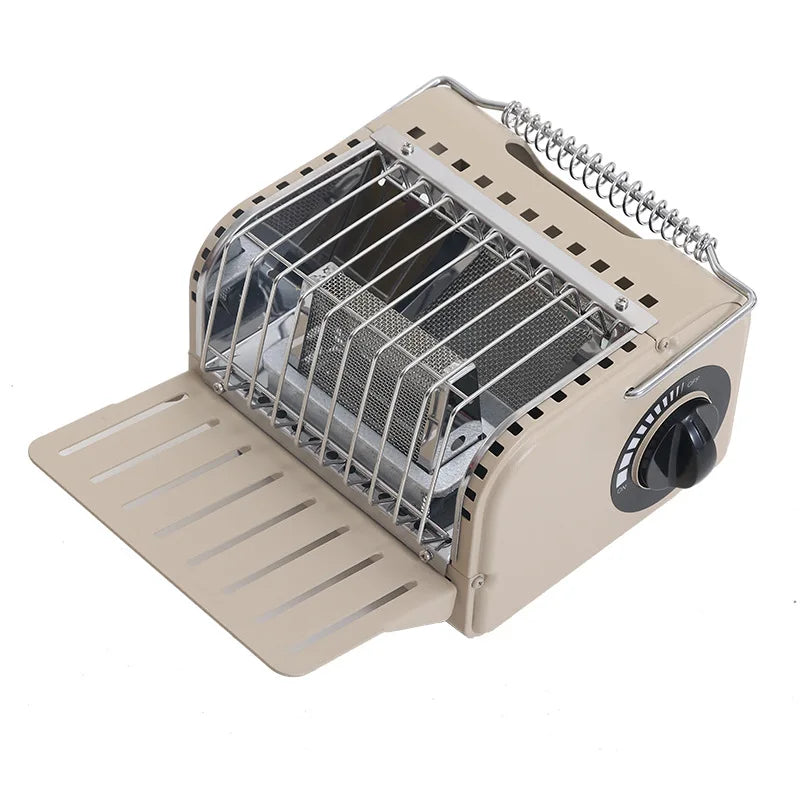
Compact warmth made simple with a camping portable heater — See it in action.
Choose the Right Tent Heater for Your Camping Setup
Selecting the right heater is the foundation of a safe and efficient camping heater setup. The best choice depends on weather conditions, available power sources, tent size, and whether you'll be camping at developed campgrounds or completely off-grid.
Propane Heater Setup Camping
Propane heaters remain one of the most popular choices for winter camping because they deliver high heat output with excellent portability. For a safe propane heater setup camping system, position the heater on a flat surface, inspect hoses and fittings before every trip, and maintain cross-ventilation throughout operation. Choose models equipped with tip-over protection and oxygen depletion sensors whenever possible.
Non Electric Camping Heater Setup
Non-electric camping heaters, including catalytic and gas-powered models, are ideal for remote campsites where electricity isn't available. These heaters provide dependable warmth without requiring batteries or hookups, but they must always be paired with proper ventilation and careful fuel handling to maintain safe operation.
Portable Heater Setup for Camping
Portable camping heaters are well suited for car camping, hunting camps, and family tents because they balance mobility with heating performance. Look for lightweight models that are easy to transport, have stable bases, and include built-in safety features such as automatic shutoff protection and adjustable heat settings.
Indoor Safe Camping Heater Setup (What Actually Qualifies)
Not every portable heater is designed for enclosed spaces. An indoor safe camping heater should be specifically rated by the manufacturer for enclosed or indoor use and include essential safety features such as tip-over shutoff, low-oxygen protection, and stable ignition systems. Even with these features, maintaining ventilation and following clearance guidelines remain essential parts of every safe tent heater setup.
Pre-Setup Checklist Before You Turn On a Tent Heater
Completing a quick inspection before every trip helps prevent common setup mistakes and improves both safety and heating performance. Take a few minutes to verify your equipment before lighting the heater.
Essential Safety Gear
- A working carbon monoxide detector with fresh batteries.
- A fire-resistant mat or other stable, heat-resistant base.
- The correct fuel canisters or propane cylinders recommended by the manufacturer.
- Accessible tent vents or mesh panels that allow continuous airflow.
- A flashlight or headlamp for safely checking the heater after dark.
- A small fire extinguisher suitable for camping emergencies.
Tent Compatibility & Ventilation Requirements
Not every tent is designed for active heating. Before using a heater, confirm that your shelter provides adjustable roof vents, mesh windows, or multiple openings that allow fresh air to circulate. The heater should also have enough clearance from walls, sleeping bags, clothing, and other combustible materials.
Avoid using heaters inside damaged tents or shelters with poor airflow. If heavy snow or strong winds block ventilation openings, clear them before operating the heater.
Carbon Monoxide Detector Checklist
- Test the detector before every camping trip.
- Replace batteries according to the manufacturer's recommendations.
- Position the detector where it can monitor the occupied sleeping area.
- Know the alarm sound and leave the tent immediately if it activates.
How to Set Up a Tent Heater Safely: Step-by-Step
Step 1 – Choose the Right Heater Position
Place the heater on a flat, stable surface that cannot shift during use. Keep it at least 2–3 feet away from tent walls, sleeping bags, backpacks, clothing, and other flammable items. Avoid positioning the heater near the entrance where people may accidentally bump into it.
Step 2 – Create Proper Ventilation Airflow
Open at least two ventilation points to create steady cross-ventilation. One opening should allow fresh air to enter while another allows warm, moisture-laden air and combustion gases to escape. Good airflow helps maintain safe oxygen levels while reducing condensation inside the tent.
Step 3 – Stabilize and Secure the Heater
Confirm the heater sits firmly on solid ground without rocking or leaning. Remove loose gear from the surrounding area and ensure pets or children cannot accidentally tip the heater over during use.
Step 4 – Fuel Setup and Leak Check
Inspect hoses, valves, regulators, and fuel connections before ignition. Tighten fittings according to the manufacturer's instructions and check for leaks using an approved leak-detection solution or soapy water. If you detect bubbles, smell gas, or suspect a leak, shut off the fuel supply and correct the issue before operating the heater.
Step 5 – Perform a Safety Test Before Use
Operate the heater for several minutes while you remain awake. Confirm that it ignites correctly, burns steadily, and distributes heat evenly without unusual odors or excessive condensation. Verify that ventilation remains unobstructed before continuing to use the heater.
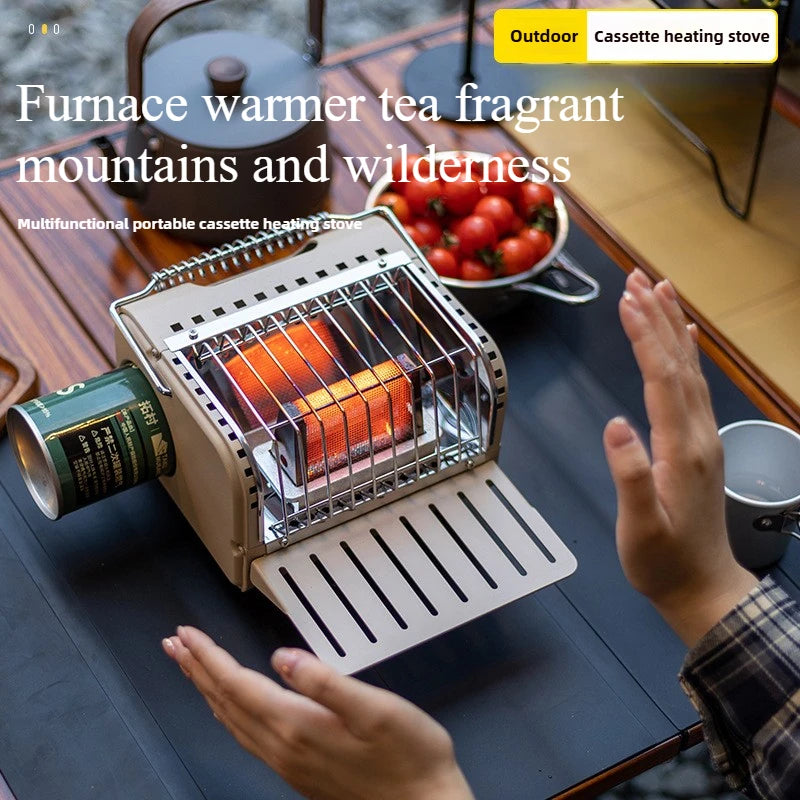
Balanced setup for consistent warmth using a portable heater for camping non electric — See it in action.
Tent Heater Safety Rules You Should Never Ignore
Even the best camping heater safety setup depends on consistent habits. Following these essential rules helps reduce the risk of carbon monoxide exposure, accidental fires, and equipment damage while keeping your tent comfortable throughout the night.
Carbon Monoxide & Ventilation Rules
Fresh air must circulate whenever a fuel-burning heater is operating. Keep designated ventilation openings unobstructed, and never seal your tent completely to retain heat. A battery-powered carbon monoxide detector provides an additional layer of protection and should be tested before every trip.
- Keep roof vents or windows partially open during heater operation.
- Never block air intake or exhaust areas.
- If anyone experiences dizziness, headache, or nausea, turn off the heater immediately, leave the tent, and move to fresh air.
Safe Distance Guidelines
Every heater requires adequate clearance to prevent nearby materials from overheating. Always follow the manufacturer's recommended minimum distances if they exceed the general guidelines below.
- Maintain at least 2–3 feet of clearance from tent walls whenever possible.
- Keep sleeping bags, clothing, backpacks, and other gear outside the heater's heat zone.
- Never place equipment directly on or above the heater.
- Keep the area around the heater clear to reduce the chance of accidental contact.
Sleeping Safety Rules
Many experienced campers warm the tent before bedtime and then rely on insulated sleeping bags, sleeping pads, and appropriate clothing overnight. Unless the manufacturer specifically states that a heater is designed for unattended overnight use, avoid leaving it running while you sleep.
If you choose to operate an indoor-rated heater overnight, maintain continuous ventilation, ensure the heater remains stable, and keep a functioning carbon monoxide detector inside the tent.
Emergency Shutdown Procedures
Know how to stop the heater quickly if conditions become unsafe.
- Turn off the heater immediately if you smell gas or notice an unstable flame.
- Shut off the fuel supply before inspecting hoses or fittings.
- Leave the tent immediately if the carbon monoxide alarm sounds.
- Allow the heater to cool completely before moving, refueling, or storing it.
- Do not reuse damaged equipment until it has been repaired or replaced.
How to Keep a Tent Warm Without Wasting Fuel
Insulation Layering Strategy
Reducing heat loss is often more effective than increasing heater output. Place a closed-cell foam pad or insulated ground mat beneath your sleeping area, use a cold-weather sleeping bag with an appropriate temperature rating, and add thermal blankets or reflective liners when camping in freezing conditions.
Heat Retention Hacks
- Choose a tent that matches your group size instead of heating unnecessary space.
- Pitch the tent behind natural windbreaks or use a tarp to reduce direct wind exposure.
- Close unused openings while maintaining the ventilation needed for safe heater operation.
- Store wet clothing outside the sleeping area whenever practical to minimize moisture buildup.
Efficient Fuel Usage Tips
Rather than operating the heater continuously, use it to warm the tent before bedtime and again after waking if needed. Combining good insulation with strategic heater use reduces fuel consumption, extends runtime, and helps maintain a comfortable sleeping environment.
Winter Camping Heater Setup (Extreme Cold Strategy)
Snow, Wind & Ground Insulation Adjustments
Extreme winter conditions require more than simply increasing heater output. Reduce heat loss by pitching your tent behind natural windbreaks or building a low snow wall when conditions permit. Use an insulated footprint, closed-cell foam pad, or thermal ground blanket beneath the tent to minimize heat transfer from frozen ground.
Keep roof vents clear of snow throughout the night so fresh air continues to circulate. Regularly check that drifting snow has not blocked ventilation openings or the tent entrance.
Overnight Heating Strategy
For most campers, the safest approach is to warm the tent before bedtime, then rely on an insulated sleeping bag, sleeping pad, and layered clothing to stay comfortable overnight. This method conserves fuel while reducing unnecessary heater operation during sleeping hours.
If conditions require continued heating, use only equipment specifically approved by the manufacturer for that purpose, maintain proper ventilation, and ensure your carbon monoxide detector remains active.
Condensation Management
Cold weather often causes moisture to accumulate inside tents as warm, humid air meets cold fabric. Excess condensation can dampen sleeping gear and reduce insulation performance.
- Maintain continuous but controlled ventilation.
- Dry wet clothing before bringing it into the sleeping area whenever possible.
- Avoid cooking inside the tent, as steam significantly increases moisture levels.
- Wipe away excess condensation in the morning to keep equipment dry.
Common Tent Heater Setup Mistakes (And How to Fix Them)
Many tent heater setup problems result from small oversights rather than faulty equipment. Recognizing these common mistakes can help you improve both safety and heating efficiency.
Poor Ventilation Setup
Mistake: Closing every vent to trap heat.
Why it matters: Restricting airflow increases the risk of carbon monoxide buildup and excessive condensation.
Quick fix: Keep designated ventilation openings partially open throughout heater operation while protecting the tent from direct wind.
Incorrect Heater Placement
Mistake: Positioning the heater too close to tent walls, bedding, or frequently used walkways.
Why it matters: This increases the likelihood of accidental contact, overheating nearby materials, or tipping the heater.
Quick fix: Place the heater on a stable surface with adequate clearance from all combustible items and high-traffic areas.
Fuel Handling Errors
Mistake: Using damaged hoses, expired fuel canisters, or skipping leak inspections.
Why it matters: Fuel leaks can create serious fire hazards and prevent heaters from operating safely.
Quick fix: Inspect all fuel connections before each use, replace worn components immediately, and store spare fuel according to the manufacturer's recommendations.
Condensation & Moisture Issues
Mistake: Ignoring moisture buildup inside the tent.
Why it matters: Damp sleeping bags and clothing lose insulation value, making the tent feel colder even when the heater is running.
Quick fix: Maintain balanced ventilation, dry wet gear whenever possible, and allow moisture to escape before it accumulates on tent walls and equipment.
Real Camper Setup Examples
Small Backpacking Tent
For one- or two-person backpacking tents, space is limited, making heater placement especially important. A compact indoor-rated portable heater positioned on a stable surface near the tent entrance, combined with cross-ventilation and an insulated sleeping system, provides efficient warmth without overheating the shelter.
Family Tent
Larger family tents benefit from placing the heater in a central open area while keeping walkways clear. Ground insulation beneath sleeping areas, proper ventilation, and organized gear storage help distribute heat more evenly and reduce the chance of accidental contact with the heater.
Ice Fishing Shelter
Portable ice fishing shelters often experience constant heat loss because of cold surfaces and wind exposure. Position the heater on a firm base, keep ventilation openings unobstructed, and monitor fuel levels regularly. Adding insulated flooring significantly improves comfort while reducing fuel consumption.
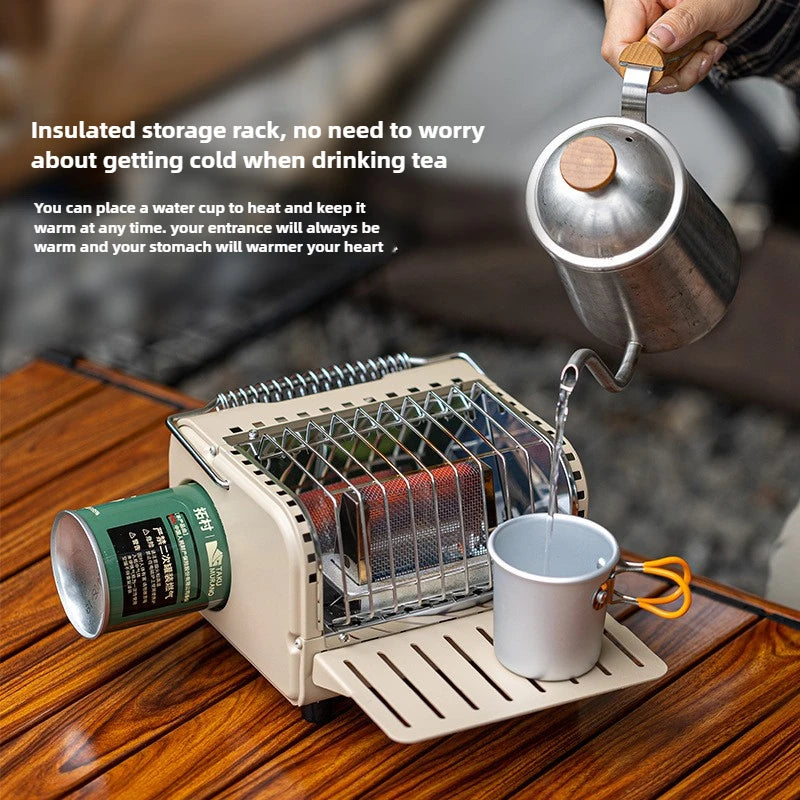
Reliable warmth builds confidence on every trip ❄️ See it in action.
Get yours now — limited stock!
Tent Heater Setup Safety Checklist
Before Ignition
- Inspect the heater, fuel connections, and hoses for damage.
- Test your carbon monoxide detector.
- Verify that ventilation openings are clear.
- Place the heater on a stable, heat-resistant surface with proper clearance.
- Keep combustible items away from the heating area.
During Use
- Maintain continuous airflow through designated vents.
- Monitor the heater periodically for normal operation.
- Keep children and pets away from hot surfaces.
- Watch for unusual odors, smoke, or excessive condensation.
- Never leave an operating heater unattended unless the manufacturer specifically permits it.
Before Sleeping
- Follow the manufacturer's guidance regarding overnight operation.
- Confirm the carbon monoxide detector is active.
- Ensure all ventilation openings remain unobstructed.
- Secure loose gear away from the heater.
- Keep a flashlight readily available in case you need to shut the heater down during the night.
Tent Heater Setup FAQ
Can you safely use a heater inside a tent?
Yes, provided you use a heater appropriate for the intended environment, maintain continuous ventilation, position it on a stable surface, and follow all manufacturer safety instructions.
What is the safest tent heater setup?
The safest tent heater setup combines an indoor-rated heater, adequate clearance from combustible materials, cross-ventilation, a working carbon monoxide detector, and careful fuel management.
How much ventilation is enough?
At least two ventilation openings should remain partially open to create continuous air exchange. Never operate a fuel-burning heater inside a completely sealed tent.
Can you sleep with a propane heater on?
Only if the heater is specifically approved by the manufacturer for overnight indoor use and all safety requirements—including ventilation and carbon monoxide monitoring—are followed. Many campers instead warm the tent before bedtime and rely on insulated sleeping gear overnight.
What temperature can a tent heater handle?
Many quality camping heaters operate effectively below freezing, but actual performance depends on wind, tent insulation, heater output, and fuel efficiency rather than outdoor temperature alone.
How do you set up a tent heater safely?
Choose a suitable heater, place it on a stable nonflammable surface, maintain proper clearance, provide continuous ventilation, inspect fuel connections, and test the system before relying on it.
What is the best way to heat a tent safely?
Combine a properly sized heater with good insulation, an insulated sleeping system, controlled ventilation, and a carbon monoxide detector. Improving insulation often reduces the amount of active heating required.
Can you use a portable propane heater in a tent?
Some portable propane heaters are designed for enclosed spaces, while others are not. Always verify the manufacturer's intended use and follow all safety instructions before operating one inside a tent.
What is the safest non electric camping heater setup?
A catalytic or other indoor-rated non-electric heater paired with adequate ventilation, stable placement, and carbon monoxide monitoring offers one of the safest off-grid heating options.
How much ventilation does a tent heater need?
Enough ventilation to provide continuous fresh-air exchange while allowing combustion gases and moisture to escape. Keep designated vents open throughout heater operation.
Can you leave a tent heater on overnight?
Only when the manufacturer specifically approves overnight use and all required safety precautions are maintained. Otherwise, preheat the tent and turn the heater off before sleeping.
How do you reduce condensation when heating a tent?
Maintain balanced ventilation, avoid drying wet clothing inside the tent, use insulated flooring, and wipe away accumulated moisture to help keep sleeping gear dry.
Which tent heater works best for winter camping?
The best choice depends on your camping style. Indoor-rated propane heaters are popular for car camping, while catalytic and other non-electric models are often preferred for remote off-grid trips because they provide dependable heat without requiring electrical power.













