

Can a cold cause abdominal pain?
Yes, can a cold cause abdominal pain in some situations, but cold exposure is rarely the direct cause of significant abdominal pain. Instead, being in a cold environment may contribute to temporary muscle tightening, slower digestion, or trigger symptoms of existing digestive conditions, causing cramps or discomfort. If your pain is severe, persistent, or accompanied by fever, vomiting, or blood in the stool, seek prompt medical evaluation.
For mild discomfort related to cold exposure, staying warm, drinking fluids, and using gentle heat may help relax abdominal muscles and improve comfort while the underlying cause resolves.
Can a Cold Cause Abdominal Pain? Causes, Symptoms & Relief (2026 Guide)
⏱ 7 min read
Keeping the abdomen warm may help relieve temporary discomfort associated with cold exposure.
How can cold weather affect your abdomen?
Cold weather does not usually damage the stomach or intestines directly, but it can influence how your muscles, blood vessels, and digestive system respond. These changes may explain why some people notice abdominal discomfort after spending time in cold temperatures.
Abdominal muscle tightening
Exposure to cold causes muscles throughout the body to contract in an effort to conserve heat. The muscles of the abdominal wall can also become tense, leading to soreness or cramping that may feel like stomach pain. This discomfort often improves after warming up and gentle movement.
Reduced blood flow
When you're cold, blood vessels near the skin narrow to reduce heat loss. Although this response mainly affects the arms and legs, reduced circulation around the body's surface can contribute to a sensation of tightness or discomfort in the abdominal area, particularly during prolonged exposure to cold.
Digestive system responses
Cold temperatures may temporarily slow digestive activity in some people. If you already have a sensitive digestive system, this can contribute to bloating, mild cramping, or a feeling of fullness. Dehydration during colder months may also worsen constipation, increasing abdominal discomfort.
For many individuals, cold weather acts as a trigger rather than the underlying cause. Conditions such as irritable bowel syndrome (IBS), gastritis, chronic constipation, or functional abdominal pain may become more noticeable during periods of cold exposure, stress, or changes in daily routine.
Common reasons your stomach may hurt when you're cold
Muscle strain or abdominal wall pain
Cold muscles are more likely to become stiff or strained, especially after physical activity outdoors. Pain from the abdominal wall is often localized and may worsen with movement, coughing, or changing position.
Irritable bowel syndrome (IBS)
People with IBS sometimes report increased abdominal cramping during cold weather. While cold does not cause IBS, environmental stress, dietary changes, and altered bowel activity during colder months may trigger symptoms.
Gastritis and indigestion
Heartburn, gastritis, and indigestion can all cause upper abdominal discomfort that may seem worse when you're cold. Eating large meals, drinking alcohol, or taking certain medications can contribute more than the temperature itself.
Viral illness
Some viral infections commonly called a "cold" can occasionally be accompanied by nausea, mild stomach discomfort, or reduced appetite. However, significant abdominal pain is more commonly associated with stomach viruses than with the viruses that primarily cause the common cold.
Kidney stones and urinary conditions
Pain originating from the kidneys or urinary tract can sometimes be mistaken for stomach pain. If abdominal discomfort occurs with severe back pain, painful urination, fever, or blood in the urine, medical evaluation is recommended.
Other medical causes
Appendicitis, gallbladder disease, pancreatitis, inflammatory bowel disease, ulcers, and other abdominal conditions can all cause pain regardless of the weather. Persistent, severe, or worsening symptoms should never be attributed to cold exposure alone.
Can a cold cause lower abdominal pain?
Yes, can a cold cause lower abdominal pain indirectly in some cases. Cold exposure itself is unlikely to be the primary cause, but it may worsen muscle tension or aggravate existing digestive, urinary, or gynecologic conditions that produce pain in the lower abdomen.
Digestive causes
Lower abdominal discomfort may result from constipation, intestinal gas, irritable bowel syndrome (IBS), or temporary bowel spasms. Cold weather may contribute by reducing physical activity, changing eating habits, or slowing intestinal movement in susceptible individuals.
Urinary causes
Urinary tract infections, bladder irritation, and kidney stones can all cause pain below the navel. If lower abdominal pain occurs with burning during urination, increased urinary frequency, fever, or blood in the urine, prompt medical assessment is recommended.
Gynecologic causes
Menstrual cramps, endometriosis, ovarian cysts, and other gynecologic conditions commonly cause lower abdominal pain. Some people find that cold weather makes muscle tension or cramping feel more noticeable, although the temperature is not the underlying cause.
When location matters
The location of abdominal pain provides important clues. Pain confined to the lower right abdomen, severe one-sided pain, or discomfort that steadily worsens should be evaluated promptly because it may indicate conditions requiring medical treatment rather than cold-related discomfort.
Symptoms that may accompany cold-related abdominal discomfort
Depending on the underlying cause, abdominal discomfort associated with cold exposure may occur alongside one or more of the following symptoms:
- Mild cramping or abdominal muscle tightness
- Bloating or increased gas
- Nausea or reduced appetite
- Constipation or temporary bowel habit changes
- General muscle soreness or shivering
Symptoms such as high fever, persistent vomiting, severe diarrhea, black stools, bloody stools, fainting, or intense localized abdominal pain are not typical effects of cold exposure and warrant medical evaluation.
When is abdominal pain an emergency?
Symptoms needing urgent care
- Sudden, severe, or worsening abdominal pain
- Persistent vomiting or inability to keep fluids down
- Blood in vomit, stool, or urine
- High fever with abdominal pain
- Rigid abdomen or severe tenderness
- Fainting, confusion, or difficulty breathing
These symptoms may indicate appendicitis, bowel obstruction, gallbladder disease, kidney infection, or other conditions requiring immediate medical attention.
Symptoms needing routine medical evaluation
Arrange a medical appointment if abdominal pain persists for several days, frequently returns during cold weather, interferes with normal activities, or is associated with ongoing digestive symptoms such as chronic constipation, diarrhea, unintended weight loss, or recurrent bloating.
Applying gentle warmth may help relax tense abdominal muscles and improve comfort during mild cold-related discomfort.
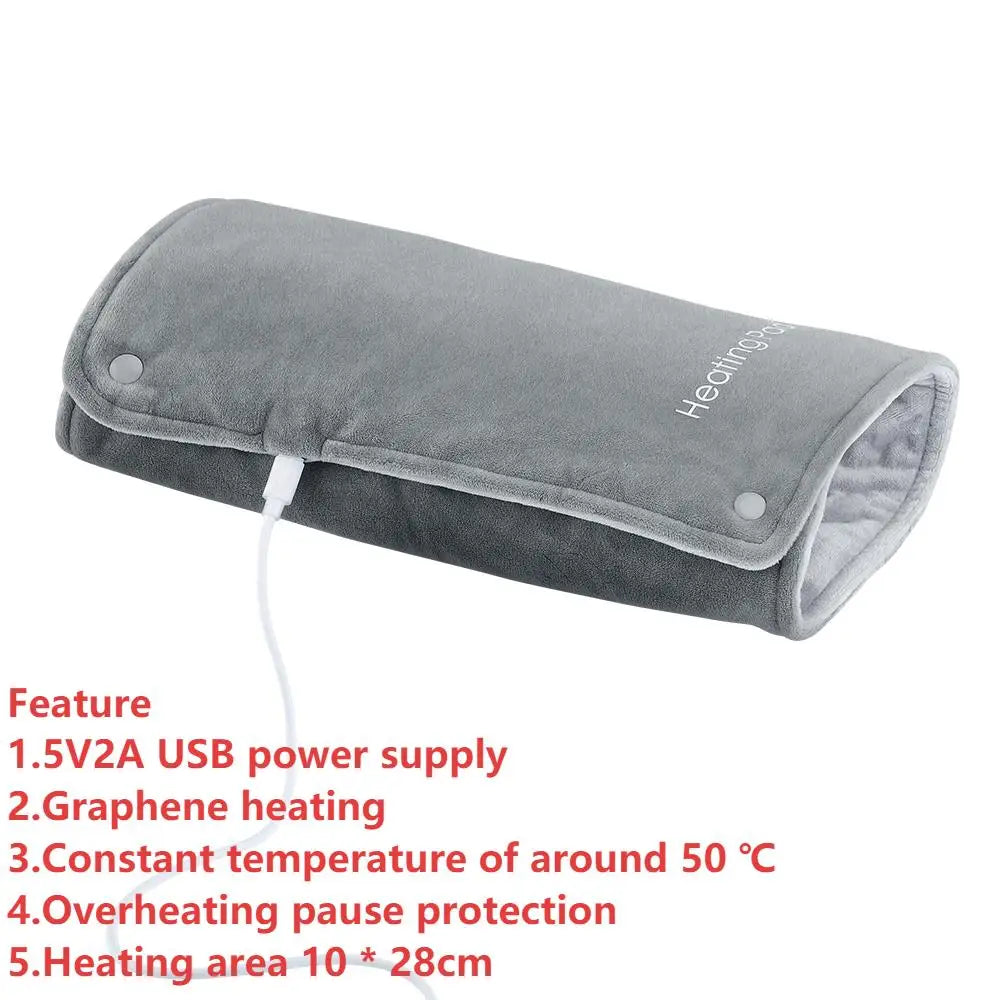
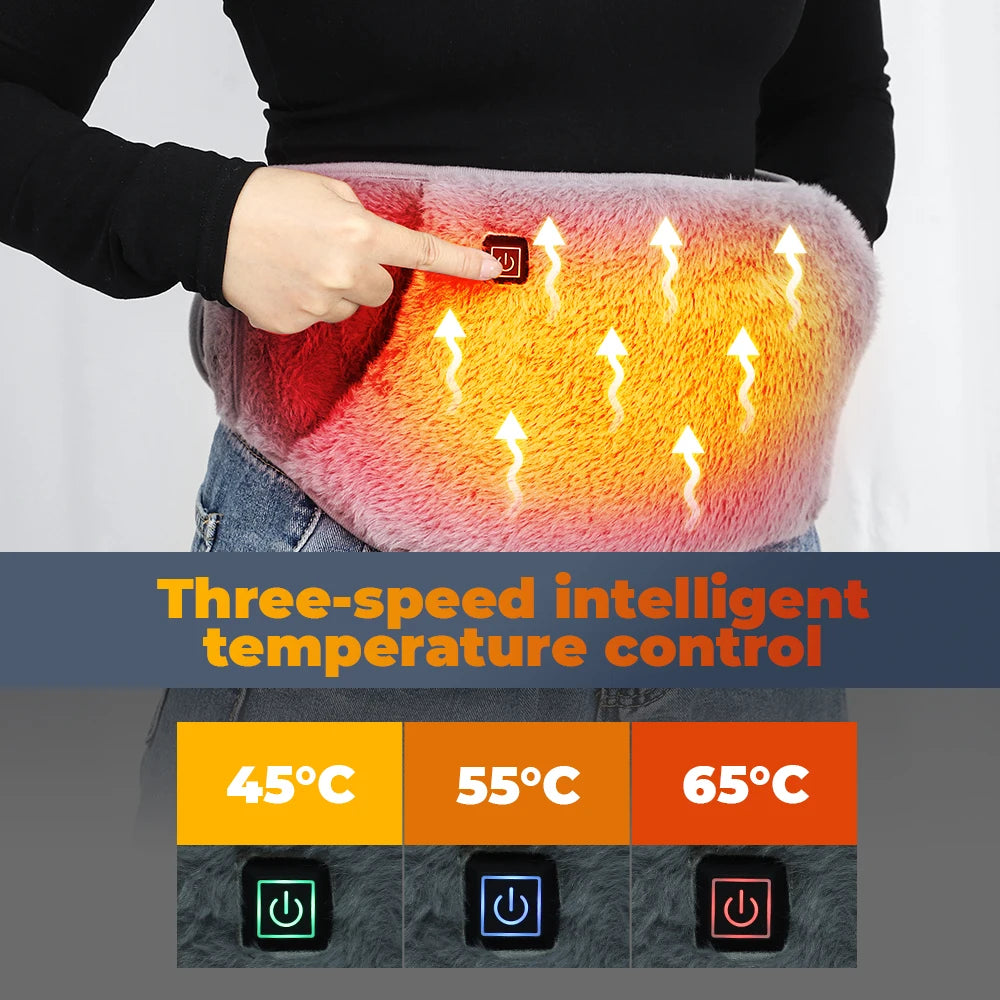
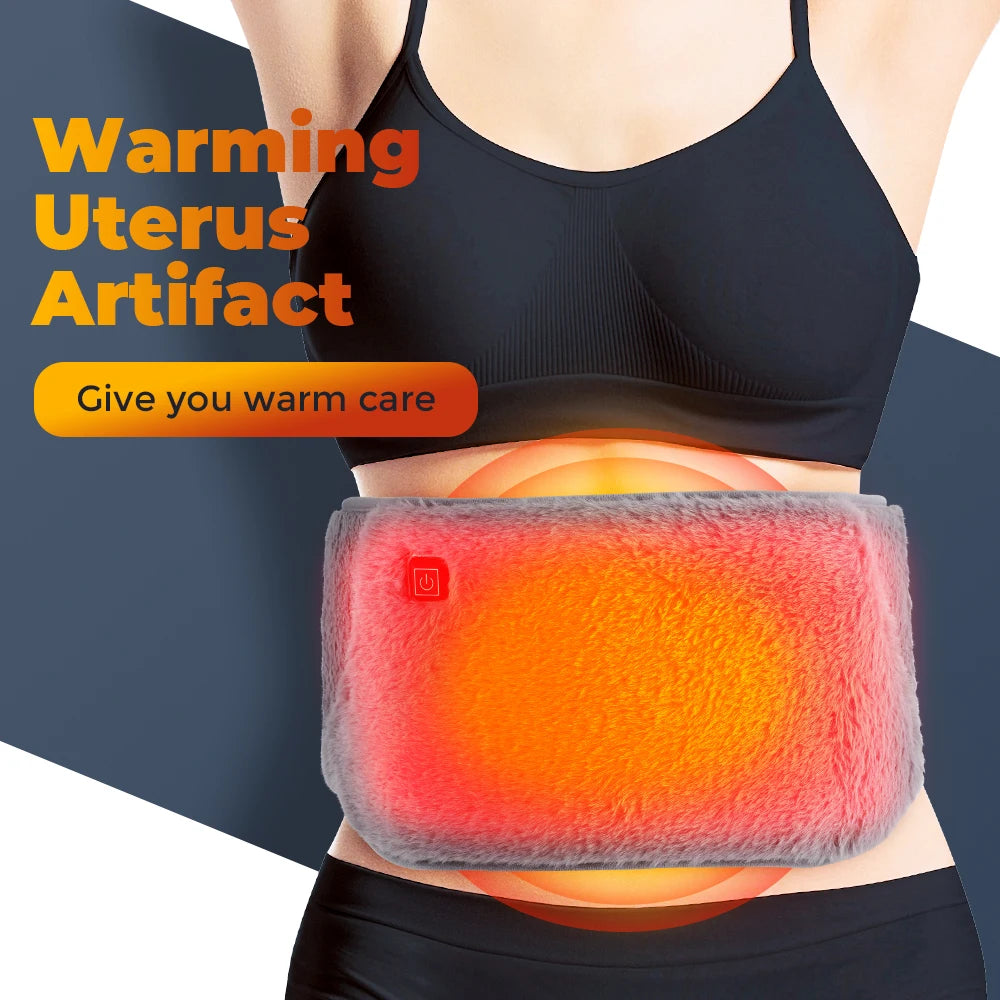
For individuals who experience temporary muscle tightness or cramping after cold exposure, gentle heat may provide symptomatic relief. The Graphene Heating Pad Uterine Belt delivers consistent, low-voltage warmth that can help relax abdominal muscles while allowing you to continue normal daily activities. It is intended to support comfort and should not replace medical evaluation for persistent or severe abdominal pain.
How to reduce stomach discomfort in cold weather
If your abdominal discomfort appears after exposure to cold temperatures and no serious medical condition is present, a few practical measures may help reduce symptoms and improve overall comfort.
- Dress warmly: Wear layered clothing to reduce muscle tension caused by cold exposure.
- Stay hydrated: Drinking enough water supports healthy digestion and helps prevent constipation.
- Eat balanced meals: Regular meals that include fiber may reduce digestive discomfort and bloating.
- Keep moving: Gentle walking and stretching encourage circulation and may ease abdominal muscle tightness.
- Manage existing conditions: Follow your treatment plan if you have IBS, gastritis, or another digestive disorder that can flare during cold weather.
- Use gentle heat: Applying moderate warmth to the abdomen may help relax muscles and temporarily reduce cramping. Avoid excessive heat or prolonged direct skin contact.
If your symptoms continue despite these measures or become more frequent, consult a healthcare professional to identify the underlying cause rather than assuming cold weather is responsible.
Staying warm, active, and well hydrated can help reduce mild abdominal discomfort during cold weather.
For people who find that warmth helps relieve temporary abdominal muscle tightness, supportive products available in the Body Care and Health Devices and Lifestyle collections may complement other self-care measures. These products are intended to improve comfort and should not replace appropriate medical care when symptoms are severe or persistent.
Frequently Asked Questions
Can cold weather really cause abdominal pain?
Cold weather itself is rarely the direct cause of abdominal pain. More often, it contributes to muscle tightening or aggravates underlying conditions such as irritable bowel syndrome (IBS), constipation, or indigestion that can lead to abdominal discomfort.
Why does my stomach hurt when I'm cold?
If your stomach hurts when you're cold, possible explanations include abdominal muscle tension, temporary digestive changes, dehydration, or flare-ups of existing gastrointestinal conditions. Persistent or severe pain should be evaluated by a healthcare professional.
Can cold air make stomach cramps worse?
Yes. Cold air may increase muscle tightness and make existing abdominal cramps feel more noticeable. However, it does not usually cause significant abdominal disease by itself.
Can a cold cause lower abdominal pain?
A cold environment may indirectly contribute to lower abdominal discomfort by worsening muscle tension or triggering symptoms of digestive, urinary, or gynecologic conditions. New or severe lower abdominal pain should not be attributed to cold exposure alone.
Can drinking cold water cause stomach pain?
Most healthy people can drink cold water without problems. However, some individuals with sensitive digestive systems may notice temporary cramping or discomfort after consuming very cold beverages. Symptoms are usually short-lived.
When should I worry about abdominal pain in cold weather?
Seek urgent medical care if abdominal pain is severe, rapidly worsening, accompanied by high fever, persistent vomiting, blood in the stool or urine, fainting, or significant abdominal tenderness. These symptoms may indicate a condition unrelated to cold exposure.
Can IBS flare up in cold weather?
Yes. Many people with IBS report symptom flare-ups during colder months. While cold weather does not cause IBS, stress, dietary changes, reduced activity, and altered bowel function may contribute to increased symptoms.
How can I prevent stomach pain during cold weather?
Dress warmly, stay hydrated, eat regular balanced meals, remain physically active, and manage existing digestive conditions according to your healthcare provider's recommendations. Gentle heat may also help relieve temporary muscle-related discomfort.
Related Guide: Portable Menstrual Heating Belt USB Full Review













