

Can stress cause head pressure?
Yes—stress can cause head pressure. Stress-related head pressure is a common physical response that may feel like tightness, heaviness, squeezing, or fullness around the head. It often develops because stress increases muscle tension, activates the nervous system, and makes the brain more sensitive to normal physical sensations. However, sudden severe pressure, neurological symptoms, or unusual changes should be evaluated by a healthcare professional.
Can Stress Cause Head Pressure? Causes, Symptoms, and When to Worry
Many people experience a heavy, tight, or uncomfortable sensation in their head during stressful periods, long workdays, emotional strain, extended screen time, or poor sleep. This feeling may occur with or without a traditional headache. This guide explains why stress-related head pressure happens, what symptoms to watch for, how it differs from other conditions, and evidence-based ways to reduce and prevent it.
⏱ 7 min read
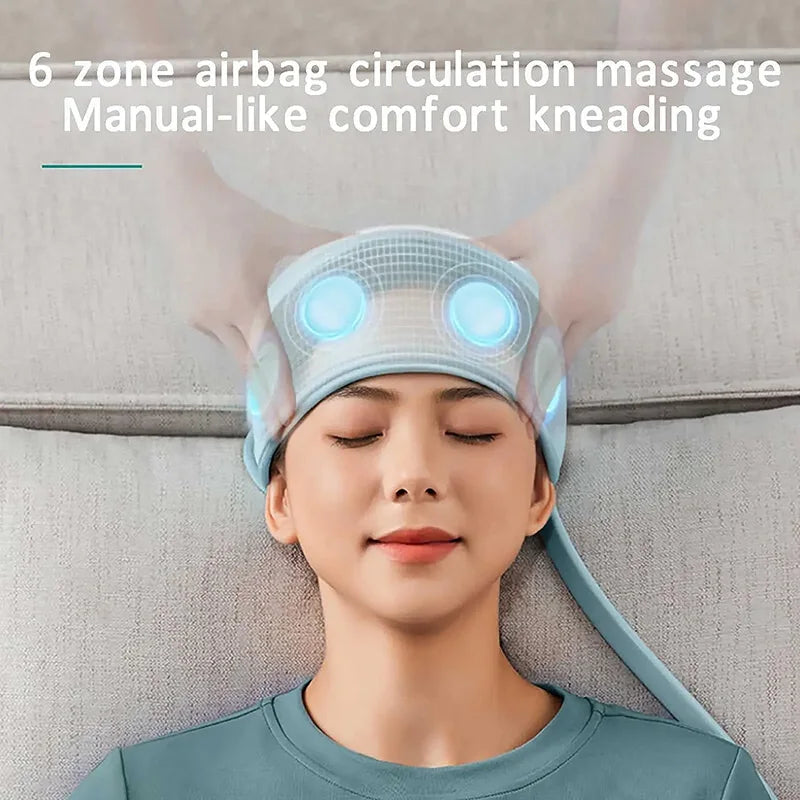
Stress-related head pressure often builds gradually
Why Does Stress Cause Head Pressure? (The Science Explained)
Stress-related head pressure is not random. It develops through several connected processes involving muscles, hormones, nerves, and the way the brain interprets discomfort. Understanding these mechanisms can explain why stress pressure often feels like tightness or heaviness rather than sharp pain.
Stress → Muscle Tension → Nerve Sensitivity → Pressure Sensation
When your body experiences stress, it activates the sympathetic nervous system, often called the fight-or-flight response. This response prepares the body to react quickly by increasing alertness and tightening muscles.
The muscles around the neck, shoulders, jaw, and scalp commonly become tense during prolonged stress. This ongoing contraction can contribute to a pressure-like sensation around the forehead, temples, or back of the head.
This explains why stress-related head pressure often feels like a band around the head rather than a sudden stabbing headache.
The Role of Cortisol and the Nervous System
Stress hormones such as cortisol influence how the body responds to physical and emotional strain. During prolonged stress, the nervous system may remain in a heightened state of alertness, making normal sensations feel stronger.
This increased sensitivity can make mild muscle tension or fatigue feel like noticeable pressure, heaviness, or discomfort in the head.
Brain Pain Pathways and Central Sensitization
The brain constantly processes signals from muscles, nerves, and surrounding tissues. During repeated stress, the nervous system can become more reactive to these signals.
This process, sometimes called increased pain sensitivity, may contribute to recurring sensations of pressure even when there is no serious underlying problem. Managing stress levels can help calm these pathways over time.
Common Stress Triggers Linked to Head Pressure
- Mental overload from work, study, or daily responsibilities
- Anxiety, constant worry, or emotional tension
- Poor posture during computer or smartphone use
- Insufficient sleep or irregular sleep schedules
- Dehydration and skipping meals
- Long periods of concentration without breaks
What Does Stress-Related Head Pressure Feel Like?
Stress-related head pressure is usually described as a steady, uncomfortable sensation rather than intense pain. It may affect both sides of the head or feel like pressure around the forehead, temples, or behind the eyes.
Common Anxiety Head Pressure Symptoms
- A tight or squeezing feeling around the head
- Pressure behind the eyes or across the forehead
- A heavy feeling at the top or back of the head
- Neck and shoulder stiffness
- Increased awareness of physical sensations during stress
- Difficulty relaxing the jaw or facial muscles
Stress Headache Symptoms Checklist
- Dull, constant pressure rather than throbbing pain
- Mild to moderate discomfort
- Symptoms that worsen during stressful periods
- Improvement after rest, relaxation, or stretching
- Connection with muscle tightness or poor posture
How Long Can Stress Head Pressure Last?
The duration of stress-related head pressure varies. Some people experience it for a few hours after a stressful event, while others may notice recurring pressure for days during prolonged stress.
Symptoms often improve when the underlying triggers—such as tension, poor sleep, dehydration, or anxiety—are addressed.
Tension Headache vs Stress Pressure vs Other Causes
Not all head pressure comes from stress. Comparing symptoms can help identify common patterns and understand when additional evaluation may be needed.
Tension Headache vs Pressure Sensation
- Tension headache: Usually involves dull pain, tightness, and pressure around the head.
- Stress pressure: May feel like heaviness or tightness without significant headache pain.
Stress vs Migraine
- Stress pressure: Often feels steady, affects both sides, and improves with relaxation.
- Migraine: Commonly involves throbbing pain, sensitivity to light or sound, nausea, or pain on one side.
Stress vs Sinus Pressure
- Stress pressure: Often involves general tightness or heaviness across the head.
- Sinus pressure: Usually occurs around the nose, cheeks, forehead, and may appear with congestion.
Stress vs High Blood Pressure Myths
Many people assume head pressure always means high blood pressure. While very high blood pressure can sometimes cause symptoms, everyday stress-related pressure is usually linked to muscle tension and nervous system activation rather than blood pressure changes alone.
Stress vs Neurological Emergencies
Stress-related pressure is usually gradual and associated with tension. Sudden severe symptoms, confusion, weakness, vision changes, or loss of coordination require urgent medical attention.
Can Anxiety Cause Head Pressure Without Pain?
Yes, anxiety can cause head pressure even without a traditional headache. Anxiety keeps the body in a heightened alert state, which can increase muscle tension and nervous system sensitivity.
- A constant tight or heavy sensation
- Pressure that changes throughout the day
- Symptoms that increase during anxious thoughts
- Feeling unable to relax the head, neck, or jaw muscles
Does Stress Cause Scalp Pain?
Yes. Stress can contribute to scalp tenderness or sensitivity through muscle tension, nerve sensitivity, and changes in circulation.
Why Stress Can Make the Scalp Sensitive
Small muscles connected to the scalp can tighten during stressful periods. This may make the scalp feel sore, tender, or uncomfortable even without visible skin irritation.
Signs Your Scalp Pain Is Stress-Related
- No visible rash or skin infection
- Symptoms increase during stressful situations
- Relief after relaxation, warmth, or massage
- Associated neck or shoulder tension
Is Head Pressure from Stress Dangerous? (When to Worry)
In most cases, stress-related head pressure is not dangerous. It is commonly a physical response to stress, tension, and nervous system activation. However, some symptoms should not be ignored.
Red Flag Symptoms
- Sudden and severe headache unlike anything experienced before
- Confusion, fainting, or difficulty speaking
- Weakness, numbness, or loss of coordination
- New vision problems
- Fever with stiff neck
- Symptoms that progressively worsen
When to Seek Emergency Care
Seek emergency medical attention for sudden extreme head pain, neurological changes, head pressure after a serious injury, or symptoms involving weakness, confusion, or loss of consciousness.
When to See a Doctor
Consult a healthcare professional if head pressure is frequent, persistent, changing over time, interfering with daily activities, or does not improve with stress reduction strategies.
How Head Pressure Is Diagnosed
A healthcare provider may review your symptoms, medical history, stress levels, sleep patterns, medications, and lifestyle habits. Depending on your symptoms, they may perform a neurological examination or recommend additional testing.
How to Relieve Stress Head Pressure (Evidence-Based Methods)
Reducing stress head pressure usually involves calming the nervous system, relaxing tense muscles, and improving daily habits.
Immediate Relief Techniques
- Practice slow breathing exercises
- Stretch the neck and shoulders gently
- Apply a warm compress to tense areas
- Take short breaks from screens
- Relax the jaw and facial muscles
Exercise and Relaxation
Regular physical activity can reduce stress hormones and support healthier muscle function. Gentle activities such as walking, yoga, or stretching may help reduce recurring tension.
Sleep and Hydration
Poor sleep and dehydration can increase sensitivity to discomfort. Maintaining consistent sleep habits and drinking enough fluids may reduce common stress headache symptoms.
Long-Term Stress Management
- Develop a consistent relaxation routine
- Improve workstation posture
- Practice mindfulness techniques
- Create healthy boundaries around stressful activities
- Schedule recovery time during busy periods
Does Head Massage Reduce Stress Pressure?
Head massage may help reduce stress-related head pressure by relaxing tense muscles, encouraging relaxation, and improving comfort during stressful periods.
What Research Suggests
Research on massage therapy suggests that relaxation-focused massage may help reduce perceived stress and muscle tension. While massage does not treat every cause of head pressure, it can be useful when symptoms are related to tension and stress.
Why Massage Works for Stress Head Pressure
- Relaxes scalp, neck, and shoulder muscles
- Supports circulation in tense areas
- Encourages the body’s relaxation response
- May reduce the feeling of tightness caused by muscle tension
When Massage Helps Most
Massage is most helpful when pressure is connected to stress, posture problems, long screen sessions, or muscle tightness.
When Massage Should Be Avoided
Avoid aggressive massage if you have sudden unexplained severe pain, recent head injury, neurological symptoms, or symptoms that require medical evaluation.
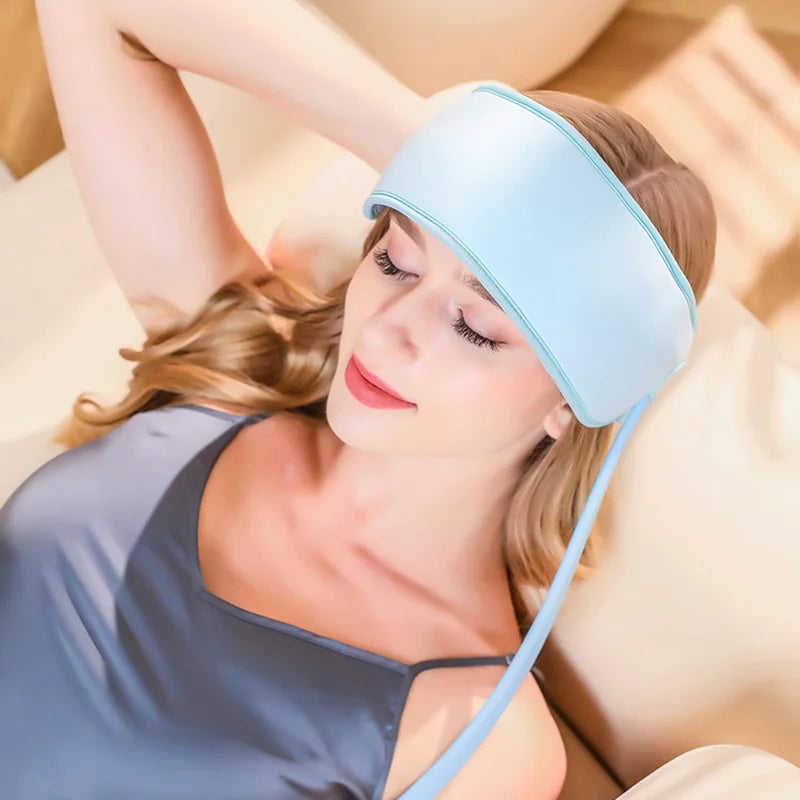
Relaxation techniques can ease pressure
Massage vs Other Head Pressure Relief Options
| Method | Benefits | Limitations |
|---|---|---|
| Head Massage | Targets muscle tension and supports relaxation | Requires consistent use for recurring stress |
| Heat Therapy | Helps relax tight neck and shoulder muscles | May provide temporary relief |
| Stretching | Improves mobility and reduces posture-related tension | Results depend on consistency |
| Medication | May provide faster symptom relief | Does not address stress triggers |
| Mindfulness and Breathing | Helps calm stress response | Requires regular practice |
Explore more recovery tools in Body Care and Health Devices and Lifestyle collections.
How to Use Head Massage for Stress Relief
Simple Self-Massage Routine
- Relax your shoulders and sit comfortably.
- Use gentle circular movements on the temples.
- Massage the scalp from the front hairline toward the crown.
- Apply light pressure around the neck and upper shoulders.
- Breathe slowly throughout the routine.
Pressure Points
Common areas people massage for relaxation include the temples, scalp, base of the skull, and neck muscles. Pressure should feel comfortable and never painful.
Frequency and Duration
A short 5–10 minute massage routine may be used when tension appears. Consistency is usually more important than applying strong pressure.
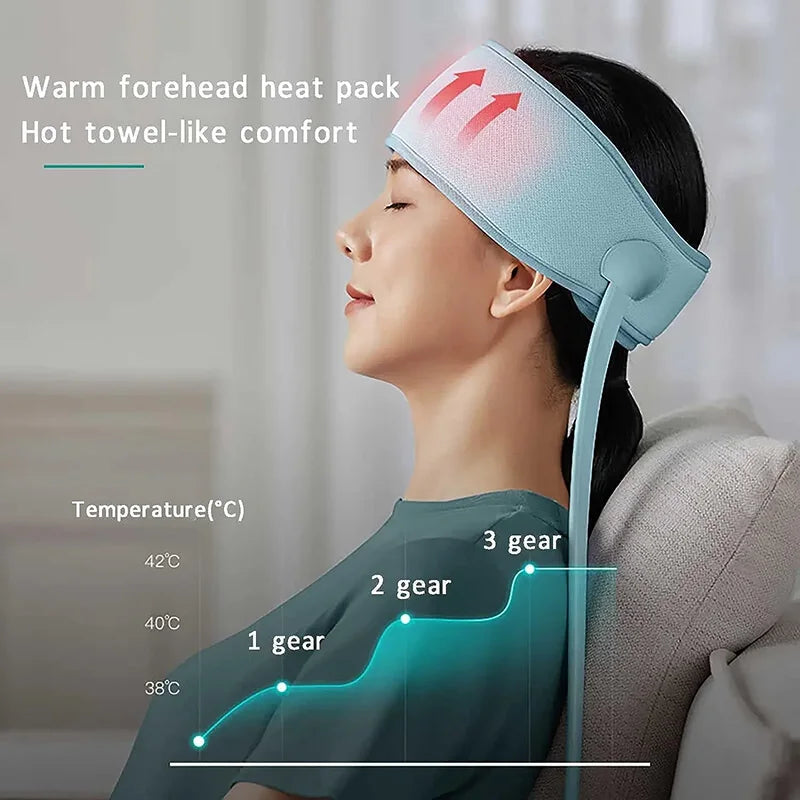
Build a daily relaxation habit
How to Prevent Stress-Related Head Pressure
Identify Personal Stress Triggers
Tracking when head pressure appears can help identify patterns. Common triggers include excessive screen time, poor sleep, emotional stress, and prolonged concentration.
Ergonomics and Neck Health
- Keep screens at a comfortable eye level
- Take movement breaks during long work sessions
- Maintain relaxed shoulder posture
- Stretch the neck regularly
Building Long-Term Resilience
Long-term prevention focuses on supporting the nervous system through regular exercise, healthy sleep habits, relaxation practices, and effective stress management strategies.
Frequently Asked Questions
Can stress cause head pressure without headaches?
Yes. Stress can create pressure without pain through muscle tension, nervous system activation, and increased sensitivity to physical sensations.
Can anxiety cause constant head pressure?
Yes. Anxiety can keep muscles tense and increase awareness of sensations, leading to persistent feelings of pressure or heaviness.
Is head pressure from stress dangerous?
Usually, no. Stress-related head pressure is commonly harmless, but severe, sudden, or unusual symptoms require medical evaluation.
How long does stress-related head pressure usually last?
It may last from several hours to several days depending on stress levels, sleep quality, hydration, and recovery habits.
Can dehydration make stress head pressure worse?
Yes. Dehydration can increase discomfort and may make stress-related symptoms feel more noticeable.
Can poor posture contribute to stress head pressure?
Yes. Poor posture can increase neck and shoulder tension, which may contribute to pressure sensations around the head.
When should I seek emergency care?
Seek emergency care for sudden severe head pain, confusion, weakness, vision changes, loss of consciousness, or other serious neurological symptoms.
Does massage provide lasting relief for stress head pressure?
Massage can provide temporary symptom relief, but lasting improvement usually requires managing stress triggers and maintaining healthy habits.
Related Guide: Electric Head Massager Device Review Features Results and Value













