Can You Bring a Heating Pad on a Plane? TSA Rules for Carry-On and Checked Bags
⏱ 6 min read
Traveling with pain or stiffness can turn an exciting trip into an uncomfortable ordeal. If you rely on heat therapy for relief, you may be wondering: can you bring a heating pad on a plane without delays, confusion, or confiscation? The answer depends on the type of heating pad you choose, its power source, and how well it complies with airport security and airline regulations. This guide explains TSA rules, carry-on and checked baggage requirements, lithium battery restrictions, and in-flight usage considerations so you can travel confidently.
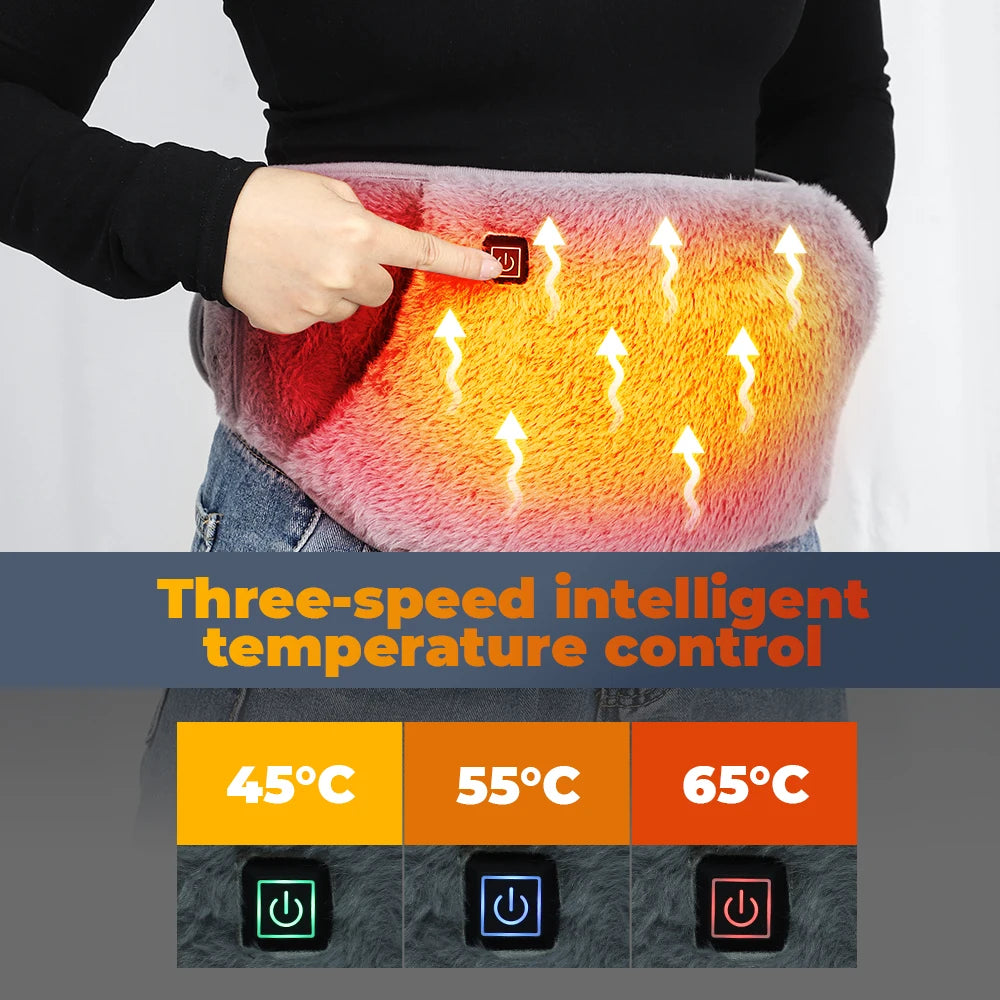
Portable relief in-flight — can you bring a heating pad on a plane? 💡 See it in action
Can You Bring a Heating Pad on a Plane?
Yes, in most cases a heating pad is allowed in flight and can be packed in either carry-on or checked baggage. However, the exact rules depend on the type of heating pad you are bringing, including whether it is electric, battery-powered, gel-filled, microwaveable, or disposable. Travelers should also follow TSA screening requirements and airline battery policies when applicable.
Quick Answer for Most Travelers
If you are asking, "can you bring a heating pad on a plane?" the answer is generally yes. Standard electric heating pads, portable heating pads, and many disposable heat wraps are permitted. Devices containing lithium batteries may be subject to additional airline requirements.
Heating Pad Types That Are Usually Allowed
- Electric heating pads without batteries
- Rechargeable heating pads with approved lithium batteries
- Portable battery-powered heating pads
- Disposable heat wraps and heat patches
- Microwaveable heating pads
- Gel-based heating packs that comply with liquid restrictions when required
Before traveling, verify both TSA guidance and your airline's battery policies, especially if your heating pad contains rechargeable power cells.
For travelers comparing different heat therapy options before a trip, explore Body Care and Health Devices designed for portable comfort and convenience.
Carry-On vs Checked Bag Rules by Heating Pad Type
Whether a heating pad can be packed in carry-on luggage, checked baggage, or both depends on the product design and power source.
Electric Heating Pads
Traditional electric heating pads without built-in batteries are generally allowed in both carry-on and checked bags. To reduce the chance of additional screening, keep cords neatly wrapped and store the device where it can be easily inspected if requested.
Battery-Powered Heating Pads
Portable heating pads that use rechargeable lithium batteries are typically allowed in carry-on baggage. Spare batteries may need to remain in carry-on luggage rather than checked bags depending on airline policies. Travelers using portable heat therapy products should verify battery specifications before departure.
Gel-Filled Heat Packs
Gel-based heating packs may receive additional scrutiny during security screening. If the contents are classified as a liquid or gel, standard airport liquid restrictions could apply depending on the product design and airport procedures.
Microwaveable Heating Pads
Microwaveable heating pads filled with rice, flaxseed, grains, or similar materials are generally permitted in both carry-on and checked luggage. These products are often among the easiest non-electric options to travel with.
Disposable Heat Wraps
Single-use heat wraps and air-activated heating patches are commonly allowed and are often the simplest option for travelers seeking temporary pain relief during a flight.
TSA Rules for Heating Pads and Airport Security Screening
TSA generally permits heating pads, but security officers always have final authority regarding items passing through airport checkpoints.
Electric Heating Pads and Batteries
Electric heating pads are usually permitted. If the device contains rechargeable batteries, security officers may inspect the battery compartment or request additional screening to verify the device's contents.
- Battery-powered heating pads are allowed in carry-on luggage if batteries are installed or properly protected.
- Spare lithium-ion batteries should have terminals insulated to prevent accidental short circuits.
- USB-powered heating pads can often be used with approved power banks.
- Devices designed for external power sources should comply with airline-specific requirements.
Gel Packs and Disposable Heat Wraps
Gel-containing products may be evaluated under liquid and gel screening procedures. Disposable heat wraps generally present fewer concerns because they do not contain large quantities of liquid material.
- Non-electric gel packs and disposable heat wraps can often be packed in both carry-on and checked baggage.
- Gel products may require additional screening if their contents cannot be clearly identified.
- Disposable heat wraps remain one of the most travel-friendly options available.
What Happens During TSA Screening?
Most heating pads pass through X-ray screening without issues. Security personnel may request a closer inspection if the device contains unusual wiring, battery packs, dense internal materials, or components that are difficult to identify on imaging equipment.
When TSA May Request Additional Inspection
- Visible lithium battery packs
- Large rechargeable heating devices
- Unusual wiring configurations
- Dense gel-filled products
- Items that cannot be clearly identified during X-ray screening
Lithium Battery Requirements for Portable Heating Pads
Many modern travel heating pads rely on lithium-ion batteries. These products often face different transportation requirements than standard plug-in heating pads.
Power Banks and Rechargeable Heating Pads
If your heating pad connects to a power bank or contains a rechargeable battery, carrying it in your cabin baggage is generally the safest option. Airlines typically monitor lithium battery transport more closely than non-powered devices.
Spare Battery Packing Rules
Spare lithium batteries are commonly required to remain in carry-on luggage. Battery terminals should be protected using covers, tape, or original packaging to reduce the risk of accidental contact during travel.
Airline Restrictions on Lithium Batteries
Airlines may impose watt-hour limits or quantity restrictions for rechargeable batteries. Most personal electronics fall within permitted limits, but travelers should verify battery capacity and carrier-specific requirements before departure, especially on international routes.
Can You Use a Heating Pad on a Plane?
In many cases, yes. Whether you can actively use a heating pad during the flight depends on the device type, battery design, and airline policies.
Electric Heating Pads During Flight
Traditional electric heating pads require a compatible power source. Many aircraft either do not provide suitable outlets or limit passenger use of devices with higher power demands.
Battery-Powered Heating Pads During Flight
Rechargeable and portable heating pads are often more practical for air travel because they do not depend on aircraft power systems. Many travelers prefer compact battery-powered options for long flights and layovers.
Airline Seat Power Limitations
Even when outlets are available, power capacity may vary by airline and aircraft type. Travelers should ensure their heating pad complies with onboard device policies and does not exceed power limitations.
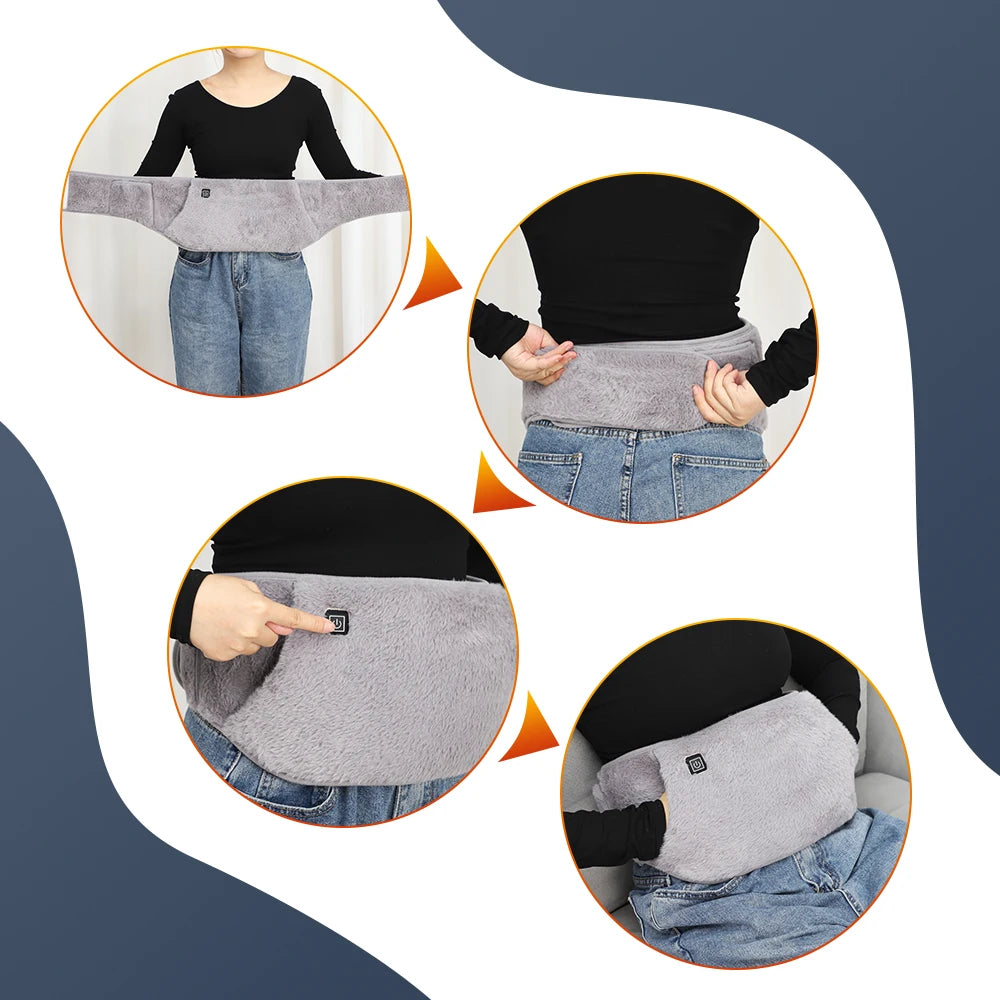
Designed for comfort and safety — travel heating pad for airplane use 💡 See it in action
Airline Policies and International Travel Considerations
While TSA rules apply to departures from U.S. airports, international destinations and airlines may apply additional restrictions on batteries and electronic devices.
Domestic Airlines Overview
Most domestic carriers permit standard heating pads provided they comply with baggage regulations and lithium battery safety requirements.
- Battery-powered devices commonly fall under standard lithium battery guidelines.
- Devices should remain powered off when required by crew instructions.
- Non-powered heating products are generally unrestricted.
International Airlines Overview
International airlines may apply stricter rules regarding lithium batteries, power banks, and electronic comfort devices.
- Many carriers follow international lithium battery standards.
- Security personnel may inspect batteries separately.
- In-flight use of powered devices can vary by airline.
- Additional documentation may occasionally be requested.
Medical Device Considerations
If you use a heating pad for pain management or a medical condition, carrying product information or supporting documentation can help explain the device during security screening and reduce delays.
International Security and Customs Differences
Security procedures vary by country. Travelers connecting through multiple airports should review regulations for transit locations as well as their final destination to avoid unexpected restrictions.
Best Practices for Flying Safely with a Heating Pad
Packing Tips
- Pack the heating pad where it can be easily accessed during screening.
- Protect cords from damage during transit.
- Store rechargeable batteries properly.
- Carry manufacturer information when traveling internationally.
- Keep battery specifications available if requested by airline staff.
Usage During Flight
- Follow all crew instructions regarding electronic devices.
- Avoid using equipment that requires excessive power consumption.
- Do not leave an active heating pad unattended.
- Use appropriate temperature settings to prevent skin irritation.
- Ensure cables do not obstruct walkways or neighboring passengers.
Pre-Flight Checklist
- Confirm TSA compliance.
- Review airline battery policies.
- Charge rechargeable devices before departure.
- Pack spare batteries correctly.
- Verify international travel requirements if applicable.
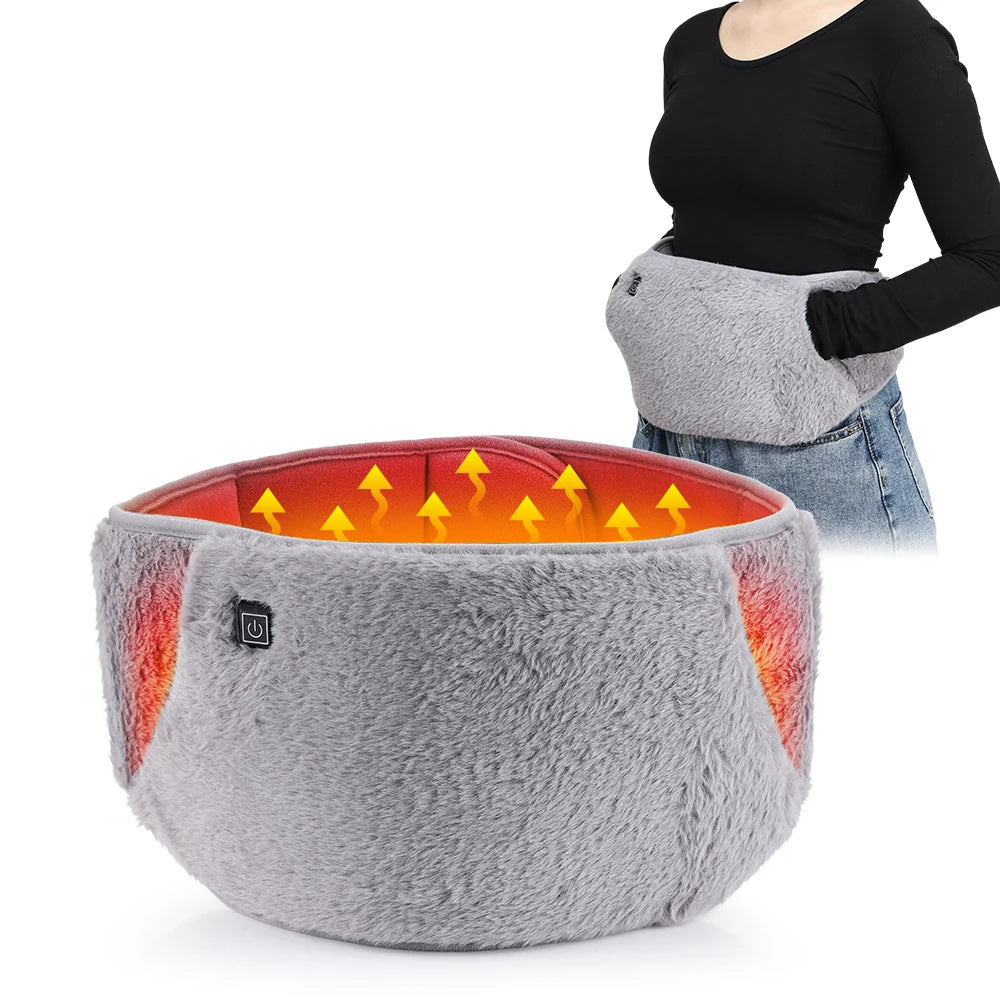
Confidence at 30,000 feet — portable electric heating pad 💡 See it in action
Frequently Asked Questions
Can you use a heating pad during a flight?
Yes, many travelers use portable heating pads during flights, although airline policies, battery restrictions, and power availability may affect usage.
Are heating pads considered medical devices by TSA?
Some heating pads used for therapeutic purposes may be treated similarly to personal medical comfort devices, but standard screening procedures still apply.
Is a portable electric heating pad safe for long flights?
Portable heating pads are generally safe when used according to manufacturer instructions and airline regulations. Choosing models with automatic shutoff features can provide additional peace of mind.
Can I pack a heating pad in my carry on?
Yes. Most heating pads can be packed in carry-on luggage, including many electric, USB-powered, and portable battery-operated models.
Can I bring a portable heating pad on a plane?
Yes. Portable heating pads are commonly allowed, though rechargeable battery models must comply with airline lithium battery requirements.
Can I take an electric heating pad on a plane internationally?
Usually yes, but international airlines and foreign airport authorities may apply additional battery and electronics regulations. Checking airline policies before departure is recommended.
Related Guide: Portable Menstrual Heating Belt USB Full Review