

Does a candle making wax melter really make DIY candle crafting easier?
Yes. A candle making wax melter can make DIY candle crafting easier by providing more consistent heat, better temperature control, and a cleaner pouring process than many makeshift methods. Compared with a traditional double boiler, an electric wax melter for candle making can reduce hands-on monitoring and make repeated batches more efficient.
A dedicated wax melter is especially useful for beginners who want a simpler workflow, hobbyists who make multiple candles at once, and small candle businesses that need repeatable results. The best candle wax melter for you depends on your wax type, batch size, temperature-control needs, cleanup preferences, and budget.
Best Candle Wax Melter (2026): Top Picks for Beginners & DIY Candle Makers
Quick Comparison: Best Candle Wax Melters at a Glance
Choosing the best candle wax melter becomes easier when you compare the features that affect everyday candle-making performance. Capacity determines how much wax you can melt at once, while temperature control affects consistency and compatibility with different waxes. A pouring spout can also make a noticeable difference when filling jars or molds.
| Option | Capacity | Temperature Control | Best Use Case | Overall Value |
|---|---|---|---|---|
| KentDO Wax Heater | Small/Medium | Adjustable | Most DIY candle makers and beginners | Strong balance of convenience and control |
| Classic Double Boiler | Small | Manual | Occasional candle making on a budget | Low upfront cost |
| Large Electric Pouring Pot | Medium/Large | Thermostat-based | Large batches and small businesses | High efficiency for frequent use |
| Precision-Control Wax Melter | Small/Medium | Highly adjustable | Temperature-sensitive formulations | Best when control matters most |
What Is the Best Candle Wax Melter for Your Needs?
The best candle wax melter is the one that matches your production volume, wax type, experience level, and preferred workflow. Instead of ranking a melter on price alone, evaluate how consistently it heats wax, how easy it is to control temperature, how cleanly it pours, and how much effort it takes to maintain.
For this guide, the main selection criteria are heating consistency, temperature control, capacity, pouring convenience, safety features, cleaning, and overall value. These factors help distinguish a practical candle making equipment wax melter from a basic container that simply heats wax.
- For beginners: Choose a compact electric wax melter with straightforward controls, stable construction, and safety features that make the learning process easier.
- For hobbyists: Look for adjustable temperature control, enough capacity for multiple candles, and a pouring spout that reduces mess.
- For frequent batch making: A larger wax melting pot for candles can reduce repeated melting cycles and improve workflow efficiency.
- For small candle businesses: Prioritize consistent heating, repeatable temperature control, durable construction, and easy cleaning.
- For occasional projects: A double boiler can be sufficient if you are comfortable monitoring the process closely.
For most beginners and regular DIY makers, a dedicated electric wax melter offers the best balance of convenience and control. The right choice becomes more important as your batch sizes increase or you begin working with different waxes and fragrance formulations.
Discover the best options for your candle making projects
Why a Candle Making Wax Melter Makes DIY Crafting Easier
A dedicated candle making wax melter simplifies the candle-making workflow by concentrating the heating and pouring process in one purpose-built tool. Instead of repeatedly checking a container over a stovetop, an electric wax melter can provide a more controlled and repeatable way to melt wax.
- More consistent heating: Controlled heat can help reduce uneven melting and hot spots.
- Better workflow efficiency: You can melt larger quantities without repeatedly transferring wax between containers.
- Cleaner pouring: Many purpose-built melters include pouring spouts that help direct melted wax into jars or molds.
- Improved temperature management: Adjustable settings make it easier to work within the recommended range for the wax you are using.
- Greater repeatability: Consistent heating can make repeated candle batches easier to reproduce.
- More flexibility: Many models can work with common candle waxes such as soy, beeswax, and paraffin when used according to the manufacturer's instructions.
A wax melter does not eliminate the need for safe handling or temperature monitoring. However, it can make the process more organized and less cumbersome than improvised heating methods. That difference becomes especially noticeable when making multiple candles in one session.
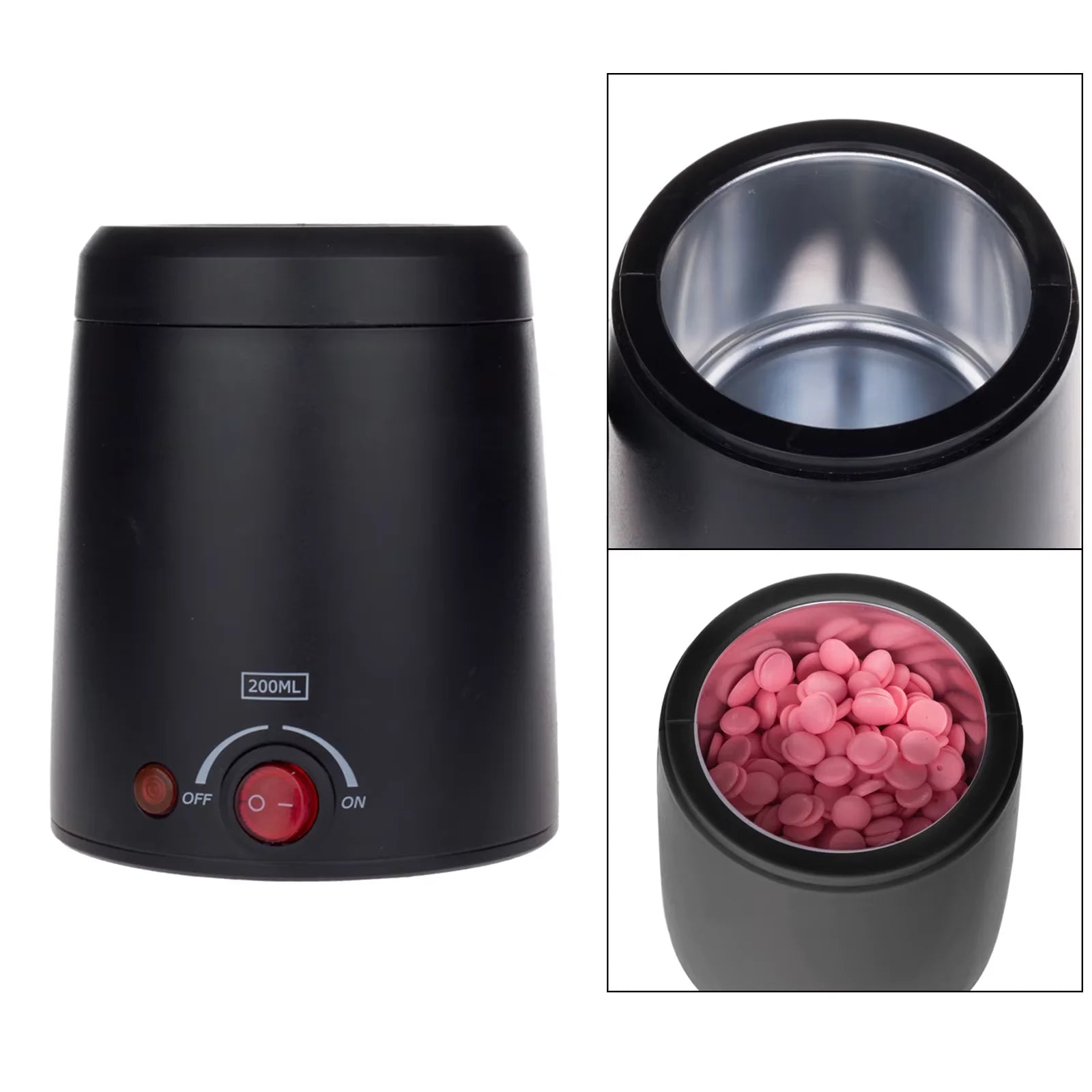
Candle making wax melter - KentDO See it in action
Top 7 Best Candle Wax Melters for Beginners (Tested & Compared)
Best Overall Wax Melter
The KentDO Wax Heater Adjustable Temperature is a strong all-around option for DIY candle makers who want adjustable heating, a compact footprint, and a simpler workflow than a traditional stovetop setup. Its balance of temperature control and convenient pouring makes it suitable for regular home candle projects and small-to-medium batches.
Ideal for: Beginners, hobbyists, and makers who want a dedicated electric wax melter for candle making.
Pros: Adjustable temperature control, convenient design, beginner-friendly workflow.
Cons: Smaller capacity than large commercial-style melting pots.
Best Budget Option
A classic double boiler remains an affordable entry point for occasional candle making. It uses indirect heat and can work well for small batches when the maker is prepared to monitor the process carefully.
Ideal for: Beginners who make candles occasionally and want to minimize upfront equipment costs.
Pros: Low cost, gentle indirect heating, widely available cookware.
Cons: Requires more hands-on monitoring, can be slower, and is less convenient for repeated batches.
Best for Large Batches
A large electric pouring pot is better suited to makers who regularly melt substantial quantities of wax. More capacity can reduce the number of separate melting cycles required when producing multiple candles.
Ideal for: Frequent hobbyists and small candle businesses.
Pros: Efficient batch production, larger capacity, convenient for repeated pours.
Cons: Larger equipment can require more storage space and may take longer to clean.
Best for Precision Temperature Control
A precision-control wax melter is useful when consistent temperature management is a priority. Adjustable settings can help makers follow the recommended heating and pouring process for different wax formulations.
Ideal for: Experienced candle makers who frequently experiment with waxes, fragrances, or formulations.
Pros: Greater control, repeatable settings, useful for temperature-sensitive workflows.
Cons: More advanced controls may add cost and require a longer learning curve.
Best Wax Melter for Beginners
For a first dedicated wax melter, a compact electric model with simple controls is often the easiest choice. Beginners benefit from a straightforward setup that reduces the number of separate steps between melting and pouring.
Ideal for: First-time candle makers and occasional DIY crafters.
Pros: Simple workflow, less equipment handling, easier repeatability.
Cons: Limited capacity may become restrictive as production increases.
Best for Small Candle Businesses
Small candle businesses should focus on consistency and workflow rather than choosing the largest possible wax melting pot for candles. A model that can handle the required batch size while offering dependable temperature control and easy cleanup may provide better day-to-day value than oversized equipment.
Ideal for: Makers producing regular batches for markets, online sales, or custom orders.
Pros: Better production efficiency, more consistent batch workflow, less repeated setup.
Cons: Higher initial investment than basic home methods.
Best Premium Wax Melter
A premium wax melter is designed for makers who prioritize durability, advanced controls, larger capacity, or long-term convenience. These models are most worthwhile when the equipment will be used frequently enough to justify the additional cost.
Ideal for: Experienced makers and growing candle businesses.
Pros: Advanced controls, potentially greater durability, improved production efficiency.
Cons: Higher cost and potentially more features than occasional users need.
Learn step-by-step how to melt wax safely and efficiently
Candle Wax Melter Comparison Table (Side-by-Side Specs)
Use the following criteria when comparing a candle wax melting pot. Capacity affects batch size, wattage can influence heating performance, temperature range determines compatibility with different waxes, and a pouring spout can improve precision during filling.
| Option | Capacity | Wattage | Temperature Control | Pouring Spout | Wax Compatibility |
|---|---|---|---|---|---|
| KentDO Wax Heater | Small/Medium | Product-specific | Adjustable | Designed for convenient pouring | Common candle waxes when used according to product instructions |
| Classic Double Boiler | Small | Stovetop-dependent | Manual | Usually requires a separate pouring container | Common candle waxes with appropriate temperature monitoring |
| Electric Pouring Pot | Medium/Large | Model-dependent | Thermostat-based | Usually included | Common candle waxes depending on model specifications |
| Precision-Control Wax Melter | Small/Medium | Model-dependent | Highly adjustable | Model-dependent | Broad compatibility when temperature requirements are followed |
Wax Melter vs Double Boiler vs Presto Pot: Which Is Best?
The best method depends on how often you make candles, how much wax you melt, and how much temperature control you want. A dedicated candle wax heater is generally designed for convenience, while a double boiler offers a low-cost approach and a Presto-style pot is often chosen for larger batch production.
| Method | Performance | Cost | Safety and Monitoring | Best Use Case |
|---|---|---|---|---|
| Dedicated Wax Melter | Consistent and convenient | Moderate | Less hands-on than stovetop methods, but still requires safe monitoring | Regular DIY candle making |
| Double Boiler | Gentle but slower | Low | Requires close monitoring of the heating process | Occasional small batches |
| Presto-Style Pot | Efficient for larger batches | Moderate to high | Requires careful temperature management | Frequent batch production |
For most home crafters, a dedicated wax melter for DIY candles offers the best balance between convenience and control. A double boiler may be sufficient for occasional projects, while a larger pot can make sense when production volume becomes the main priority.
How to Choose the Best Wax Melter for Candle Making
Capacity & Batch Size
Choose the capacity of your wax melting pot for candles based on the amount of wax you typically melt in one session. A compact unit is usually easier to store and suitable for beginners, while a larger unit can reduce the number of separate melting cycles for frequent production.
Do not choose capacity based only on your maximum possible batch. An oversized container can take up more space and may be inefficient for small projects. Match the capacity to your typical workflow.
Temperature Control
Adjustable temperature control is one of the most useful features in candle making equipment wax melter. Different waxes and formulations have different heating requirements, so the ability to adjust heat can make the process more flexible.
Even with adjustable controls, use a suitable thermometer when recommended and follow the wax manufacturer's instructions. A built-in setting should not be treated as a substitute for responsible temperature monitoring.
Safety Features
Look for a stable base, heat-resistant handles, clearly marked controls, and other safety features appropriate to the model. Automatic shut-off can provide an additional safeguard, but no wax melter should be left unattended during operation.
Keep the melter on a stable, heat-resistant work surface and keep flammable materials away from the heating area.
Wax Type Compatibility (Soy, Beeswax, Paraffin)
Many candle wax melters can work with common waxes such as soy wax, beeswax, and paraffin, but compatibility depends on the product's specifications and the wax manufacturer's instructions. Check the required melting and pouring temperatures before using a new wax.
Wax type can affect melting speed, viscosity, fragrance incorporation, and pouring behavior. A versatile electric wax melter for candle making is especially useful if you regularly switch between formulations.
Cleaning & Maintenance
Cleaning is an important buying factor because hardened wax can make future batches messy and difficult to manage. Look for a design that allows accessible surfaces to be wiped down easily and avoid letting large amounts of wax accumulate around controls or electrical components.
Regular maintenance also helps preserve the melter's performance. Follow the manufacturer's cleaning instructions rather than immersing electrical components or using methods that could damage the heating system.
How to Melt Candle Wax Safely at Home (Step-by-Step Guide)
- Prepare your workspace: Place the wax melter on a stable, heat-resistant surface away from flammable materials.
- Measure the wax: Weigh the amount needed for your planned batch and avoid exceeding the melter's recommended capacity.
- Set the appropriate heat: Use the recommended temperature range for your specific wax and follow the melter's operating instructions.
- Add the wax carefully: Place wax into the container without overfilling or creating unnecessary spills.
- Monitor the melting process: Stir as appropriate and check the wax temperature with a suitable thermometer when needed.
- Avoid overheating: Do not continue heating unnecessarily after the wax has fully melted.
- Prepare for pouring: Keep your candle containers, wicks, and other materials ready before moving the melted wax.
- Pour carefully: Use the pouring spout or an appropriate heat-resistant container to reduce spills.
- Switch off and allow cooling: Turn off the equipment according to the manufacturer's instructions and allow it to cool before cleaning.
Always follow the wax manufacturer's recommended temperature guidance. Avoid direct flame heating when using equipment that is not designed for it, and never leave a heating wax melter unattended. Wear appropriate protective equipment and take care around hot wax, which can cause burns.
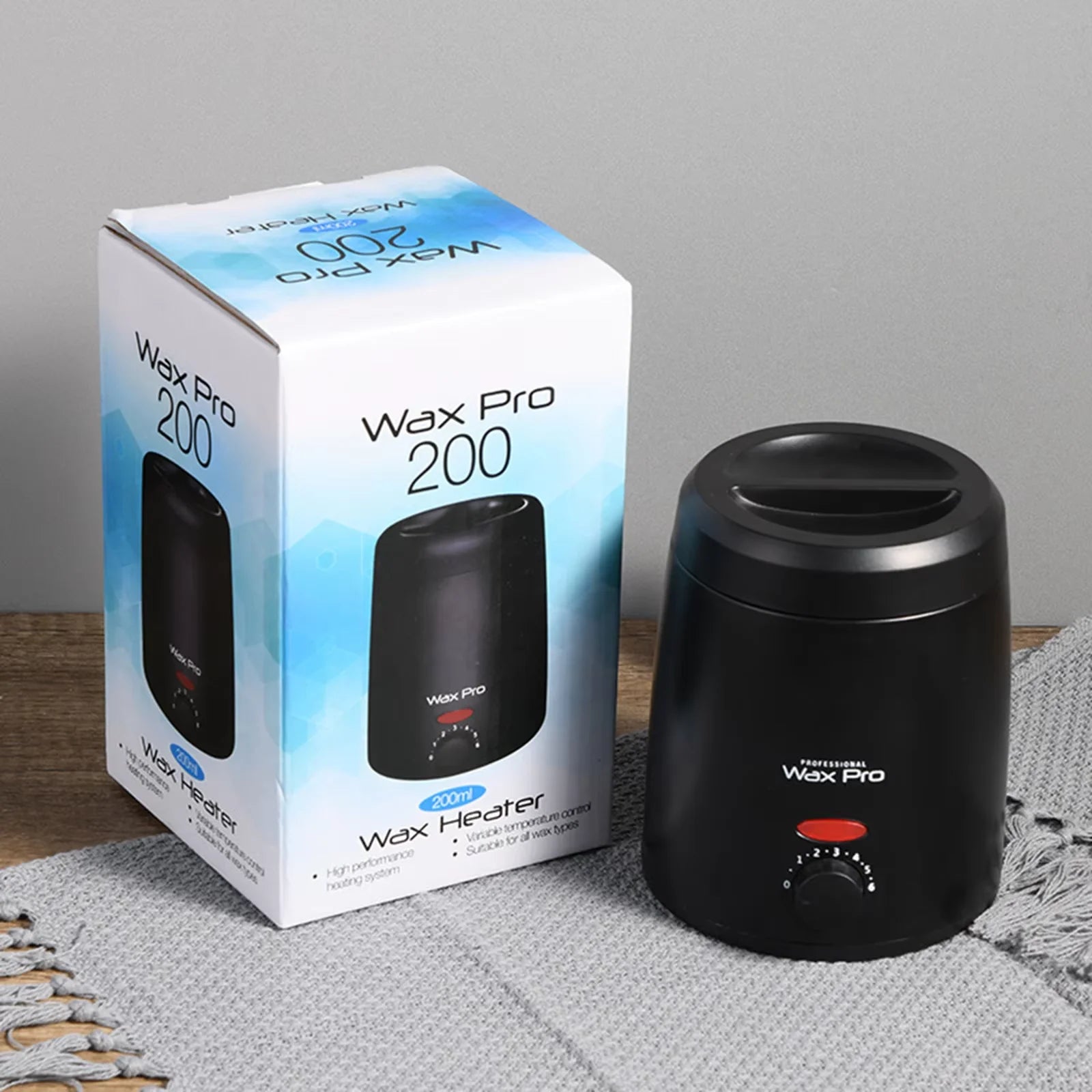
Electric melting pot for wax - KentDO See it in action
Cleaning, Maintenance, and Troubleshooting Your Wax Melter
Proper cleaning helps prevent old wax residue from affecting future projects and can make a candle wax melting pot easier to use over time. Always follow the cleaning instructions supplied with your specific model, particularly when the melter contains electrical components.
- Remove leftover wax promptly: Wax is generally easier to manage before a large amount of residue hardens.
- Use appropriate tools: Remove residue with methods recommended for the melter's materials and avoid damaging the interior surface.
- Keep electrical parts dry: Never immerse electrical components unless the manufacturer specifically states that it is safe.
- Check temperature performance: If wax is heating unusually slowly or unevenly, inspect the setup and refer to the product's troubleshooting instructions.
- Prevent residue buildup: Regular cleaning is easier than allowing multiple layers of hardened wax to accumulate.
- Store the melter properly: Keep it clean, dry, and protected from unnecessary impact when not in use.
If a wax melter does not reach the expected temperature, heats unevenly, or shows signs of electrical damage, stop using it and consult the manufacturer's instructions or support resources.
Common Beginner Mistakes When Using a Wax Melter
- Overheating wax: Excessive heat can affect the wax and may create unnecessary safety risks.
- Using the wrong temperature: Different waxes require different handling, so avoid assuming one setting works for every formulation.
- Overfilling the melting pot: Too much wax can increase the risk of spills and make pouring difficult.
- Pouring too quickly: Rushed pouring can lead to spills, uneven filling, or displaced wicks.
- Ignoring temperature monitoring: A control dial or preset setting does not remove the need to follow appropriate wax-handling guidance.
- Neglecting cleanup: Hardened residue can accumulate and make future use more difficult.
- Ignoring safety instructions: Always use the melter according to the manufacturer's instructions and keep the work area clear.
Small, controlled batches are often the easiest way for beginners to learn how a new wax and melter behave before increasing production volume.
Best Candle Making Equipment: Is a Wax Melter Worth It?
For many DIY candle makers, a dedicated wax melter is worth the investment because it can make repeated candle projects more efficient and consistent. The value is greatest when you make candles regularly rather than only once or twice.
For hobbyists: A compact electric melter can reduce setup time and make small batches easier to manage.
For small businesses: More consistent heating and faster batch preparation can improve workflow efficiency as order volume increases.
For beginners: A dedicated tool can reduce the complexity of moving between a heating container and a separate pouring container.
When to upgrade: Consider a larger or more advanced melter when your current capacity slows production, temperature control becomes limiting, or cleaning and pouring create repeated bottlenecks.
A candle making equipment wax melter is not the only essential tool. A thermometer, suitable containers, wicks, wick holders, a scale, fragrance materials, and appropriate safety equipment may also be important depending on your project. The best investment is the equipment that solves the biggest problem in your current workflow.
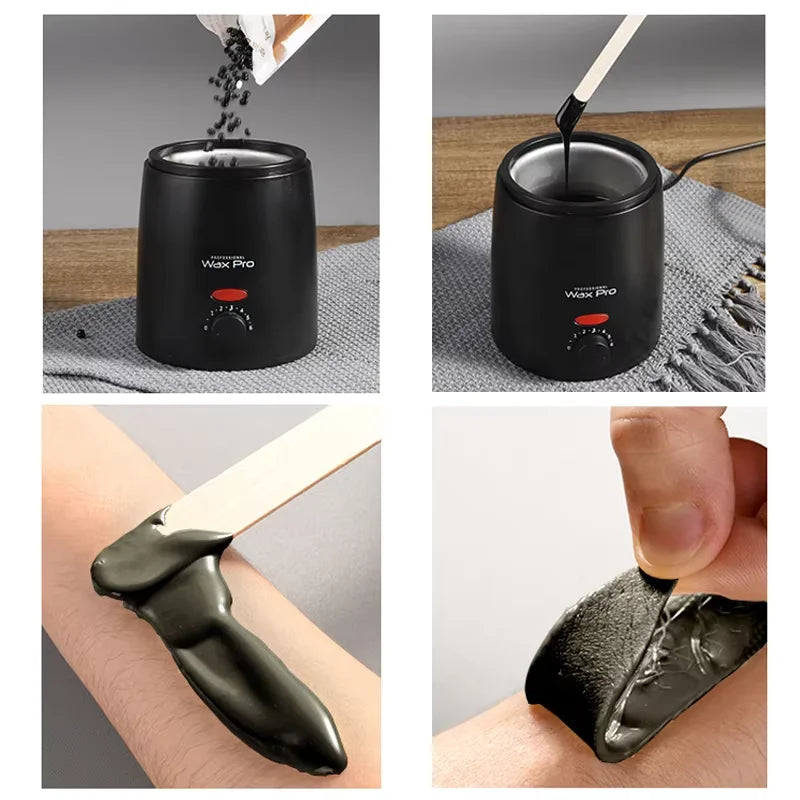
Homemade candle heater - KentDO See it in action
Get yours now — limited stock!
FAQ: Best Candle Wax Melter (Buyer Questions Answered)
What is the best wax melter for beginners?
The best wax melter for beginners is usually a compact electric model with straightforward controls, adjustable temperature settings, and a design that makes melting and pouring easy to manage. A smaller unit can also be easier to store and clean while you learn the candle-making process.
Can one wax melter handle soy, beeswax, and paraffin?
Many wax melters can handle common candle waxes such as soy, beeswax, and paraffin, but compatibility depends on the specific model and the wax manufacturer's instructions. Check the recommended temperature range and operating guidance before switching between wax types.
What size wax melter is best for a small candle business?
A small candle business should choose a capacity that matches its typical production volume. A medium-capacity wax melting pot for candles may be suitable for regular small batches, while larger production volumes may justify a larger electric melter that reduces repeated melting cycles.
How long does it take to melt candle wax?
Melting time depends on the wax type, amount of wax, starting temperature, melter capacity, and heating power. Smaller batches generally melt faster than large batches. Monitor the wax rather than relying on a fixed time for every project.
Do I need precise temperature control for candle making?
Precise temperature control is useful when you work with different waxes, make repeat batches, or want a more consistent process. It is not always essential for occasional small projects, but adjustable control can make a wax melter for DIY candles more versatile.
How do I clean hardened wax from a wax melter?
Follow the manufacturer's cleaning instructions and use a method appropriate for the melter's materials. Remove residue carefully, keep electrical components dry, and avoid tools or cleaning methods that could scratch or damage the container.
Is an electric wax melter better than a double boiler?
An electric wax melter is generally more convenient for regular candle making because it can simplify temperature management and pouring. A double boiler can be a lower-cost option for occasional small batches, but it typically requires more hands-on monitoring.
What temperature should candle wax be melted at?
There is no single melting temperature for every candle wax. Many common candle waxes melt within a broad range of approximately 120°F to 180°F, but the correct temperature depends on the specific wax and manufacturer recommendations. Always follow the instructions for the wax you are using.
Are electric wax melters safe?
Electric wax melters can be used safely when operated according to the manufacturer's instructions and monitored appropriately. Features such as adjustable temperature control, stable construction, and automatic shut-off may improve convenience, but users should still avoid leaving heating equipment unattended.
What size wax melter do I need?
Small melters are generally suitable for beginners and occasional projects, medium capacities work well for regular hobby batches, and larger units are more appropriate for frequent or higher-volume production. Choose based on your typical batch size rather than the largest batch you might make occasionally.
Related Guide: Hair Removal Wax Warmer Reviews: Which Works Best for Home Use













