

How Winter Affects Your Car Battery and What to Do About It
Winter is one of the toughest seasons for your vehicle's electrical system. Cold temperatures reduce battery performance, increase the power needed to start the engine, and expose weaknesses that may have gone unnoticed during warmer months. Understanding why car battery winter problems occur can help you avoid unexpected breakdowns and expensive emergency repairs.
This guide explains how freezing weather affects battery performance, why some batteries fail only in winter, the warning signs of a weak battery, and how to prevent your car battery from dying in winter with practical maintenance and driving habits.
Why Car Batteries Fail in Cold Weather
Car batteries generate electricity through chemical reactions between lead plates and sulfuric acid. As temperatures fall, these reactions slow significantly, reducing the battery's available power precisely when your vehicle needs more energy to start. Meanwhile, cold engine oil becomes thicker, forcing the starter motor to work harder and placing even greater demand on the battery.
For many vehicles, a fully charged battery can lose a substantial portion of its available starting power in freezing temperatures. At 32°F (0°C), a typical lead-acid battery delivers roughly 65% of its rated capacity, while at 0°F (-18°C), available capacity may drop to around 40%, making cold-weather starting much more difficult.
The Science Behind Cold Weather Battery Drain
Inside a lead-acid battery, sulfuric acid reacts with lead plates to produce electrical current. Low temperatures slow these electrochemical reactions, increase internal resistance, and reduce voltage output. Even a battery that appears healthy during mild weather may struggle to supply enough current for a cold engine, leading to car battery dead in cold weather situations.
Cold weather itself does not permanently damage a healthy battery. Instead, it exposes batteries that are partially discharged, aging, or already losing capacity. This is why many drivers experience their first battery failure during the season's first cold snap.
Common Winter Battery Issues Drivers Face
- Engine cranks slowly before eventually starting.
- Repeated clicking sounds when turning the ignition key.
- Battery fails to start the engine despite appearing charged.
- Dashboard warning lights flicker during cold morning starts.
- Voltage drops quickly after multiple short trips.
- Accessories such as headlights or the blower motor appear weaker before starting.
Signs Your Car Battery Is Weak or Dying in Winter
A failing battery rarely stops working without warning. Recognizing the early symptoms allows you to test or replace the battery before you're left stranded on a freezing morning.
Warning Lights and Dashboard Indicators
- Battery warning light remains illuminated after the engine starts.
- Charging system or check engine light appears alongside electrical issues.
- Battery voltage measures below approximately 12.4V after the vehicle has been resting.
- Voltage fluctuates noticeably when electrical accessories are switched on.
Unusual Vehicle Behavior in Cold
- Engine cranks noticeably slower than normal.
- Interior or dashboard lights dim while starting.
- Power windows and electronic accessories operate sluggishly.
- Car battery suddenly dead cold after several short trips that never fully recharge the battery.
- Vehicle requires multiple attempts before starting on freezing mornings.
How to Prevent Your Car Battery from Dying in Winter
Routine maintenance before temperatures drop is the most effective way to reduce winter breakdowns. These winter car battery tips focus on maximizing battery charge, minimizing unnecessary electrical load, and replacing aging batteries before they become unreliable.
Essential Winter Car Battery Maintenance Checklist
- Test battery voltage before winter and recharge if needed.
- Inspect battery terminals for corrosion and clean them using an approved battery terminal cleaner.
- Tighten cable connections to eliminate excess resistance.
- Verify the battery meets your vehicle's recommended cold-cranking amps (CCA).
- Inspect the battery case for swelling, cracks, or leaks.
- If applicable, check electrolyte levels according to the manufacturer's recommendations.
- Schedule a professional load test if the battery is more than three years old or has shown signs of weakness.
Driving Habits That Protect Battery Life
- Drive for at least 20–30 minutes whenever possible so the alternator can fully recharge the battery.
- Avoid repeated short trips where the battery loses more power during starting than it regains while driving.
- Turn off headlights, heated seats, and other high-draw accessories before shutting off the engine whenever practical.
- If the vehicle will sit unused for extended periods, consider using a quality battery maintainer to preserve charge.
Parking, Temperature, and Storage Tips
- Park inside a garage whenever available to reduce exposure to extreme cold.
- Use a sheltered parking space to limit wind chill and overnight temperature swings.
- Keep the battery fully charged, as a fully charged battery resists freezing far better than a discharged one.
- If storing the vehicle for several weeks, disconnect the battery or use a smart maintainer to reduce self-discharge.
Battery Age and Replacement Timing
Most automotive batteries provide reliable service for approximately three to five years, although lifespan varies with climate, driving habits, and maintenance. If your battery is approaching the upper end of that range and has already shown slow cranking during cold mornings, replacing it before winter often prevents unexpected failures.
Portable jump starters, battery maintainers, and smart battery monitors also provide an extra layer of protection during freezing weather. Devices designed for low-temperature operation can help you recover from a dead battery safely without relying on another vehicle, making them valuable additions to any winter emergency kit.
Emergency Fix: What to Do If Your Car Battery Dies in Winter
Quick Diagnostic Checklist
If your vehicle won't start on a cold morning, take a few minutes to identify the likely cause before attempting a jump-start. A simple inspection can help determine whether you're dealing with a discharged battery, poor electrical connections, or a different charging-system problem.
- Turn on the headlights or interior lights to see whether electrical power is available.
- Listen for slow cranking, rapid clicking, or complete silence when turning the key or pressing the start button.
- Inspect battery terminals for corrosion, loose clamps, or damaged cables.
- Measure battery voltage with a multimeter if one is available. A resting voltage below approximately 12.4V indicates the battery may need charging.
- Confirm no accessories, such as lights or chargers, were left on overnight.
Safe Jump-Starting in Cold Weather
If the battery is discharged but otherwise appears undamaged, a jump-start may safely get you back on the road. Always follow your vehicle manufacturer's recommendations and observe proper safety precautions.
- Wear insulated gloves and eye protection.
- Turn off both vehicles and all electrical accessories.
- Connect the positive (red) clamp to the positive terminal of the discharged battery.
- Connect the remaining clamps according to the jump starter or jumper cable instructions.
- Start the donor vehicle or activate the portable jump starter.
- Start the disabled vehicle and allow the engine to idle for several minutes.
- Disconnect the cables in the recommended order and drive for at least 20–30 minutes to help restore battery charge.
Never attempt to jump-start a battery that is cracked, leaking, frozen, or emitting a strong sulfur smell, as doing so may create a serious safety hazard.
When to Call Roadside Assistance
- The battery repeatedly dies after being jump-started.
- The vehicle will not crank even with a fully charged jump starter.
- You notice damaged battery cables, severe corrosion, or signs of battery leakage.
- You suspect the alternator or starter motor has failed.
- Weather conditions make roadside repairs unsafe.
For stranded situations, a portable jump starter rated for cold-weather operation can often restore power without requiring another vehicle, making it one of the most useful emergency tools to keep in your car during winter.
Best Portable Jump Starters for Winter (What Actually Matters)
Not every jump starter performs equally well in freezing temperatures. Instead of focusing solely on peak amp ratings, choose a model designed to deliver dependable starting power in cold weather while providing the safety features needed for emergency roadside use.
Key Features for Freezing Conditions
- High cold-weather starting performance with sufficient peak current for your engine size.
- Built-in reverse polarity, short-circuit, and overcurrent protection.
- Reliable lithium battery chemistry designed for low-temperature operation.
- Bright integrated LED flashlight with emergency or SOS mode.
- USB charging ports for phones and other essential devices.
- Compact design that stores easily in the trunk or emergency kit.
- Clear battery status indicators for quick readiness checks.
Top Recommended Models
- Compact Jump Starter: Best for compact cars and daily commuting where portability is the priority.
- Mid-Range Portable Unit: Well suited for sedans, crossovers, and family SUVs requiring a balance of power and size.
- Heavy-Duty Jump Starter: Designed for trucks, larger SUVs, and vehicles operated in extremely cold climates where additional starting power is beneficial.
FAQs: Car Battery Winter Problems
- Does winter drain a car battery? Cold weather does not directly drain the battery, but it slows the chemical reactions that produce electricity while increasing the power required to start the engine. The combination makes a weak battery much more likely to fail.
- Why does a car battery fail in winter? Lower temperatures reduce battery capacity, increase internal resistance, and force the starter motor to work harder because engine oil becomes thicker.
- How do I start a car with a weak battery in cold weather? Turn off unnecessary electrical accessories, attempt a normal start once or twice, then use properly connected jumper cables or a portable jump starter if the battery cannot provide enough starting current.
- Can I prevent my battery from dying during winter? Yes. Keeping the battery fully charged, cleaning the terminals, minimizing repeated short trips, and replacing an aging battery before winter significantly reduce the risk of failure.
- Does cold weather permanently damage a car battery? Cold alone usually does not damage a healthy battery. However, freezing temperatures can permanently damage a battery that is deeply discharged because the electrolyte may freeze.
- Why does my car battery die overnight in winter? Common causes include an aging battery, parasitic electrical drain, insufficient charging from repeated short trips, or a charging system problem.
- How long should a car battery last in cold climates? Most automotive batteries last between three and five years, although frequent freezing temperatures and heavy electrical demands may shorten their service life.
- Can a weak battery still start a car in summer but fail in winter? Yes. A battery with reduced capacity may function adequately in warm weather but lose enough available power in freezing temperatures to prevent the engine from starting.
- Is it better to replace a battery before winter starts? If your battery is nearing the end of its expected lifespan or has already shown signs of weakness, replacing it before winter is often more reliable than waiting for a cold-weather failure.
- How often should I drive my car to keep the battery charged in winter? Driving for at least 20 to 30 minutes several times each week generally allows the alternator to replenish the battery more effectively than frequent short trips.
⏱ 7 min read
Explore the approved portable jump starter solution below and choose a model that's ready for winter emergencies.

Portable car battery jump starter for dependable roadside starts in cold weather.
For drivers who want a compact emergency power source without relying on another vehicle, keeping a portable jump starter in your car provides added peace of mind during winter travel. Many motorists also store emergency gear alongside other everyday essentials from the Lifestyle collection.
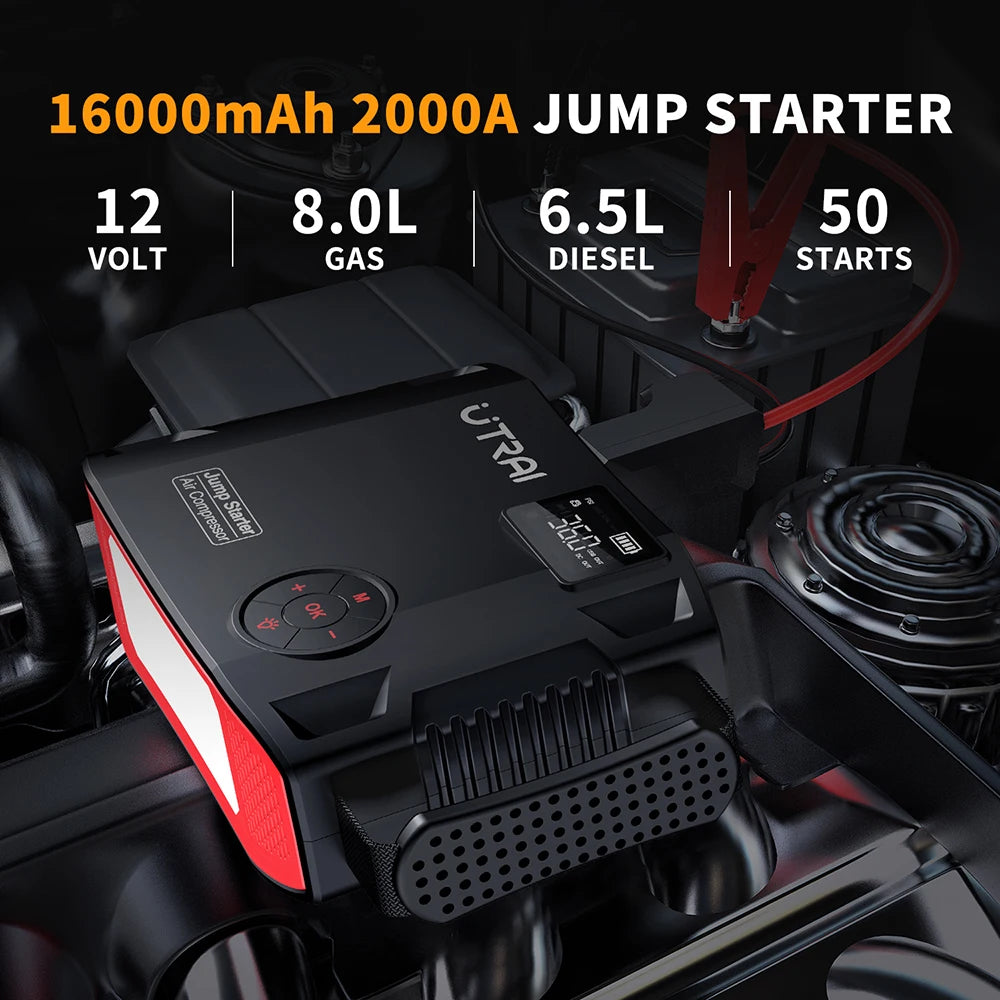
Portable jump starter with convenient charging and emergency features for year-round preparedness.
Many modern portable jump starters also include USB charging, integrated safety protection, and LED lighting, making them practical additions to any roadside emergency kit alongside other travel essentials available in the Body Care and Health Devices collection.
Drivers who regularly face freezing temperatures, long commutes, rural roads, or extended road trips benefit most from carrying a dedicated emergency jump starter. A reliable unit can eliminate the need to wait for another vehicle and provides added confidence during winter travel.
One practical option is the portable jump starter power bank , which combines dependable jump-start capability with convenient USB charging for phones and other essential devices.
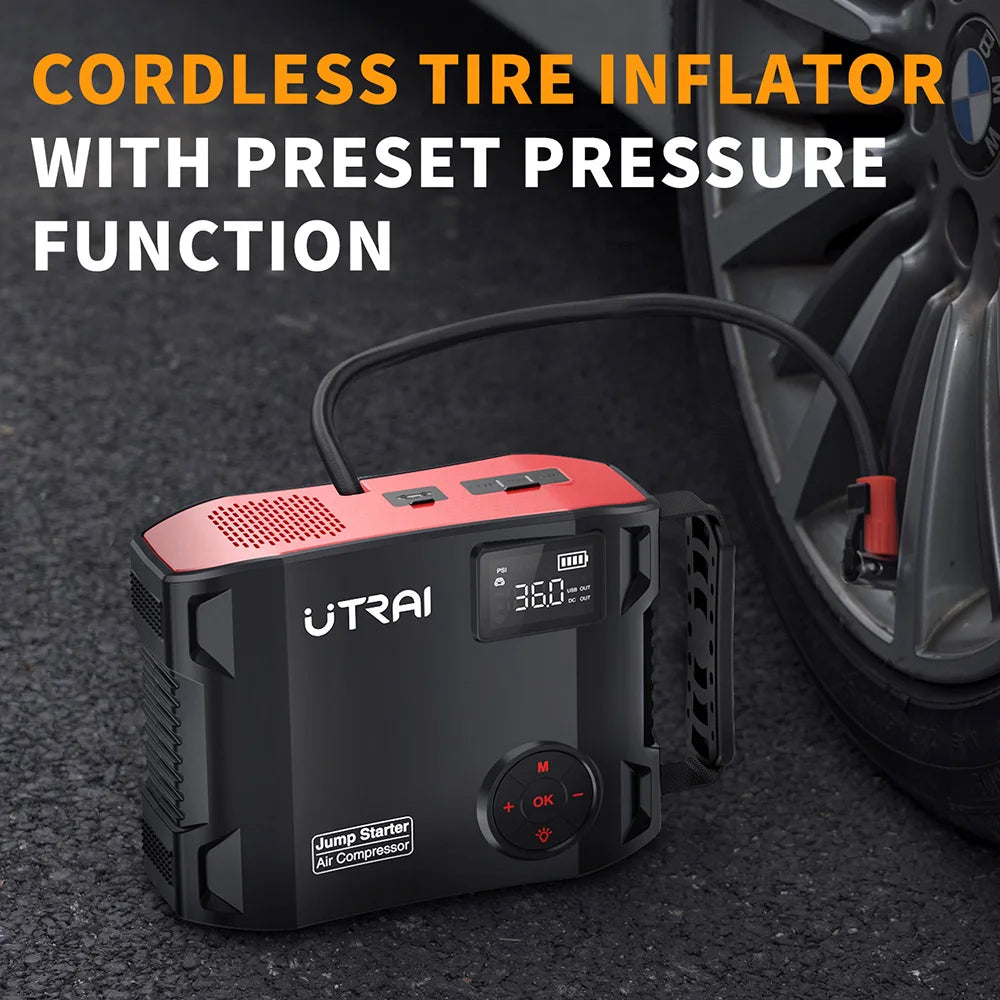
Emergency-ready portable car battery jump starter for dependable winter roadside assistance.
Related Guides:













