

⏱ 8 min read
Carbon Fiber Heating Elements: Benefits, Efficiency, Safety, and Technology Explained
Cold spots at your desk. Chilly evenings that interrupt sleep. Space heaters that feel harsh, noisy, or unsafe. If you've ever wondered why some heaters feel instantly comfortable while others simply blow hot air around the room, the answer often lies inside the heating element itself. Modern carbon fiber heating elements produce gentle infrared warmth that heats people and objects directly, offering faster comfort, quieter operation, and impressive energy efficiency for many indoor heating applications.
Explore what makes today's compact heaters feel so different.

Carbon fiber heater element delivering targeted comfort — See it in action
What are carbon fiber heating elements?
Carbon fiber heating elements are electrically conductive heating components made from bundles of carbon fibers. When electricity passes through these fibers, electrical resistance converts energy into heat. Most modern designs emit infrared radiation, making them popular in portable room heaters, industrial equipment, drying systems, incubators, and specialty heating applications where fast, even warmth is important.
Composition and material science
Unlike traditional metal resistance wires, carbon fiber heating elements use thousands of extremely fine carbon filaments woven or bundled together. These fibers are typically enclosed within protective quartz tubes or combined with ceramic supports that improve durability and electrical insulation.
The material offers several engineering advantages:
- Excellent resistance to thermal fatigue.
- Low thermal expansion, reducing stress during repeated heating cycles.
- High tensile strength despite lightweight construction.
- Stable performance across thousands of operating hours.
How carbon fiber heating elements work step by step
- Electric current flows through the carbon fibers.
- The electrical resistance creates heat through the Joule heating effect.
- The element quickly reaches operating temperature.
- Infrared energy radiates outward.
- People, furniture, floors, and nearby surfaces absorb the heat directly.
This explains how carbon fiber heaters work and why they often feel warm almost immediately after being switched on.
Heat generation and infrared radiation
An infrared carbon fiber heater transfers much of its energy through radiant heat instead of relying entirely on moving warm air. Because infrared energy warms solid objects first, rooms often feel comfortable sooner while experiencing fewer drafts than fan-driven heating systems.
Operating temperatures and performance characteristics
Carbon fiber elements generally operate at lower surface temperatures than many exposed metal heating elements while still producing effective radiant heat. This contributes to quieter operation, smoother heat delivery, rapid response to thermostat adjustments, and reduced thermal stress on the heating element itself.
Benefits of carbon fiber heating elements
High energy efficiency
One of the biggest carbon fiber heater element benefits is efficient heat delivery. Because infrared radiation warms people and nearby objects directly, less energy is wasted repeatedly heating large volumes of air. For bedrooms, offices, workshops, or personal workspaces, an energy efficient carbon fiber heater can often provide excellent comfort while reducing unnecessary energy consumption.
Fast heat-up and comfort
Carbon fibers have relatively low thermal mass, allowing the heating element to reach operating temperature within seconds. Users experience warmth quickly instead of waiting for an entire room's air temperature to rise.
Long lifespan and durability
The typical carbon fiber heater lifespan ranges from 10 to 15 years or longer under normal residential use. Carbon fibers tolerate repeated heating cycles well and resist oxidation better than many conventional heating elements.
Heat management and consistent performance
Excellent carbon fiber heat management allows these heaters to maintain more stable temperatures with fewer hot spots. The result is more consistent comfort, lower thermal stress on components, and improved long-term reliability.
Technical specifications and customization
Voltage and watt density
Carbon fiber heating elements are manufactured in numerous voltage ratings and power outputs. Residential portable heaters commonly operate on standard household voltage, while industrial systems may use higher voltages for larger heating loads. Watt density is selected according to the desired heating speed and application.
Infrared wavelength
Most carbon fiber heaters emit medium- to long-wave infrared radiation, producing gentle radiant heat suitable for occupied indoor spaces. This wavelength is valued because it provides comfortable warmth without creating excessively hot surfaces.
Operating limits
Manufacturers specify maximum operating temperatures, humidity limits, and recommended duty cycles. Staying within these specifications helps maximize efficiency and extend service life.
Custom sizes and configurations
Beyond consumer space heaters, carbon fiber heating elements can be produced in customized lengths, shapes, and power ratings for industrial ovens, drying systems, laboratory equipment, incubators, automotive components, and specialized manufacturing machinery.
Carbon fiber heating elements vs other heating technologies
Carbon fiber vs ceramic
In the comparison of carbon heater vs ceramic heaters , carbon fiber models generally deliver faster radiant warmth and quieter operation, while ceramic heaters often excel at heating circulating air with the assistance of a fan.
Carbon fiber vs nichrome
Nichrome wire remains one of the most common industrial heating materials because it is inexpensive and highly durable. Carbon fiber, however, typically offers quicker heat-up times and more comfortable infrared heating for occupied spaces.
Carbon fiber vs quartz and halogen
Quartz and halogen heaters can produce intense radiant heat very quickly but often operate at higher surface temperatures. Carbon fiber elements usually provide softer, more evenly distributed warmth that's better suited for prolonged indoor use.
Carbon fiber vs PTC
PTC (Positive Temperature Coefficient) heaters automatically regulate their own temperature, making them extremely safe and efficient. Carbon fiber heaters emphasize radiant comfort, whereas PTC heaters are commonly selected for consistent convective heating with automatic temperature control.
Advantages and disadvantages
Key advantages
- Rapid heat-up time.
- Quiet operation without constant fan noise.
- Comfortable infrared warmth.
- Long operating life.
- Excellent efficiency for localized heating.
- Lower surface temperatures than many exposed heating elements.
Carbon heater disadvantages
- Higher purchase price than many entry-level ceramic heaters.
- Radiant heat is most effective within a defined coverage area.
- Less suitable for rapidly heating large open rooms.
- Performance depends on proper placement and room layout.
When another heating technology is a better choice
If your goal is heating an entire large room as quickly as possible, a powerful ceramic, oil-filled, or central heating system may perform better. Carbon fiber heaters are strongest when providing efficient personal comfort or supplemental heating.
Applications of carbon fiber heating elements
Residential heating
Carbon fiber heaters are popular in bedrooms, home offices, living rooms, reading spaces, and home gyms where quiet, focused warmth is preferred over high-speed air circulation.
Industrial drying and process heating
Manufacturers use carbon fiber heating elements in drying tunnels, curing equipment, packaging lines, printing systems, textile processing, and composite manufacturing because infrared heating improves energy efficiency and process control.
Medical, laboratory and incubator equipment
Some laboratory instruments, incubators, rehabilitation devices, and medical warming systems incorporate carbon fiber heating because of its stable temperature characteristics and even heat distribution.
Automotive and specialty equipment
Carbon fiber technology also appears in automotive heating components, specialized electronics, agricultural equipment, greenhouse heating systems, and various portable infrared heating solutions.
Safety, maintenance and lifespan
Are carbon fiber heaters safe?
Yes. Properly certified carbon fiber heaters are considered safe for normal indoor use when operated according to the manufacturer's instructions. Many models include tip-over protection, overheat shutoff, cool-touch housings, and automatic temperature controls.
Maintenance requirements
Routine maintenance is minimal. Keep air inlets clean if your heater includes a fan, remove dust from protective grilles, inspect the power cord regularly, and store the heater in a dry location when not in use.
Factors affecting service life
The lifespan of carbon fiber heating elements depends on operating hours, power quality, environmental conditions, manufacturing quality, and avoiding repeated physical impacts during transport or storage.
Safe operating practices
- Keep combustible materials at the recommended clearance distance.
- Do not cover the heater while operating.
- Place the heater on a stable, level surface.
- Avoid extension cords unless approved by the manufacturer.
- Turn the heater off before cleaning or moving it.
Choosing the right carbon fiber heating element
Selecting by application
Choose portable infrared models for personal comfort, larger radiant units for medium-sized rooms, and industrial-grade heating elements for manufacturing or process heating applications.
Power and voltage requirements
Select wattage based on room size, insulation quality, ceiling height, and expected heating duration. Higher wattage increases heating capacity but should always match the available electrical supply.
Environmental considerations
Consider humidity, ventilation, dust exposure, and whether the heater will operate continuously or intermittently. Indoor residential heaters should also include recognized safety certifications.
Questions to ask suppliers
- What is the expected operating lifespan?
- Does the heater include tip-over and overheat protection?
- Is replacement service available?
- What warranty is provided?
- Is the heater intended for continuous indoor use?
For more guidance, explore our Lifestyle collection and portable electric fan heater options.
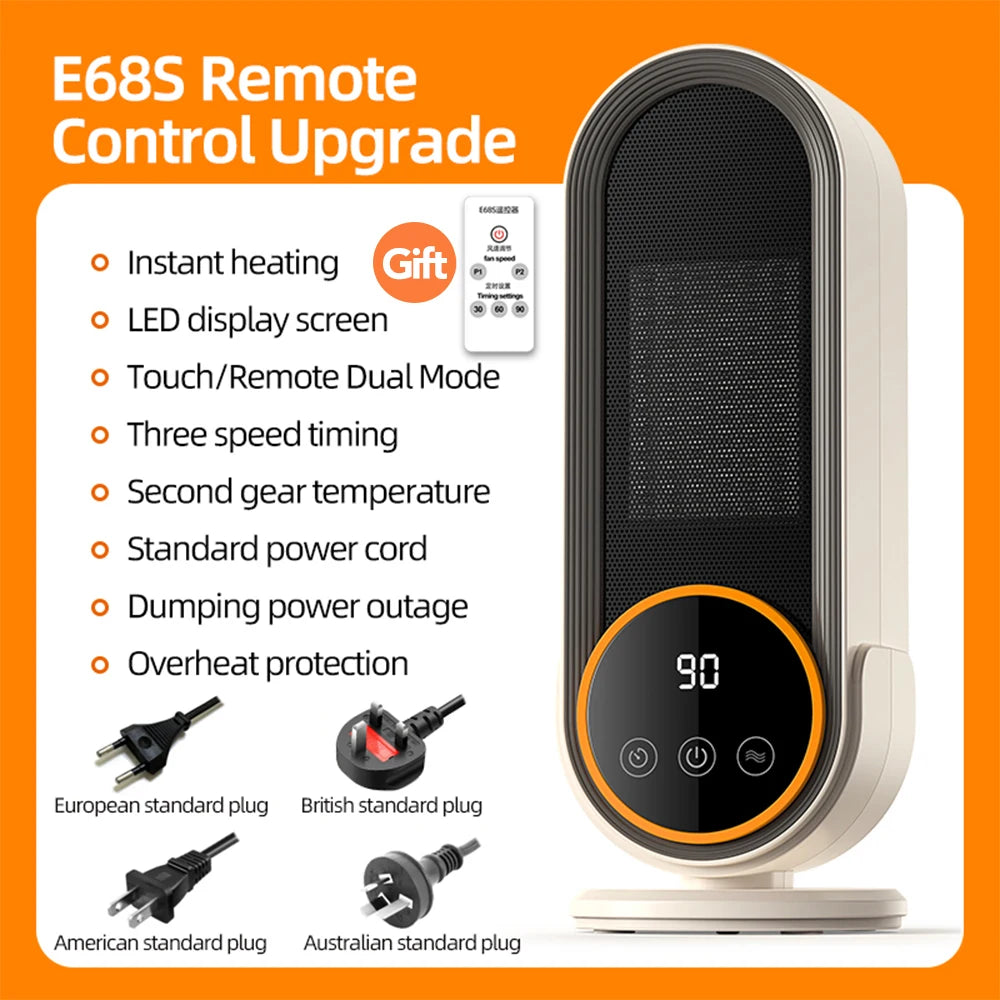
Carbon fiber heater vs traditional designs — See the difference
Enjoy safer, faster warmth exactly where you need it.
Frequently asked questions
What are carbon fiber heating elements made of?
They are made from bundles of conductive carbon fibers, usually protected by quartz tubes, ceramic supports, or composite materials that provide electrical insulation and structural stability.
How do carbon fiber heating elements generate heat?
Electric current passes through the carbon fibers, generating heat through electrical resistance. The heated element then emits infrared radiation that warms nearby people and objects directly.
Are carbon fiber heaters safe for continuous indoor use?
Yes, provided they are certified for indoor operation and used according to the manufacturer's safety instructions. Features such as overheat protection and automatic shutoff further improve safety.
How long do carbon fiber heating elements last?
Most quality carbon fiber heating elements provide a service life of approximately 10 to 15 years or longer under normal residential operating conditions.
Are carbon fiber heaters more energy efficient than ceramic heaters?
For localized heating, many users find carbon fiber heaters more efficient because radiant infrared heat warms occupants directly rather than relying primarily on heated air circulation.
What is the difference between carbon fiber and nichrome heating elements?
Carbon fiber emphasizes infrared radiant heating with rapid response and comfortable warmth, while nichrome is a metal resistance wire commonly used where durability and high operating temperatures are required.
What industries use carbon fiber heating elements?
Industries including manufacturing, food processing, printing, automotive, textiles, laboratories, agriculture, and electronics use carbon fiber heating technology for drying, curing, warming, and process heating.
What are the disadvantages of carbon fiber heaters?
The primary disadvantages are a higher initial purchase price and reduced effectiveness when heating very large open areas compared with high-capacity forced-air heating systems.













