

Do carbon fiber heating elements really provide faster warmth?
Carbon fiber heating elements deliver faster, more even warmth by spreading heat across a wider surface with minimal energy loss. Unlike metal wires, carbon fibers heat up in seconds, stay flexible, and maintain consistent temperatures, making carbon fiber heating elements ideal for warm electric gloves that need comfort, speed, and efficiency.
⏱ 8 min read
Carbon Fiber Heating Elements Explained: How They Work, Benefits, and Real-World Applications
Cold hands reduce comfort, focus, and performance—whether you're commuting, working outdoors, or enjoying winter sports. The difference between gloves that warm instantly and those that lag often comes down to carbon fiber heating elements, a modern solution engineered for fast, even, and efficient heat delivery.
Explore the science behind faster warmth and smarter comfort.
Lightweight carbon fiber heating elements power today’s heated tech gloves. See it in action
What Are Carbon Fiber Heating Elements?
Carbon fiber heating elements are advanced heating components made from thin strands of carbon fibers woven or layered into flexible sheets, wires, or films. Unlike traditional metal heating wires, these elements use conductive carbon materials to generate heat more evenly and efficiently.
Core Material Properties and Structure
Carbon fibers are composed of tightly bonded carbon atoms arranged in a crystalline structure. This gives them high electrical resistance, excellent thermal stability, and strong flexibility. These properties allow carbon fiber heating elements to bend, stretch, and distribute heat without breaking or overheating.
How Carbon Fiber Heating Elements Work (Electrical Resistance + Infrared Heat)
When electricity passes through carbon fibers, their natural resistance converts electrical energy into heat. At the same time, carbon fiber emits infrared radiation, which warms objects and the human body directly rather than just heating surrounding air. This dual mechanism improves both heat speed and efficiency.
The Science Behind Carbon Fiber Heating Technology
Electrical Resistance and Heat Generation
Carbon fiber heating works through resistive heating. As electrical current flows through the carbon structure, resistance slows electron movement and releases energy as heat. Compared to metal wires, carbon fibers provide more consistent resistance, which results in stable and predictable heat output.
Carbon Fiber Infrared Heating Explained
In addition to conduction heat, carbon fiber emits far-infrared radiation. This type of heat penetrates surfaces and warms objects directly, similar to sunlight. Infrared heating reduces heat loss to surrounding air and improves perceived warmth even at lower power levels.
Heat Distribution and Thermal Efficiency
Because carbon fibers can be spread across a wide surface, heat is distributed evenly rather than concentrated in hotspots. This improves comfort, reduces energy waste, and enhances overall thermal efficiency in applications like heated clothing and floor systems.
Benefits of Carbon Fiber Heating Elements
Faster Heat-Up Time
Carbon fiber elements heat up almost instantly due to their low thermal mass and efficient resistance properties. Users typically feel warmth within seconds, making them ideal for cold-weather applications.
Energy Efficient Heating Elements
Carbon fiber heating uses less energy to produce the same level of warmth compared to traditional systems. Infrared heat reduces energy loss, improving overall efficiency and extending battery life in portable devices.
Flexibility and Lightweight Design
Unlike rigid metal wires, carbon fiber can bend and flex without damage. This makes it perfect for wearable heating products such as gloves, jackets, and insoles.
Long Lifespan and Durability
Carbon fiber resists oxidation and mechanical fatigue better than metal. As a result, heating elements last longer and maintain consistent performance over time.
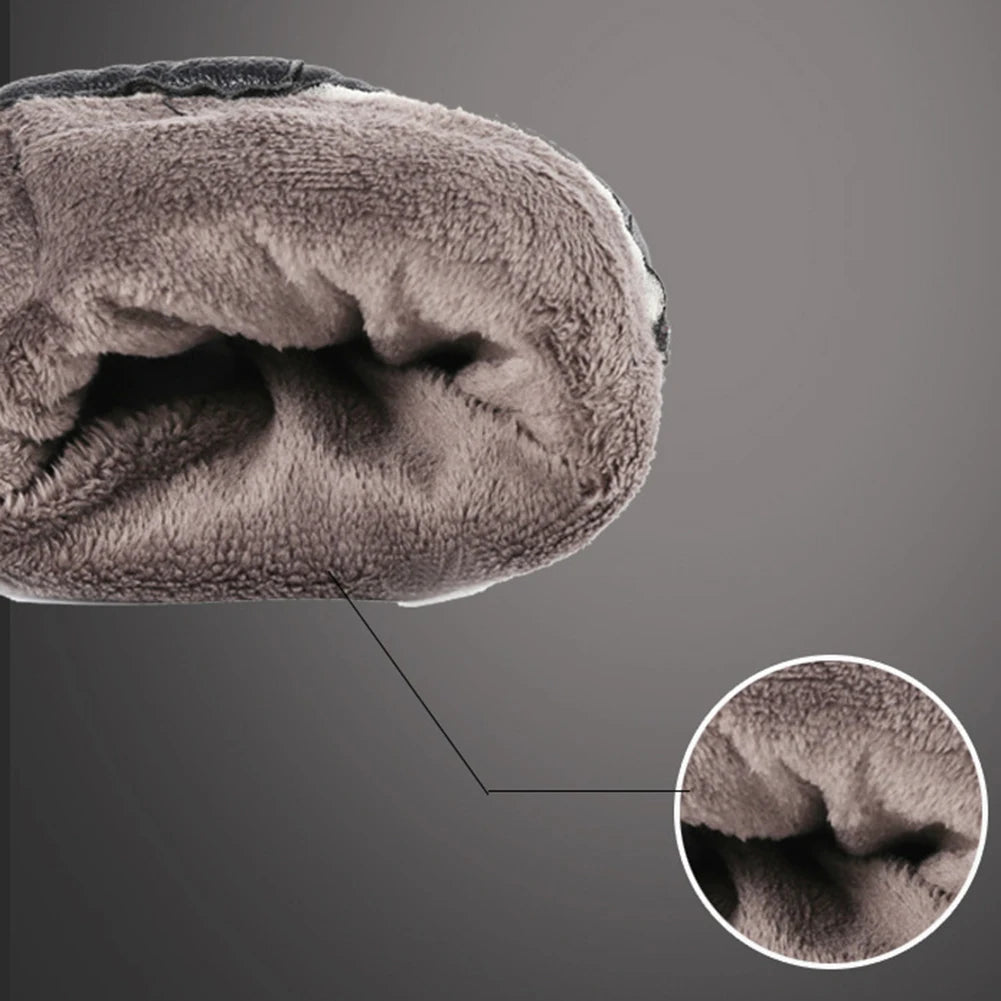
Even heat distribution inside warm electric gloves. See it in action
Carbon Fiber vs Traditional Heating Elements
Carbon Fiber vs Metal Wire Heating
Traditional heating elements use metal wires such as copper or nickel-chromium. These wires generate heat through resistance but tend to create uneven hotspots and are more prone to breakage when bent repeatedly. Carbon fiber, by contrast, distributes heat evenly and maintains performance under stress.
Performance, Efficiency, and Safety Comparison
- Heat Distribution: Carbon fiber provides uniform warmth; metal wires create localized hotspots.
- Efficiency: Carbon fiber uses less power due to infrared heat transfer.
- Flexibility: Carbon fiber is highly flexible; metal wires are rigid and fatigue over time.
- Safety: Carbon fiber operates at more stable temperatures with lower risk of overheating.
Carbon Fiber Heat Management and Safety
Temperature Regulation and Stability
Carbon fiber heating systems are designed to maintain stable temperatures over time. Many systems integrate sensors and controllers to prevent overheating and ensure consistent warmth.
Carbon Fiber Heating Safety Features
- Built-in insulation layers
- Automatic shut-off protection
- Low-voltage operation for wearables
- Stable heat output without spikes
Risks and Misconceptions
While generally safe, improper wiring or low-quality components can pose risks. However, compared to metal-based systems, carbon fiber is less likely to spark, corrode, or fail suddenly.
Applications of Carbon Fiber Heating Elements
Carbon Fiber Heating in Gloves and Wearables
Carbon fiber is widely used in heated gloves, jackets, and insoles due to its flexibility and fast heating. It provides consistent warmth without adding bulk, making it ideal for outdoor activities.
Floor Heating and Home Systems
Carbon fiber heating mats are used in underfloor heating systems. They deliver even heat across large surfaces and improve energy efficiency in residential spaces.
Automotive and Industrial Uses
In vehicles, carbon fiber heating is used in seat warmers and defrosting systems. Industrial applications include equipment heating, pipe insulation, and temperature control systems.
Why Carbon Fiber Heating Improves Heated Gloves Performance
Electric Heated Gloves Technology Explained
Heated gloves use embedded carbon fiber elements powered by rechargeable batteries. These elements are strategically placed across fingers and palms to ensure even heat distribution where it is needed most.
Real User Benefits in Cold Conditions
- Instant warmth in seconds
- No cold spots across fingers
- Longer battery efficiency
- Improved flexibility and grip
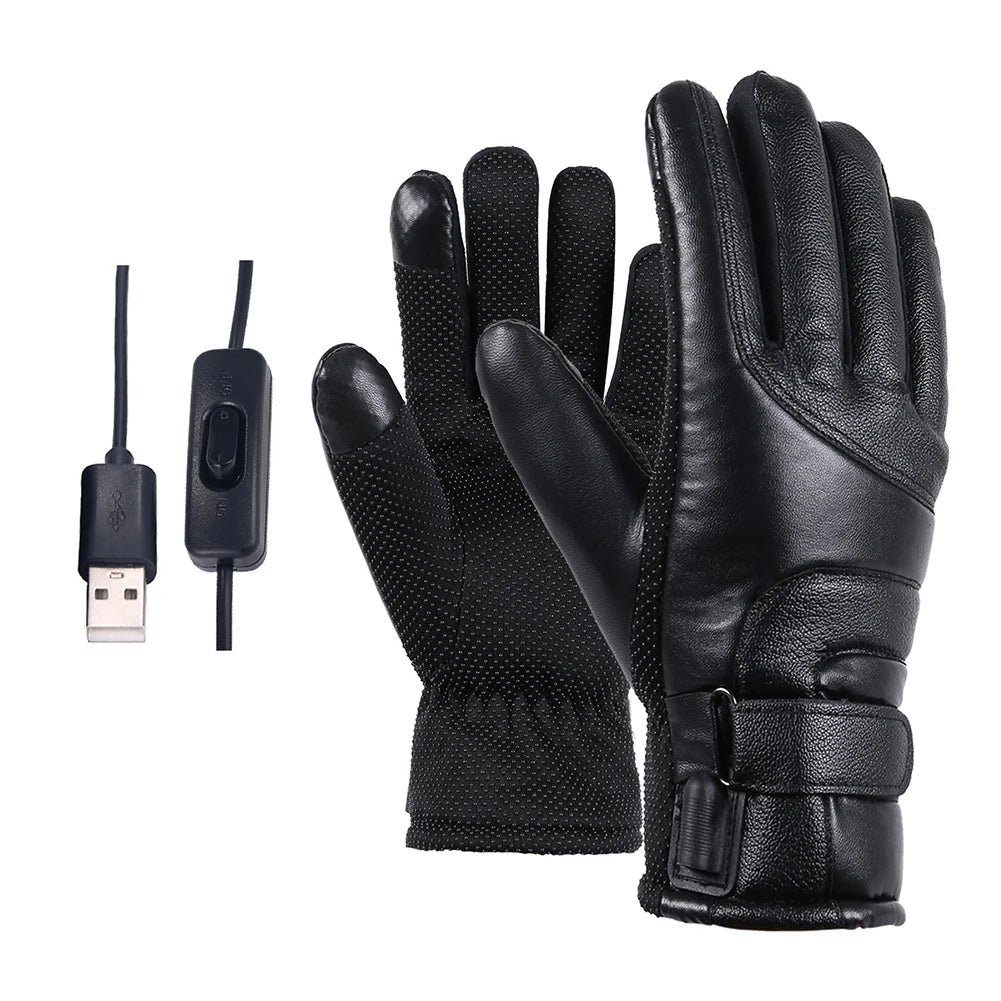
Explore how this technology is applied in practice with USB Heated Gloves , designed to deliver consistent warmth without sacrificing comfort.

Designed for everyday comfort and fast warmth. See it in action
Real-World Use Cases and Performance Results
Outdoor Work
Workers in construction, logistics, and landscaping benefit from consistent warmth without restricted movement.
Commuting and Travel
Motorcyclists and commuters experience reduced wind chill and faster comfort during daily routines.
Winter Sports
Skiers and hikers maintain dexterity and warmth, improving safety and enjoyment.
How to Choose Products Using Carbon Fiber Heating Elements
Key Buying Factors
- Heating coverage area and placement
- Material quality and insulation layers
- Temperature control settings
- Durability and flexibility
Battery Efficiency and Power Output
For wearable products, battery capacity directly affects heating duration. Efficient carbon fiber systems use less power, allowing longer usage times without increasing battery size.
For broader comfort-focused options, explore Body Care and Health Devices or lifestyle gear in Lifestyle .
Frequently Asked Questions
Are carbon fiber heating elements safe to use?
Yes, they are generally safe when properly manufactured. They operate at stable temperatures and often include built-in safety features like auto shut-off and insulation layers.
How long do carbon fiber heating elements last?
They typically last longer than metal heating wires due to resistance to corrosion and mechanical fatigue.
Do carbon fiber heating elements use a lot of electricity?
No, they are considered energy efficient because they convert electricity into heat effectively and minimize heat loss through infrared radiation.
Where are carbon fiber heating elements commonly used?
They are used in heated clothing, floor heating systems, automotive components, and industrial heating applications.
Final Thoughts: Why Carbon Fiber Heating Technology Stands Out
Carbon fiber heating elements represent a significant advancement in modern heating technology. By combining rapid heat-up time, energy efficiency, flexibility, and safety, they outperform traditional metal-based systems across multiple applications. Whether in wearable devices or home systems, this technology delivers consistent, reliable warmth designed for real-world performance.
Get yours now — limited stock!













