

A ceramic heating garment steamer can work better than a standard metal-heating model because it distributes heat more evenly, helping produce consistent steam with fewer hot spots. The result is faster wrinkle removal, better protection for delicate fabrics, and more reliable performance during everyday garment care. While ceramic heating improves steam stability, overall results also depend on steam output, temperature control, and proper technique.
⏱ 6 min read
How Garment Steamer Works: Complete Guide to Steam, Fabric, and Technology
Wrinkled clothes before work, delicate garments that are difficult to iron, or steamers that drip instead of producing smooth steam can all make fabric care frustrating. Learning how a garment steamer works helps you understand why some models remove wrinkles quickly while others struggle. In this guide, you'll discover how steam is generated, how it relaxes fabric fibers, why ceramic heating technology improves consistency, and how to achieve better results on everything from cotton shirts to silk blouses.
Discover the science, components, and techniques behind better garment care.
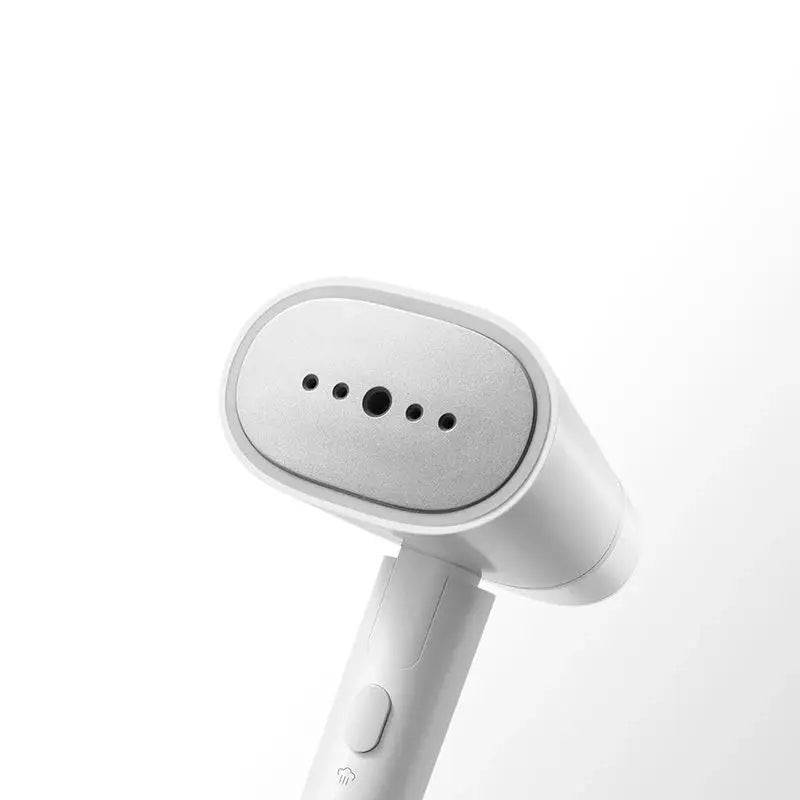
Garment steamer in action with smooth steam flow
What Is a Garment Steamer and What Does It Do?
A garment steamer is a fabric-care appliance that removes wrinkles by directing hot steam into clothing instead of pressing garments with a heated metal plate. Its primary garment steamer function is to relax fabric fibers so they naturally return to their original shape with minimal effort.
Unlike traditional irons that rely on dry heat and pressure, a garment steamer uses moisture and heat together. This gentler approach makes it an excellent steamer use for delicate fabrics such as silk, chiffon, wool, lace, velvet, and lightweight synthetics that may be damaged by direct contact with an iron.
Beyond wrinkle removal, garment steamers are commonly used to freshen clothing between washes, reduce light odors, remove minor creases from hanging garments, and steam curtains, upholstery, and other fabrics that are difficult to iron on a flat surface.
How Does a Garment Steamer Work?
Water Heating and Steam Generation
A garment steamer begins by heating water stored in its built-in reservoir. An internal heating element—typically stainless steel or ceramic-coated—raises the water temperature until it becomes steam. Modern handheld models are designed to heat quickly, often reaching operating temperature within one to two minutes while maintaining continuous steam production.
Steam Delivery Through the Nozzle
Once generated, steam travels through internal channels or a flexible hose before exiting the steamer head. Carefully designed steam vents distribute vapor evenly across the fabric, allowing wrinkles to be treated without soaking the material. A consistent steam flow is one of the biggest factors affecting overall steaming performance.
How Steam Relaxes Fabric Fibers
Understanding how a garment steamer works comes down to the interaction between heat, moisture, and fabric fibers. Steam penetrates the fibers, temporarily loosening the molecular bonds that hold wrinkles in place. As the fibers become more flexible, they gradually return to their natural alignment without requiring heavy pressure.
Natural fibers such as cotton and linen generally respond quickly because they absorb moisture readily, while synthetic fabrics like polyester may require a few additional passes before wrinkles relax completely.
Why Wrinkles Disappear
Once the fibers have softened, gravity helps pull the hanging garment into a smoother shape. This is why manufacturers recommend steaming clothes while they are suspended on a hanger rather than laid flat. Holding the fabric gently taut while moving the steamer downward in slow, even strokes further improves wrinkle removal and helps create a smooth, professional-looking finish.
Garment Steamer Technology Explained
Heating Element
The heating element is the heart of every garment steamer. Its job is to convert water into a continuous stream of hot vapor. Higher-quality heating systems recover temperature more quickly between steam bursts, helping maintain steady performance when steaming multiple garments.
Ceramic Heating Technology
A ceramic heating garment steamer uses a ceramic-coated heating surface that distributes heat more evenly than many conventional metal elements. More uniform heat reduces temperature fluctuations, minimizes hot spots, and helps generate consistent steam throughout each steaming session.
Because ceramic retains heat efficiently, it can also reduce water spitting and dripping while providing gentler treatment for delicate fabrics such as silk, rayon, chiffon, and wool. Even heating contributes to smoother wrinkle removal without exposing garments to sudden temperature spikes.
Water Tank and Pump
The water tank stores the supply needed for steam production, while the internal pump or gravity-fed system delivers water to the heating chamber at a controlled rate. Larger reservoirs allow longer steaming sessions with fewer refills, making them ideal for families or professional garment care.
Steam Nozzle Design
The nozzle is engineered to distribute steam evenly across the fabric. Well-designed steam channels help maximize coverage while preventing excessive moisture from collecting in one area. Wider steam heads generally cover larger garments more quickly, whereas compact handheld models offer better maneuverability for collars, cuffs, and detailed areas.
Does a Ceramic Heating Garment Steamer Really Work Better?
For many users, the answer is yes. Ceramic heating technology offers several practical improvements over standard metal heating elements, particularly when consistent steam output and fabric protection are priorities. However, heating material is only one factor that determines overall performance. Steam pressure, water capacity, nozzle design, and build quality also play important roles.
Advantages
- More even heat distribution: Ceramic surfaces spread heat uniformly, helping maintain stable steam production throughout use.
- Better protection for delicate fabrics: Reduced hot spots lower the risk of overheating sensitive materials during steaming.
- Consistent wrinkle removal: Steady steam output makes it easier to smooth stubborn creases with fewer passes.
- Reduced dripping: Stable operating temperatures can help minimize water spitting that may leave damp spots on clothing.
- Improved durability: Ceramic-coated components generally resist wear and mineral buildup better than basic heating plates when properly maintained.
Limitations
- Ceramic heating alone cannot compensate for a low-powered steamer with weak steam output.
- Performance still depends on regular cleaning and descaling to prevent mineral deposits from restricting steam flow.
- Premium ceramic-heating models may cost more than entry-level garment steamers.
- Very heavy fabrics, such as thick denim or linen with deep-set creases, may still require multiple passes or a traditional iron for crisp results.
Overall, a ceramic heating garment steamer is an excellent choice for users who regularly steam delicate clothing, want more consistent performance, or value smoother, more controlled steam during everyday garment care.
Garment Steamer vs Iron: What’s the Difference?
Steam vs Pressure
A garment steamer removes wrinkles by directing hot steam into fabric fibers, allowing them to relax naturally. An iron combines dry heat with downward pressure to flatten fibers and create crisp, permanent-looking creases. While both tools smooth clothing, they achieve results in different ways and are suited to different tasks.
Steamers are generally the safer option for delicate materials because the steamer head rarely stays in prolonged contact with the fabric. Irons, on the other hand, excel when precision and sharply pressed finishes are required.
When to Use Each
- Choose a garment steamer for silk, chiffon, wool, knitwear, dresses, jackets, curtains, and quick daily wrinkle removal.
- Choose an iron for dress shirts, uniforms, trousers, table linens, and garments that require crisp creases.
- Use both together if you want garments refreshed with steam before finishing collars or cuffs with an iron.
Benefits of Using a Garment Steamer
Home Use
The biggest benefits of a garment steamer are convenience and gentle fabric care. Because there is no ironing board to set up, most users can freshen clothes in just a few minutes before work, school, or travel.
- Quick wrinkle removal for everyday clothing.
- Suitable for delicate fabrics that may scorch under direct ironing.
- Minimal setup compared with traditional ironing.
- Helps refresh hanging garments, curtains, and upholstered fabrics.
- Produces a more natural drape without flattening textured materials.
Professional Use
A professional garment steamer is widely used in fashion boutiques, hotels, costume departments, dry cleaners, and photography studios because it delivers efficient wrinkle removal across large volumes of clothing while helping preserve fabric quality.
- Continuous steam for repeated use throughout the day.
- Less risk of shine marks or scorching on delicate garments.
- Effective for dresses, suits, uniforms, curtains, and display clothing.
- Speeds up garment preparation before events or retail presentation.
Travel and Convenience
Compact handheld steamers have become popular travel companions because they take up less space than a traditional iron and allow clothing to be refreshed directly on a hanger. For business trips or vacations, they provide a practical solution for removing wrinkles after unpacking.
- Lightweight and easy to pack in luggage.
- No ironing board required.
- Ideal for hotel rooms, apartments, and small living spaces.
- Useful for quick touch-ups before meetings, weddings, or special occasions.
Does Steam Sanitize Clothes?
What Steam Can Do
Many people ask, does steam sanitize clothes? The answer is partially. High-temperature steam can help reduce certain bacteria, dust mites, and odor-causing microorganisms while freshening fabrics between washes. It also loosens light dirt and helps eliminate stale smells trapped in clothing.
For garments that have only been worn briefly, steaming is an effective way to refresh appearance and improve freshness without running a full wash cycle. This makes garment steamers especially useful for suits, dresses, jackets, uniforms, and delicate fabrics that are washed less frequently.
What Steam Cannot Do
Although steam provides a level of sanitization, it should not be considered a substitute for laundering when clothing is heavily soiled or requires complete disinfection. Steam does not reliably remove oils, stains, body fluids, or all disease-causing microorganisms.
For the best clothing care routine:
- Use steaming to remove wrinkles and reduce everyday odors.
- Wash garments according to their care labels when dirt, sweat, or stains are present.
- Follow manufacturer instructions for fabrics requiring special cleaning methods.
How to Use a Garment Steamer Correctly (Step-by-Step)
- Fill the water reservoir with clean water. Distilled water is recommended in hard-water areas to help reduce mineral buildup.
- Turn on the steamer and allow it to reach full operating temperature before steaming.
- Hang the garment on a sturdy hanger so the fabric can fall naturally.
- Hold the steamer in an upright position and move the steam head slowly from top to bottom.
- Keep the fabric slightly taut with your free hand while maintaining a safe distance from the steam outlet.
- Allow the garment to dry for a minute or two before wearing or storing it.
Learning how to use a garment steamer correctly improves wrinkle removal, helps protect delicate fabrics, and ensures consistent steam performance. Always keep the appliance upright during use to minimize water leakage.
Learn more care tips in Beauty & Self-Care Blog or explore options in Lifestyle .
Garment Steamer Safety Tips You Should Know
- Keep hands, face, and other exposed skin away from the steam outlet to avoid burns.
- Never overfill the water tank beyond the recommended maximum level.
- Operate the garment steamer only in an upright position unless the manufacturer specifies otherwise.
- Unplug the appliance after each use and before refilling or cleaning.
- Allow all components to cool completely before emptying the tank or storing the unit.
- Keep the steamer out of reach of children and pets while it is heating or producing steam.
- Always check garment care labels before steaming delicate or specialty fabrics.
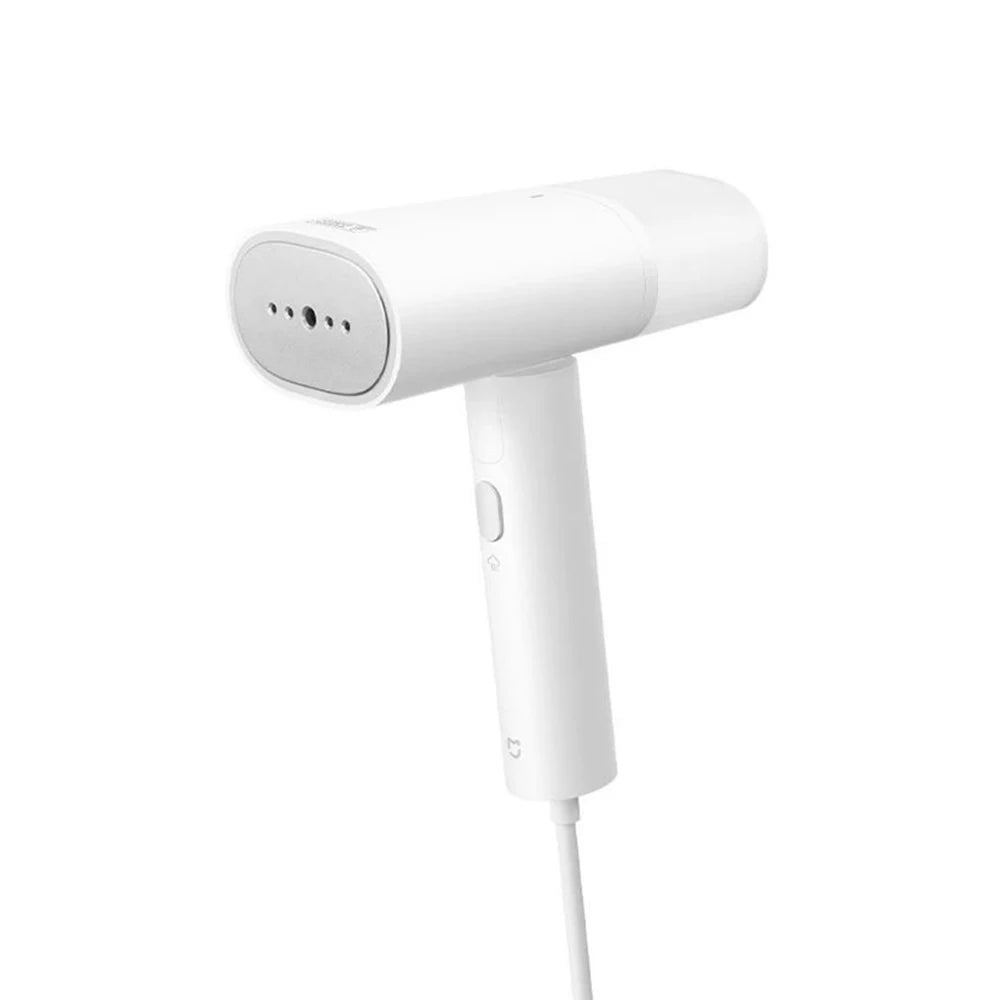
Professional-level steaming results at home
Frequently Asked Questions
What is a steamer used for?
A garment steamer is primarily used to remove wrinkles, refresh fabrics, reduce light odors, and improve the appearance of clothing without applying direct pressure. It is also suitable for steaming curtains, upholstery, and hanging garments that are difficult to iron.
How does a garment steamer work?
A garment steamer heats water until it becomes steam, then directs that steam through a nozzle onto fabric. The combination of heat and moisture relaxes fabric fibers, allowing wrinkles to release naturally while the garment hangs.
How hot is steam from a garment steamer?
Most garment steamers produce steam at approximately 200°F to 212°F (93°C to 100°C) by the time it reaches the nozzle. Actual temperatures vary by model, steam output, and distance from the fabric.
Does steam sanitize clothes?
Steam can help reduce certain bacteria, dust mites, and odor-causing microorganisms while refreshing garments. However, it should not be considered a complete replacement for laundering or disinfecting heavily soiled clothing.
Can a garment steamer replace an iron?
For everyday wrinkle removal, many people can use a garment steamer instead of an iron. However, an iron remains the better choice for creating crisp creases, pressing dress shirts, and finishing structured garments.
Is a ceramic heating garment steamer better?
A ceramic heating garment steamer generally provides more even heat distribution, steadier steam production, and improved protection for delicate fabrics compared with many basic metal-heating models. Overall performance still depends on factors such as steam output, water capacity, and overall build quality.
Can you use a garment steamer on all fabrics?
Most washable fabrics—including cotton, polyester, wool, silk, rayon, and chiffon—can be steamed safely when the manufacturer's care instructions permit it. Always check the garment's care label before steaming specialty fabrics such as leather, suede, waxed materials, or items with heat-sensitive embellishments.
How often should you clean a garment steamer?
For regular household use, empty the water tank after each session and descale the steamer every one to three months, depending on water hardness and frequency of use. Routine maintenance helps maintain strong steam output and extends the life of the heating system.
Ready to upgrade your routine? Explore the handheld garment steamer and enjoy smoother, safer fabric care.













