

Do Cervical Traction Devices Really Work?
Yes—cervical traction devices can work for the right type of neck pain. They gently stretch the cervical spine to reduce pressure on spinal discs and nerve roots, improve mobility, and relieve muscle tension. Research suggests cervical traction is most beneficial for some people with cervical radiculopathy, posture-related neck pain, and mechanical neck pain when combined with exercise or physical therapy. While it is not a cure for every neck condition, cervical traction at home may provide longer-lasting relief than massage alone because it targets spinal compression rather than only relaxing tight muscles.
What the Clinical Evidence Says
Clinical studies indicate that cervical traction may help reduce pain and improve function in carefully selected patients, particularly those experiencing nerve-related symptoms. Results are generally strongest when traction is used alongside rehabilitation exercises instead of as a standalone treatment. Benefits often develop gradually over days or weeks rather than after a single session.
Who Is Most Likely to Benefit
- People with posture-related neck discomfort
- Individuals experiencing cervical radiculopathy or pinched nerves
- Those with recurring mechanical neck pain and stiffness
- Desk workers who develop compression from prolonged sitting
What Cervical Traction Cannot Do
Cervical traction cannot reverse arthritis, permanently repair damaged discs, or replace medical treatment for serious spinal disorders. It is designed to reduce pressure, improve movement, and ease symptoms—not permanently correct every underlying condition. If neck pain follows trauma, is accompanied by weakness or numbness that worsens, or is associated with fever or loss of coordination, seek medical evaluation before attempting home traction.
Cervical Traction Device vs Massager: Which Works Better for Neck Pain?
Neck pain often develops gradually from long hours at a desk, poor posture, repetitive movement, or accumulated stress. If you're deciding between a cervical traction device and a neck massager, the biggest difference isn't how relaxing each feels—it is whether the device is designed to reduce spinal compression or simply ease muscle tightness. Understanding how each option works makes it easier to choose the right tool for your symptoms.
⏱ 6 min read
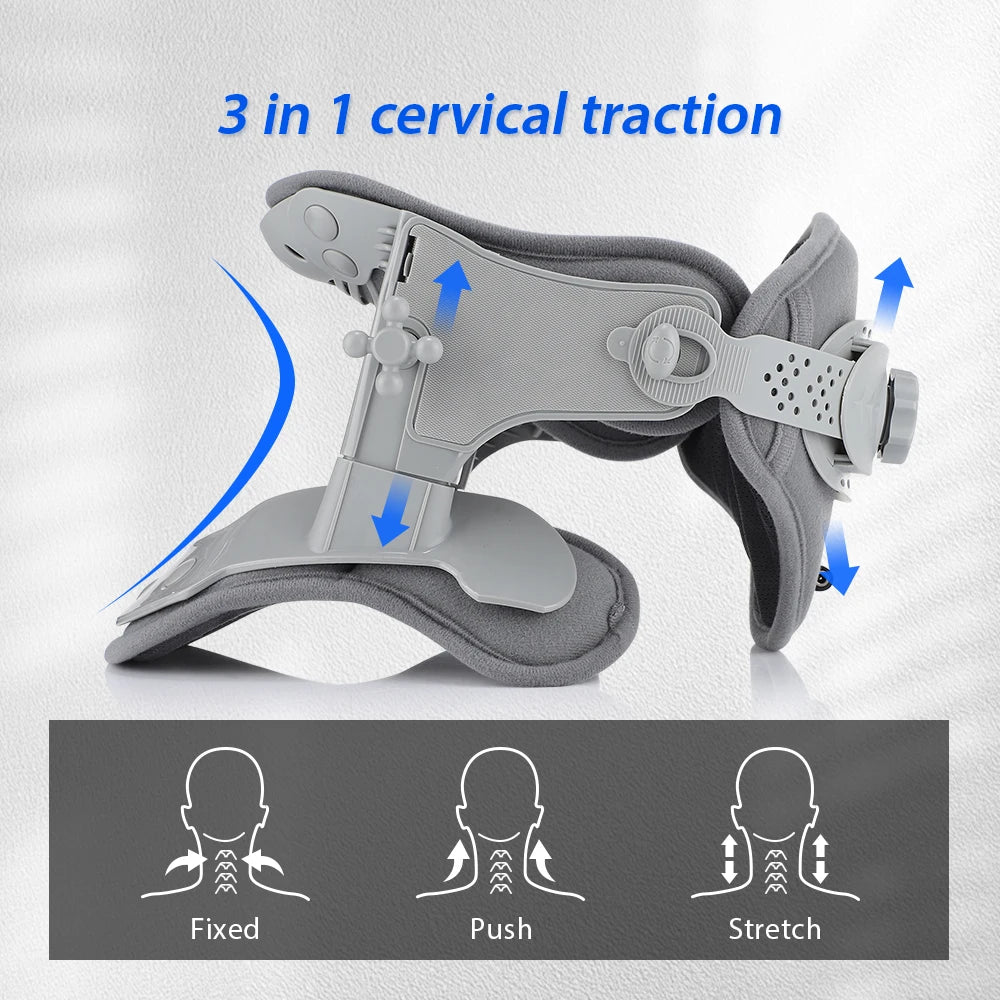
Cervical traction devices for home use support alignment and pressure relief — See it in action
Quick Comparison: Cervical Traction Device vs Neck Massager
Key Differences at a Glance
- Cervical traction device: Gently separates the cervical vertebrae to reduce pressure on spinal discs and nerve roots while supporting better alignment.
- Neck massager: Uses kneading, vibration, percussion, or heat to relax tight muscles and temporarily improve circulation.
- Primary purpose: Traction addresses spinal compression; massage targets muscle tension and stress.
- Best use cases: Traction is often preferred for persistent, posture-related pain or nerve irritation, while massagers are ideal for occasional stiffness and muscular soreness.
- Relief profile: Massage usually feels effective within minutes, whereas cervical traction often provides more gradual but potentially longer-lasting symptom improvement.
Traction vs Massage for Different Types of Neck Pain
Choosing between a cervical traction device vs massager depends largely on what is causing your discomfort. If pain comes from tight muscles after work, travel, or exercise, a neck massager may be all you need for quick relief. If symptoms are associated with prolonged poor posture, nerve irritation, or spinal compression, traction may provide greater long-term benefit because it aims to reduce mechanical stress on the cervical spine rather than simply relaxing surrounding muscles.
How Each Device Works (Mechanism Explained)
How Cervical Traction Decompresses the Spine
A cervical traction device gently stretches the neck to create a small amount of space between the vertebrae. This temporary decompression can reduce pressure on spinal discs, facet joints, and nearby nerve roots while allowing tight muscles to relax. The goal is to improve mobility, decrease nerve irritation, and support recovery in people with mechanical neck pain or certain forms of cervical radiculopathy.
Because traction targets the underlying mechanics of the cervical spine instead of only masking symptoms, many users notice better mobility and longer-lasting comfort with consistent, appropriately guided use.
How Neck Massagers Stimulate Muscles and Blood Flow
Neck massagers work by applying vibration, kneading rollers, percussion, or heat to soft tissues surrounding the neck and shoulders. These actions help relax overworked muscles, improve local circulation, and temporarily reduce the sensation of stiffness and tension.
While massage can be highly effective for stress-related muscle tightness, it does not decompress the cervical spine or correct structural compression. For people whose pain originates primarily from muscles, however, it remains an excellent option for fast, convenient symptom relief.
Cervical Traction Device Benefits and Limitations
Potential Benefits
The benefits of cervical traction depend on the underlying cause of your symptoms and consistent, appropriate use. For people with posture-related neck pain, mechanical neck pain, or certain types of cervical nerve irritation, traction may help reduce pressure within the cervical spine while improving comfort and mobility.
- Temporarily reduces pressure on spinal discs and nerve roots
- May improve cervical alignment and overall neck mobility
- Helps relieve chronic neck pain and persistent stiffness for some users
- Supports recovery alongside exercise or physical therapy for selected conditions
- Can reduce muscle guarding by gently stretching surrounding soft tissues
- Suitable for structured home sessions lasting approximately 5–15 minutes
Limitations of Current Research
Although studies suggest cervical traction can be effective, results are not identical for everyone. Most research finds the greatest improvements when traction is combined with rehabilitation exercises, posture correction, or supervised treatment rather than being used alone.
- Evidence is strongest for selected patients with cervical radiculopathy and mechanical neck pain.
- Home traction devices may provide symptom relief, but long-term outcomes vary between individuals.
- Traction reduces symptoms rather than permanently correcting disc degeneration or arthritis.
- Finding the proper device settings and treatment frequency often requires patience and gradual adjustment.
Risks and Who Should Avoid It
Although cervical traction is generally considered safe when used correctly, it is not appropriate for every medical condition. Individuals with significant spinal instability or certain underlying diseases should seek medical advice before beginning home treatment.
- Not recommended for people with severe osteoporosis or weakened bones.
- Avoid use following a recent neck fracture, acute injury, or cervical instability.
- Consult a healthcare professional if you have rheumatoid arthritis, spinal tumors, severe osteoporosis, recent surgery, or unexplained neurological symptoms.
- Stop treatment immediately if traction increases pain, causes dizziness, worsening numbness, weakness, or changes in balance.
Neck Massager Benefits and Limitations
Benefits of Neck Massagers
Neck massagers are designed to relax muscles rather than change spinal alignment. They can be an excellent choice for people whose discomfort comes primarily from stress, muscle fatigue, or prolonged sitting.
- Provides quick relief from muscle tightness and tension
- Encourages local blood circulation and tissue relaxation
- Convenient for use at home, in the office, or while traveling
- May help reduce stress-related neck and shoulder discomfort
- Often complements stretching, posture correction, and exercise programs
Safety Concerns and Who Should Avoid Them
Neck massagers are generally safe when used according to the manufacturer's instructions, but excessive pressure or prolonged sessions may aggravate sensitive tissues.
- Avoid using excessive force over the front or sides of the neck.
- Do not use directly over inflamed, bruised, infected, or recently injured tissue.
- Use caution if you have nerve sensitivity, reduced sensation, implanted medical devices, or chronic neurological conditions.
- Limit sessions to the recommended duration to avoid soreness or skin irritation.
Cervical Traction Device vs Massager: Side-by-Side Comparison
Effectiveness
| Feature | Cervical Traction Device | Neck Massager |
|---|---|---|
| Main function | Spinal decompression and cervical alignment support | Muscle relaxation and circulation |
| Primary target | Discs, joints, and nerve pressure | Muscles and soft tissues |
| Relief duration | Often longer-lasting with consistent use | Usually immediate but temporary |
| Best for | Chronic neck pain, posture strain, cervical radiculopathy, nerve compression | Stress, muscle tightness, occasional stiffness |
| Daily use | Structured sessions of about 5–15 minutes | As needed within recommended session limits |
| Cost and convenience | Requires learning proper setup but supports regular home therapy | Simple to operate with minimal setup |
Safety
Both devices are considered safe for many healthy adults when used correctly. Traction requires greater attention to proper positioning and medical contraindications, while neck massagers mainly require avoiding excessive pressure and injured tissues.
Best Candidates
If your symptoms include radiating arm pain, recurring posture-related discomfort, or signs of cervical compression, a traction device may offer greater long-term benefit. If your pain mainly feels muscular after work, exercise, or stress, a neck massager is typically the simpler and more appropriate first choice. Some people achieve the best results by using massage to relax tight muscles before performing a gentle cervical traction session.
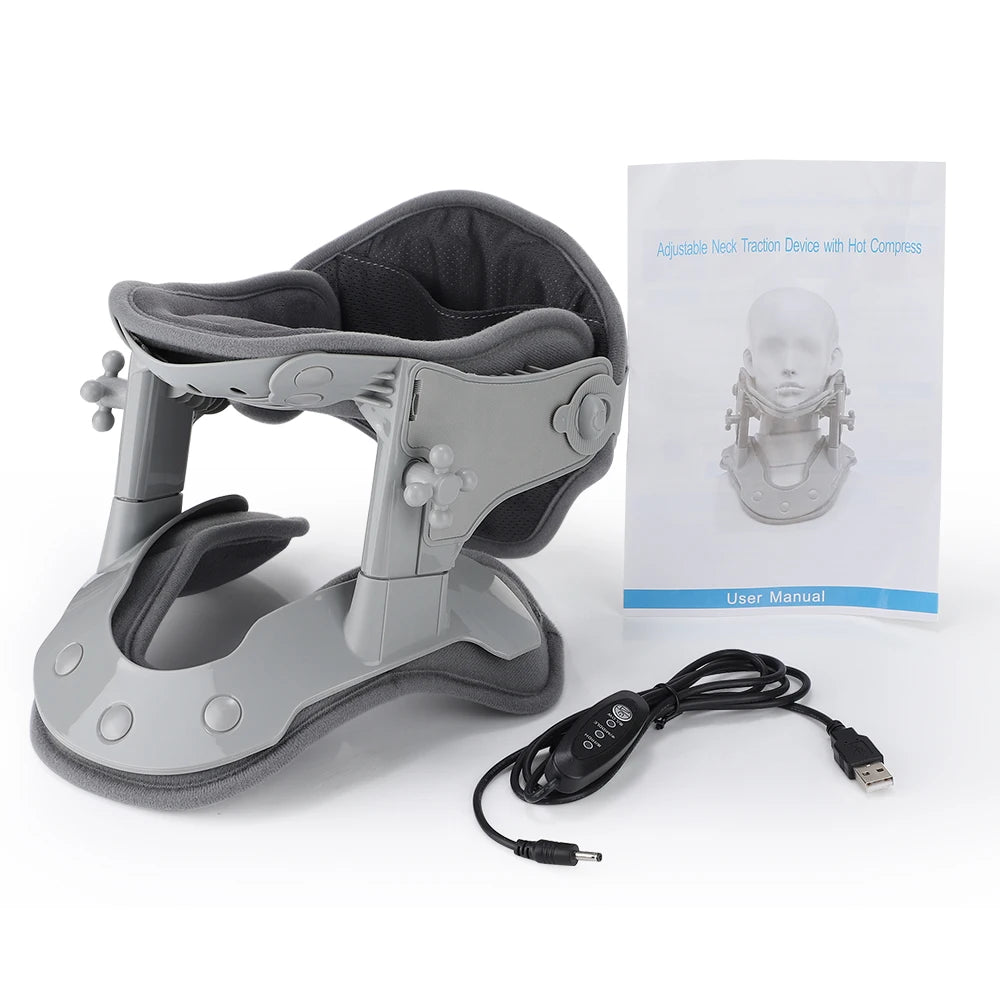
Cervical traction at home supports daily decompression — Explore real-life use
Which Is Better for Your Condition? (Decision Guide)
For Herniated Disc or Nerve Compression
If your symptoms include radiating arm pain, numbness, tingling, or a diagnosis such as cervical radiculopathy or a herniated disc, a cervical traction device is generally the more appropriate option. By gently decompressing the cervical spine, traction may reduce pressure on irritated nerve roots and improve mobility. Many healthcare providers recommend traction as one component of a broader treatment plan that may also include physical therapy, posture correction, and strengthening exercises.
For Muscle Tension and Stress Pain
When discomfort is caused primarily by muscle tightness, stress, or prolonged computer use, a neck massager is usually the better first choice. Massage promotes muscle relaxation, improves circulation, and provides rapid symptom relief without specifically targeting the spinal joints or discs. Pairing massage with regular stretching and ergonomic improvements often delivers the best results.
For Posture-Related Chronic Pain
People whose neck pain gradually develops from forward head posture or extended desk work often benefit more from cervical traction than massage alone. While massage relieves muscle tension, traction helps reduce compression that may contribute to persistent stiffness. Combining traction with posture correction exercises and workstation adjustments offers the greatest opportunity for long-term improvement.
For Occasional Stiffness vs Daily Pain
Occasional stiffness after sleeping awkwardly, traveling, or working long hours can often be managed with a neck massager and gentle mobility exercises. However, if pain recurs frequently, lasts for several weeks, or repeatedly interferes with daily activities, a cervical traction device may be a more appropriate long-term solution. Persistent symptoms should be evaluated by a healthcare professional to determine the underlying cause.
Can You Combine Both for Better Results?
Yes. Many people experience better overall results by combining massage and cervical traction because each therapy addresses a different source of neck discomfort. Massage helps relax muscles and reduce guarding, while traction focuses on reducing pressure within the cervical spine.
A practical routine is to use a neck massager first for 10 to 15 minutes to loosen tight muscles, followed by a gentle cervical traction session lasting approximately 5 to 15 minutes. Relaxed muscles may allow traction to feel more comfortable and effective.
Keep these precautions in mind when combining treatments:
- Begin with gentle massage rather than aggressive pressure.
- Follow with cervical traction using conservative settings, especially if you are new to home traction.
- Stop either treatment if symptoms worsen, dizziness develops, or numbness increases.
- Avoid combining treatments immediately after an acute neck injury unless advised by a healthcare professional.
- Consistency is generally more beneficial than using either therapy at high intensity.
For people experiencing both muscular tension and posture-related compression, this combined approach can provide immediate comfort while supporting longer-term improvements in neck mobility and function.
How to Use Cervical Traction at Home Safely
Step-by-Step Guide
Proper technique is essential for safe and effective cervical traction at home. Begin with the manufacturer's instructions and increase intensity gradually rather than attempting aggressive stretching.
- Lie on a firm, supportive surface in a comfortable position.
- Place the cervical traction device beneath your neck according to the product instructions.
- Adjust the height, angle, or air pressure slowly until you feel a gentle stretch—not pain.
- Keep your shoulders relaxed and breathe normally throughout the session.
- Remain in traction for approximately 5–15 minutes unless your healthcare provider recommends otherwise.
- Rise slowly after the session and give your neck a few minutes to readjust before resuming normal activities.
Consistency usually produces better results than increasing force. Gentle, regular sessions are generally more effective than infrequent, high-intensity stretching.
When to Stop Immediately
Discontinue cervical traction if you experience any of the following:
- Sharp or worsening neck pain
- Increasing numbness, tingling, or weakness in the arms or hands
- Dizziness, lightheadedness, or blurred vision
- Loss of balance or coordination
- Any symptom that feels significantly worse than before treatment
When to Seek Medical Care
Home traction is not a substitute for medical evaluation. Contact a healthcare professional if neck pain persists despite several weeks of conservative treatment, frequently returns, or is accompanied by progressive neurological symptoms, severe headaches, fever, unexplained weight loss, or pain following significant trauma.
How to Use a Neck Massager Safely
Neck massagers are generally safe when used appropriately, but following a few simple precautions helps reduce the risk of soreness or irritation.
- Limit each session to about 10–20 minutes unless otherwise directed by the manufacturer.
- Start with the lowest comfortable intensity before increasing pressure.
- Avoid placing excessive pressure over the front of the neck, bony areas, or sensitive nerves.
- Do not use a massager on inflamed, bruised, infected, or recently injured tissue.
- Stop treatment if pain increases or if numbness, dizziness, or unusual discomfort develops.
Combining massage with stretching, posture improvement, and regular movement throughout the day often provides more lasting relief than relying on massage alone.
Final Verdict: Which Should You Choose?
If your symptoms are mainly caused by muscle tension, stress, or occasional stiffness, a neck massager is an effective choice for fast, convenient relief.
If your discomfort is persistent, posture-related, or associated with spinal compression or nerve irritation, a cervical traction device is generally the better option because it targets the mechanical source of pain rather than only the surrounding muscles.
For many people, the most balanced approach is using both therapies strategically—massage to relax tight muscles and cervical traction to support spinal decompression and longer-lasting symptom improvement.
Is a Cervical Traction Device Worth Trying?
If recurring neck pain is affecting your work, sleep, or daily activities, a cervical traction device may be worth considering as part of a broader self-care plan. Unlike massage alone, cervical traction is designed to gently reduce pressure on the cervical spine while supporting better alignment and mobility. It is most appropriate for people with posture-related discomfort, mechanical neck pain, or selected cases of nerve irritation rather than isolated muscle soreness.
Good Candidates
- People with recurring posture-related neck pain
- Individuals experiencing mechanical neck stiffness that returns frequently
- Desk workers looking for structured cervical traction at home
- Those following a treatment plan recommended by a healthcare professional
Who Should Choose Other Treatments
- People whose symptoms are caused mainly by temporary muscle tightness may benefit more from massage, stretching, and exercise.
- Individuals with severe osteoporosis, spinal instability, recent cervical trauma, or certain neurological conditions should seek medical advice before using traction.
- Anyone with worsening weakness, loss of coordination, or severe neurological symptoms should obtain prompt medical evaluation rather than relying on home treatment.
Questions to Ask Before Buying
- Is my neck pain likely caused by muscle tension or spinal compression?
- Will I realistically use the device several times each week?
- Has a healthcare professional recommended cervical traction for my condition?
- Would combining traction with posture correction and exercise provide greater benefit?
Explore the cervical traction device designed for comfortable home use. It also pairs well with other recovery tools available in the Body Care and Health Devices collection.
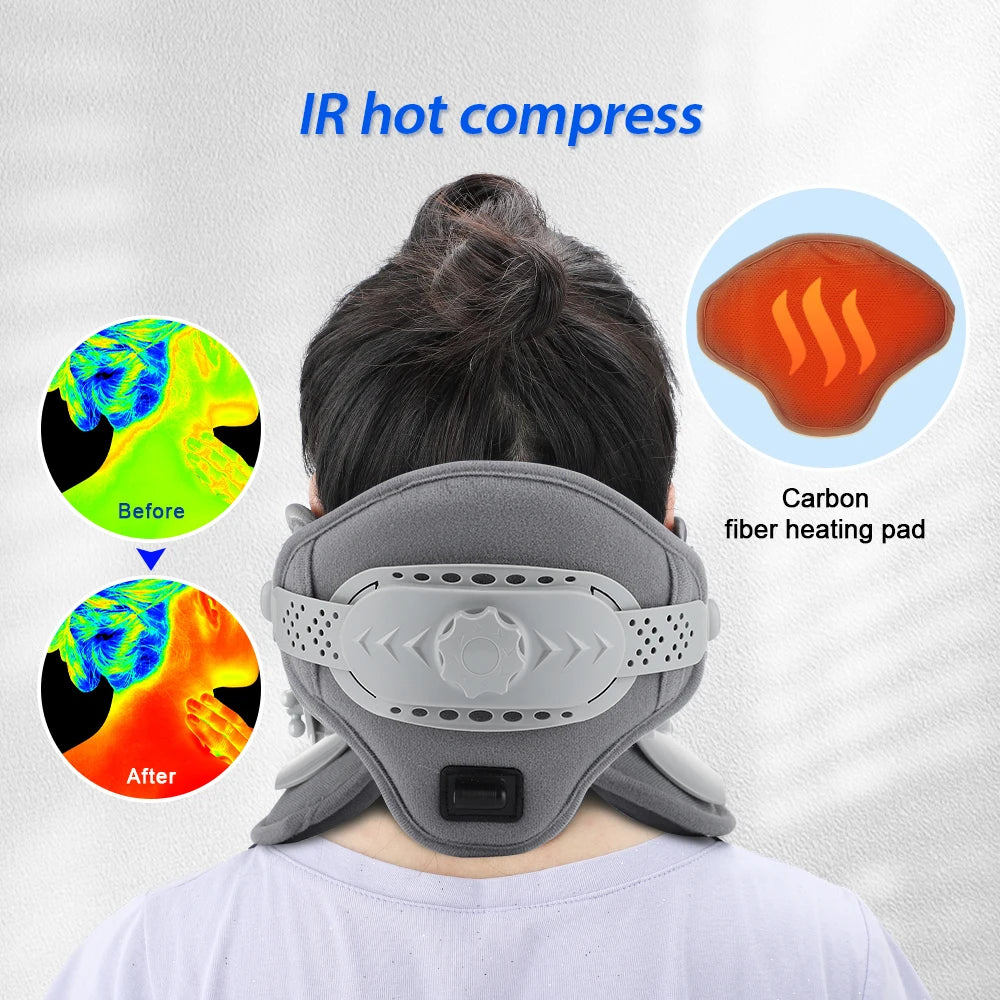
A cervical traction device designed for comfort and alignment — See details
Quick Answers to Common Questions
How long does cervical traction take to work?
Some people notice reduced stiffness after the first few sessions, while others require several days or weeks of consistent use before experiencing meaningful improvement. Results depend on the underlying cause of the neck pain and whether traction is combined with exercise and posture correction.
How often should you use cervical traction?
Many home users begin with sessions lasting 5–15 minutes several times per week, following the device instructions or their healthcare provider's recommendations. Daily use may be appropriate for some individuals, but treatment frequency should always remain comfortable and symptom-guided.
Can cervical traction make symptoms worse?
Yes. If traction is used incorrectly or is unsuitable for your condition, it can increase pain or neurological symptoms. Stop immediately if you experience worsening pain, numbness, weakness, dizziness, or other unusual symptoms, and seek medical advice.
Does a neck stretcher really work?
A neck stretcher or cervical traction device can be effective for selected people with mechanical neck pain, posture-related discomfort, or certain cases of cervical radiculopathy. Its effectiveness depends on proper use, correct diagnosis, and realistic expectations rather than the device alone.
Can traction replace physical therapy?
No. Cervical traction is best viewed as a complementary treatment. Research generally shows better outcomes when traction is combined with strengthening exercises, mobility work, ergonomic improvements, and professional guidance when appropriate.
Are neck massagers safe?
Yes. Neck massagers are generally safe when used according to the manufacturer's instructions. Avoid using them over inflamed or injured tissue, and discontinue treatment if pain or neurological symptoms increase.
Related Guide: Neck Massager Portable Compared for Workday Relief













