

How do you choose power bank heated apparel that works safely and lasts?
Choose power bank heated apparel by matching your heated gear to the correct voltage, current output, and connector type recommended by the manufacturer. Instead of focusing on battery capacity alone, verify the power bank's output rating, USB compatibility, and built-in safety protections. Using the correct battery powered heated clothes power source helps deliver consistent warmth, longer runtime, and reliable everyday performance.
Heated Gilet How to Use: Step-by-Step Setup Guide
If your heated gilet isn't warming evenly, switches off unexpectedly, or delivers less heat than expected, the problem is often an incompatible power bank or an incorrect setup sequence. This guide explains heated gilet how to use correctly, including first-time setup, battery connection, heat control, and safe shutdown, so you can enjoy dependable warmth throughout the day.
⏱ 7 min read
Quick Start: How to Use a Heated Gilet in 5 Simple Steps
Step 1: Charge the Battery
Fully charge the battery before using your heated gilet for the first time. Most USB heated clothing is designed to operate with a stable 5V/2A output , although some premium models require different specifications. Beginning with a fully charged battery provides more consistent heating and maximizes runtime.
Step 2: Connect the Battery
Locate the USB cable inside the dedicated battery pocket and connect it securely to the power bank. Before switching the garment on, confirm the cable is fully inserted and the battery is positioned comfortably so it will not move during walking or outdoor activities.
Press and hold the power button for approximately 2–3 seconds until the LED indicator illuminates. Many heated vests briefly preheat on the highest setting before allowing you to select a preferred temperature.
Step 4: Select the Heat Level
Press the control button to cycle through the available heat settings, typically low, medium, and high. Starting on a lower setting helps conserve battery life while allowing the heating panels to warm gradually. Increase the temperature only if additional warmth is needed.
Step 5: Turn Off and Disconnect
When finished, press and hold the power button until the LED turns off. Disconnect the battery before storing the garment, transporting it, or preparing it for cleaning. Proper shutdown helps prevent unnecessary battery drain and protects the USB connection.
How Does Heated Clothing Work?
Heating Elements
Heated clothing contains lightweight carbon fiber heating panels or conductive fabric elements positioned across key areas such as the chest, upper back, shoulders, and sometimes the collar. These locations are chosen to warm the body's core efficiently while maintaining comfort and flexibility.
Temperature Controller
A built-in controller regulates the amount of electrical current flowing through the heating elements. The LED button lets you switch between multiple heat settings, making it easy to balance warmth with battery life depending on weather conditions.
Power Delivery
When a compatible USB power bank is connected, electricity flows safely through the heating elements, converting electrical energy into gentle, even heat. Stable voltage and sufficient current are essential for consistent performance, which is why using the recommended power source matters more than battery capacity alone.
- Power source: USB power bank with compatible voltage and current output
- Heating elements: Flexible carbon fiber heating panels
- Control system: Multi-level temperature button with LED status indicators
This efficient heating system delivers targeted warmth without the bulk of heavy insulation, making heated gilets a practical choice for commuting, hiking, outdoor work, and everyday winter wear.
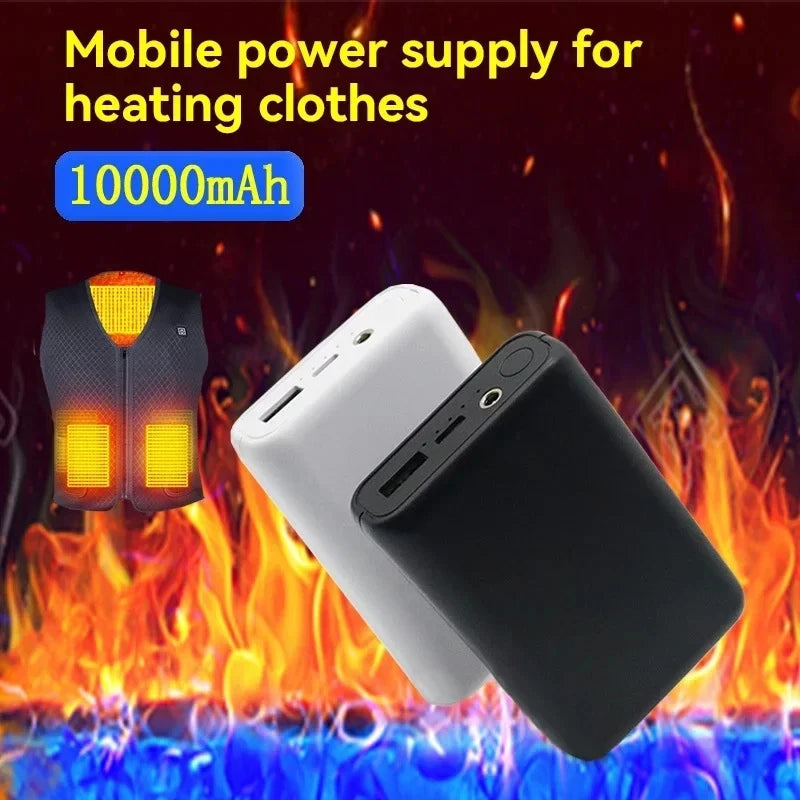
Choose power bank heated apparel for dependable daily warmth and confidence. See it in action.
Heated Jacket Power Bank Setup
Proper heated jacket power bank setup improves heating performance, extends battery runtime, and reduces the risk of unexpected shutdowns. Before each use, confirm that your battery meets your garment's recommended voltage and current requirements.
Locate the Battery Pocket
Most heated jackets and gilets include a dedicated inner pocket that keeps the power bank secure while you move. Place the battery inside this compartment to prevent cable strain and maintain a comfortable fit throughout the day.
Connect the USB Cable
Attach the garment's USB connector firmly to the power bank. A loose connection is one of the most common reasons for intermittent heating. Ensure the cable is not twisted, pinched, or stretched before zipping the pocket closed.
Verify LED Indicators
After connecting the battery, press the power button and confirm the LED indicator lights up correctly. While colors vary by manufacturer, most heated garments use a simple system:
- Red: High heat for rapid warming.
- White or Purple: Medium heat for balanced comfort and runtime.
- Blue or Green: Low heat for maximum battery efficiency.
- Select a compatible power bank with at least a stable 5V/2A USB output unless your garment specifies otherwise.
- Charge the battery fully before heading outdoors.
- Connect the USB cable securely inside the garment.
- Store the power bank in its dedicated inner pocket.
- Power on the garment and choose the most suitable heat setting for current weather conditions.
Always read the care label and user manual supplied with your heated clothing. Some premium heated jackets require USB-C Power Delivery or higher voltage systems, so compatibility should always be verified before use.
Power Bank Input vs Output Explained Simply
Understanding Output Ratings
When selecting a power bank for heated clothing , output specifications matter more than battery capacity alone. Most USB heated apparel operates on a stable 5V supply and requires sufficient current to keep the heating elements working consistently. If the output voltage drops or the current cannot be maintained, your vest may produce less heat or switch itself off as a safety precaution.
Input Matters for Recharging
Input ratings determine how quickly the power bank itself can recharge. A faster charging input means less waiting between uses, which is especially useful if you rely on heated clothing for commuting, outdoor work, or winter recreation on consecutive days.
| Feature | Why It Matters |
|---|---|
| Output Voltage | Provides consistent power to the heating elements for stable warmth. |
| Output Current | Supports reliable heating performance without unexpected shutdowns. |
| Input Speed | Reduces recharge time and improves convenience for frequent use. |
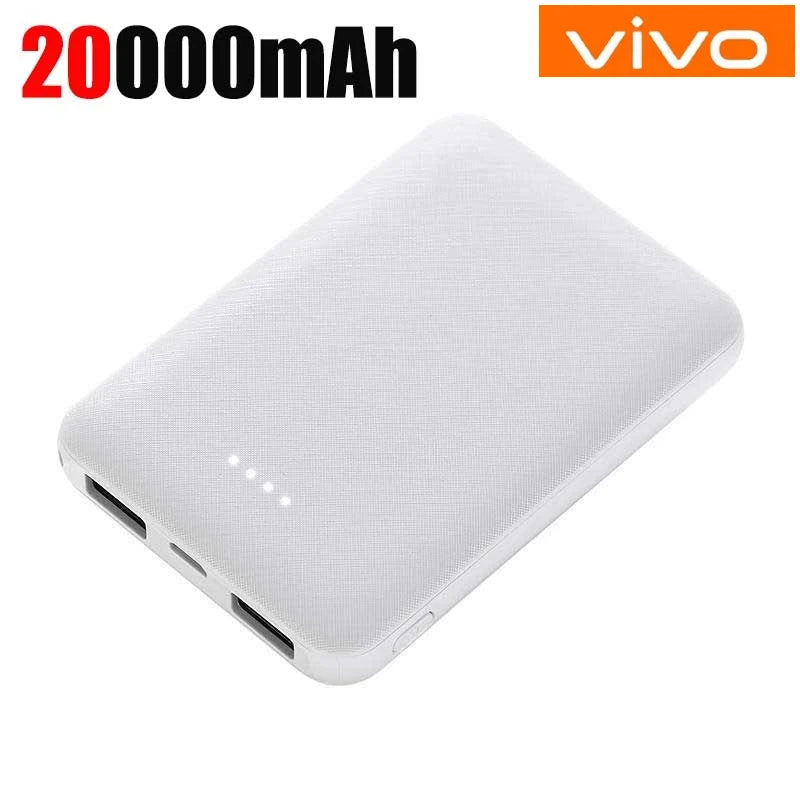
For everyday winter use, a dependable option such as the 20000mAh power bank provides a practical balance between runtime, portability, and stable power delivery for compatible heated clothing.
Heated Body Warmer Instructions (Avoid Common Mistakes)
Following basic USB heated clothing instructions helps maximize both safety and battery life while reducing common performance problems.
- Using an incompatible power bank: Capacity alone does not guarantee compatibility. Always match the recommended output voltage and current specified by the garment manufacturer.
- Skipping a full charge before use: Beginning with a partially charged battery shortens runtime and may reduce maximum heat output.
- Blocking heating panels: Heavy or tightly compressed layers directly over the heating zones can reduce efficient heat distribution.
- Running high heat continuously: Reserve the highest setting for extremely cold conditions. Medium or low settings usually provide sufficient warmth while significantly extending battery life.
- Leaving the battery connected after use: Disconnect the power bank before storage to minimize unnecessary battery drain and protect the connector over time.
USB heated vest instructions made simple. See it in action.
How to Choose the Right Power Bank for Heated Clothing
Selecting the right power bank for heated clothing is one of the most important factors in achieving reliable heat, longer runtime, and safe operation. Rather than choosing the largest battery available, balance capacity, output compatibility, portability, and built-in safety features.
Capacity
Battery capacity determines how long your heated vest or gilet can operate between charges.
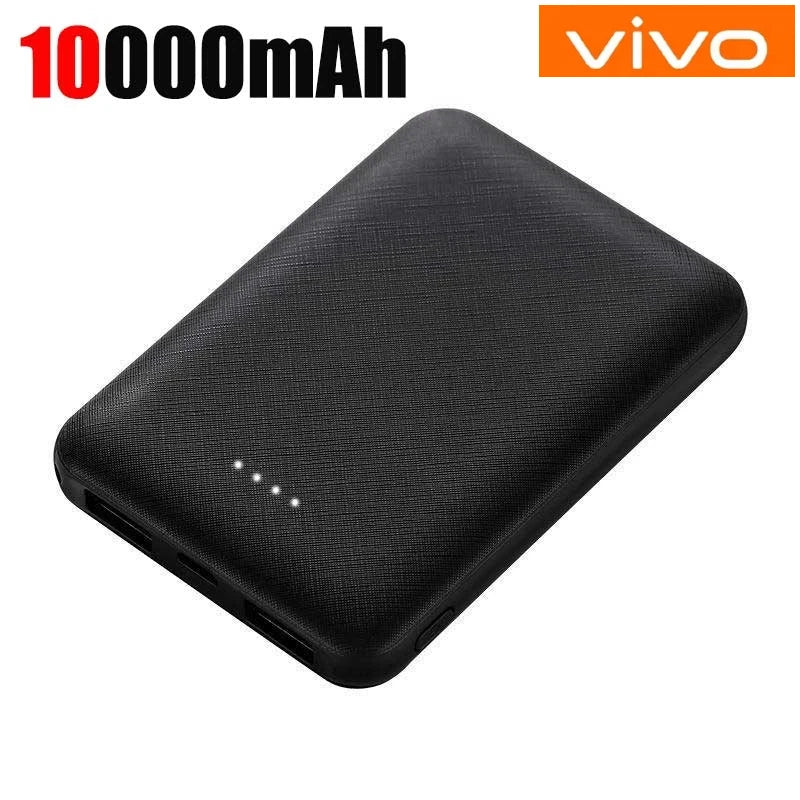
- 10,000mAh: Suitable for short commutes, errands, and light outdoor activities.
- 20,000mAh: A practical choice for hiking, outdoor work, and full-day winter use.
- Higher capacities: Offer extended runtime but increase overall weight and bulk.
Output Compatibility
Always verify that the power bank matches your garment's voltage and current requirements. Most USB heated clothing operates on a stable 5V/2A output, while some premium heated jackets require USB-C Power Delivery or higher-voltage systems. Using an incompatible battery may reduce heating performance or prevent the garment from operating correctly.
Airline Travel Considerations
If you travel frequently, choose a power bank that complies with airline carry-on battery regulations. Lithium-ion power banks should always be transported in your carry-on luggage rather than checked baggage, and checking your airline's latest battery policies before departure is recommended.
- Output rating: Choose a stable output that matches your heated clothing specifications.
- Capacity: 10,000mAh–20,000mAh offers an excellent balance between runtime and portability.
- Port type: Select USB-A or USB-C based on your garment's connector.
- Safety features: Look for overcharge, overcurrent, overheating, and short-circuit protection.
While larger batteries generally provide longer heating times, carrying more weight may reduce comfort during long periods of wear. Selecting the appropriate capacity for your intended use often delivers the best overall experience.
How to Extend Battery Life in Heated Apparel
Small adjustments to your heated vest battery setup can significantly improve runtime while helping preserve long-term battery health.
Use Lower Heat When Possible
Begin on the lowest comfortable setting and increase the temperature only when necessary. Lower heat levels consume considerably less power and often provide sufficient warmth once your core temperature has stabilized.
Keep Batteries Warm
Lithium-ion batteries perform best when protected from extreme cold. Keeping the power bank inside the insulated battery pocket and wearing appropriate outer layers helps maintain battery efficiency during freezing weather.
Charge Correctly
Recharge the battery after each use using a quality charger recommended by the manufacturer. Avoid storing batteries completely discharged for long periods, as this may shorten their overall lifespan.
- Reduce heat output whenever conditions allow.
- Turn the heating system off when spending extended time indoors.
- Wear suitable insulating layers to retain generated heat.
- Choose a battery capacity appropriate for your daily routine.
- Replace aging batteries that no longer hold a reliable charge.
Following these practices helps maximize heating time while maintaining dependable performance throughout the winter season.
Real-World Usage Scenarios
Commuting
For daily travel, medium heat is usually sufficient while outdoors. Once inside an office, train, or vehicle, switching to a lower setting or turning the heating system off can substantially extend battery life for the return journey.
Hiking & Outdoor Activities
When learning heated gilet how to use for hiking, combine the garment with breathable base layers and a wind-resistant outer shell. Begin with a lower heat setting and increase it only during rest breaks or when temperatures drop significantly.
Outdoor Work
Workers exposed to prolonged cold may benefit from higher heat settings during the coldest periods of the day. Carrying a fully charged spare power bank provides additional runtime for extended shifts where recharging is unavailable.
For additional comfort solutions, explore our Lifestyle collection.
Washing & Care Instructions for Heated Gilets
Proper cleaning and storage help preserve the heating elements, protect electrical connections, and extend the lifespan of your heated gilet. Always follow the garment manufacturer's care label if it differs from the general recommendations below.
Remove the Battery Before Washing
Disconnect and remove the power bank before cleaning. Inspect the USB connector for moisture or debris, then tuck the cable securely inside the designated pocket to prevent damage during washing.
Hand Wash vs. Machine Wash
Many heated gilets can be machine washed on a gentle cycle, while others require hand washing. Use mild detergent, avoid bleach or fabric softeners, and never wring or twist the garment, as excessive force may damage internal heating elements.
- Always remove the power bank before washing.
- Use a gentle cycle or hand wash according to the care label.
- Avoid wringing, twisting, or stretching the garment.
- Air dry completely before reconnecting the battery.
- Keep the USB connector protected throughout the cleaning process.
Seasonal Storage
Store your heated gilet in a cool, dry location away from direct sunlight. If you will not use it for several months, partially charge the power bank before storage and recharge it periodically to help maintain battery health.
Consistent care helps maintain heating efficiency, protects electrical components, and keeps your heated clothing performing reliably season after season.
Safety Tips When Using Heated Vests and Jackets
Following basic safety practices reduces the risk of electrical problems while ensuring your heated clothing performs as intended in cold weather.
Light rain is generally acceptable for garments designed with water-resistant fabrics, but avoid prolonged exposure to heavy rain unless your heated vest is specifically rated for those conditions. Never immerse the garment or battery in water.
Sleeping with Heated Clothing
Do not sleep while wearing a heated vest or jacket. Continuous heating without monitoring may increase the risk of overheating and unnecessary battery drain.
Medical Precautions
Individuals with reduced heat sensitivity, implanted medical devices, diabetes, circulatory disorders, or other medical conditions should consult a healthcare professional before using heated apparel for extended periods.
- Do not use damaged batteries, cables, or connectors.
- Avoid heavy rain unless the garment is designed for wet-weather use.
- Turn the heating system off whenever it is not needed.
- Disconnect the battery before cleaning or long-term storage.
- Always follow the manufacturer's operating instructions.
Troubleshooting Heated Vest Issues
Most heated vest problems can be resolved with a few simple checks before assuming the garment or battery is faulty.
Vest Not Turning On
Confirm that the battery is fully charged, connected securely, and compatible with your heated clothing. Check the USB connector for dirt, damage, or loose connections.
Uneven Heating
If some heating zones feel cooler than others, make sure bulky clothing is not compressing the heating panels and verify that the battery is supplying stable power.
Short Battery Runtime
Battery life varies according to heat setting, outside temperature, and battery age. If runtime has noticeably decreased, try a larger-capacity battery or replace an older battery that no longer holds a full charge.
No Heat or Flashing Indicators
A flashing LED often indicates a low battery, incompatible power supply, or connection problem. Disconnect the battery, reconnect it securely, and verify that its voltage and output meet your garment's requirements.
- Not turning on: Recharge the battery and check all cable connections.
- Uneven heating: Ensure heating panels are not compressed or obstructed.
- Short battery life: Reduce the heat setting or replace an aging battery.
- No heat: Confirm the power bank provides the required voltage and current.
Battery powered heated clothes built for everyday comfort. See it in action.
FAQ: Heated Gilet & Heated Vest Usage
How long does heated apparel stay warm?
Battery life depends on the power bank capacity, outdoor temperature, and selected heat setting. Most heated gilets provide approximately 3 to 10 hours of continuous warmth when paired with a compatible power bank.
Is it safe to wear all day?
Yes. Heated clothing is designed for extended wear when used according to the manufacturer's instructions. For maximum comfort and battery efficiency, lower the heat setting once you feel warm and switch the garment off when it is no longer needed.
Can I use one power bank for multiple garments?
Only if the power bank provides multiple outputs with sufficient voltage and current for each garment. Most users achieve the most reliable performance by using one dedicated power bank per heated vest or jacket.
Why is my heated vest not turning on?
Common causes include a depleted battery, loose USB connection, incompatible power bank, or an automatic safety shutdown. Verify the battery is fully charged, reconnect the cable securely, and confirm the power bank meets the garment's required output specifications.
Can I wash a heated gilet safely?
Yes. Always disconnect and remove the power bank before washing. Follow the care label carefully, use a gentle wash cycle or hand wash when recommended, and allow the garment to air dry completely before reconnecting the battery.
How long should I preheat a heated gilet before going outside?
Preheating for about 2–5 minutes on a medium or high setting is usually enough to warm the heating panels before heading outdoors. Afterward, adjust to the lowest comfortable temperature to help extend battery life.
Can I wear a coat over a heated gilet?
Yes. Wearing a lightweight insulated or windproof outer layer helps trap the generated heat, improving comfort while reducing the amount of power needed to maintain warmth.
Can I use any USB power bank with heated clothing?
No. The power bank should match your garment's required voltage, current output, and connector type. An incompatible battery may provide insufficient heat or prevent the heating system from operating properly.
Is it safe to use a heated gilet in light rain?
Many heated gilets can be worn in light rain if the fabric is water resistant, but avoid soaking the garment or exposing the battery and USB connector to excessive moisture unless the manufacturer specifically states it is waterproof.
Why does my heated vest keep flashing?
A flashing LED typically indicates low battery power, an incompatible power source, overheating protection, or a loose connection. Recharge the battery, reconnect the cable securely, and consult the user manual for your garment's indicator meanings.
How can I make my heated gilet battery last longer?
Use the lowest comfortable heat setting, wear appropriate insulating layers, disconnect the battery when not in use, and keep the power bank fully charged and protected from extreme cold. These habits can noticeably increase runtime during daily use.













