

Cleaning Hard to Reach Windows Made Easy With the Right Setup
⏱ 6 min read
Cleaning hard to reach windows doesn't have to involve climbing unstable ladders or settling for streaky glass. With the right combination of planning, ladderless window cleaning techniques, and modern equipment, you can safely clean high interior and exterior windows while achieving professional-looking results. This guide explains the safest methods, essential tools, and practical setup for tackling difficult-to-access windows.

Cleaning hard to reach windows without ladders — safer, smarter, and faster. See it in action.
How can you clean hard to reach windows safely without ladders?
Cleaning hard to reach windows starts with choosing safe window cleaning methods that match the height, location, and condition of the glass. In many homes, extendable tools and ladderless window cleaning systems provide excellent results while reducing the risk of falls. Before you begin, inspect the work area and decide whether the window can be cleaned safely from the ground or whether professional assistance is the better option.
Safety checklist before starting
- Inspect the area: Remove outdoor furniture, toys, hoses, and other tripping hazards around the work zone.
- Check weather conditions: Avoid cleaning during strong winds, rain, or freezing temperatures that can create slippery surfaces.
- Inspect your equipment: Make sure extension poles lock securely and microfiber pads are firmly attached.
- Use the correct cleaning solution: Choose a streak-free glass cleaner or mild detergent that is safe for window finishes.
Choose the safest method by window height
- Ground-floor windows: Standard squeegees and microfiber cloths are usually sufficient.
- Second-story windows: Extendable window cleaning tools or water-fed pole systems allow safe access from the ground.
- Very tall or difficult windows: Robotic cleaning systems can reduce manual effort while improving safety.
When ladderless solutions are appropriate
Ladderless window cleaning works best for second-story windows, fixed glass panels, skylights that can be accessed safely, and homes where stable ground allows extension tools to be used effectively. If you would need to lean from a ladder or reach beyond your balance point, a ladderless approach is typically the safer choice.
Essential protective equipment
- Protective gloves: Improve grip and protect skin from cleaning solutions.
- Safety glasses: Prevent splashes from reaching your eyes.
- Slip-resistant footwear: Helps maintain stable footing on wet surfaces.
- Stable footing: If a small platform is necessary, ensure it rests on firm, level ground.
Following these precautions makes cleaning hard to reach windows safer while helping you achieve consistent, streak-free results.
Why Hard-to-Reach Windows Feel Impossible to Clean
High and awkwardly positioned windows create challenges that go beyond simple reach. Interior stairwells, vaulted ceilings, second-story exteriors, skylights, and large fixed glass panels all require different techniques. Without the right equipment, homeowners often struggle to apply even pressure, remove dirt completely, or clean safely.
Common obstacles include:
- Limited access to upper-story exterior windows.
- High interior windows above staircases or vaulted rooms.
- Dust, pollen, mineral deposits, and dried rain spots that require extra cleaning passes.
- Uneven squeegee pressure that leaves visible streaks.
- Overreaching from ladders or unstable platforms, increasing the risk of falls.
Understanding these challenges makes it easier to choose the best way to clean high windows while minimizing physical strain and improving cleaning performance.
What the Right Setup Looks Like for Cleaning Hard to Reach Windows
An efficient setup combines the right equipment, an effective cleaning solution, and an organized workflow. Preparing everything before you begin reduces unnecessary trips, improves safety, and helps maintain consistent cleaning quality.
Extension poles
A quality window cleaning pole system with adjustable sections allows you to reach second-story windows while keeping both feet safely on the ground. Look for lightweight materials with secure locking mechanisms and interchangeable cleaning heads.
Microfiber attachments
Microfiber pads loosen dirt without scratching glass and absorb excess water more effectively than traditional cloths. Using clean pads throughout the job helps prevent streaks and cross-contamination.
Water-fed systems
For larger homes or frequent maintenance, water-fed pole systems rinse away dirt using purified water, reducing mineral deposits and minimizing the need for hand drying on many exterior windows.
Magnetic and robotic options
Magnetic cleaners can be useful for certain double-sided glass applications, while robotic window cleaners offer a hands-off solution for large vertical glass surfaces, helping maintain consistent cleaning patterns with minimal physical effort.
- Extendable poles and squeegees: Adjust to different window heights while providing greater control.
- Bucket with water and cleaning solution: Use a mild, streak-free detergent formulated for glass.
- Microfiber cleaning pads: Lift dirt efficiently while reducing streaks.
- Optional robotic or hands-off systems: Helpful for large, high, or difficult-to-access windows.
Organizing your equipment before starting improves efficiency, reduces interruptions, and creates a safer cleaning workflow.
How Do You Clean Hard to Reach Windows Step by Step?
Following a consistent process helps you clean hard to reach windows more efficiently while reducing streaks and missed spots. Whether you're using an extension pole or a hands-off cleaning system, work methodically from the highest point downward.
- Prepare the area: Remove nearby obstacles, protect flooring or landscaping if needed, and mix a mild, streak-free glass cleaning solution in a bucket or refillable spray bottle.
- Secure your cleaning tool: Attach the cleaning head firmly to your extendable pole and confirm all locking mechanisms are fully engaged before reaching overhead.
- Apply the cleaning solution evenly: Wet the entire glass surface without oversaturating it. Cleaning one section at a time prevents solution from drying too quickly.
- Clean from top to bottom: Start at the upper edge of the window and work downward using overlapping strokes to keep dirty water from running over cleaned sections.
- Dry without streaks: Use a quality squeegee with consistent pressure, wiping the blade after each pass. Finish by drying the edges and corners with a clean microfiber cloth.
- Inspect the finished glass: View the window from different angles in natural light. Remove any remaining streaks, fingerprints, or water spots before moving to the next window.
This step-by-step method improves cleaning performance, minimizes streaking, and makes cleaning hard to reach windows safer and more efficient without unnecessary climbing.

Clean tall windows evenly with hands off window cleaning tools. See it in action.
Traditional Tools vs Modern Solutions for High Window Cleaning
The best cleaning tool depends on your window height, accessibility, budget, and how often you clean. Manual tools remain cost-effective for routine maintenance, while modern hands off window cleaning solutions reduce physical effort and improve safety for difficult-to-access glass.
Extension pole systems
A window cleaning pole system is one of the most practical choices for homeowners who need to clean second-story windows from the ground. Modern extendable window cleaning tools typically accept interchangeable microfiber pads, scrubbers, and squeegees, making them suitable for regular maintenance.
Magnetic cleaners
Magnetic window cleaners can be useful for certain double-sided windows where both surfaces are difficult to access. Their effectiveness depends on glass thickness, so always verify compatibility before purchasing.
Robot window cleaners
Robot window cleaners automate much of the cleaning process by following programmed cleaning paths across vertical glass. They are especially useful for large fixed windows, floor-to-ceiling glass, and other locations where repeated manual cleaning would be time-consuming.
| Tool | Best For | Advantages | Limitations | Approx. Price |
|---|---|---|---|---|
| Extendable Pole with Squeegee | Second-story residential windows | Affordable, versatile, full manual control | Requires physical effort and proper technique | $30–$70 |
| Magnetic Window Cleaner | Certain double-sided windows | Cleans both sides simultaneously on compatible glass | Performance depends on glass thickness | $25–$80 |
| Window Cleaning Robot | Large glass panels and high windows | Hands-free operation, consistent coverage, improved safety | Higher initial investment and requires power | $150–$400 |
| Traditional Ladder + Bucket | Low-height outdoor maintenance | Simple equipment with minimal upfront cost | Greater fall risk and slower workflow | $20–$50 |
Explore the smart window cleaning robot to simplify routine window maintenance while reducing the need for climbing and repetitive manual cleaning.
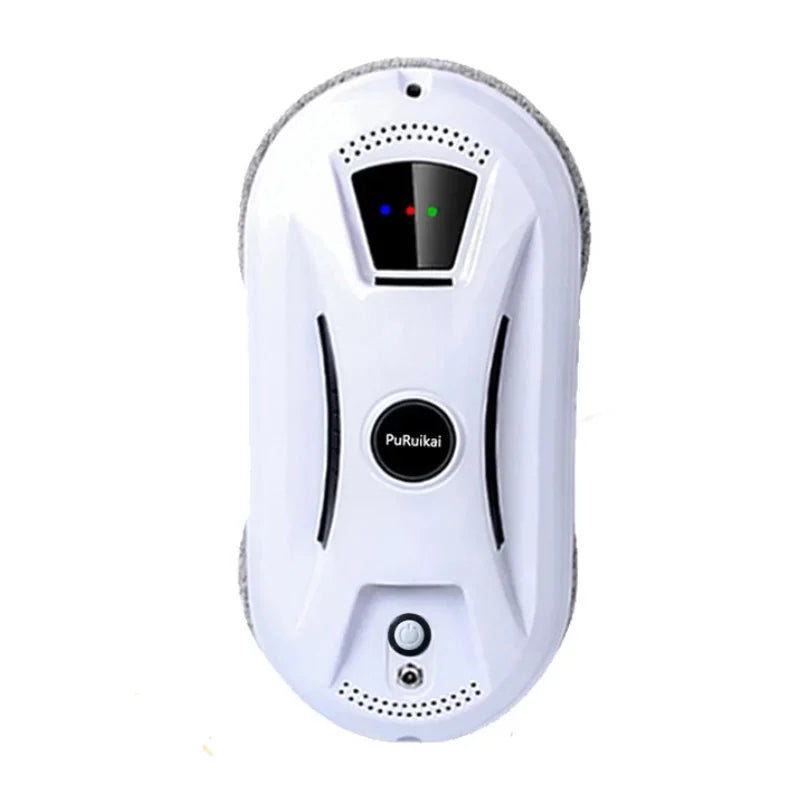
From ground to glass—cleaning hard to reach windows made simple. See it in action.
Common Mistakes and Troubleshooting When Cleaning High Windows
Even with quality equipment, small mistakes can leave streaks or create unnecessary safety risks. Identifying these common problems helps improve both cleaning results and efficiency.
- Persistent streaks: Replace dirty microfiber pads, clean the squeegee blade after every pass, and avoid cleaning in direct sunlight when solution dries too quickly.
- Water drips along the edges: Finish each section by drying window frames and corners with a clean microfiber cloth to prevent runoff.
- Missed corners and edges: Use smaller detailing pads or angled cleaning heads to reach tight spaces that larger tools cannot cover.
- Stubborn residue or mineral spots: Allow the cleaning solution to dwell briefly before scrubbing gently instead of applying excessive force.
- Overreaching while cleaning: Never lean beyond your balance point. Switch to a longer extension pole or another ladderless solution when additional reach is needed.
- Skipping equipment inspections: Before every cleaning session, verify that extension poles, locking mechanisms, and attachments are secure and free from damage.
Quick FAQ About Cleaning Hard to Reach Windows
Can you really clean tall windows without a ladder?
Yes. In many situations, you can clean tall windows without a ladder by using extendable window cleaning tools, water-fed pole systems, or robotic window cleaners. These options allow you to work safely from the ground while still reaching second-story windows and other difficult areas.
Is hands off window cleaning effective?
Yes. Hands off window cleaning systems, including robot window cleaners, can deliver consistent results on large, smooth glass surfaces. They are especially useful for routine maintenance, reducing physical effort while helping maintain even cleaning coverage.
How often should high windows be cleaned?
Most residential windows benefit from cleaning every 3 to 6 months. Homes located near busy roads, construction sites, coastal areas, or regions with frequent pollen may require more frequent cleaning to prevent dirt buildup and mineral staining.
How to avoid streaks and water drips?
Use a clean microfiber pad, apply a moderate amount of cleaning solution, and work from the top of the window downward. Wipe the squeegee blade after every pass and dry the edges with a microfiber cloth to eliminate excess moisture before it leaves visible streaks.
What to do if windows are in unusual configurations?
Windows in stairwells, skylights, atriums, or bay windows often require specialized equipment. Flexible extension poles, articulated cleaning heads, and robotic window cleaners can provide safer access than attempting to reach awkward angles manually.
What is the safest way to clean second-story windows?
For most homeowners, the safest approach is to clean from the ground using an extension pole system or a suitable robotic window cleaner. If the window cannot be accessed safely without climbing or overreaching, hiring a professional window cleaning service is the better option.
How do you clean high windows inside a stairwell?
High interior windows above staircases are often best cleaned with lightweight telescopic poles fitted with microfiber pads and squeegees. Avoid balancing ladders on stairs unless you have equipment specifically designed for that purpose.
Are extension pole systems better than robot window cleaners?
Each has advantages. Extension pole systems are generally more affordable and versatile, while robot window cleaners reduce manual effort and are ideal for large, flat glass surfaces that require regular maintenance.
What is the best way to clean outside windows upstairs?
The best method depends on the home's layout. Ground-operated extension poles work well for many second-story windows, while robotic cleaners can be a convenient solution for large accessible glass panels. If safe access is not possible, professional cleaning is recommended.
Do magnetic window cleaners work on double-pane windows?
Some magnetic cleaners are designed for double-pane windows, but performance depends on the total glass thickness. Always check the manufacturer's recommended thickness range before using one.
How can you prevent streaks on high windows?
Use clean microfiber materials, replace dirty pads during the job, avoid cleaning in direct midday sunlight, and remove excess water from the squeegee blade after every stroke for the clearest finish.
How often should hard-to-reach windows be cleaned?
A cleaning schedule of every 3 to 6 months is suitable for most homes. More frequent maintenance helps preserve visibility, reduces stubborn residue, and minimizes the effort required during each cleaning session.
For more ways to simplify everyday care routines, explore thoughtfully designed solutions across the Body Care and Health Devices and Beauty & Self-Care Blog collections.
Related Guide: How to Clean Windows Without Streaks: A Simple Step-by-Step Method













