

Does a Heating Pad Help Abdominal Pain?
⏱ 6 min read
Can a Heating Pad Help Abdominal Pain?
Yes, a heating pad can help relieve certain types of abdominal pain, especially cramps caused by muscle tension, menstrual discomfort, digestive spasms, or cold-related muscle tightening. Heat therapy works by relaxing muscles, improving circulation, and reducing the intensity of pain signals.
A heating pad for abdominal pain may provide comfort when the discomfort feels like cramping, squeezing, or tightness. Many people use abdominal pain relief heat therapy because targeted warmth can help loosen tense muscles and make cramps feel more manageable.
However, the cause of abdominal pain matters. Heat may be helpful for common cramps but should not be used as a substitute for medical evaluation when pain is severe, sudden, or accompanied by warning symptoms.
When heat may help
Heat is often appropriate for muscle-related discomfort, including menstrual cramps, mild digestive spasms, and abdominal tension caused by exposure to cold temperatures. In these situations, warmth can encourage relaxation and improve comfort.
When heat should be avoided
Avoid using a heating pad if abdominal pain is severe, unexplained, worsening, or associated with symptoms such as fever, persistent vomiting, or signs of infection. These situations may require medical assessment.
Why the cause of pain matters
Abdominal pain can come from many different causes. While heat may soothe muscle-related cramps, it may not be appropriate for inflammatory conditions or urgent medical problems. Understanding the pattern and severity of pain helps determine whether heat is a suitable option.
Why You Should Avoid a Heating Pad if Appendicitis Is Suspected
How appendicitis develops
Appendicitis occurs when the appendix becomes inflamed, often causing pain that starts near the center of the abdomen and may later move toward the lower right side. Because appendicitis involves inflammation that can worsen over time, it requires medical evaluation rather than home heat therapy.
Why heat may worsen inflammation
A heating pad increases blood flow and relaxes tissues. While this can be beneficial for muscle cramps, applying heat over an area with possible inflammation may increase discomfort and is not recommended when appendicitis is suspected.
Risk of delaying emergency treatment
Using heat to temporarily mask severe abdominal pain may delay seeking medical care. If symptoms suggest appendicitis, it is safer to stop home treatment and contact a healthcare professional.
Symptoms That May Indicate Appendicitis
Early symptoms
Early appendicitis symptoms can include abdominal discomfort, loss of appetite, nausea, or pain that gradually becomes more noticeable.
Pain progression
Appendicitis pain often becomes more focused and intense over time, especially if discomfort shifts toward the lower right abdomen.
Emergency warning signs
Seek urgent medical care if abdominal pain is severe or accompanied by fever, repeated vomiting, worsening tenderness, or other concerning symptoms.
How Heat Therapy Relieves Abdominal Pain
Heat relaxes abdominal muscles
Many types of abdominal cramps are linked to muscle contractions. Gentle warmth encourages abdominal muscles to loosen, helping reduce tightness and cramping sensations.
Improved blood flow reduces cramping
Heat expands blood vessels near the treatment area, improving circulation. Better blood flow helps deliver oxygen to tissues and may reduce discomfort caused by muscle tension.
Reduced pain signaling
Warmth can influence how the nervous system processes discomfort. Heat stimulation may reduce the intensity of pain signals, making cramps feel less noticeable.
Abdominal pain relief heat therapy is most useful for conditions involving muscle tension rather than unexplained or severe abdominal symptoms.
Learn more about muscle relaxation techniques in our heat therapy for muscle cramps guide .
Types of Abdominal Pain That Often Improve With Heat
Menstrual cramps
Heat is commonly used for menstrual cramps because warmth can help relax uterine muscles and reduce lower abdominal discomfort.
Digestive muscle spasms
Mild digestive discomfort caused by muscle spasms may improve with gentle warmth applied to the abdomen. Heat can help relax surrounding muscles and reduce the feeling of tightness.
Muscle tension from cold exposure
Cold temperatures can cause muscles to tighten, leading to abdominal cramps when cold. Applying warmth may restore relaxation and improve comfort.
Mild gas or bloating
Heat may help relieve mild bloating discomfort by relaxing abdominal muscles around the digestive system.
When Not to Use a Heating Pad for Abdominal Pain
Possible appendicitis
Do not rely on a heating pad if appendicitis is suspected. Severe lower-right abdominal pain, worsening symptoms, fever, or nausea require medical evaluation.
Fever or infection
Heat should be avoided when abdominal pain may be related to infection or inflammation. Seek medical advice if fever or infection symptoms are present.
Severe unexplained pain
Sudden, intense, or unexplained abdominal pain should be assessed by a healthcare professional before using heat therapy.
Abdominal injury or swelling
After an injury, swelling or inflammation may require a different approach. Avoid applying heat unless recommended by a healthcare provider.
Heat vs Cold for Abdominal Pain
When heat is appropriate
Heat is usually preferred for cramps, muscle tightness, menstrual discomfort, and cold-triggered abdominal tension because it promotes muscle relaxation.
When cold may be considered
Cold therapy may be more suitable for certain injuries or situations involving swelling. It is not generally the first choice for typical abdominal cramps.
Why heat is not appropriate for suspected appendicitis
Although heat may help muscle cramps, appendicitis involves inflammation rather than simple muscle tension. Suspected appendicitis requires medical attention instead of heat treatment.
Compare approaches in our heat vs cold therapy guide .
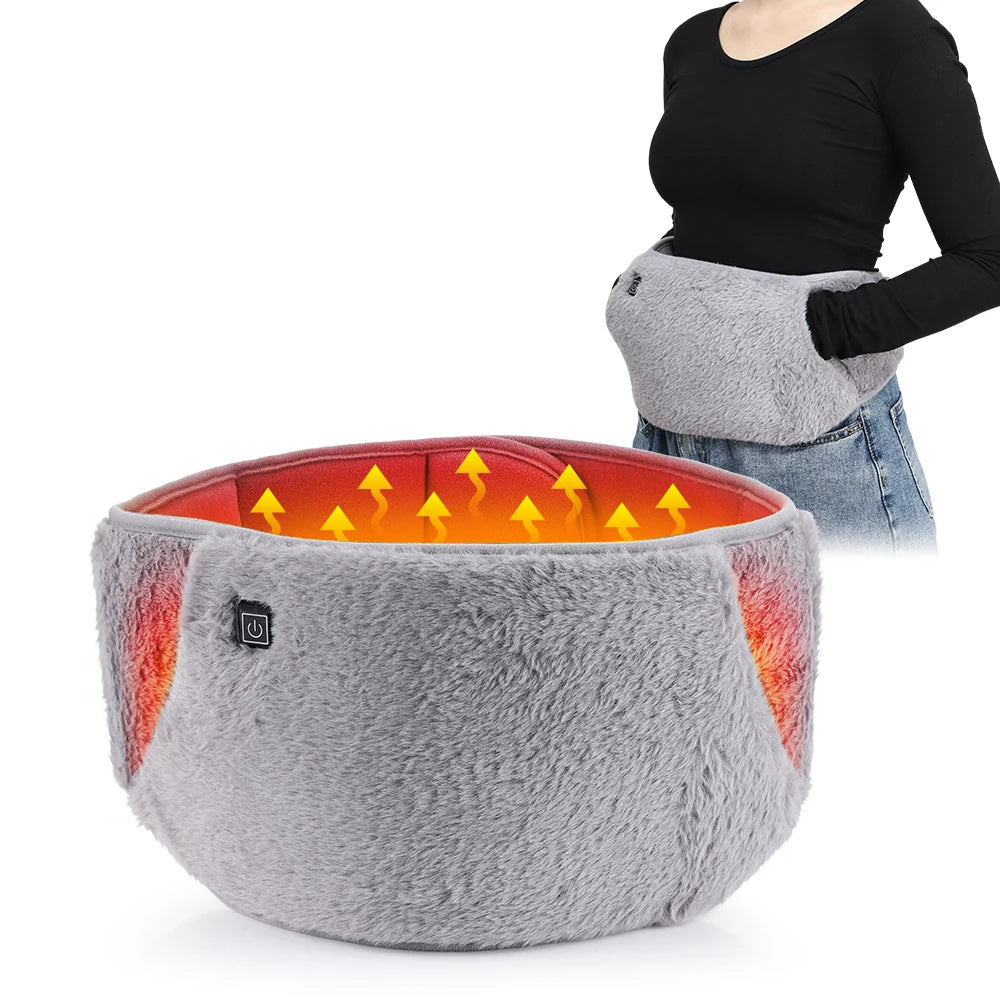
Cold abdominal pain relief with targeted warmth
How Heating Pads Provide Fast Abdominal Pain Relief
What relief usually feels like
When heat is suitable, warmth may gradually spread across the abdomen, helping loosen tight muscles and reducing the sensation of cramping.
How quickly heat therapy works
Many people begin noticing comfort within 10–20 minutes as muscles relax and circulation improves. Results vary depending on the cause and severity of discomfort.
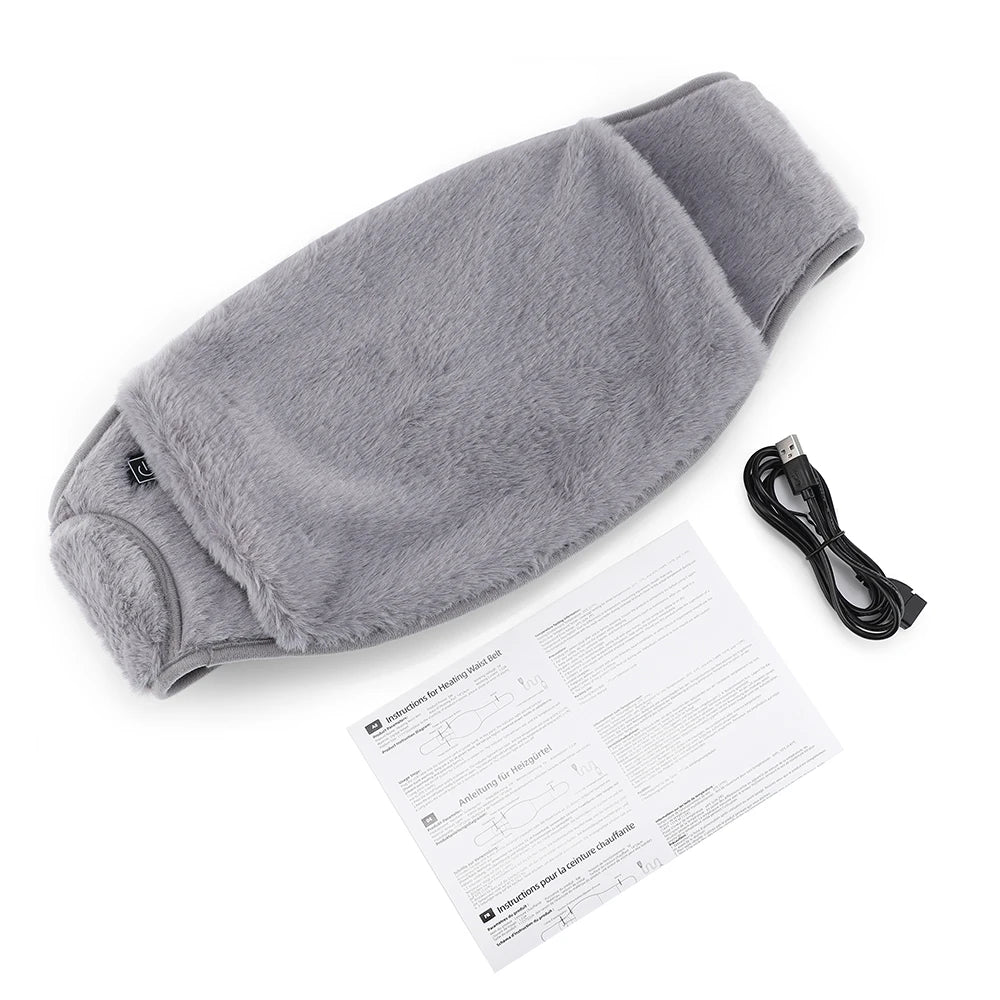
Portable warmth for abdominal cramps
Portable Electric Heating Pads: Benefits and Safety
Low-voltage safety
Many portable electric heating pads use low-voltage designs and built-in safety features to provide controlled warmth. Choosing a device with reliable temperature regulation can help reduce the risk of excessive heat exposure.
Portable convenience
A portable electric heating pad can be used at home, during work breaks, or while traveling, making targeted heat therapy easier to access when cramps occur.
Temperature control
Adjustable temperature settings allow users to choose a comfortable level of warmth rather than relying on a single heat intensity.
Explore more options in our Body Care and Health Devices collection or learn about safe low voltage heating pad guides .
Many users choose the graphene heating pad uterine belt for targeted abdominal comfort and consistent heat delivery.
How to Use a Heating Pad Safely for Stomach Pain
Recommended temperature
Use a warm, comfortable setting rather than high heat. The goal is gentle relaxation, not intense heat exposure.
Time limits
Use a heating pad for around 15–20 minutes at a time and allow the skin to rest between sessions.
When to stop using heat
Stop using heat if discomfort increases, skin irritation occurs, or symptoms do not improve.
When to seek medical care instead
If abdominal pain is severe, persistent, or associated with warning symptoms, medical evaluation is more appropriate than continued heat therapy.
When to Go to the Emergency Room for Abdominal Pain
Symptoms requiring urgent care
- Severe or rapidly worsening abdominal pain
- Persistent vomiting
- High fever
- Pain spreading or becoming more intense
- Blood in stool or vomit
- Signs of possible appendicitis
What to avoid before diagnosis
Avoid using heat to delay evaluation when symptoms are severe or unusual. Temporary relief does not confirm the cause of abdominal pain.
What to expect during evaluation
A healthcare professional may review symptoms, perform an examination, and recommend tests to identify the cause of abdominal discomfort.
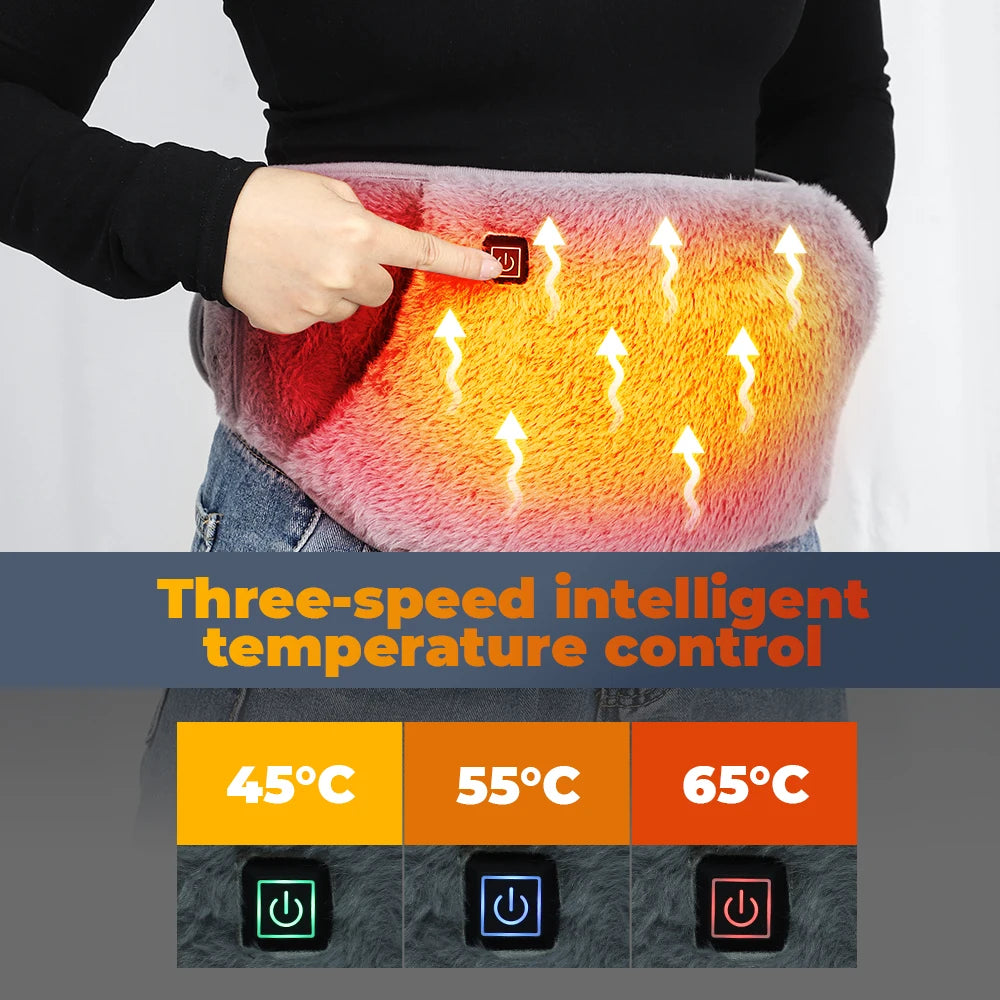
Comfort restored with heat therapy
Frequently Asked Questions
Why should you avoid a heating pad if appendicitis is suspected?
Avoid using a heating pad when appendicitis is suspected because the condition involves inflammation that requires medical evaluation rather than home heat therapy.
Can a heating pad make appendicitis worse?
Heat may increase blood flow and is not recommended for suspected appendicitis. Seek medical advice instead of relying on heat for severe abdominal pain.
How can you tell the difference between cramps and appendicitis?
Common cramps often improve with warmth and relaxation, while appendicitis pain usually becomes more severe and may include symptoms such as fever, nausea, or worsening localized pain.
Is heat or ice better for stomach pain?
Heat is usually more helpful for cramps and muscle tension. Cold may be considered for some injury-related swelling but is not typically used for common abdominal cramps.
When should abdominal pain be treated as an emergency?
Seek urgent care for severe, worsening, unexplained pain or symptoms such as fever, persistent vomiting, or signs of internal bleeding.
Can I use a heating pad before seeing a doctor for severe abdominal pain?
If pain is severe or concerning, do not delay medical care by relying on a heating pad. Evaluation should come first.
Related Guide: Period Cramps Heat Relief for Work Travel and Home













