

How to Warm Up Cold Car Seats in Winter (Fast & Safe Methods That Actually Work)
Cold car seats can make winter mornings uncomfortable before your drive even begins. The good news is there are fast, practical ways to warm them up safely—ranging from instant hacks to smart heating accessories. This guide explains why car seats get so cold, compares the fastest warming methods, and helps you choose the safest solution for your climate and budget.
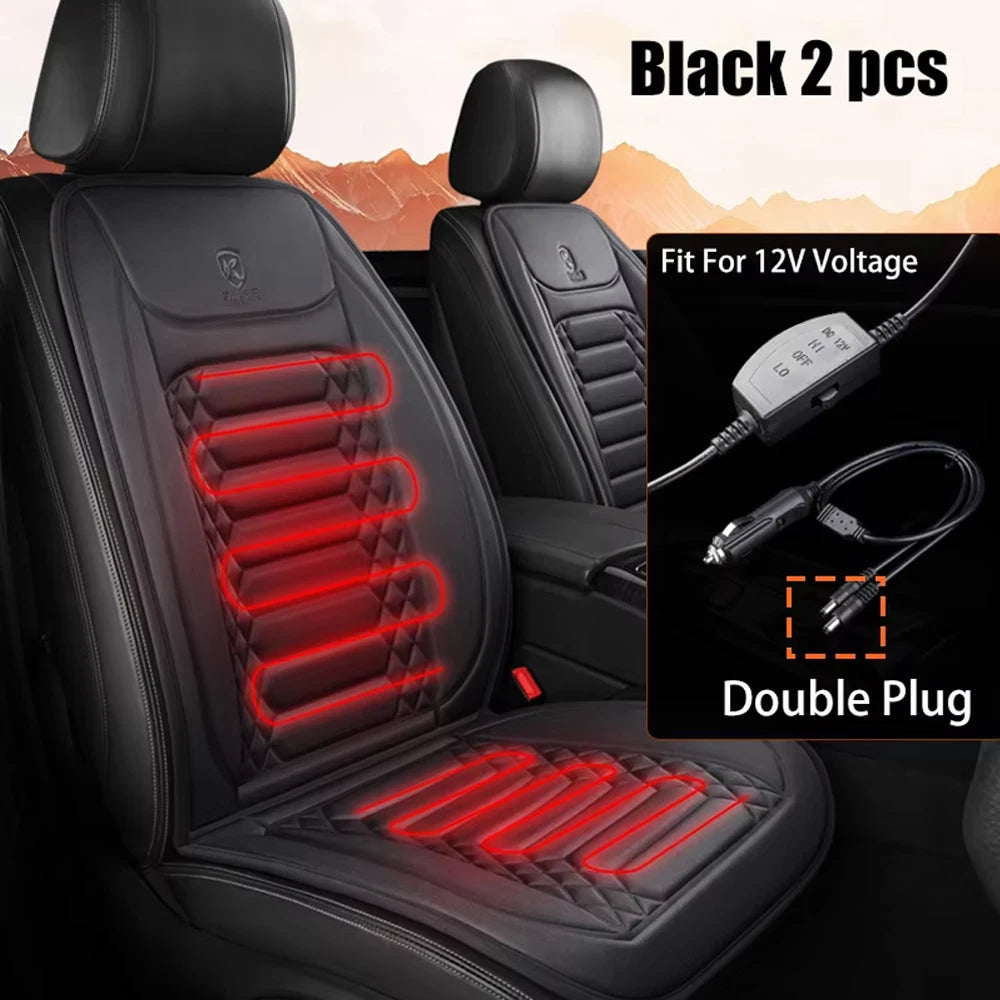
Fast seat warming solutions help improve winter driving comfort ❄️
Why Car Seats Get Cold in Winter
Leather vs Vinyl vs Fabric: Which Gets Coldest?
Many drivers wonder why car seats get cold in winter so quickly. The answer lies in heat transfer. Leather and vinyl conduct heat away from your body faster than fabric, making them feel noticeably colder the moment you sit down. Fabric upholstery traps tiny pockets of air that act as insulation, so it typically feels less shocking on freezing mornings.
- Leather: Premium appearance but feels coldest initially.
- Vinyl: Similar to leather and often warms slowly.
- Fabric: Naturally insulating and generally the most comfortable in winter.
The Science of Heat Loss in Parked Cars
When a vehicle sits outside overnight, every interior surface gradually reaches nearly the same temperature as the surrounding air. Seats store this cold until warmed by sunlight, cabin heat, or direct contact with a heating source. That's why the seat often remains colder than the cabin air during the first few minutes of driving.
Weather, Wind Chill, and Cabin Temperature Effects
Outdoor temperature is the biggest factor, but wind exposure and where you park also matter. A vehicle parked in an open, windy area typically loses heat faster than one inside a garage. Even on sunny winter days, seats parked in direct sunlight usually warm more quickly than those left in the shade.
7 Fast Ways to Warm Up Cold Car Seats (Ranked by Speed)
1. Remote Start or Preheating the Cabin
Expected warm-up: 5–10 minutes
Remote start allows your HVAC system to begin warming the interior before you get inside. While this gradually raises seat temperature, it works best when combined with direct seat heating.
Expected warm-up: 2–5 minutes
If your vehicle includes factory heated seats, activate them immediately after starting the engine. Most systems provide noticeable warmth within a few minutes and distribute heat evenly across the seat.
3. Use a Portable Heated Car Seat Cover
Expected warm-up: 1–3 minutes
A heated car seat cover is among the fastest cold car seat solutions available. It delivers direct heat exactly where you sit, making it especially useful for older vehicles without factory heated seats.
4. Sit on a Blanket or Thermal Seat Cushion
Expected comfort: Immediate insulation
A thick fleece blanket or insulated seat cushion won't actively generate heat, but it reduces the cold shock while waiting for the cabin to warm.
5. Park in Sunlight or a Garage
Expected benefit: Prevents excessive cooling
Parking indoors or in direct winter sunlight helps maintain a higher interior temperature overnight, reducing how much warming is needed before driving.
6. Use a Hot Water Bottle Safely
Expected warm-up: 2–5 minutes
A properly sealed hot water bottle placed on the seat before departure provides temporary warmth. Always wrap it in a towel to avoid moisture or excessive heat contacting upholstery.
7. DIY Car Seat Warming Tips
Simple DIY methods such as adding insulated seat covers, keeping a thermal blanket in the vehicle, or using removable fleece cushions improve comfort without requiring electricity. While these approaches are inexpensive, they work best as supplemental solutions rather than replacements for active heating.
Fastest Method Comparison (What Works Best in Extreme Cold)
Time to Warm Up (1–10 Minutes Breakdown)
- Portable heated seat cover: 1–3 minutes
- Built-in heated seats: 2–5 minutes
- Remote start and cabin heating: 5–10 minutes
- Blanket or insulated cushion: Immediate comfort without active heating
Best Solutions Below Freezing Temperatures
When temperatures fall below freezing, combining methods provides the best results. Preheating the cabin while using direct seat heating minimizes discomfort and keeps the entire vehicle comfortable throughout your trip.

Direct heating solutions provide the fastest relief in freezing conditions
Which Cold Car Seat Solution Is Best for You?
Quick Comparison by Speed, Cost, and Comfort
| Solution | Speed | Cost | Comfort | Best For |
|---|---|---|---|---|
| Portable heated seat cover | Excellent | Moderate | Excellent | Daily winter driving |
| Factory heated seats | Very good | Included with vehicle | Excellent | Vehicles already equipped |
| Blanket or insulated cushion | Instant insulation | Low | Good | Occasional cold mornings |
| Garage parking | Preventive | None | Good | Long-term convenience |
Best Option for Daily Commuters
If you drive every morning during winter, combining regular cabin preheating with a portable heated seat cover offers one of the best balances of speed, convenience, and value.
Best Option for Extreme Winter Climates
Drivers facing prolonged sub-freezing temperatures benefit most from factory heated seats or a quality heated seat cover paired with indoor parking whenever possible.
Best Long-Term Cold Car Seat Solutions
OEM Heated Seats vs Portable Heated Seat Covers
Factory-installed heated seats integrate seamlessly with your vehicle, while portable heated seat covers provide similar comfort without requiring a new car. Portable options are also easy to transfer between vehicles.
Warm Car Seat Covers vs Standard Covers
Standard covers reduce heat loss through insulation, whereas warm or heated covers actively increase seat temperature. If winter comfort is a priority, heated models generally provide a much better experience.
Car Seat Heating Pads: Pros and Cons
Heating pads designed specifically for automotive use offer another portable solution.
- Pros: Fast warming, portable, affordable.
- Cons: Requires vehicle power and should be used only as directed by the manufacturer.
Are Heated Seat Covers Safe?
Modern heated seat covers are generally safe when they include automatic shut-off protection, multiple temperature settings, overheat protection, and certified electrical components. Avoid inexpensive products with poor wiring quality or visible damage.
Drivers exploring comfort upgrades often also browse curated options in the Lifestyle collection or wellness-focused tools in Body Care and Health Devices for additional winter comfort solutions.
How to Keep Car Seats Warm in Winter
Overnight Parking Strategies
Parking inside a garage is the most effective preventive measure. If that's unavailable, choose sheltered parking or areas that receive morning sunlight to reduce overnight cooling.
Daily Habits That Reduce Cold Shock
Developing a consistent routine—such as preheating the cabin, using insulated seat covers, and brushing snow from windows before driving—helps maintain better winter comfort.
Protecting Leather and Fabric During Winter
Leather benefits from periodic conditioning to reduce drying caused by cold weather, while fabric seats should be kept dry to prevent moisture from making them feel colder. Keeping upholstery clean also improves comfort and longevity.
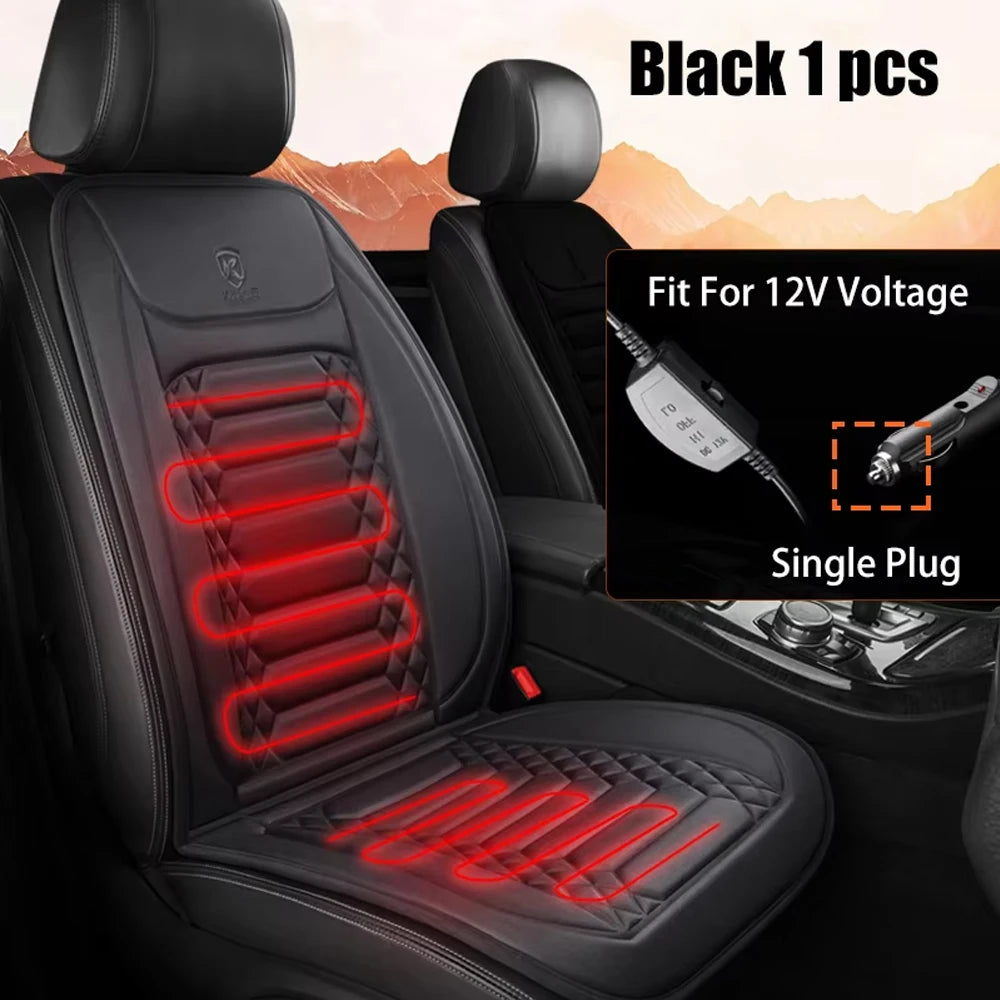
Smart prevention makes winter driving more comfortable and predictable
Common Mistakes That Keep Your Car Seats Cold
Unsafe Heating Shortcuts
- Using household heating pads not designed for vehicles.
- Leaving portable heating devices unattended.
- Applying excessive direct heat to leather upholstery.
Ignoring Battery Drain Risks
Most heated seat covers consume relatively little power while the engine is running, but leaving electrical accessories plugged in for extended periods with the engine off may contribute to battery drain.
Choosing the Wrong Seat Cover
Thin decorative covers provide little insulation, while poorly fitting covers may reduce comfort or interfere with seat functions. Select products designed specifically for your vehicle and winter use.
Safety Tips for Heated Seat Covers and DIY Methods
Safe Use of Heated Seat Covers
- Follow the manufacturer's instructions.
- Inspect wiring regularly for damage.
- Use only automotive-approved heating accessories.
Avoid Fire and Burn Hazards
- Do not fold heated seat covers while operating.
- Avoid placing heavy objects over active heating elements.
- Turn off the heater if excessive heat develops.
Protect Your Vehicle Battery
- Unplug portable seat heaters when they're no longer needed.
- Avoid extended use with the engine turned off.
- Use the vehicle's 12V outlet according to its rated capacity.
Frequently Asked Questions
How long does it take to warm up car seats?
Depending on the method used, car seats may warm in about 1–3 minutes with a heated seat cover, 2–5 minutes with factory heated seats, or around 5–10 minutes using cabin heating alone.
Are heated seat covers safe to use daily?
Yes. High-quality heated seat covers with overheat protection, automatic shut-off, and proper certifications are designed for regular daily use.
What is the best heated car seat cover?
The best heated car seat cover warms quickly, offers adjustable heat settings, fits securely, and includes built-in safety protections for reliable everyday use.
Can you warm car seats without electricity?
Yes. Blankets, insulated seat cushions, garage parking, and sunlight all reduce how cold a seat feels, although they do not actively produce heat.
Do leather seats get colder than fabric?
Yes. Leather generally feels colder because it transfers heat away from your body more rapidly than fabric, which provides better natural insulation.
Can heated seat covers drain a car battery?
They can if left running with the engine switched off for extended periods. During normal driving, battery drain is generally not an issue because the alternator supplies power.
Related Guide: How to Warm Car Seats Fast on Cold Mornings













