
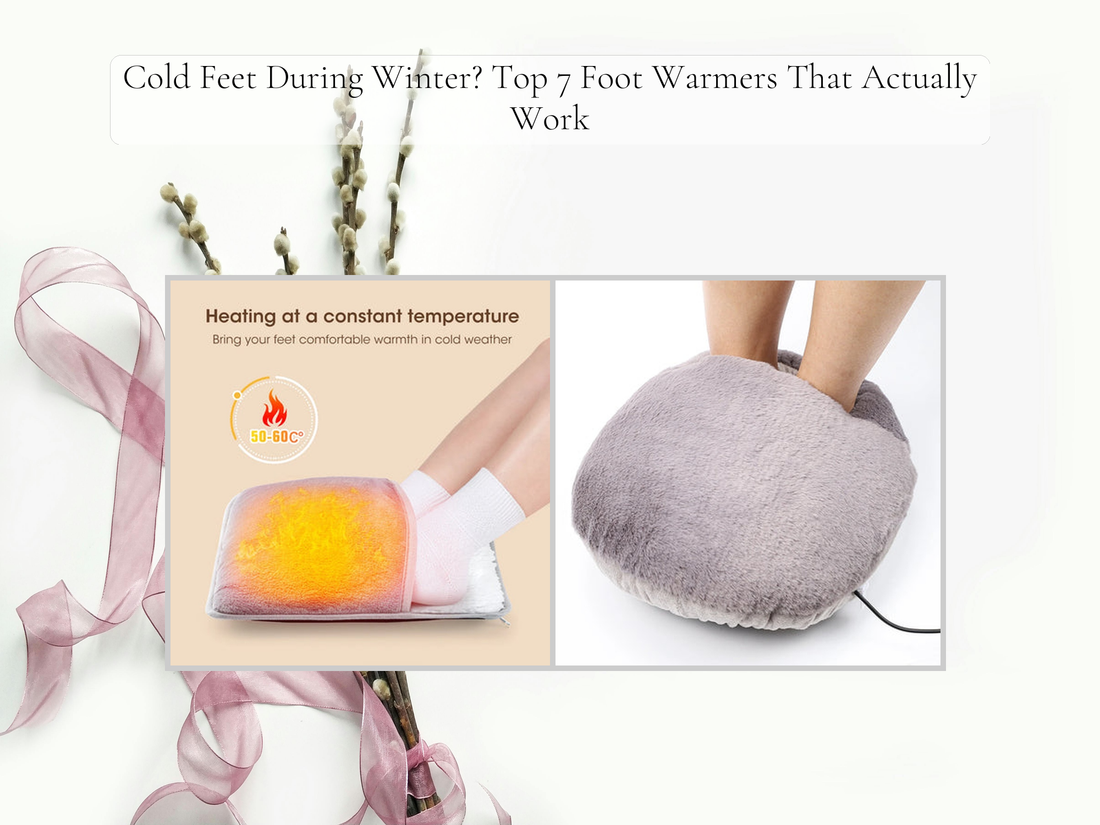
Quick Answer: Do Foot Warmers Help Poor Circulation?
Yes. Foot warmers can significantly reduce cold feet caused by poor circulation. When the feet are exposed to cold temperatures, blood vessels in the extremities constrict, reducing blood flow. External heat from foot warmers helps dilate these vessels, allowing blood to move more freely and restoring warmth.
For many people with chronically cold feet, using electric foot warmers, heated socks, or insulated winter foot warmers can increase skin temperature by 10–20°F within minutes. This improved warmth not only makes the feet comfortable but can also help improve peripheral circulation temporarily.
However, the best results typically come from choosing the right type of warmer and using it safely—especially for older adults or people with circulation-related conditions.
Best Foot Warmers for Poor Circulation (2026 Guide to Warm Cold Feet Fast)
If you’re tired of dealing with cold feet during winter, finding the right warming solution can make a dramatic difference. This expert guide explores the best foot warmers for poor circulation—from electric foot warmers and heated socks to simple winter foot warming solutions that keep your toes comfortable for hours.
Whether your feet stay cold because of long hours at a desk, low indoor temperatures, or circulation-related issues, the right warmer can restore comfort quickly. Below, we’ll explore the most effective options and how to choose the best device for your needs.
⏱ 6 min read
Do you ever slide into bed and feel like your toes never thaw out, no matter how many blankets you pile on? Or judge how cold a room is by how fast your socks lose their grip? You’re not alone — chronically cold feet affect many people who work at desks, spend long hours sitting, or live in homes with limited heating.
While thick socks help a little, they often trap cold rather than generate warmth. That’s why dedicated foot warmers—designed to produce steady heat—are becoming one of the most effective solutions for winter comfort.
Why Poor Circulation Causes Cold Feet
Cold feet are often a sign that blood flow to the extremities is reduced. When circulation slows, less warm blood reaches the feet, making them feel persistently cold—even indoors or under blankets.
Common Conditions That Lead to Cold Feet
- Poor peripheral circulation
- Raynaud’s phenomenon
- Diabetes-related circulation issues
- Low blood pressure
- Prolonged sitting or inactivity
Signs Your Cold Feet May Be Circulation-Related
- Feet stay cold even in warm rooms
- Numbness or tingling sensations
- Pale or bluish skin tone
- Slow warming after exposure to cold weather
If you experience these symptoms regularly, warming devices can provide external heat that restores comfort while helping the body maintain better temperature balance.
Types of Foot Warmers That Work Best for Poor Circulation
Not all foot warmers work the same way. Some provide continuous electric heat, while others rely on insulation or chemical reactions to generate warmth. Choosing the right type depends on how you plan to use them.
Electric Foot Warmers (Fastest Heat)
Electric foot warmers plug into a wall outlet or power bank and use internal heating elements to generate steady warmth. They are ideal for people who spend long hours sitting at a desk or relaxing at home.
Heated Socks (Best for Mobility)
Heated socks contain small battery-powered heating panels that warm the toes and soles. They allow you to move around freely while keeping your feet warm outdoors or while doing chores.
Microwavable Warmers (Simple & Safe)
Microwavable foot warmers use materials like flaxseed, rice, or gel packs that retain heat after warming in a microwave. These require no electricity during use and are often preferred by seniors.
Disposable Chemical Warmers (Outdoor Use)
Chemical toe warmers activate when exposed to air and can stay warm for several hours. They are widely used for winter hiking, skiing, or outdoor sports.
How to Choose the Best Foot Warmers for Poor Circulation
The best foot warmers for cold feet combine effective heat output, comfort, and safety—especially for people with circulation concerns.
Heating Method & Temperature Control
Look for models with adjustable heat settings. Multiple levels allow you to fine-tune warmth and reduce overheating risks.
Safety for Elderly or Sensitive Skin
People with reduced circulation or neuropathy should prioritize warmers with automatic shut-off features and soft insulated interiors.
Power Source (Plug-in vs Battery)
- Plug-in electric foot warmers provide continuous heat.
- Battery-powered heated socks allow movement.
- Microwavable warmers require no cords or batteries.
Washability & Comfort
Soft fleece or plush liners improve comfort while removable covers make winter cleaning easier.
Best Foot Warmers for Poor Circulation (Top Picks)
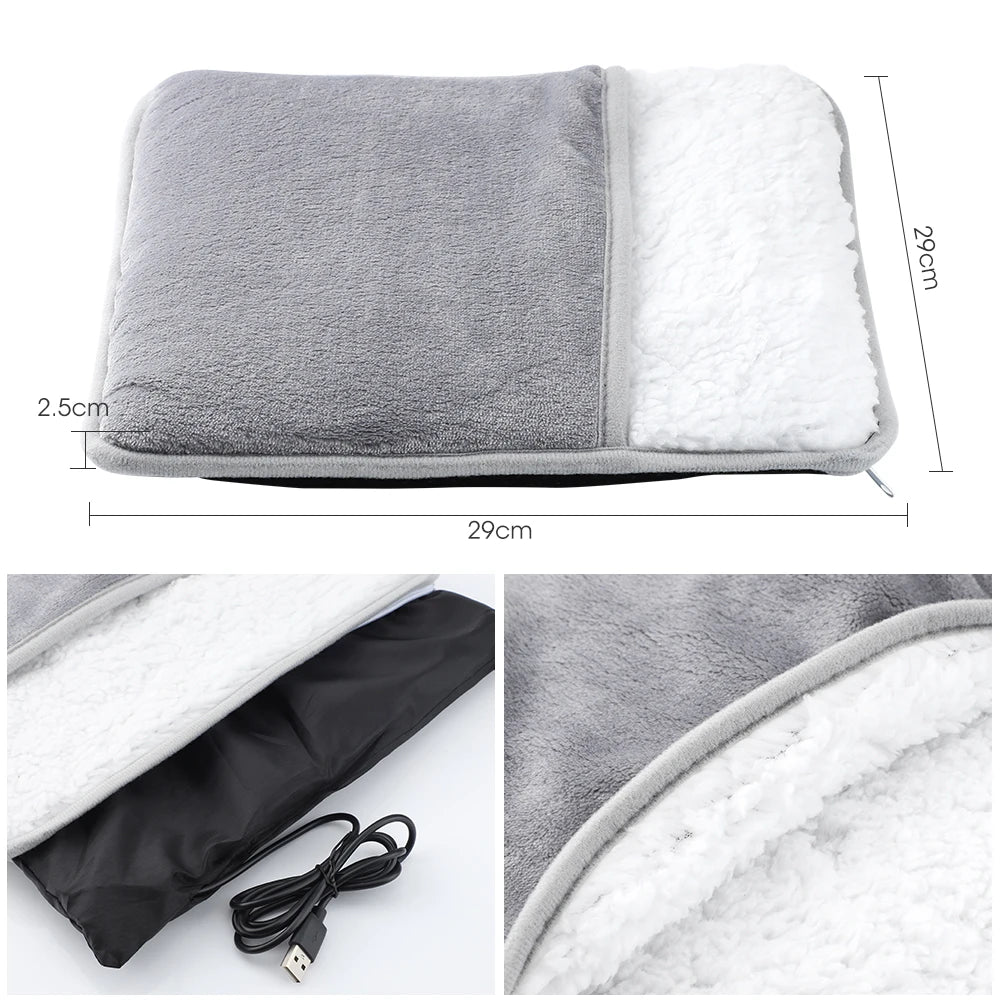
💡 See it in action — cold feet during winter meets cozy toes
The following products are widely recommended for warming cold feet during winter. Each option suits different needs depending on whether you prioritize portability, maximum warmth, or convenience.
- Beurer FW20 Cosy Foot Warmer
Pros: Comfortable roomy design, three heat levels, reliable brand reputation. Cons: Slightly bulky for tight spaces. Review notes: praised for consistent warmth and durable construction. - PROALLER Electric Heating Pad
Pros: Soft flannel cover, auto shut-off timer, compact design. Cons: One-sided heating. Users report quick heat-up and steady warmth. - Large 17×33 Heating Pad
Pros: Generous heating area suitable for shared use. Cons: Takes slightly longer to heat completely. - King-Size Heated Foot Mat
Pros: Wide coverage and multiple heat settings. Cons: Higher cost due to size. - BIAL Heated Slippers
Pros: Wearable design and comfortable plush lining. Cons: Battery life limits extended use. - Comfytemp 3D Heating Pad
Pros: Ergonomic design and targeted warmth. Cons: Smaller heating coverage. - Extended Area Heating Pad
Pros: Durable construction and large warming zone. Cons: Slightly bulkier to store.
Comparison Table: Best Foot Warmers (Warmth vs. Utility)
| Product | Heat Levels | Warm-Up Time | Shape / Form | Best For |
|---|---|---|---|---|
| Beurer FW20 Cosy | 3 | ~3 min | Pocket / envelope | Bed use, lounging |
| PROALLER Pad | 3 | ~2 min | Flat pad | Under-desk, sofa |
| Heating Pad 17×33 | 4–5 | ~4–5 min | Long rectangular pad | Full coverage |
| King-Size Pad | 4 | ~5 min | Extra-wide mat | Couples or shared use |
| BIAL Slippers | 3 | ~2 min | Wearable shoe | Walking around |
| Comfytemp 3D Pad | 3 | ~2 min | Contoured pad | Under-desk or office |
How Foot Warmers Improve Blood Flow
Heat plays an important role in circulation. When the body senses warmth, blood vessels expand—a process known as vasodilation. This allows more blood to reach the extremities, including the toes and soles of the feet.
Heat and Peripheral Circulation
External heat sources such as electric foot warmers can counteract the body’s natural tendency to restrict blood flow during cold weather.
Why Warm Feet Help the Whole Body Feel Warmer
Because the feet contain many blood vessels close to the skin, warming them can improve overall thermal comfort and help the body maintain warmth more efficiently.
Best Way to Use a Foot Warmer Safely & Effectively
Getting the best results means pairing the right device with smart habits.
- Preheat the warmer: Allow 1–2 minutes before placing your feet inside.
- Wear light socks: Thin socks help trap warmth without restricting circulation.
- Use insulating layers: Blankets or rugs reduce heat loss.
- Lower heat after warming: Medium settings maintain warmth without overheating.
Safety Tips for People With Poor Circulation, Diabetes, or Neuropathy
People with reduced sensation in their feet should use heated products carefully to avoid burns or irritation.
- Use low or medium heat settings.
- Limit warming sessions to 20–30 minutes.
- Avoid falling asleep on high heat.
- Check skin regularly for redness.
- Choose products with automatic shut-off timers.
Safety & Drawbacks to Watch For
- Fire hazards: Low-quality devices may overheat.
- Skin sensitivity: Always wear socks to reduce burn risk.
- Wiring fatigue: Repeated bending can damage internal wiring.
- Uneven heating: Budget models sometimes create hotspots.
- Moisture buildup: Sweat may reduce comfort over long sessions.
Always choose models with recognized safety certifications such as UL, ETL, or CE.
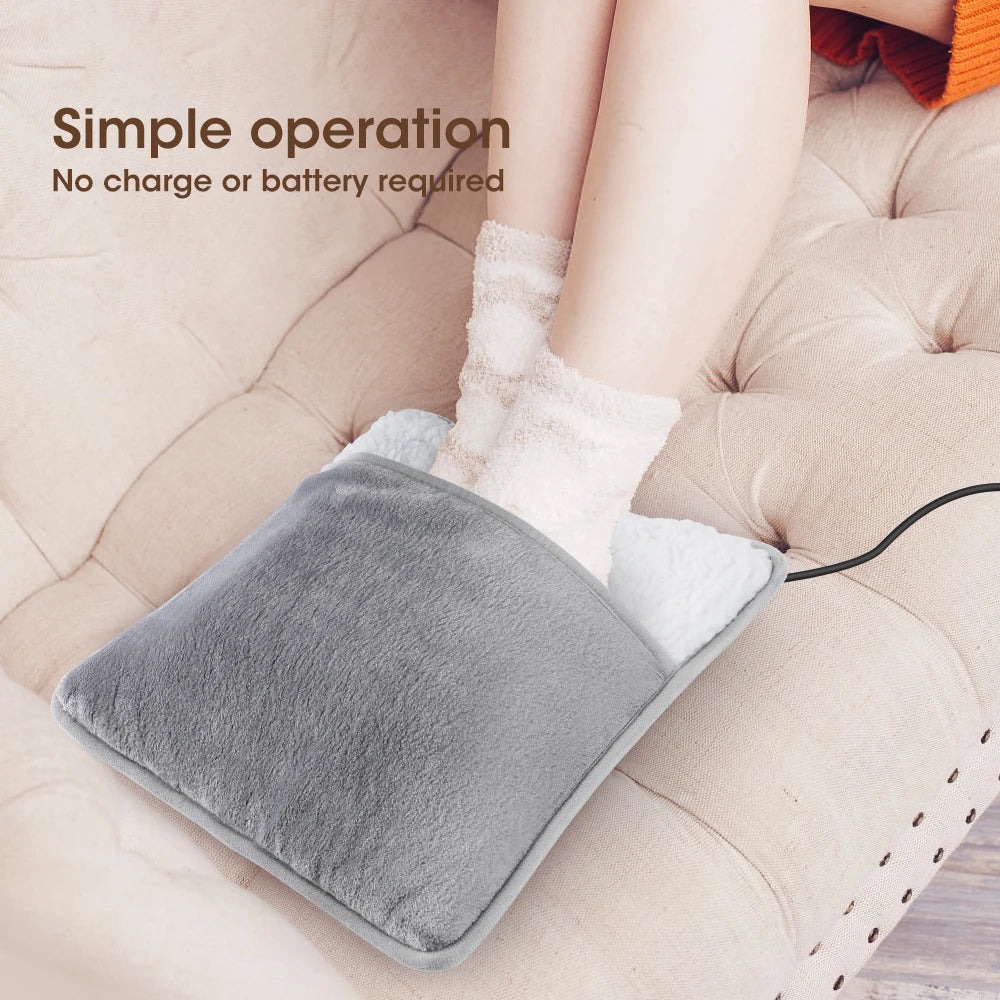
💡 Real warmth in action — cold feet during winter solved
FAQ: Foot Warmers for Poor Circulation
Do foot warmers improve circulation?
Foot warmers do not permanently fix circulation problems, but they can temporarily improve blood flow by warming blood vessels and encouraging vasodilation.
Are electric foot warmers safe overnight?
Most electric warmers are designed for temporary use rather than overnight heating. If you plan to sleep with one, choose a model with automatic shut-off.
What foot warmers work best for elderly people?
Soft electric foot warmers with temperature controls and auto shut-off features are generally the safest and most comfortable option.
Are heated socks better than electric foot warmers?
Heated socks are better for mobility, while electric warmers often provide stronger and more consistent heat.
Can foot warmers help Raynaud’s syndrome?
Foot warmers can reduce cold triggers that lead to Raynaud’s attacks, but they should be used carefully alongside other warming strategies.
If you're curious to see real-world tests and user reviews, check how electric foot warmers perform in long-term tests — you’ll often find the ones listed above among the standouts.
Want to explore more wellness devices? Check out our picks in the Body Care and Health Devices collection for gadgets that support your comfort all year round.
Related Articles:
- Heating Pad Feet Comparison: The 2025 Buyer’s Guide You Need
- Foot Pad Heater Showdown: Which Model Delivers Instant Relief?
- Why Is My Body Warm But My Feet Are Cold? Real Fixes Tested
- Feet Cold Body Warm? These Electric Pads Reveal Why
- Cold Feet in the Winter: 5 Best-Rated Heaters Compared
Pillar Articles:













