

Cold Feet Poor Circulation: Causes, Symptoms, and How to Improve Blood Flow
⏱ 7 min read
Do your feet stay cold even in a warm room?
Cold feet poor circulation
is a common concern, but cold feet do not always mean you have a circulation problem. While exposure to cold temperatures, stress, or inactivity can temporarily reduce blood flow to your feet, persistent cold feet—especially when accompanied by numbness, pain, skin discoloration, or slow-healing wounds—may indicate reduced circulation or another underlying medical condition. This guide explains how blood circulation keeps your feet warm, why feet become cold, common causes, warning signs, and practical ways to improve blood flow safely.
Explore practical, science-backed ways to improve circulation, recognize warning signs, and keep your feet comfortable year-round.
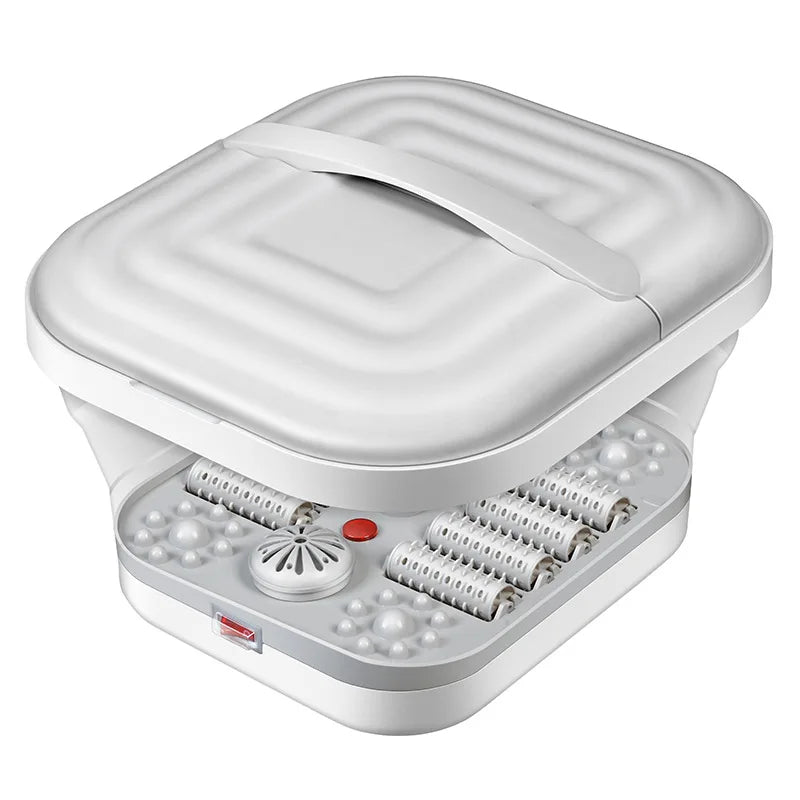
Cold feet poor circulation explained visually
How blood circulation keeps your feet warm
How blood reaches your feet
Your heart pumps oxygen-rich blood through arteries that travel all the way to your legs and feet. Because your feet are the parts of your body farthest from the heart, healthy circulation depends on efficient heart function, flexible blood vessels, and the calf muscles acting as a "second pump" to help move blood back toward the heart. Regular walking and ankle movement play an important role in maintaining steady blood flow.
Why reduced blood flow causes cold feet
When blood flow decreases, your body naturally redirects warm blood toward essential organs such as the heart and brain. As a result, your toes and feet often become the first areas to feel cold. Reduced circulation may occur temporarily after sitting still for long periods or spending time in cold weather, but persistent poor circulation in feet can leave your feet feeling cold even indoors or while wearing warm socks.
Temperature regulation and circulation
Blood circulation does more than deliver oxygen and nutrients—it also helps regulate body temperature. Tiny blood vessels near the skin expand to release heat and narrow to conserve it when you're cold. This normal response explains why healthy people can experience cold feet occasionally. However, if blood vessels are narrowed by vascular disease or other medical conditions, reduced blood flow to the feet may become persistent, making it difficult for your feet to stay warm even in comfortable environments.
Are cold feet a sign of poor circulation?
When cold feet are normal
Not necessarily. If you're wondering, are cold feet a sign of poor circulation , the answer is that they can be—but they're often a normal response to your environment or your body's temperature regulation. Healthy blood vessels naturally narrow in cold conditions to preserve heat for vital organs, making your feet feel temporarily cool. Once you warm up or become more active, your feet should usually return to a comfortable temperature.
Signs cold feet may indicate poor circulation
Does cold feet mean poor circulation? It becomes more likely when cold feet are persistent, occur even in warm environments, or are accompanied by other symptoms. Warning signs that may suggest reduced blood flow include:
- Feet that remain cold despite wearing warm socks or using blankets
- Numbness, tingling, or reduced sensation
- Pale, bluish, or purple skin color
- Pain or cramping while walking that improves with rest
- Slow-healing cuts, blisters, or sores on the feet
- Weak pulses in the feet or ankles
Persistent symptoms should be evaluated by a healthcare professional to determine whether poor circulation, nerve disorders, or another medical condition is responsible.
Other common reasons feet feel cold
Cold feet are not always related to vascular disease. Other common explanations include:
- Cold weather or air-conditioned environments
- Long periods of sitting or limited physical activity
- Stress and anxiety, which temporarily narrow blood vessels
- Low body fat or naturally cold-sensitive hands and feet
- Certain medications that affect blood vessel function
Identifying whether your symptoms are temporary or persistent is the first step toward finding the most appropriate solution.
Common causes and risk factors for poor circulation in the feet
Lifestyle factors
Several everyday habits can reduce circulation over time, particularly when combined. The most common lifestyle contributors include:
- Lack of regular exercise, which decreases muscle-assisted blood flow
- Smoking or tobacco use, which damages blood vessels and reduces circulation
- Prolonged sitting or standing without moving
- Excess body weight, which places additional strain on the circulatory system
Cardiovascular conditions
Medical conditions affecting the heart and blood vessels are among the leading causes of poor circulation in feet . Peripheral artery disease (PAD) narrows arteries supplying the legs, reducing blood flow and increasing the risk of pain, cold feet, and slow wound healing. High cholesterol and high blood pressure also contribute to blood vessel damage over time.
Diabetes and metabolic disease
Diabetes can affect both blood vessels and nerves, making it a common cause of cold feet. Reduced circulation combined with diabetic nerve damage may decrease sensation, making it harder to notice injuries or infections. Anemia and other metabolic conditions may also contribute by reducing oxygen delivery throughout the body.
Smoking, age, and inactivity
Your risk of developing poor blood flow to the feet increases with:
- Age over 50 years
- A family history of cardiovascular or vascular disease
- Smoking or long-term tobacco exposure
- High cholesterol, hypertension, or diabetes
- A sedentary lifestyle with little daily movement
Understanding these causes and risk factors helps explain why some people develop persistent feet cold poor circulation symptoms while others experience only occasional cold feet from temporary environmental factors.
Symptoms of poor circulation in the feet
Early symptoms
Reduced blood flow often develops gradually. Early symptoms may come and go at first, especially during cold weather or after long periods of sitting. Common signs include:
- Cold feet or cold toes even in a warm environment
- Tingling or a "pins and needles" sensation
- Numbness or reduced sensitivity in the feet
- Feet that take longer than usual to warm up
- Shiny, dry skin or slower toenail growth over time
Advanced symptoms
As circulation problems become more severe, symptoms may become persistent and interfere with daily activities. These warning signs should not be ignored:
- Skin discoloration, including pale, bluish, or purple tones
- Pain or cramping in the calves, feet, or legs while walking that improves with rest
- Slow-healing cuts, blisters, or foot ulcers
- Weak or difficult-to-detect pulses in the feet or ankles
- Hair loss on the lower legs or feet
- Persistent pain at rest in more advanced cases
Symptom comparison table
| Symptom | Possible early circulation problem | Possible advanced circulation problem |
|---|---|---|
| Cold feet | Occasional or persistent coldness | Feet remain cold despite warming measures |
| Sensation | Mild tingling or numbness | Marked loss of feeling or persistent numbness |
| Skin appearance | Pale skin | Blue, purple, or unusually shiny skin |
| Pain | Discomfort after activity | Pain while walking or even at rest |
| Wound healing | Normal healing | Slow-healing cuts, sores, or ulcers |
Experiencing one symptom occasionally does not necessarily mean you have poor circulation. However, several symptoms occurring together—especially persistent cold feet, pain, skin color changes, or slow wound healing—warrant a medical evaluation.
When to worry about cold feet circulation problems
Red flag symptoms
Seek prompt medical attention if cold feet are accompanied by any of the following:
- Persistent or worsening pain in the feet or legs
- Open sores, ulcers, or wounds that do not heal
- Severe skin discoloration, swelling, or blackened tissue
- Sudden numbness, weakness, or loss of sensation
- A foot that becomes suddenly cold, pale, and painful
When to see a doctor
Schedule a medical evaluation if your feet remain cold for weeks despite lifestyle changes, or if symptoms are interfering with walking, sleep, or daily activities. Your healthcare provider may assess circulation, nerve function, and underlying conditions such as peripheral artery disease, diabetes, anemia, or thyroid disorders. Early diagnosis and treatment can improve symptoms and reduce the risk of long-term complications.
How to warm up feet with poor circulation
Safe warming techniques
If you have chronically cold feet, gentle warming methods can improve comfort and temporarily increase blood flow. Choose gradual warming rather than exposing your feet to intense heat, particularly if you have diabetes or reduced sensation.
- Soak your feet in comfortably warm (not hot) water for 10–15 minutes.
- Wear insulated socks made from wool or moisture-wicking materials.
- Use a heating pad on a low setting with a protective layer between the pad and your skin.
- Keep your entire body warm, as warming your core also helps improve circulation to your extremities.
Exercise and movement
Movement is one of the most effective ways to improve circulation naturally. Contracting the muscles in your legs and feet helps pump blood back toward the heart and reduces pooling in the lower limbs.
- Walk for at least 20–30 minutes most days of the week.
- Perform ankle circles, heel raises, and toe flexes several times a day.
- Stand up and stretch every 30–60 minutes if you sit for long periods.
- Choose low-impact activities such as cycling or swimming if walking is uncomfortable.
Foot massage and stretching
Gentle massage may temporarily improve local circulation while reducing muscle tension and stiffness. Stretching the calves, ankles, and feet can also promote flexibility and encourage healthy blood flow.
- Massage the soles of your feet using gentle circular motions.
- Stretch your calf muscles before and after exercise.
- Roll the bottom of your foot over a massage ball to relax tight tissues.
Warm socks and footwear
Proper footwear helps retain heat without restricting circulation. Choose shoes that fit comfortably and avoid socks or footwear that are excessively tight around the ankles or toes, as they may reduce blood flow. In cold weather, layering breathable socks can provide additional warmth while helping regulate moisture.
Can heat therapy improve circulation?
Benefits and limitations
Heat therapy can temporarily widen superficial blood vessels, increasing blood flow to the skin and helping relieve the sensation of cold feet. Many people find it useful for improving comfort, relaxing muscles, and easing stiffness. However, heat therapy does not reverse blocked arteries or treat underlying circulatory diseases such as peripheral artery disease.
- Provides temporary warmth and comfort
- Promotes relaxation of muscles and soft tissues
- May improve short-term blood flow near the skin surface
- Works best alongside regular exercise and healthy lifestyle habits
Who should avoid heating pads
Heating pads should be used cautiously—or avoided altogether—by people with reduced sensation, severe diabetic neuropathy, significant peripheral artery disease, or open wounds. Because these conditions can make it difficult to detect excessive heat, they increase the risk of accidental burns.
Safe use guidelines
- Use the lowest comfortable heat setting.
- Limit heating sessions to about 15–20 minutes at a time.
- Never fall asleep while using a heating pad.
- Place a towel or cloth between the heating source and your skin.
- Check your skin regularly for redness or irritation, especially if sensation is reduced.
Heat therapy is most effective as a complementary strategy for symptom relief. If cold feet are persistent or caused by an underlying medical condition, treating the root cause is essential for long-term improvement.
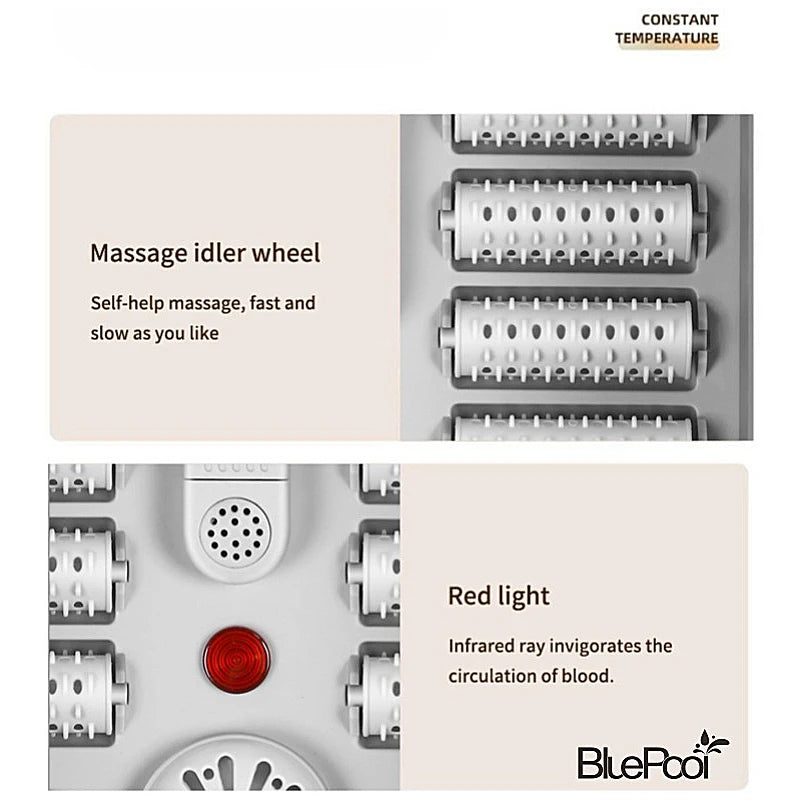
Safe warming techniques can temporarily improve comfort and support healthy blood flow.
Preventing poor circulation and cold feet
Daily habits
Healthy circulation is supported by consistent lifestyle choices rather than occasional treatments. The following habits can help reduce your risk of chronic cold feet and improve overall vascular health:
- Stay physically active with regular walking or other aerobic exercise.
- Avoid smoking and limit excessive alcohol consumption.
- Maintain a healthy body weight and eat a heart-healthy diet.
- Stand up, stretch, and walk every 30–60 minutes if you sit for long periods.
- Stay well hydrated throughout the day.
- Manage blood pressure, cholesterol, and blood sugar according to your healthcare provider's recommendations.
Foot care
Good foot care is especially important if you have diabetes, peripheral artery disease, or reduced sensation in your feet.
- Inspect your feet daily for cuts, blisters, or skin changes.
- Keep your feet clean, dry, and moisturized to prevent cracked skin.
- Wear properly fitting shoes that do not compress your toes.
- Avoid walking barefoot if you have reduced sensation.
- Trim toenails carefully and seek professional foot care if needed.
Managing chronic conditions
If an underlying medical condition is contributing to poor circulation, managing it effectively is the best long-term strategy. Following treatment plans for diabetes, peripheral artery disease, high blood pressure, high cholesterol, thyroid disorders, or anemia can help improve blood flow and reduce complications over time.
Frequently asked questions
Are cold feet always a sign of poor circulation?
No. Cold feet are often caused by cold temperatures, stress, inactivity, or natural variations in temperature sensitivity. Persistent cold feet accompanied by pain, numbness, or skin color changes are more likely to indicate an underlying circulation problem.
Can anxiety or stress cause cold feet?
Yes. Stress activates the body's "fight-or-flight" response, temporarily narrowing blood vessels in the hands and feet. Once stress levels decrease, circulation typically returns to normal.
Can cold feet poor circulation affect sleep?
Yes. Cold feet can make it more difficult to fall asleep because warming the feet helps the body prepare for sleep. Wearing warm socks or using safe warming techniques before bed may improve comfort.
What is the fastest way to warm up feet with poor circulation?
Gentle walking, ankle exercises, warm socks, and a comfortably warm foot soak are among the safest ways to increase blood flow and warm cold feet. Avoid exposing your feet to excessive heat, especially if you have reduced sensation.
Can poor circulation cause cold toes without foot pain?
Yes. In the early stages of reduced circulation, cold toes may occur without pain. As blood flow worsens, symptoms such as numbness, cramping, skin discoloration, or slow-healing wounds may develop.
Does walking improve circulation in cold feet?
Yes. Walking activates the calf muscles, which help pump blood back toward the heart and improve circulation in the legs and feet. Regular physical activity is one of the most effective long-term strategies for healthy blood flow.
Can dehydration make poor circulation worse?
Dehydration can reduce blood volume, making circulation less efficient. Drinking enough fluids throughout the day supports normal cardiovascular function and healthy blood flow.
When should I see a doctor for cold feet?
See a healthcare professional if your feet remain cold despite warming measures, or if you develop pain, numbness, skin discoloration, swelling, or wounds that heal slowly. Prompt evaluation is especially important if symptoms appear suddenly or worsen rapidly.
What is the best treatment for chronic cold feet?
The most effective treatment depends on the underlying cause. Lifestyle measures such as regular exercise, smoking cessation, healthy nutrition, and proper foot care often improve circulation, while medical conditions like peripheral artery disease or diabetes require appropriate diagnosis and treatment by a healthcare professional.













