

Do gloves really help with cold hands from poor circulation?
Yes, the right gloves can significantly improve comfort for people with cold hands caused by poor circulation—but they do not treat the underlying circulation problem. The best gloves for cold hands poor circulation are designed to reduce heat loss, protect fingers from cold exposure, and provide additional warmth when your body cannot generate enough heat on its own.
Unlike standard winter gloves that only trap existing body heat, specialized gloves for poor circulation combine insulation, weather protection, and in some cases active heating technology.
The best gloves for cold hands and poor circulation typically work in three ways:
- They retain heat efficiently: Materials such as fleece, down, and synthetic insulation slow heat loss and help maintain a warmer environment around your fingers.
- They protect against external cooling: Windproof and water-resistant layers prevent cold air and moisture from rapidly lowering hand temperature.
- They provide additional warmth or comfort: Heated gloves add active warmth, while some compression-style gloves may improve comfort for cold-sensitive hands.
How gloves improve warmth and circulation
Gloves support warmer hands by creating a protective barrier between your skin and the environment. When temperatures drop, your body naturally reduces blood flow to your fingers to preserve core heat. A properly designed glove helps slow this heat loss so your hands stay comfortable for longer.
For people searching for the best gloves for circulation problems , the ideal choice depends on the cause of cold hands. Someone who becomes uncomfortable during short winter walks may benefit from insulated gloves, while someone whose fingers become numb during freezing conditions may need battery-powered heated gloves.
When gloves alone are not enough
Gloves can help maintain warmth, but they cannot repair damaged blood vessels or cure circulation disorders. People with conditions such as Raynaud’s phenomenon, diabetes-related circulation changes, or persistent numbness may need additional strategies and medical guidance.
For severe cold sensitivity, the most effective approach often combines gloves for poor circulation with proper layering, keeping the core warm, staying active, and reducing prolonged exposure to cold temperatures.
Cold Hands from Poor Circulation: Best Gloves That Actually Keep You Warm
Cold hands during winter activities are more than an inconvenience—they can affect comfort, grip, and confidence outdoors. Numb fingers can make running uncomfortable, cycling more difficult, and everyday winter tasks frustrating. If your hands become cold, stiff, or painful every winter, the solution may not be wearing thicker gloves—it may be choosing gloves designed for your specific circulation needs.
This guide explains how gloves for cold hands poor circulation work, why traditional winter gloves often fail, and how to choose the right balance of warmth, flexibility, and protection.
⏱ 6 min read
Explore smarter ways to keep your hands warm and comfortable
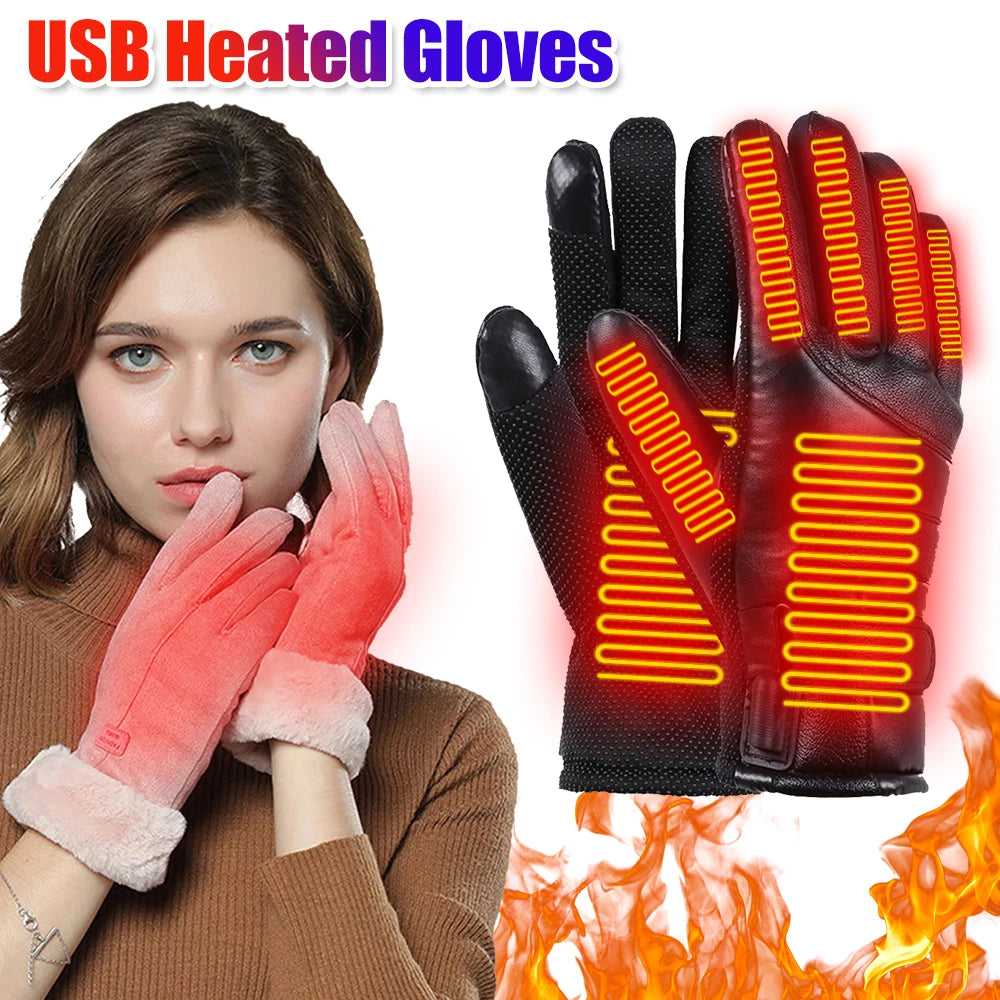
Cold hands during winter activities don’t have to slow you down — see it in action
Why do hands get cold so fast in winter?
Cold hands are often the result of your body's natural response to cold temperatures. When exposed to low temperatures, blood vessels narrow through a process called vasoconstriction. This helps protect your core body temperature but can reduce warm blood flow reaching your fingers.
Common medical and lifestyle causes
For people with cold-sensitive hands, this response can feel much stronger. Common reasons hands become cold quickly include:
- Raynaud’s syndrome: A condition where fingers may temporarily turn white, blue, or feel numb when exposed to cold or stress.
- Poor peripheral circulation: Reduced blood flow to the hands can make warming up slower after cold exposure.
- Arthritis and aging: Changes associated with aging and joint conditions may increase sensitivity to cold.
- Diabetes and circulation-related conditions: Some health conditions can affect sensation and blood flow in the hands.
- Cold exposure and reduced activity: Wind, moisture, and staying still outdoors can accelerate heat loss.
Who is most at risk?
People who frequently experience numb fingers, painful cold sensations, or difficulty warming their hands may need more specialized winter gloves for poor circulation.
This includes outdoor workers, winter athletes, cyclists, people who spend long periods outside, and anyone whose hands become cold faster than the rest of their body.
Understanding why your hands lose warmth is important because the best gloves for cold sensitive hands are not always the thickest option—they are the ones that match your symptoms and environment.
Why standard gloves don’t work for poor circulation
Most winter gloves are designed for people with normal circulation. They rely on your body producing enough heat, then use insulation to trap that warmth. However, if your hands are already struggling to stay warm, insulation alone may not solve the problem.
Heat retention vs heat generation
Traditional gloves are built mainly for heat retention. They slow down heat loss but do not create new warmth. This difference explains why someone can wear thick gloves and still have freezing fingers.
People with extremely cold hands often need gloves that provide additional heating support rather than relying only on insulation.
Common design limitations
- Insufficient insulation: Thin or low-quality materials may not provide enough protection during freezing temperatures.
- Poor fit: Gloves that are too tight may feel restrictive and reduce comfort.
- Lack of wind protection: Cold wind can remove heat from fingers much faster than still air.
- No active heating: Standard gloves cannot add warmth when your hands are already cold.
This is why many people looking for gloves for poor circulation choose heated gloves, layered glove systems, or designs that prioritize warmth without restricting movement.
Best gloves for cold hands poor circulation (quick picks by use case)
If your hands stay cold despite wearing regular winter gloves, choosing the right glove technology can make a noticeable difference. The best gloves for cold hands poor circulation should match your symptoms, activity level, and how long you spend in cold conditions.
Comparison table
| Category | Best Choice | Why It Works | Best For |
|---|---|---|---|
| Top overall pick | Heated gloves | Provides active warmth instead of only trapping existing heat | People with severe cold sensitivity or frequent numbness |
| Best value | Insulated thermal gloves | Offers reliable warmth without batteries or charging | Daily winter use and moderate climates |
| Best heated option | Battery-powered heated gloves | Maintains warmth during extended outdoor exposure | Raynaud’s symptoms, cycling, and freezing temperatures |
| Best insulated option | Windproof winter gloves | Reduces heat loss caused by cold air and wind | Walking, commuting, and outdoor activities |
| Best compression option | Light compression gloves | Provides comfortable coverage for cold-sensitive hands | Indoor use, desk work, and mild cold conditions |
Editor's top recommendations
- For extremely cold hands: Choose heated gloves with adjustable temperature settings to maintain warmth when insulation alone is not enough.
- For everyday winter wear: Look for insulated gloves with soft lining, flexible materials, and a comfortable fit.
- For outdoor sports: Prioritize gloves that balance warmth, moisture control, and dexterity.
- For indoor cold sensitivity: Thin thermal or compression gloves can provide comfort without limiting movement.
The best gloves for poor circulation are not always the thickest gloves available. The right choice depends on whether your main challenge is heat loss, wind exposure, limited movement, or naturally cold hands.
Best gloves by activity: matching warmth to circulation needs
The ideal gloves for cold hands in winter activities depend on how your body produces heat during movement. Active activities create more body warmth, while slower activities require stronger insulation or additional heating support.
Outdoor sports
Running, hiking, and other high-movement activities require gloves that prevent heat loss without causing excessive sweating. Breathable thermal materials, wind resistance, and flexible construction help maintain comfort during exercise.
- Choose lightweight insulation for active movement
- Look for moisture-wicking liners to prevent dampness
- Prioritize flexibility and grip for outdoor performance
Daily commuting
Commuters often spend extended periods exposed to cold air without generating enough body heat to warm their hands. Windproof or heated gloves can provide more consistent warmth during walks, public transportation, or outdoor waiting periods.
- Consider weather resistance for rain and wind
- Choose comfortable gloves for longer wear periods
- Look for touchscreen compatibility if needed
Office and indoor use
Some people experience cold hands while working indoors, especially in air-conditioned environments or during long periods of inactivity. Lightweight thermal gloves or compression gloves may provide warmth without making typing and daily tasks difficult.
- Choose thin materials for better dexterity
- Avoid overly tight designs that feel restrictive
- Select breathable fabrics for all-day comfort
Driving
Drivers need a balance between warmth and control. Bulky winter gloves can reduce grip, so flexible insulated gloves with textured palms are often a better choice.
- Prioritize grip and finger mobility
- Avoid excessive bulk around the steering wheel
- Choose warmth based on trip length and outdoor exposure
| Activity | Main Challenge | Best Glove Feature |
|---|---|---|
| Running | Wind, sweat, and overheating | Breathable thermal insulation |
| Cycling | High wind chill and long exposure | Heated or windproof shell |
| Walking | Lower heat production | Thicker insulation or active heating |
| Outdoor chores | Grip and hand movement | Flexible warmth with durable materials |
Best Cold Weather Running Gloves
Cold weather running gloves work best when they combine warmth, breathability, and freedom of movement. Since runners generate body heat quickly, overly thick gloves can trap sweat and make hands uncomfortable during longer sessions.
What Makes a Good Running Glove?
- Light insulation: Keeps hands comfortable without causing overheating.
- Wind resistance: Helps block cold air during outdoor runs.
- Moisture-wicking lining: Reduces discomfort from sweat buildup.
- Snug but flexible fit: Maintains warmth without limiting movement.
Top features for runners
The best cold weather running gloves should support performance as well as warmth. Important features include:
- Breathability: Prevents moisture buildup during intense activity.
- Grip: Helps runners hold phones, water bottles, or gear securely.
- Wind resistance: Protects fingers during exposed outdoor routes.
- Touchscreen compatibility: Allows device use without removing gloves.
Runner insight: Hands that feel slightly cool during the first few minutes of a run often warm up as circulation increases through movement.
If you’re comparing winter wellness tools for circulation support, exploring Body Care and Health Devices can help you understand how warmth and blood flow are connected.
Heated gloves for cycling: when passive warmth isn’t enough
Cycling creates one of the biggest challenges for cold hands: continuous wind exposure. Even when temperatures are only moderately cold, moving air increases heat loss and can quickly make fingers numb or stiff. For riders with poor circulation, traditional winter gloves may not provide enough warmth during longer rides.
Do heated gloves actually help during winter cycling?
Yes. Heated gloves for cycling can provide a more consistent warmth source because they use built-in heating elements powered by rechargeable batteries. Instead of relying only on your body heat, they actively add warmth to areas that often become cold first, such as fingertips and the back of the hand.
This makes heated gloves especially useful for cyclists who experience cold fingers during long rides, winter commuting, or low-temperature outdoor activities.
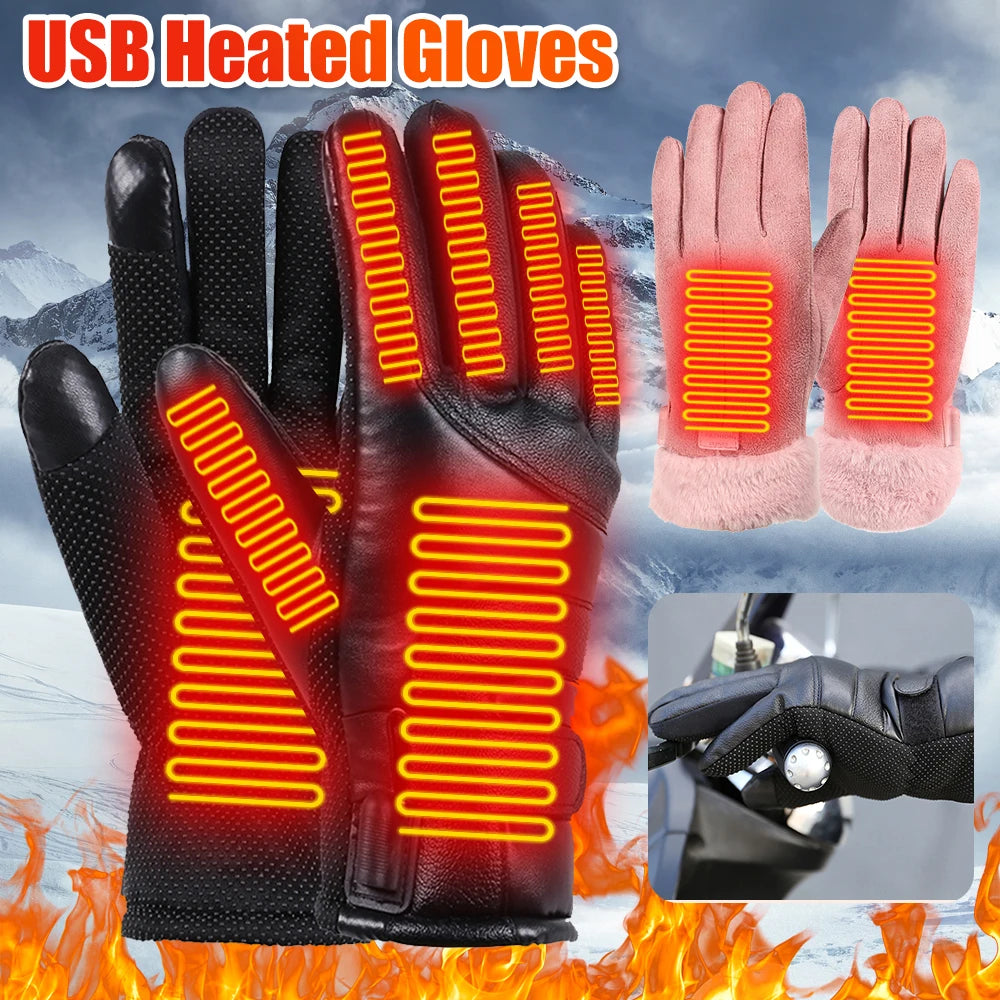
Heated gloves cycling keeps hands responsive on cold rides — see it in action
Why cyclists choose heated gloves
- Consistent warmth: Helps maintain comfortable hand temperature during extended exposure to cold wind.
- Better finger mobility: Warm fingers are less likely to become stiff, helping riders maintain grip and control.
- Improved comfort: Reduces discomfort caused by cold temperatures during longer rides.
- Flexible temperature control: Adjustable heat settings allow riders to adapt to changing weather conditions.
Battery life and safety
Battery performance depends on factors such as heat level, outdoor temperature, and battery capacity. Higher heat settings generally provide more warmth but may reduce runtime.
For reliable performance:
- Fully charge batteries before long rides
- Store batteries according to manufacturer recommendations
- Protect gloves from excessive moisture
- Use only compatible charging equipment
Water resistance is also important for cyclists because rain, snow, and wet conditions can quickly reduce warmth. A combination of heating, insulation, and weather protection provides the best performance in winter conditions.
For riders who want dependable warmth, the USB Heated Gloves provide adjustable heating designed for cycling, commuting, and long outdoor sessions.
See how heated gloves support winter cycling comfort
Best gloves for extremely cold hands (Raynaud’s and severe cases)
If your fingers turn white, numb, painful, or lose flexibility in cold temperatures, standard winter gloves may not provide enough protection. People with severe cold sensitivity often need gloves designed specifically to maximize warmth and minimize heat loss.
Features to prioritize
The best gloves for extremely cold hands focus on creating and preserving warmth through multiple layers of protection.
- Maximum insulation: Thick thermal materials help slow heat loss during freezing conditions.
- Battery-powered heating: Heated gloves provide active warmth when natural heat production is not enough.
- Mittens or insulated designs: Keeping fingers together helps preserve shared warmth.
- Layering compatibility: Thin liners combined with insulated outer gloves provide flexibility in changing conditions.
Layering strategies for severe cold
A layered glove system can often outperform a single thick glove because each layer serves a different purpose:
- Base layer: Adds light warmth and helps manage moisture.
- Insulation layer: Traps warm air around the hands.
- Outer shell: Blocks wind, snow, and moisture.
This approach allows you to adjust protection depending on activity level and weather conditions.
When to seek medical advice
Cold hands are common in winter, but frequent or severe symptoms may require professional evaluation. Consider speaking with a healthcare provider if cold exposure regularly causes:
- Significant pain or numbness
- Persistent color changes in fingers
- Symptoms that interfere with daily activities
- Difficulty warming your hands after returning indoors
Choosing the best gloves for circulation problems can improve comfort, but gloves should be viewed as a protection strategy rather than a treatment for underlying medical conditions.
Everyday winter gloves for poor circulation
For daily winter use, the ideal gloves balance warmth, comfort, and practicality. People who commute, run errands, or spend moderate amounts of time outdoors usually need reliable insulation without excessive bulk.
- Soft thermal lining: Provides comfortable warmth for everyday wear.
- Wind-resistant outer layer: Helps prevent rapid heat loss during outdoor exposure.
- Relaxed fit: Allows comfortable movement without unnecessary pressure.
- Touchscreen compatibility: Makes it easier to use phones and devices without removing gloves.
These winter gloves for poor circulation are ideal for commuting, casual walks, errands, and moderate climates where extreme heating technology may not be necessary.
Indoor and low-activity gloves for cold-sensitive hands
If your hands stay cold indoors, lightweight gloves can help maintain warmth without the bulk of outdoor winter gear. These options are especially useful for office work, home use, reading, gaming, or any situation where your hands feel chilled despite a comfortable room temperature.
The best gloves for cold sensitive hands indoors should provide warmth while preserving finger movement:
- Thin thermal gloves: Add a lightweight layer of insulation for everyday comfort without limiting dexterity
- Compression gloves: May provide gentle support and warmth for people who experience stiffness or discomfort in their hands
- Fingerless gloves: Keep palms and wrists warm while allowing easier typing, writing, or device use
For indoor use, avoid overly thick gloves that make daily tasks difficult. A comfortable fit, breathable material, and gentle warmth are usually more practical than maximum insulation.
How to choose the right gloves for poor circulation
Choosing the best gloves for poor circulation depends on your symptoms, climate, activity level, and how long you spend outdoors. The right pair should balance heat retention, comfort, and mobility instead of simply being the thickest option available.
Insulation materials
Different insulation materials perform better in different conditions:
- Fleece: Lightweight, breathable, and effective for mild to moderate cold
- Down insulation: Excellent warmth-to-weight ratio for very cold environments, but less effective when wet
- Synthetic insulation: Reliable in damp conditions and often easier to maintain
For warm gloves for outdoor winter activities, match insulation thickness to your movement level. Active users often need breathable insulation, while people standing or sitting outdoors usually need more warmth.
Heating technology
Heated gloves are designed to provide active warmth using battery-powered heating elements. They can be a strong choice for people with extremely cold hands because they do not rely only on the body’s ability to generate heat.
When comparing heated options, consider temperature settings, battery runtime, charging time, and whether the heating area covers fingers as well as the back of the hand.
Fit and comfort
A proper fit is essential for gloves for poor circulation. Gloves that are too tight can create pressure around the fingers and wrist, reducing comfort and potentially making cold sensations worse.
- Choose enough room for natural finger movement
- Avoid tight cuffs that compress the wrist
- Consider room for a thin liner if layering is needed
Wind and water resistance
Cold wind and moisture can quickly reduce the effectiveness of even high-quality insulation. Look for gloves with wind-resistant outer materials and water-resistant protection when you spend extended time outdoors.
For snowy weather, cycling, or wet conditions, weather protection is just as important as insulation because damp gloves lose warmth much faster.
Sizing guide
The best gloves should fit securely without squeezing your fingers. Before purchasing, check the manufacturer’s size chart and measure your hand width and finger length when possible.
- Too small: Can reduce comfort and limit circulation
- Too large: Creates gaps where cold air enters
- Correct fit: Allows movement while maintaining insulation
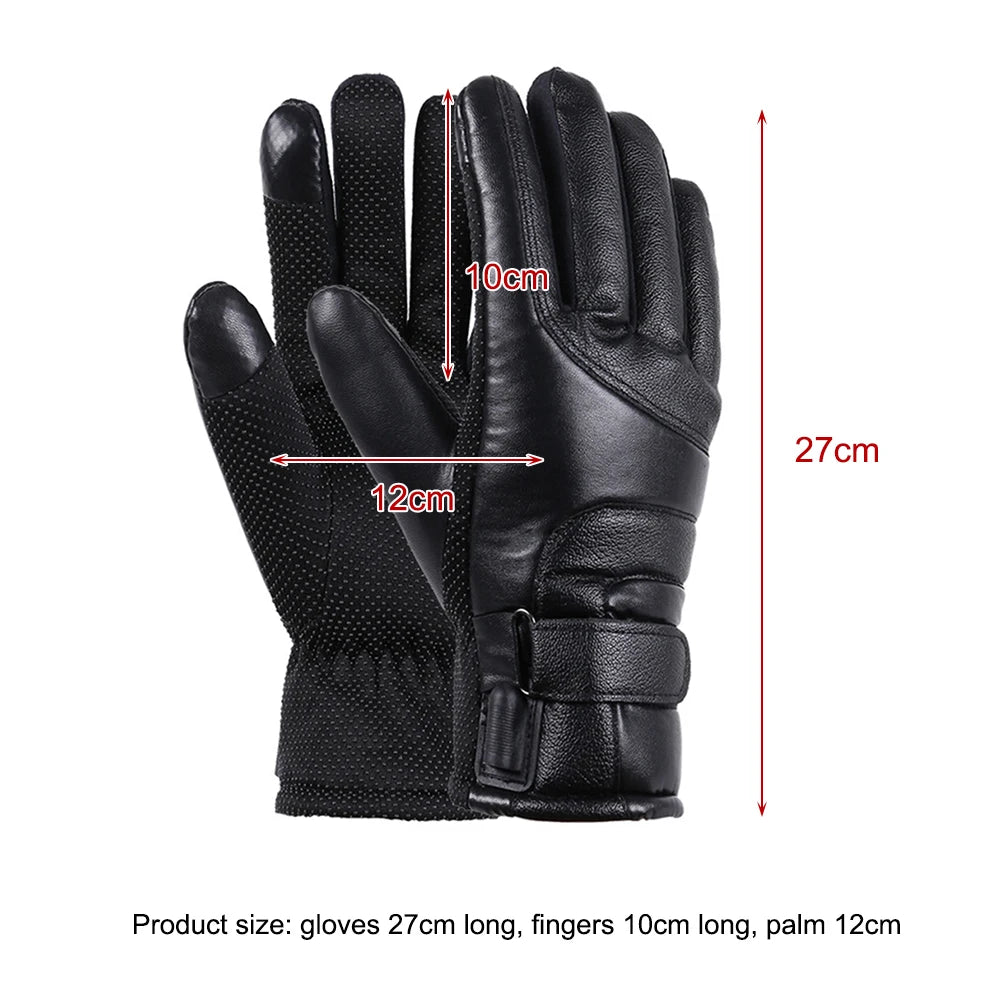
Warm hands restore confidence outdoors — see it in action
How to keep hands warm in winter beyond gloves
The best gloves for cold hands are only one part of a complete winter warmth strategy. If your body loses heat quickly, your hands may still feel cold because blood flow is redirected toward protecting your core.
Layering strategies
- Wear a moisture-managing base layer: Sweat can make hands feel colder by increasing heat loss
- Protect your core: A warm jacket, hat, and proper clothing layers help maintain overall body temperature
- Add hand warmers when needed: Disposable or rechargeable warmers can provide extra support during long outdoor activities
Lifestyle tips
- Stay active to encourage natural circulation during cold-weather activities
- Avoid wet gloves and replace damp layers quickly
- Take warming breaks during extended exposure
- Avoid clothing or accessories that feel restrictive around your wrists and hands
These habits can make winter activities more comfortable, especially for people who regularly experience cold-sensitive hands.
Get yours now and experience warmer hands sooner
Frequently asked questions
Why are my hands still cold even with gloves?
If your hands stay cold while wearing gloves, the issue may be that the gloves only trap existing heat rather than providing additional warmth. People with poor circulation may produce less heat in their fingers, making standard insulated gloves less effective.
For persistent cold hands, consider gloves with active heating, better wind protection, or a layered system that combines thermal liners with an insulated outer glove.
What are the best gloves for poor circulation?
The best gloves for poor circulation depend on your symptoms and environment. Heated gloves are often the strongest option for people with very cold hands because they provide direct warmth, while insulated gloves and mittens work well for moderate cold conditions.
For cold hands caused by poor circulation, look for features such as adjustable heat settings, breathable insulation, wind resistance, and a comfortable fit that does not restrict movement.
Are heated gloves safe for daily use?
Most modern heated gloves are designed for daily use when operated according to the manufacturer’s instructions. Rechargeable battery-powered models typically include temperature controls and safety features to help manage heat output.
Always inspect batteries, wiring, and heating elements for damage, and follow proper charging and storage recommendations to maintain safe performance.
Do running gloves work in freezing temperatures?
Cold weather running gloves can work in freezing temperatures when they provide the right balance of insulation, breathability, and wind protection. Runners should avoid overly bulky gloves that trap sweat and reduce dexterity.
The best cold weather running gloves usually include moisture-wicking materials, wind-resistant layers, touchscreen compatibility, and enough insulation for the expected temperature.
How do I improve circulation in my hands during winter?
You can support hand warmth in winter by keeping your entire body warm, staying physically active, avoiding tight gloves or wrist restrictions, and protecting your hands from moisture and wind.
If fingers frequently change color, become painful, or remain unusually cold even in warm environments, consider discussing these symptoms with a healthcare professional.
Are compression gloves better than heated gloves?
Compression gloves and heated gloves serve different purposes. Compression gloves may provide gentle support and warmth for some users, while heated gloves are designed to actively add heat.
For people who experience severe cold sensitivity or very cold fingers outdoors, heated gloves are usually more effective. Compression gloves may be better suited for indoor comfort or light support needs.
How long do heated glove batteries last?
Battery life varies depending on the glove design, temperature setting, battery capacity, and outdoor conditions. Lower heat settings typically provide longer runtime, while maximum heat settings use more energy.
When choosing heated gloves for cycling or extended outdoor activities, check expected runtime, charging time, and whether spare batteries are available for longer use.
Can people with Raynaud’s wear heated gloves?
Many people with Raynaud’s use heated gloves to help maintain hand warmth during cold exposure. However, heated gloves warm the hands but do not treat the underlying circulation condition.
People with frequent or severe Raynaud’s symptoms, including significant pain, skin changes, or prolonged numbness, should seek advice from a healthcare professional for proper evaluation.
Related Guide: Gloves Heated Battery Options for All Day Outdoor Use













