

Cold vs Heat Therapy: Which Relieves Muscle Pain Faster?
Cold vs heat therapy for muscle pain depends on when the pain started and what is causing it . Cold therapy works best during the first 24–72 hours after an injury because it limits inflammation, reduces swelling, and numbs pain. Heat therapy is more effective once swelling has settled or when muscles feel tight, stiff, or chronically sore because it improves circulation and relaxes muscle tissue.
Quick Decision Chart: Ice or Heat?
- New injury (0–72 hours): Use ice to reduce inflammation.
- Visible swelling: Choose cold therapy.
- Muscle stiffness or tightness: Choose heat therapy.
- Chronic back or neck pain: Heat is usually the better option.
- After swelling improves: Transition from ice to heat if stiffness remains.
- Unsure which to use? See the comparison table and recovery timeline below.
Cold vs Heat Therapy for Muscle Pain: When to Use Ice or Heat for Faster Recovery
⏱ 6 min read
Muscle pain can interrupt your routine, slow recovery, and make even simple movements uncomfortable. One of the most common questions is whether to use ice or heat—and choosing the wrong one can delay healing. Understanding when to use each method can help reduce pain, support tissue recovery, and get you moving comfortably again.
Many people apply heat to a fresh injury or continue icing muscles long after inflammation has settled. Matching the treatment to your stage of recovery gives better results while reducing unnecessary discomfort.
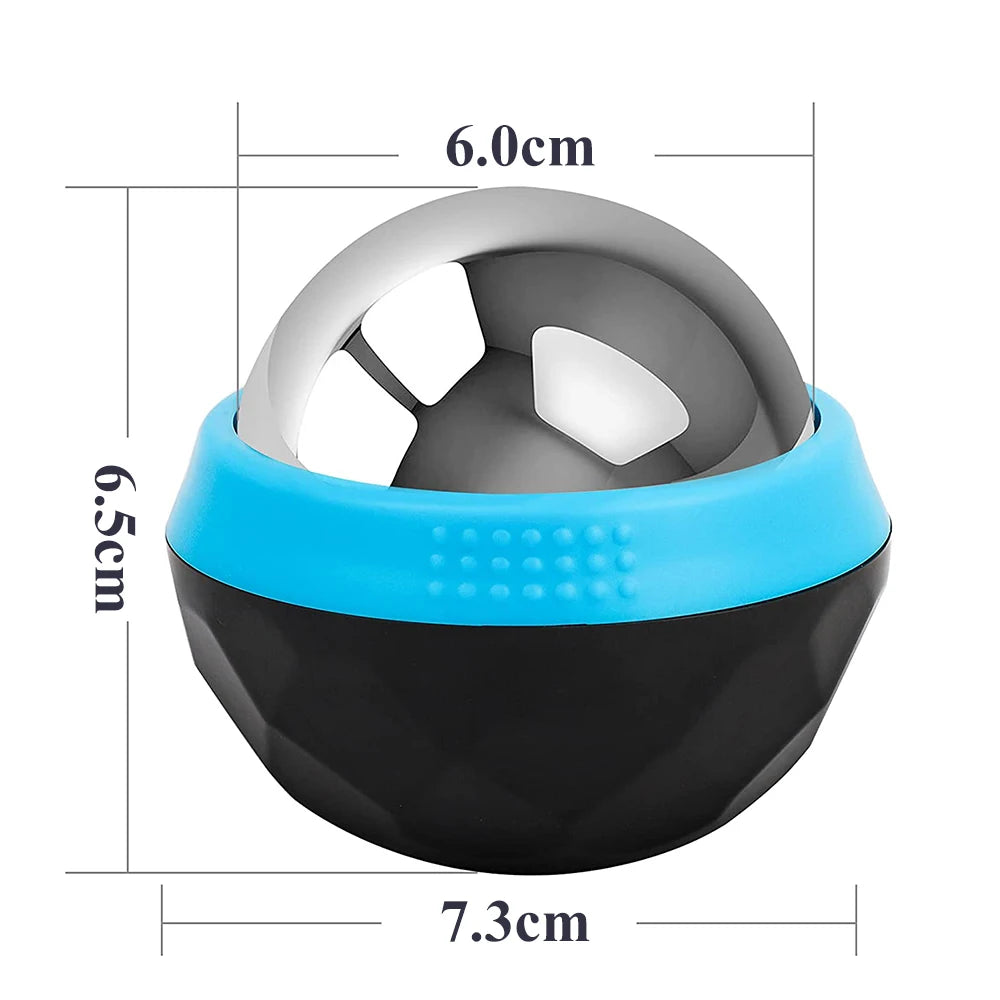
Understanding when to use cold or heat makes recovery faster
Cold vs Heat Therapy: What’s the Difference?
Although both therapies relieve pain, they affect your body in opposite ways. Understanding the biological differences helps you choose the right treatment for faster recovery.
How Cold Therapy (Cryotherapy) Works
Cold therapy causes vasoconstriction , meaning blood vessels temporarily narrow. This limits blood flow to injured tissue, helping reduce swelling, inflammation, and pain. Cold also slows nerve signaling, which provides a temporary numbing effect that can make acute injuries feel more comfortable.
How Heat Therapy Works
Heat causes vasodilation , allowing blood vessels to widen. Increased circulation delivers oxygen and nutrients to muscles while helping remove metabolic waste products. Heat also improves tissue elasticity, making it useful for stiff muscles, reduced mobility, and ongoing muscle tension.
Why They Affect Healing Differently
Neither therapy is universally better—they simply serve different purposes. Cold therapy is designed to control excessive inflammation during the early stages of healing, while heat therapy supports flexibility and comfort after inflammation decreases. A common misconception is that heat speeds healing immediately after an injury. In reality, applying heat too early may increase swelling because it encourages additional blood flow to already inflamed tissue.
Cold vs Heat Therapy for Muscle Pain: Quick Comparison Table
| Cold Therapy | Heat Therapy |
|---|---|
| Best for acute injuries, swelling, inflammation, and sharp pain | Best for stiffness, muscle tension, chronic pain, and reduced mobility |
| Reduces blood flow (vasoconstriction) | Increases circulation (vasodilation) |
| Typical session: 15–20 minutes | Typical session: 15–20 minutes |
| Avoid prolonged exposure or direct skin contact | Avoid using over fresh injuries or active swelling |
| Common examples: sprains, strains, bruises | Common examples: muscle knots, chronic back pain, stiffness |
When to Use Ice for Muscle Pain and Injuries
Cold therapy for muscle inflammation is most effective during the early stages of an injury when swelling and pain are developing.
Best for Acute Injuries (First 24–72 Hours)
Ice is generally recommended during the first 24–72 hours after sprains, strains, impacts, or sudden muscle injuries. Applying cold during this period helps limit swelling and may reduce secondary tissue damage caused by excessive inflammation.
Conditions That Benefit from Cold Therapy
- Muscle strains and sprains
- Swollen joints
- Bruises and impact injuries
- Acute back pain with inflammation
- Exercise-related inflammation after intense activity
When You Should Avoid Ice
Cold therapy may not be appropriate if muscles are simply stiff without inflammation. People with certain circulation disorders, cold hypersensitivity, or reduced skin sensation should consult a healthcare professional before using prolonged cold applications.
When to Use Heat for Muscle Pain and Stiffness
Heat therapy for muscle stiffness works best when inflammation is no longer the primary problem and muscles need relaxation or improved mobility.
Best for Chronic Pain and Tight Muscles
Heat is often helpful before stretching, mobility work, or exercise because it relaxes muscles and improves flexibility. It is also commonly used for chronic muscle tightness, recurring back discomfort, and tension caused by prolonged sitting.
Conditions That Benefit from Heat Therapy
- Muscle stiffness
- Muscle knots and trigger points
- Chronic neck or back pain
- Delayed onset muscle soreness (DOMS)
- General muscle tension
When You Should Avoid Heat
Avoid heat immediately after an injury if swelling, redness, or inflammation is present. Heat should also be used cautiously over areas with impaired sensation or poor circulation because burns can occur without being noticed.
Cold vs Heat Therapy Timeline: What to Use and When
- 0–72 hours after injury: Prioritize cold therapy to control swelling and inflammation.
- Once swelling improves: Introduce heat if muscles become stiff or movement feels restricted.
- Recovery phase: Continue heat before stretching or gentle exercise when appropriate.
- Recurring muscle tension: Heat can be used regularly, while cold remains useful for occasional flare-ups involving inflammation.
Ice vs Heat for Common Conditions
Ice or Heat for Back Pain
For sudden back injuries or painful flare-ups accompanied by inflammation, start with ice. Chronic muscular back pain or stiffness generally responds better to heat.
Heat or Cold for Muscle Strains and Sprains
Use ice during the first few days after a strain or sprain. Heat becomes more appropriate later in recovery when swelling has decreased and restoring movement is the priority.
Ice vs Heat for Muscle Recovery After Exercise
Following particularly intense exercise, cold therapy may help if inflammation or localized soreness is significant. Heat is often more beneficial on recovery days when muscles simply feel tight and stiff.
Heat or Cold for Arthritis and Joint Stiffness
Heat frequently provides greater comfort for chronic arthritis-related stiffness by improving joint mobility. Ice may still be helpful during inflammatory flare-ups involving swelling.
Heat or Cold for Swelling and Inflammation
Cold remains the preferred choice whenever swelling is present because heat can temporarily increase blood flow and potentially worsen inflammation during the acute phase.
Can You Alternate Cold and Heat Therapy?
Contrast Therapy Basics
Contrast therapy alternates cold and heat during the same session. The goal is to combine the pain-relieving effects of cold with the circulation-promoting benefits of heat.
When Alternating Helps
Alternating therapy may benefit people recovering from exercise, those with lingering muscle soreness after the initial inflammatory stage, or individuals managing chronic stiffness. It is generally not recommended immediately after a fresh injury with significant swelling.
How to Alternate Safely
- Begin with cold if inflammation is still present.
- Apply each treatment for about 10–15 minutes.
- Use a protective towel between your skin and the therapy source.
- Stop if symptoms worsen or skin becomes excessively numb, painful, or irritated.
Common Mistakes When Using Ice or Heat Therapy
- Using heat on a fresh injury with active swelling.
- Applying ice or heat directly to bare skin.
- Leaving treatments on much longer than recommended.
- Ignoring increasing pain, skin discoloration, or burning sensations.
- Continuing the same therapy even after symptoms change.
How to Use Ice or Heat Safely (Step-by-Step Guide)
Cold Therapy Instructions
- Wrap the ice pack or cold device in a thin towel.
- Apply for 15–20 minutes.
- Allow the skin to return to normal temperature before repeating.
- Repeat every 2–3 hours during the first couple of days if needed.
Heat Therapy Instructions
- Use a warm heating pad, warm towel, or warm bath.
- Apply for 15–20 minutes.
- Check the skin regularly to avoid overheating.
- Use before stretching or activity if stiffness limits movement.
Recommended Treatment Duration
Longer treatments are not necessarily more effective. Sessions of approximately 15–20 minutes provide therapeutic benefits while reducing the risk of skin irritation or burns.
Cold vs Heat Therapy Benefits and Limitations
Evidence Summary by Pain Type
Cold therapy benefits: Best supported for reducing swelling, limiting inflammation, and relieving acute pain after injury.
Heat therapy benefits: Most helpful for improving flexibility, reducing muscle tightness, and relieving chronic muscular discomfort.
Limitations: Cold can temporarily increase stiffness if overused, while heat may worsen active inflammation when applied too soon after injury. Selecting the appropriate therapy based on your symptoms is more important than choosing one treatment exclusively.
Quick Decision Guide: Should You Use Ice or Heat?
- Swelling or inflammation? Use ice.
- Recent injury? Start with cold therapy.
- Muscle stiffness or tightness? Use heat.
- Chronic pain without swelling? Heat is usually preferred.
- Recovery after inflammation settles? Transition gradually to heat.
When to See a Healthcare Provider
Seek medical evaluation if muscle pain is severe, follows a significant injury, prevents you from bearing weight, is accompanied by numbness or weakness, or does not improve after several days of appropriate self-care. Older adults and people with diabetes, poor circulation, or nerve disorders should use both heat and cold cautiously.
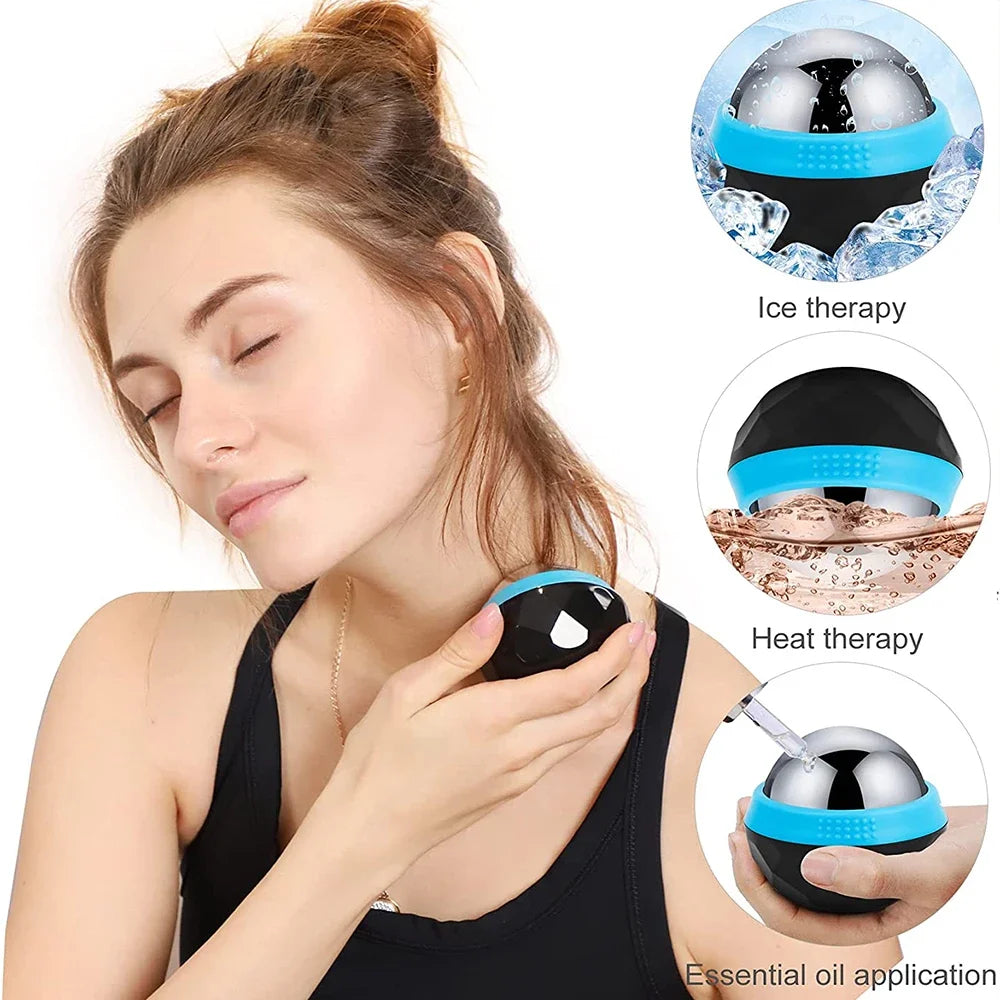
Applying the right therapy at the right time speeds recovery
For targeted cold therapy, tools like the ice massage roller ball can help deliver controlled cooling directly to sore areas, improving comfort and precision.
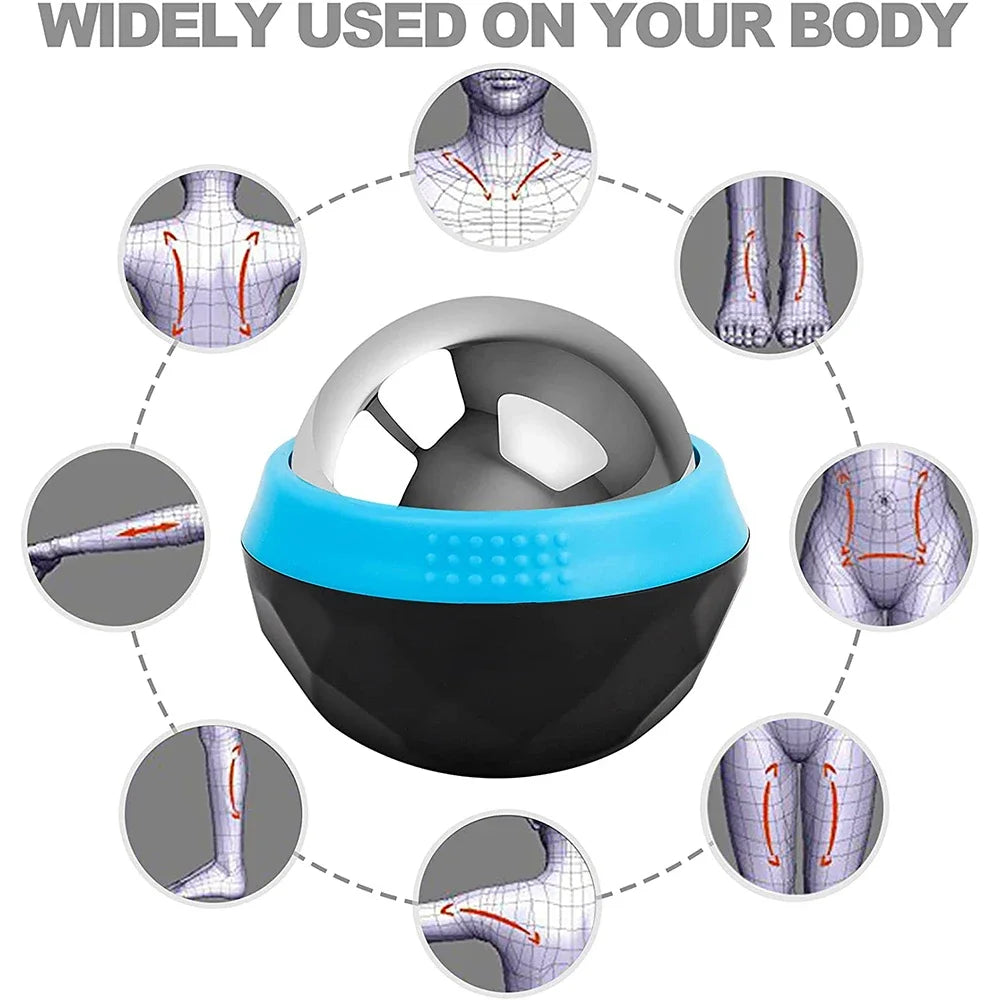
Simple recovery methods can make a big difference
FAQ: Cold vs Heat Therapy for Muscle Pain
Should you use ice or heat for sore muscles?
If soreness is accompanied by inflammation or swelling, use ice. If muscles mainly feel tight, stiff, or tense, heat is usually the better choice.
Can you alternate between heat and cold therapy?
Yes. Contrast therapy may help during later stages of recovery or for lingering muscle soreness, but it is generally not recommended immediately after an acute injury with active swelling.
Is heat or ice better for inflammation?
Ice is typically better because it reduces swelling and slows inflammatory processes during the early stages of injury.
How long should you leave ice or heat on?
Most people benefit from sessions lasting 15–20 minutes. Allow your skin to recover before repeating another treatment.
Is heat or ice better after exercise?
It depends on your symptoms. Ice may help after intense exercise that causes inflammation, while heat is often better for general muscle tightness or stiffness during recovery.
Can older adults safely use heat or cold therapy?
Yes, but extra care is important because skin may be more sensitive and conditions affecting circulation or sensation are more common. Always use a protective barrier, avoid extreme temperatures, and stop treatment if discomfort develops.













