

Best Neck Gaiters for Cold Weather (2026 Tested & Reviewed): Stay Warm Without Bulk
⏱ 8 min read
Finding the
best neck gaiter for cold weather
can make a noticeable difference when temperatures drop. After comparing popular materials, insulation types, wind resistance, and real-world winter use cases, we've found that the right cold weather neck gaiter keeps warmth close to your skin without adding unnecessary bulk. Whether you're commuting, hiking, skiing, or working outdoors, choosing the proper design helps reduce wind exposure while maintaining comfort throughout the day.
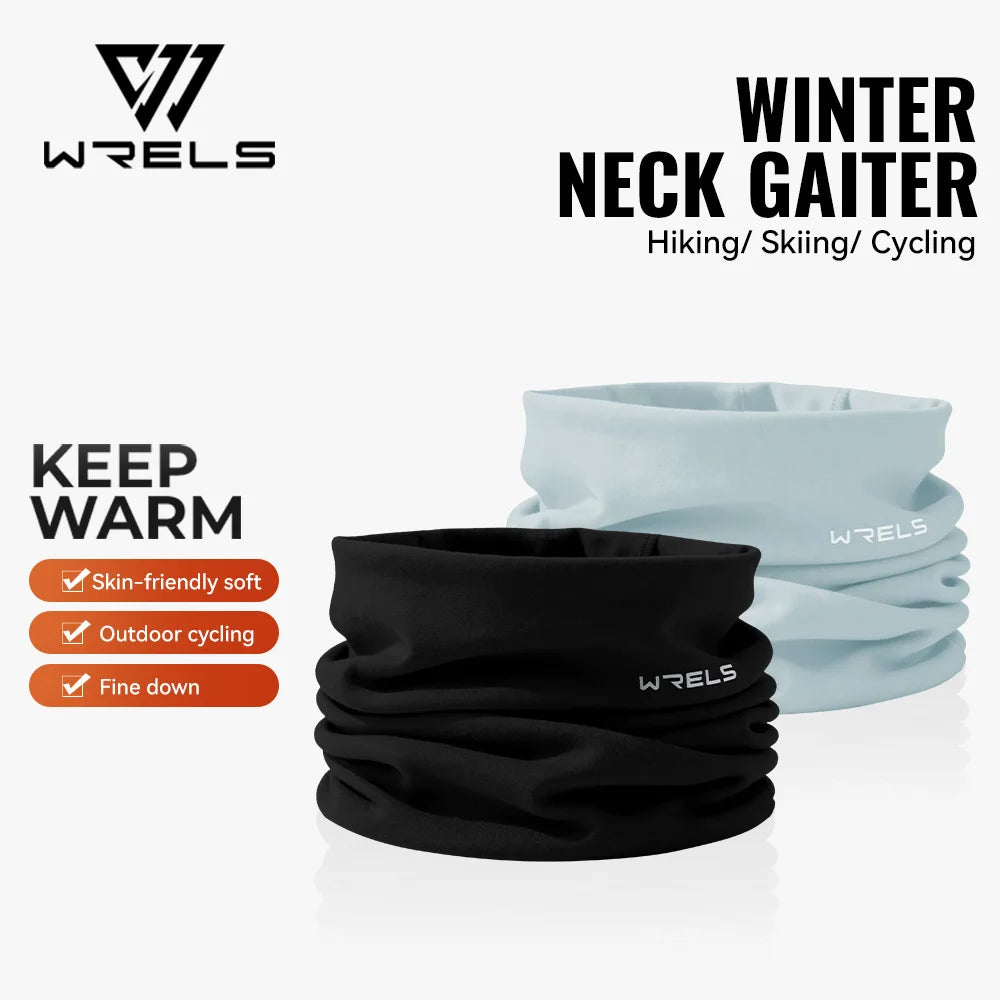
Cold weather neck gaiter coverage that locks in warmth — See it in action
Do Neck Gaiters Really Keep You Warm?
Yes. If you're wondering do neck gaiters keep you warm? or do neck warmers keep you warm? , the answer is yes—provided you choose a gaiter designed for winter conditions. A quality cold weather neck gaiter traps a layer of warm air around your neck while reducing the amount of cold wind reaching exposed skin. This combination slows heat loss and helps maintain a more comfortable body temperature during outdoor activities.
Compared with traditional scarves, neck gaiters stay securely in place, fit neatly under jackets and helmets, and eliminate gaps where cold air can enter. Materials, insulation, and fit all influence overall performance, making them important factors when choosing the right model.
- Thermal neck gaiters: Lightweight insulation with excellent heat retention, making them ideal for skiing, hiking, running, and other active pursuits.
- Insulated neck gaiters: Designed with thicker fleece or synthetic insulation for prolonged exposure to freezing temperatures.
- Windproof neck gaiters: Incorporate tightly woven or laminated fabrics that reduce wind penetration and help minimize windburn.
For most people, the warmest option balances insulation, breathability, and a close-fitting design that seals comfortably around the neck without feeling restrictive.
Best Materials for Neck Gaiters (Fleece vs Merino vs Synthetic)
Fleece Neck Gaiter Benefits
Fleece remains one of the most popular choices because it offers an excellent warmth-to-weight ratio. It feels soft against the skin, dries quickly, and continues insulating even when exposed to light moisture. For commuting, casual winter walks, and cold-weather recreation, fleece delivers dependable warmth without excessive bulk.
Merino Wool vs Synthetic Fabrics
Merino wool naturally regulates temperature, resists odors, and performs well across changing conditions, making it a favorite for extended hikes and multi-day winter trips. Synthetic fabrics such as polyester blends generally dry faster, cost less, and provide excellent durability during frequent use. If you'll be highly active, synthetics often offer superior moisture management, while merino excels in comfort and natural temperature regulation.
Windproof and Water-Resistant Fabrics
For exposed environments like ski slopes, cycling routes, or open trails, windproof outer layers significantly improve warmth by reducing convective heat loss. Water-resistant finishes also help repel light snow and drizzle, preventing moisture from compromising insulation during changing winter weather.
Thermal Insulation Options
Modern thermal neck gaiters use advanced insulating materials—including premium fleece, merino wool blends, and lightweight synthetic insulation—to maximize warmth while maintaining flexibility. The best material for a neck gaiter depends on how you'll use it: fleece for everyday warmth, merino for versatile performance and odor resistance, or technical synthetic fabrics when fast drying and weather protection are top priorities.
Insulated vs Lightweight Neck Gaiters: Which Should You Choose?
How Insulation Improves Warmth
An insulated neck gaiter creates a stable layer of warm air around your neck, helping reduce heat loss when temperatures fall below freezing. Premium fleece, synthetic insulation, and thermal fabric blends also reduce cold spots caused by wind exposure, making insulated models the preferred choice for winter commuting, snow sports, and extended outdoor work.
If you regularly encounter strong winds or spend long periods outdoors, added insulation can improve overall comfort without requiring extra bulky layers elsewhere.
When to Choose Lightweight vs Heavyweight
The right option depends on both activity level and weather conditions.
- Lightweight neck gaiters: Best for running, hiking, cycling, cross-country skiing, and other high-output activities where breathability and moisture management are priorities.
- Midweight thermal gaiters: A versatile choice for everyday winter wear, travel, and changing weather conditions.
- Heavily insulated gaiters: Ideal for sub-freezing temperatures, alpine sports, snowmobiling, and prolonged exposure to cold, windy environments.
For most users, a lightweight thermal neck gaiter provides the best balance of warmth, comfort, and freedom of movement, while insulated models offer superior protection during severe winter weather.
Wind Protection That Prevents Windburn
Cold air becomes far more uncomfortable when combined with wind. A quality windproof neck gaiter helps block moving air before it reaches your skin, reducing heat loss while minimizing dryness, irritation, and the stinging sensation commonly known as windburn.
This protection is particularly valuable for skiing, snowboarding, cycling, hiking ridgelines, or riding in open vehicles where continuous airflow can quickly overwhelm ordinary knit fabrics.
- Helps reduce skin dryness and redness during prolonged exposure.
- Blocks cold gusts without adding excessive bulk.
- Provides additional coverage for the neck, chin, and lower face.
- Helps prevent chapping around the jawline and collar area.
- Pairs comfortably with helmets, goggles, and winter jackets for complete weather protection.
Moisture Control and Breathability
Sweat-Wicking Fabrics
A breathable neck gaiter should keep you warm without trapping excess moisture. Polyester performance fabrics and merino wool blends move sweat away from your skin, allowing it to evaporate before it causes the uncomfortable cooling effect known as sweat chill. This makes them excellent choices for running, hiking, snowshoeing, and other high-output winter activities.
When comparing materials, synthetic fabrics typically dry faster, while merino wool offers superior temperature regulation and remains comfortable across a wider range of conditions.
Odor Control Technologies
Extended outdoor use can lead to odor buildup, especially during multi-hour adventures. Many premium thermal neck gaiters feature antimicrobial treatments or naturally odor-resistant merino wool fibers that help keep the fabric fresher between washes. For travelers and outdoor enthusiasts, this reduces maintenance while improving long-term comfort.
The ideal balance combines warmth, breathability, moisture management, and odor resistance so your gaiter performs consistently throughout changing winter conditions.
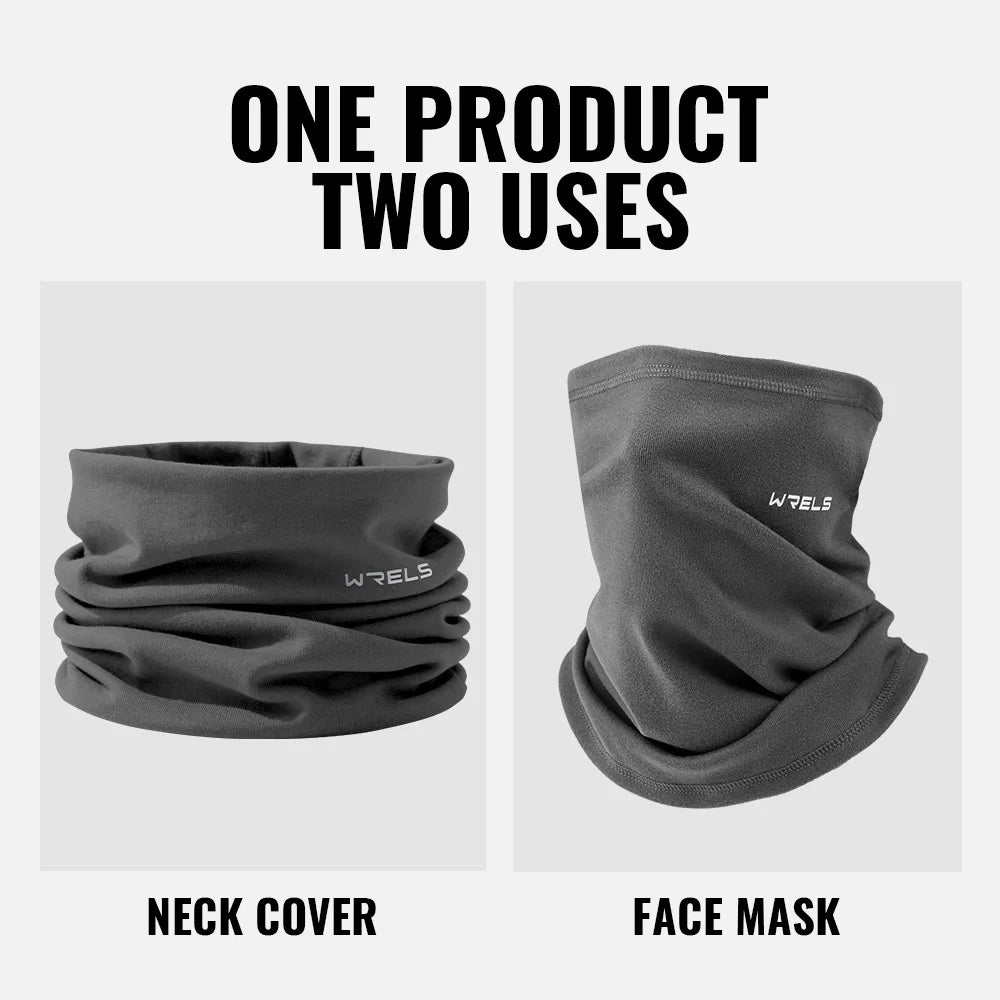
Thermal neck gaiter layers designed for moisture control — Feel the difference
Fit, Coverage, and Helmet Compatibility
Under Helmets and Jackets
A low-profile neck gaiter should fit comfortably beneath ski helmets, snowboard helmets, motorcycle helmets, and jacket collars without bunching. Four-way stretch fabrics improve mobility while maintaining a close seal that blocks cold air from reaching your neck and lower face.
If you regularly wear protective gear, choose a design with flat seams and a streamlined profile to eliminate pressure points during extended use.
Adjustable Designs for Comfort
Stretch fabrics, ergonomic shaping, and adjustable closures help maintain a secure fit across different head sizes and clothing systems. Depending on the weather, many gaiters can be worn as a neck warmer, face covering, lower-face mask, or nose shield, making them useful throughout the winter season.
Top 10 Best Neck Gaiters for Cold Weather
Best Overall Neck Gaiter
Best for: Everyday winter wear, commuting, hiking, and mixed outdoor activities.
Pros:
Excellent warmth-to-bulk ratio, dependable wind protection, comfortable all-day fit.
Cons:
May feel warmer than needed during mild weather.
Best Budget Neck Gaiter
Best for: Casual winter use and occasional outdoor activities.
Pros:
Affordable, lightweight, easy to maintain.
Cons:
Less insulation and weather protection than premium options.
Best Fleece Neck Gaiter
Best for: Cold daily commutes and recreational winter activities.
Pros:
Soft feel, excellent insulation, dries quickly.
Cons:
Can retain more heat during high-intensity exercise.
Best Merino Wool Neck Gaiter
Best for: Hiking, travel, and extended outdoor adventures.
Pros:
Naturally temperature regulating, odor resistant, comfortable across changing conditions.
Cons:
Generally costs more than synthetic alternatives.
Best Windproof Neck Gaiter
Best for: Cycling, skiing, snowmobiling, and exposed windy environments.
Pros:
Excellent wind blocking, helps reduce windburn, improved weather protection.
Cons:
Slightly less breathable than lightweight performance models.
Best for Extreme Cold
Best for: Sub-zero temperatures and prolonged outdoor exposure.
Pros:
Maximum insulation, extended face and neck coverage, superior warmth.
Cons:
Bulkier than lightweight options.
Best for Skiing & Snowboarding
Best for: Helmet-compatible mountain use.
Pros:
Low-profile construction, excellent compatibility with goggles and helmets, strong wind protection.
Cons:
May provide more coverage than needed for casual use.
Best for Running
Best for: Winter running and high-output training.
Pros:
Lightweight, breathable, efficient moisture management.
Cons:
Less insulation for extremely cold conditions.
Best Lightweight Option
Best for: Layering beneath jackets and helmets.
Pros:
Packs easily, unrestricted movement, versatile across seasons.
Cons:
Limited warmth during severe winter weather.
Best Versatile Everyday Gaiter
Best for: Walking, commuting, travel, and general winter use.
Pros:
Balanced warmth, comfort, durability, and weather protection.
Cons:
Does not specialize in extreme cold or high-performance athletics.
Feature Comparison Table
| Product | Material | Warmth | Breathability | Wind Resistance | Helmet Compatible | Recommended Temperature | Best Use | Price |
|---|---|---|---|---|---|---|---|---|
| Gaiter A | Fleece + Nylon | High | Medium | Excellent | Yes | Below -10°C | Skiing & Extreme Cold | $$$ |
| Gaiter B | Merino Wool | Medium | Excellent | Moderate | Yes | -5°C to 10°C | Running & Active Sports | $$ |
| Gaiter C | Polyester Fleece | Medium | Good | Good | Yes | 0°C to 10°C | Daily Wear & Commuting | $ |
This comparison highlights how different materials balance warmth, breathability, and weather protection. Fleece-based designs typically provide the highest insulation, merino wool excels during active use thanks to its natural temperature regulation, and synthetic blends offer an excellent balance of affordability, durability, and quick-drying performance.
Best Neck Gaiters by Activity and Temperature
Skiing and Snowboarding
For downhill skiing and snowboarding, prioritize insulated, windproof gaiters that fit comfortably beneath helmets and goggles. A close-fitting design minimizes gaps around the collar while protecting the jaw, chin, and lower face from freezing winds encountered on chairlifts and exposed slopes.
Running and Outdoor Sports
High-output activities benefit from lightweight, breathable fabrics that efficiently move perspiration away from the skin. Stretch construction allows unrestricted movement while preventing the sweat chill that often develops after intense exercise.
Commuting and Everyday Use
Daily commuters generally benefit from midweight fleece or synthetic gaiters that layer easily beneath jackets without creating bulk. These designs provide dependable warmth whether you're walking, cycling, or waiting outdoors for public transportation.
Extreme Cold Conditions
When temperatures drop well below freezing or strong winds are expected, choose heavily insulated, wind-resistant models with extended coverage for the neck and lower face. These provide the greatest thermal protection during prolonged outdoor work, winter camping, or alpine adventures.
Care, Durability, and Longevity
A high-quality thermal neck gaiter should retain its stretch, softness, and insulating performance after repeated use. Premium stitching, reinforced seams, and durable technical fabrics help prevent fraying, pilling, and thinning that can reduce warmth over time.
To maximize lifespan:
- Wash in cold or lukewarm water using a gentle detergent.
- Avoid bleach and fabric softeners, which may reduce moisture-wicking performance.
- Air dry whenever possible to preserve elasticity and insulation.
- Store completely dry to prevent odors and maintain fabric quality.
With proper care, a well-made winter neck gaiter can provide reliable protection through multiple cold-weather seasons, making it a worthwhile long-term investment.
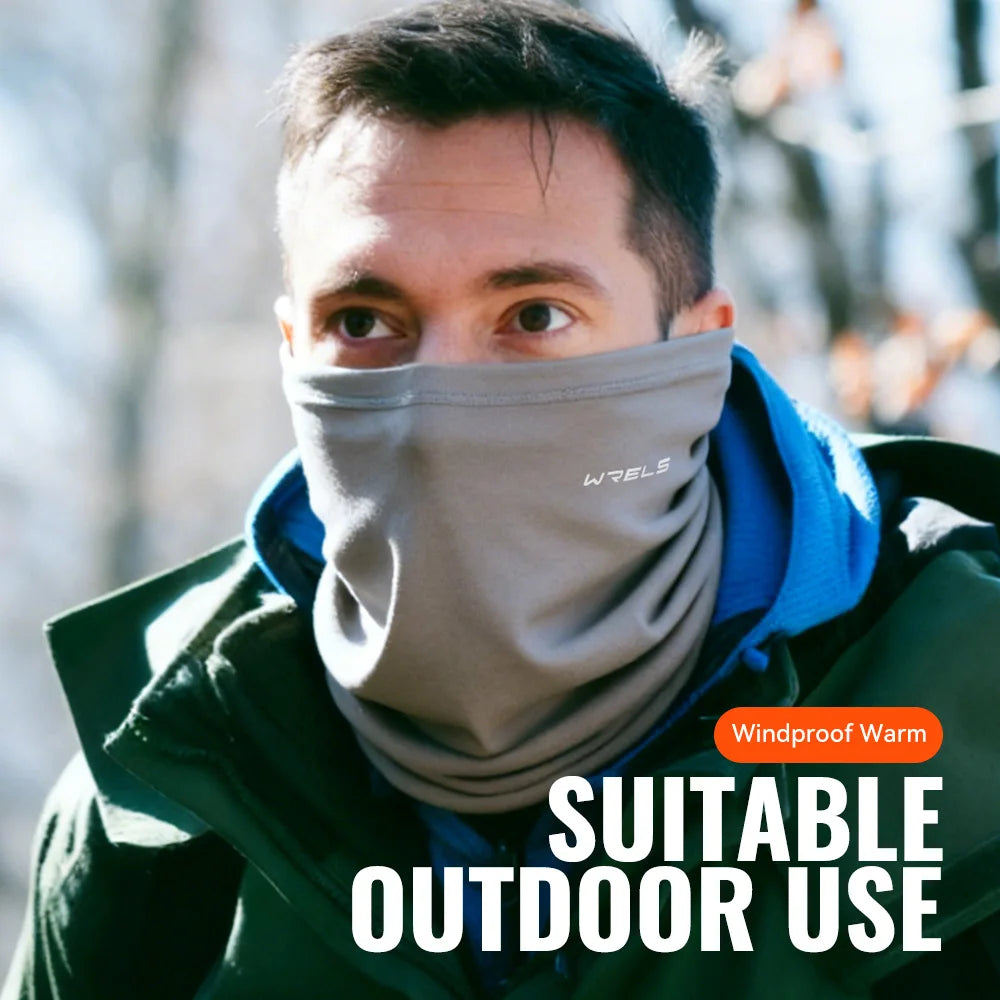
Insulated neck gaiter performance in real winter conditions — Stay protected
Frequently Asked Questions
Is a cold weather neck gaiter better than a scarf?
For most winter activities, yes. A cold weather neck gaiter stays securely in place, seals gaps around your collar, and provides more consistent protection against wind than a traditional scarf. It's also easier to wear under jackets, helmets, and backpacks without shifting.
Can it be worn during high activity?
Absolutely. Lightweight, moisture-wicking neck gaiters made from merino wool or technical synthetic fabrics help regulate temperature by moving sweat away from the skin. This keeps you warmer during running, hiking, cycling, and other high-output winter activities.
How does it help prevent windburn?
Windproof neck gaiters reduce direct exposure to cold air, helping preserve your skin's natural moisture barrier. By limiting constant airflow across your neck and lower face, they can reduce redness, dryness, chapping, and overall heat loss.
Will it fit under helmets or jackets?
Most modern neck gaiters are designed with low-profile stretch fabrics that fit comfortably beneath ski helmets, motorcycle helmets, climbing helmets, and winter jacket collars. Flat seams and ergonomic construction help prevent pressure points during extended wear.
How do I choose the best neck gaiter for my needs?
Match your choice to both your activity level and the expected weather. Lightweight thermal designs are ideal for active sports, merino wool offers excellent versatility, while insulated windproof gaiters provide the greatest warmth for harsh winter conditions.
What is the warmest material for a neck gaiter?
Thick fleece and insulated synthetic fabrics generally provide the highest level of warmth. Merino wool also offers excellent insulation while adding natural temperature regulation and odor resistance, making it a strong choice for extended outdoor use.
Are fleece or merino neck gaiters better for winter?
Neither material is universally better. Fleece typically delivers greater warmth for stationary activities and very cold weather, while merino wool offers superior breathability, moisture management, and comfort during changing temperatures or higher activity levels.
Do windproof neck gaiters reduce breathability?
Some windproof membranes slightly reduce airflow compared with lightweight fabrics, but premium designs balance wind resistance with adequate ventilation. For highly aerobic activities, consider a model that combines breathable stretch panels with targeted wind protection.
Can you wear a neck gaiter under a helmet comfortably?
Yes. Slim, four-way stretch gaiters are specifically designed to fit under helmets without bunching. Choosing a low-profile design improves comfort while maintaining full coverage around the neck, chin, and lower face.
What neck gaiter is best for extreme cold weather?
For sub-freezing temperatures and strong winds, choose an insulated fleece or synthetic neck gaiter with windproof construction and extended face coverage. These models provide maximum heat retention during prolonged exposure to severe winter conditions.
How do I choose between lightweight and insulated neck gaiters?
Lightweight gaiters are best for running, hiking, cycling, and other activities that generate body heat. Insulated models are better suited to skiing, snowmobiling, winter commuting, outdoor work, and extended exposure to freezing temperatures.













