

Does collagen boosting light therapy really work?
Collagen boosting light therapy works by using targeted red and near-infrared wavelengths to support natural skin repair processes linked to collagen production. With consistent use, collagen boosting light therapy may help improve the appearance of firmness, smooth fine lines, and support visible neck rejuvenation, making it a convenient at-home option for people seeking a non-invasive anti-aging approach.
Red Light Therapy for Neck Wrinkles: Does It Really Work + Best Devices for Real Results
Red light therapy for neck wrinkles has become one of the most searched at-home anti-aging treatments for improving visible signs of aging, including fine lines, crepey texture, and reduced firmness. But does it actually work for neck skin, or is it simply another skincare trend?
This guide explains the science behind collagen boosting light therapy, how LED neck light therapy supports skin health, what results you can realistically expect, and how to choose a suitable device for your routine.
Collagen boosting light therapy is gaining popularity as a targeted approach for aging neck skin, especially among people looking beyond traditional creams and serums. If you have noticed changes in neck texture, elasticity, or the appearance of wrinkles, understanding how red light therapy works can help you make a more informed skincare decision.
⏱ 6 min read
Discover how this neck-focused solution works
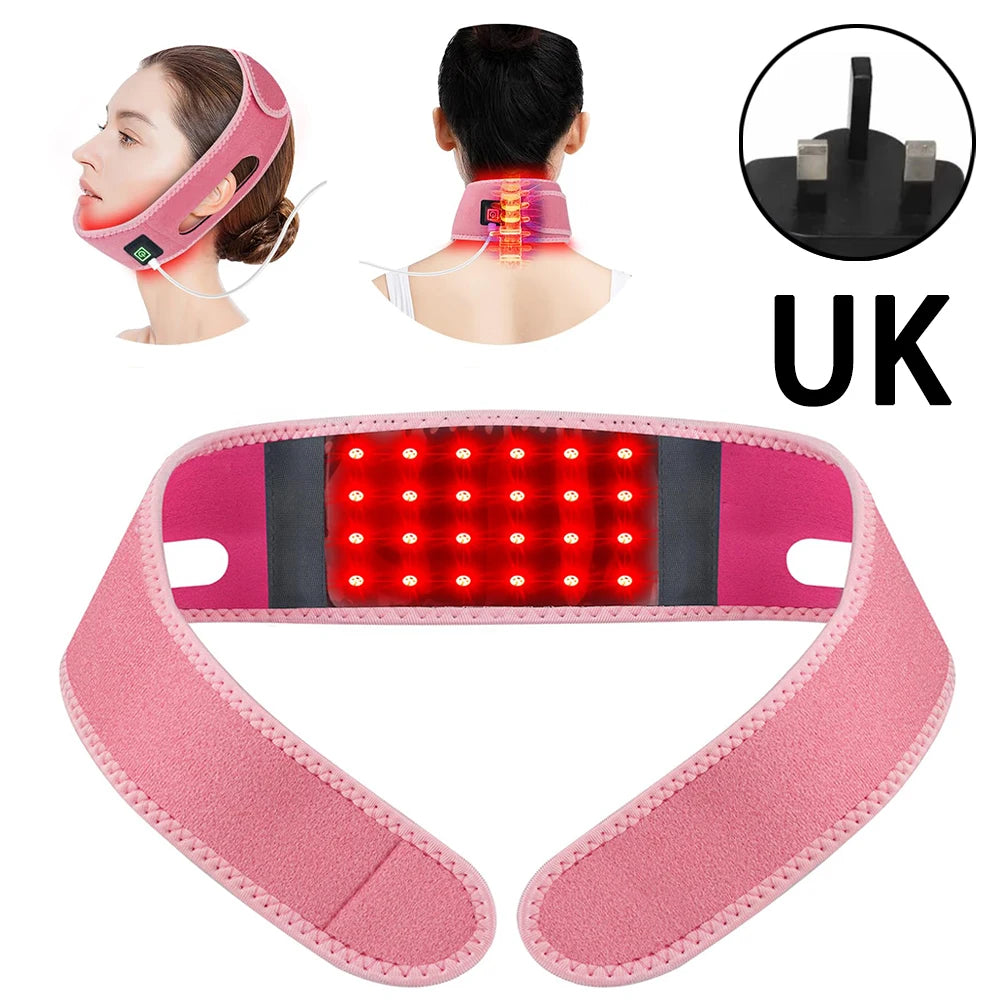
Collagen boosting light therapy for visible neck renewal See it in action
What Is Red Light Therapy for Neck Wrinkles?
Red light therapy is a non-invasive skincare treatment that uses specific wavelengths of light to support natural biological processes within the skin. Also known as photobiomodulation, this technology uses red and near-infrared light to stimulate cellular activity associated with skin repair, collagen support, and improved elasticity.
When used on the neck, LED neck light therapy focuses on one of the most common causes of visible aging: gradual collagen loss. Lower collagen levels can contribute to reduced firmness, fine lines, and a thinner-looking skin texture over time.
How LED Neck Light Therapy Works
LED neck light therapy delivers controlled wavelengths of light into the skin without needles, heat, or downtime. These wavelengths interact with skin cells to support energy production and encourage processes involved in maintaining healthier-looking skin.
The goal of anti aging light therapy neck treatments is not to instantly remove wrinkles, but to provide consistent stimulation that may improve the appearance of texture, tone, and firmness over time.
Why Neck Skin Ages Faster Than Facial Skin
The neck often develops visible signs of aging earlier than some facial areas because its skin structure is different. It generally contains fewer oil glands, has less natural moisture retention, and experiences constant movement throughout the day.
Factors such as sun exposure, reduced collagen production, and repeated movement can contribute to the appearance of horizontal neck lines and loss of elasticity. This makes the neck an important area to include in a complete anti-aging skincare routine.
Does Red Light Therapy Really Work for Neck Wrinkles?
Yes, red light therapy for neck wrinkles can support improvements in the appearance of fine lines, texture, and firmness when used consistently. The effectiveness depends on several factors, including device quality, wavelength accuracy, treatment frequency, and individual skin condition.
Red light therapy works by targeting cellular processes that support collagen production. Fibroblasts, the skin cells responsible for creating collagen and elastin, respond to specific light wavelengths that may encourage healthier skin function.
What Clinical Studies Show
Research on LED light therapy suggests that red and near-infrared wavelengths can influence skin-related biological activity, including fibroblast stimulation and collagen synthesis. Clinical studies have reported improvements in skin texture, elasticity, and the visible appearance of fine lines after repeated treatments.
These findings support why many people use collagen boosting light therapy as part of an at-home skincare routine. However, results are gradual and vary between individuals.
How Collagen Remodeling Improves Neck Skin
Collagen remodeling is a slow process that occurs as the skin creates and reorganizes supportive proteins over time. Because collagen provides structure and firmness, maintaining collagen activity can help improve the overall appearance of aging neck skin.
With consistent use, potential red light therapy benefits neck concerns may include:
- Smoother-looking skin texture
- Improved appearance of fine lines
- More even-looking tone
- Better visible firmness and elasticity
It is important to understand that red light therapy is not a replacement for surgical procedures or professional treatments designed for significant skin laxity. Instead, it is best viewed as a gradual, non-invasive option for supporting healthier-looking skin.
How Red Light Therapy Boosts Collagen in the Neck
Collagen boosting light therapy supports the skin by delivering specific red and near-infrared wavelengths that interact with cells involved in repair and regeneration. This process, known as photobiomodulation, helps increase cellular energy production and supports the natural functions associated with collagen and elastin maintenance.
Because collagen provides structural support for the skin, maintaining healthy collagen activity is important for improving the appearance of firmness, elasticity, and texture in areas such as the neck.
Cellular Energy and Fibroblast Activation
Red light therapy works partly by supporting ATP (adenosine triphosphate) production inside skin cells. ATP acts as a cellular energy source that helps cells perform essential functions, including repair and renewal processes.
Fibroblasts are especially important because they produce collagen and elastin, two proteins responsible for skin strength, flexibility, and resilience. By stimulating fibroblast activity, LED light therapy for skin tightening may help support the skin’s natural ability to maintain a firmer-looking appearance over time.
This explains why many people use red light therapy as a gradual anti-aging treatment rather than expecting immediate wrinkle removal. The goal is to support underlying skin processes that contribute to visible improvements.
Best Wavelengths for Collagen Production
The effectiveness of red light therapy depends on using appropriate wavelengths that can reach the intended skin layers. The most commonly studied ranges for skin-focused treatments include:
- Red light (630–660nm): Commonly used to support surface-level skin improvements and collagen-related activity.
- Near-infrared light (800–850nm): Designed to penetrate deeper into tissue and support deeper cellular responses.
When combined in a properly designed device, these wavelengths may help improve the appearance of fine lines, reduced firmness, and uneven texture associated with collagen loss.
Collagen naturally decreases with age, which can contribute to visible neck concerns such as horizontal lines, sagging, and crepey-looking skin. Consistent use of LED light therapy for skin tightening may help support a healthier-looking neck appearance as part of a broader skincare routine.
- Supports natural collagen and elastin processes
- Non-invasive and comfortable for home use
- Designed for consistent skincare routines
- Provides gradual improvements in visible firmness
Best Red Light Therapy Devices for Neck Wrinkles
Choosing the best light therapy device for neck wrinkles depends on how well the device matches your skincare goals, treatment routine, and comfort preferences. A quality LED neck light therapy device should provide appropriate wavelengths, consistent light output, and enough coverage for the curved neck area.
What to Look for in a Neck Device
- Effective wavelength range: Look for devices that use commonly studied red light wavelengths around 630–660nm and/or near-infrared wavelengths around 800–850nm.
- Flexible neck-friendly design: A wrap-style design can help maintain closer, more even contact with curved areas of the neck.
- Safety testing or certifications: Choose devices with clear safety information and proper usage instructions.
- Consistent light coverage: Even distribution helps ensure the treatment area receives balanced exposure.
- Irradiance information: Devices that provide light intensity details make it easier to compare treatment performance.
Top Device Types: Wraps, Panels, and Masks
- Neck wraps: Designed specifically for the neck area, offering targeted coverage and hands-free use during treatment sessions.
- LED panels: Provide broader light coverage and may offer strong output, but usually require more manual positioning.
- Masks with neck attachments: Useful for people who want to combine facial and neck skincare treatments in one routine.
The best device choice depends on your daily routine, budget, preferred level of convenience, and whether you want targeted neck treatment or multi-area coverage.
Browse Skin and Beauty Care Devices
Red Light Therapy vs Other Neck Wrinkle Treatments
Different neck wrinkle treatments work in different ways. Red light therapy offers a gradual, non-invasive approach, while topical products and professional treatments target skin concerns through other mechanisms.
Retinol and Peptides
Retinol and peptide skincare products can support smoother-looking skin by improving surface texture and encouraging healthy skin renewal. However, these ingredients primarily work through topical application, while anti aging light therapy neck treatments use specific wavelengths to support cellular activity beneath the skin surface.
Retinol may be a good option for people focused on improving texture and fine lines, while red light therapy can complement a broader anti-aging skincare routine.
Microneedling and Laser
Microneedling and laser treatments are professional options that create controlled stimulation to encourage skin remodeling. They may provide more noticeable changes in certain cases but typically involve higher costs, professional appointments, and possible recovery time.
Red light therapy is often better suited for people who prefer a convenient neck wrinkle treatment at home with gradual improvements and minimal disruption.
Radiofrequency and Ultrasound
Radiofrequency and ultrasound treatments use energy-based approaches designed to target deeper tissue layers. These procedures may be recommended for people seeking stronger tightening effects, but they usually require professional equipment and treatment sessions.
| Method | Benefits | Limitations | Best Candidates |
|---|---|---|---|
| Red Light Therapy | At-home convenience, comfortable use, supports gradual skin improvement | Requires consistency and realistic expectations | People seeking non-invasive maintenance and mild to moderate visible aging support |
| Retinol and Peptides | Improves surface texture and supports daily skincare routines | Results may take time and depend on regular application | People focused on fine lines and overall skin quality |
| Microneedling and Laser | Can provide stronger professional skin remodeling effects | Higher cost and possible downtime | People seeking clinic-based treatments for specific concerns |
| Radiofrequency and Ultrasound | Targets deeper tissue layers with professional energy devices | Requires specialized equipment and appointments | People looking for advanced professional options |
Is LED Light Therapy Safe for the Neck?
LED light therapy is generally considered a comfortable, non-invasive skincare treatment when used correctly. For most people, properly designed LED neck devices can be incorporated into an anti-aging routine without needles, harsh chemicals, or recovery time.
Known Side Effects
Most users tolerate red light therapy well. Possible temporary effects may include mild warmth, temporary redness, or increased sensitivity after a session.
If irritation occurs, reducing treatment frequency or following the device manufacturer’s recommendations may help improve comfort.
Who Should Avoid Treatment
Although LED light therapy is suitable for many users, some people should seek professional guidance before use, including:
- People with photosensitivity conditions
- Individuals taking medications that increase light sensitivity
- Those with active skin infections or untreated skin concerns
- Anyone with specific medical concerns related to light exposure
Safety Tips for Home Devices
- Follow the recommended session length and usage schedule
- Use devices according to manufacturer instructions
- Avoid looking directly into bright LED lights
- Choose devices with clear safety information and proper design standards
- Keep the treatment area clean before use
For many users, LED light therapy can be a practical option for supporting a neck wrinkle treatment at home when used consistently and responsibly.
Who Gets the Best Results?
Red light therapy benefits neck skin most when it is used consistently by people with realistic expectations and early to moderate signs of visible aging. While results vary from person to person, certain factors can influence how noticeable improvements may become over time.
Ideal Candidates
People who may benefit most from collagen boosting light therapy typically include those experiencing:
- Mild to moderate neck wrinkles and fine lines
- Early loss of visible firmness or elasticity
- Uneven skin texture or dull-looking skin
- Desire for a non-invasive neck wrinkle treatment at home
- Interest in supporting a consistent anti-aging skincare routine
LED neck light therapy is often most effective when combined with healthy skincare habits, including hydration, sun protection, and a routine that supports long-term skin health.
Factors That Reduce Effectiveness
Several factors can affect how well red light therapy works, including:
- Inconsistent use: Occasional treatments may not provide the same benefits as following a regular schedule.
- Advanced skin laxity: Severe sagging may require professional treatments for more significant changes.
- Device quality: Wavelength accuracy, light output, and coverage can influence treatment results.
- Lifestyle factors: Sun exposure, dehydration, and lack of skincare consistency may affect visible aging.
- Unrealistic expectations: Red light therapy supports gradual improvement rather than instant wrinkle removal.
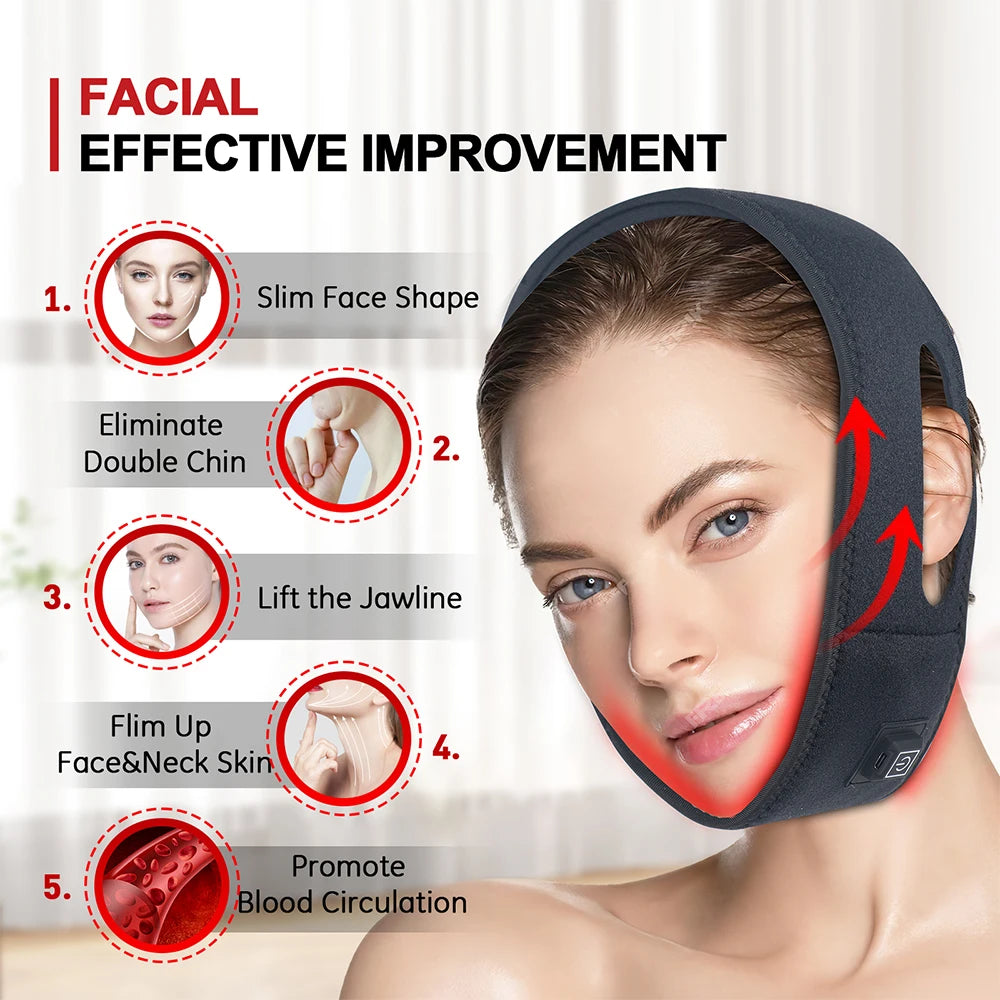
Red light therapy benefits neck care routines See it in action
How to Use Red Light Therapy for Neck Wrinkles at Home
Step-by-Step Routine
- Cleanse and dry the neck area before treatment.
- Position the LED device evenly so the treatment area receives consistent light exposure.
- Follow the recommended session length, commonly around 10–20 minutes depending on the device.
- Repeat treatments according to the manufacturer’s schedule, often several times per week.
- Apply hydrating skincare products afterward if they are part of your routine.
Common Mistakes to Avoid
- Using the device inconsistently
- Choosing low-quality devices without clear specifications
- Expecting immediate dramatic changes
- Skipping daily sun protection
- Ignoring overall skincare habits that support healthy-looking skin
Learn how this wrap fits into daily life
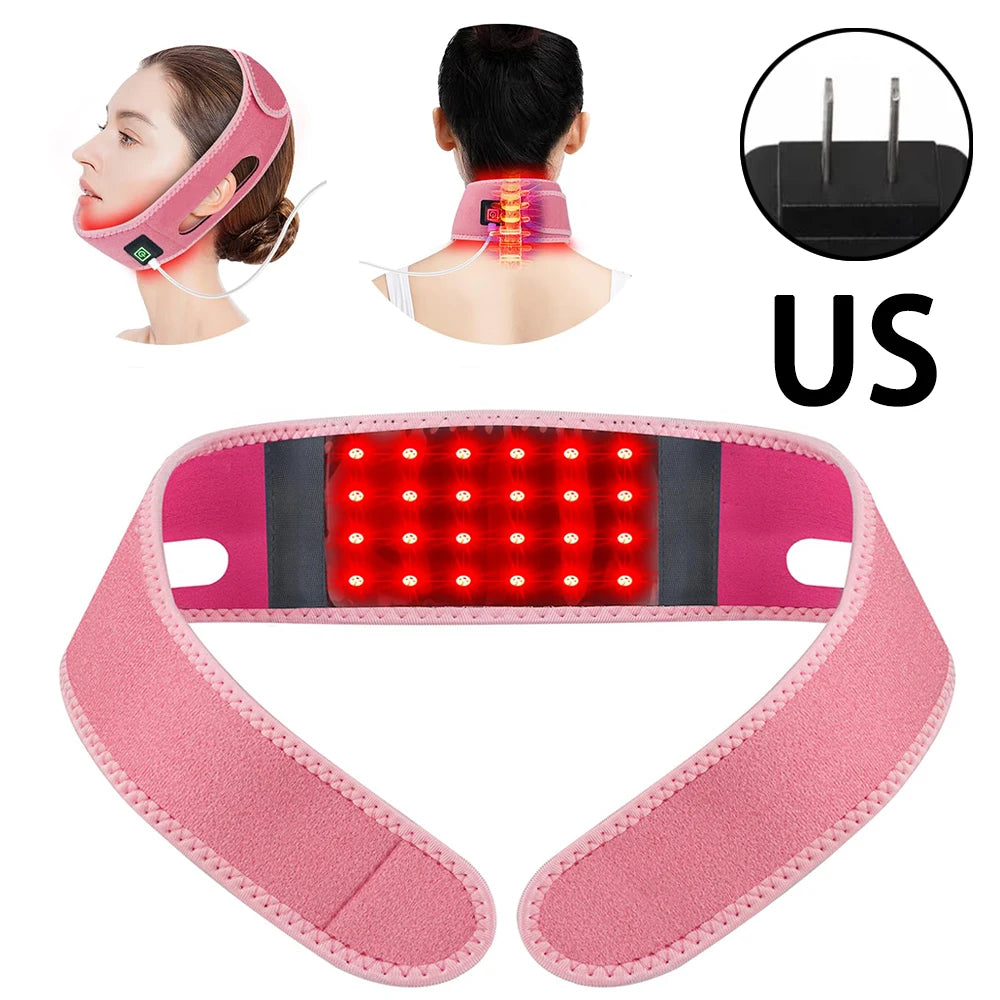
LED neck light designed for confidence See it in action
Get yours now — limited stock!
FAQs About Red Light Therapy for Neck Wrinkles
Can red light therapy tighten loose neck skin?
Red light therapy may help improve the appearance of firmness and elasticity by supporting collagen-related processes in the skin. However, it cannot replace surgical procedures for significant loose skin or advanced sagging.
Does red light therapy boost collagen?
Yes, red light therapy may support collagen production by stimulating fibroblast activity. With consistent use, collagen boosting light therapy can help improve the appearance of fine lines, texture, and firmness over time.
How often should you use LED neck light therapy?
Many LED neck devices recommend using treatments several times per week. The ideal frequency depends on the device specifications, light intensity, and manufacturer recommendations.
Can you combine red light therapy with retinol?
Many people combine red light therapy with anti-aging skincare ingredients such as retinol. Using both approaches may support a more complete routine, but sensitive skin users should introduce active ingredients gradually and monitor their skin’s response.
What is the best light therapy device for neck wrinkles?
The best light therapy device for neck wrinkles should offer appropriate wavelengths, consistent light output, comfortable coverage, and a design that fits your routine. Neck-specific devices can be convenient because they are designed around the shape and treatment needs of the neck area.
How long does red light therapy take to reduce neck wrinkles?
Visible changes typically develop gradually. Many users notice improvements in skin texture first, while changes in firmness and fine lines may require several weeks to months of consistent use.
Is LED light therapy safe for the thyroid area?
LED light therapy is generally considered safe when used according to device instructions. People with thyroid concerns, medical conditions, or questions about light exposure should consult a healthcare professional before starting treatment.
What wavelength is best for neck wrinkles?
Commonly studied wavelengths for skin applications include red light around 630–660nm and near-infrared light around 800–850nm. Devices using these ranges are often selected for supporting collagen-related skin benefits.
Can you use red light therapy every day?
Some devices are designed for daily use, while others recommend fewer sessions per week. Always follow the usage instructions provided with your specific device.
Should you apply skincare before or after red light therapy?
Many users prefer applying skincare products after LED treatment, but the best approach depends on the device instructions and the products being used.
Are at-home LED neck devices effective?
At-home LED neck devices can support gradual improvements when they provide suitable wavelengths, consistent output, and are used regularly as part of a complete skincare routine.
Related Guide: Best Neck Light Therapy Wrap: In-Depth Review and Comparison













