

What Is a Portable Diesel Heater and How It Works
A portable diesel heater is a self-contained heating system that burns diesel fuel inside a sealed combustion chamber to produce warm, dry air. Because combustion gases remain separate from the heated air and are vented outside, these heaters can efficiently warm enclosed spaces when installed correctly. Their low electrical demand and reliable performance make them a popular choice for campers, RV owners, van lifers, workshops, cabins, and other off-grid environments.
Basic Components of a Diesel Heater System
- Fuel pump that delivers a measured amount of diesel from the fuel tank
- Combustion chamber where the fuel-air mixture is ignited
- Glow plug that starts the combustion process
- Heat exchanger that transfers heat without mixing exhaust gases with indoor air
- Air blower that circulates clean, heated air throughout the space
- Exhaust system that safely vents combustion gases outside
- Electronic controller that regulates temperature, fuel delivery, and operating modes
How the Heating Process Works
- The fuel pump delivers diesel into the combustion chamber in precise amounts.
- A glow plug ignites the fuel-air mixture during startup.
- Heat generated from combustion passes through a sealed heat exchanger.
- A separate fan blows clean air across the exchanger, warming it before it enters the living or working space.
- Combustion gases exit through a dedicated exhaust pipe, keeping indoor air separate from the burning process.
Why Diesel Air Heaters Produce Dry Heat
One reason many people appreciate how diesel heaters work is that the combustion process is isolated from the circulating indoor air. Unlike some unvented heaters, a properly installed diesel air heater does not release moisture into the heated space. The result is comfortable, dry heat with reduced window condensation, making these heaters especially useful in camper vans, boats, garages, and winter camping setups where excess humidity can become a problem.
⏱ 7 min read
Why Portable Diesel Heaters Are So Popular in 2026
Cold-weather travel, off-grid living, and emergency preparedness have increased demand for dependable heating solutions. Portable diesel heaters stand out because they deliver efficient, adjustable warmth while consuming relatively little fuel and requiring only a small amount of electricity for startup and operation. Whether you're outfitting a camper van, heating a workshop, or preparing for winter power outages, this guide explains why portable diesel heaters have become so popular and what features matter most before buying.
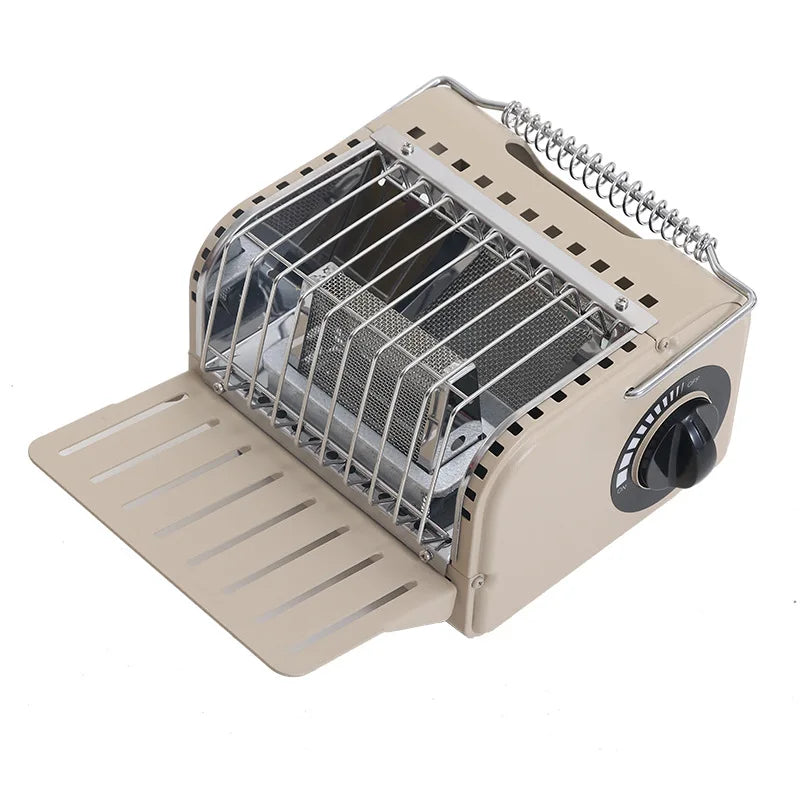
Portable diesel heater setup for efficient off-grid warmth
Key Reasons Portable Diesel Heaters Are Gaining Popularity
Fuel Availability and Cost Efficiency
Diesel is widely available in most regions and provides a high energy density, allowing portable heaters to operate for extended periods on relatively little fuel. This combination of accessibility and economical fuel consumption makes diesel heating practical for overnight camping, long road trips, and remote work locations.
Off-Grid and Remote Usability
Unlike conventional electric heaters that rely on household power, diesel heaters need only a modest amount of electricity to operate the fan, fuel pump, and controller. This makes them an excellent option for RVs, camper vans, cabins, boats, and other locations where grid power is limited or unavailable.
Compact Size and Portability
Modern units pack efficient heating performance into compact housings that fit beneath seats, inside storage compartments, or in small utility areas. Their flexible installation options make them suitable for a wide variety of mobile and stationary applications without occupying valuable living space.
Reliable Performance in Extreme Cold
Portable diesel heaters are designed to deliver consistent heat even during freezing temperatures. Because they maintain stable combustion and continuous airflow, they often outperform many portable electric or propane heating solutions in harsh winter conditions.
Portable Diesel Heater Benefits Explained
High Heating Efficiency
Modern diesel heaters are engineered to convert most of the fuel's energy into usable heat. Their sealed combustion design minimizes wasted energy, helping users stay comfortable while keeping fuel consumption under control.
Long Runtime on Minimal Fuel
Thanks to precise fuel metering and efficient combustion, many portable diesel heaters can operate throughout the night on a relatively small fuel supply. Longer runtimes reduce refueling interruptions during camping trips, overnight parking, or emergency situations.
Low Operating Costs
The combination of efficient fuel use and low electrical demand often results in lower day-to-day operating costs than relying on portable electric heaters powered by generators or frequent propane cylinder replacements. Actual costs vary with fuel prices, heater output, and operating conditions.
Consistent Dry Heat
A sealed heat exchanger keeps combustion gases separate from the warmed air entering your space. This design helps produce comfortable dry heat with less condensation than unvented heating systems, improving comfort during extended cold-weather use while helping reduce moisture buildup on windows and interior surfaces.
Diesel Heater Efficiency Compared to Gas and Electric
Fuel Consumption Comparison
Portable diesel heaters are designed to meter fuel precisely, allowing them to consume relatively small amounts of diesel while maintaining a steady temperature. Compared with many propane heaters used for similar heating tasks, diesel models often require less frequent refueling during extended operation. Electric heaters, while highly efficient at converting electricity into heat, may become costly to run where electricity prices are high or when powered by a generator.
Heat Output vs Energy Input
Diesel fuel contains a high amount of usable energy, enabling compact heaters to deliver dependable warmth over long periods. Combined with a sealed heat exchanger and controlled combustion, this design provides efficient heat transfer while maintaining consistent indoor comfort in cold-weather conditions.
Cost-Per-Hour Analysis
Operating costs depend on local diesel prices, electricity rates, outdoor temperatures, and heater output settings. For users who need continuous heating in RVs, workshops, cabins, or off-grid locations, diesel heaters often provide a practical balance of fuel economy, runtime, and reliable heat production.
Diesel Heater vs Gas Heater: Key Differences
Safety Considerations
Most diesel air heaters use sealed combustion systems that keep exhaust gases separate from the heated indoor air when installed correctly. Propane and other gas heaters vary by design, with some vented models offering similar protection while unvented models require greater attention to ventilation and indoor air quality.
Diesel heaters are well suited for freezing temperatures because they deliver stable heat output during long operating periods. This makes them a preferred option for winter camping, remote cabins, service vehicles, and other applications where dependable cold-weather performance is essential.
Maintenance and Fuel Handling
Routine maintenance for diesel heaters generally includes inspecting the fuel system, keeping the intake and exhaust clear, and following the manufacturer's recommended service schedule. Gas heaters eliminate diesel fuel handling but typically require propane cylinder replacement or refilling, depending on the model.
Use-Case Suitability
Diesel heaters excel in mobile, off-grid, and long-duration heating applications where extended runtime and fuel efficiency are priorities. Gas heaters remain a practical choice for occasional outdoor use, shorter heating sessions, or situations where propane is already readily available.
Common Use Cases for Portable Diesel Heaters
Camping and Van Life
Portable diesel heaters are popular among campers and van owners because they provide dependable overnight warmth without relying on campground electrical hookups. When installed with proper ventilation and exhaust routing, they help maintain a comfortable interior even during freezing nights.
Garages and Workshops
Home garages, workshops, and hobby spaces benefit from consistent heating that allows projects to continue throughout colder months. A properly sized diesel heater can improve comfort while helping maintain stable working temperatures in lightly insulated spaces.
Off-Grid Cabins and Homes
For cabins, tiny homes, and remote properties with limited electrical infrastructure, diesel heaters provide an efficient primary or backup heat source. Their modest electrical requirements make them compatible with battery systems, solar installations, and other off-grid energy setups.
Emergency Heating Scenarios
During winter storms, power outages, or severe weather events, a portable diesel heater can provide dependable backup heat when conventional electric heating is unavailable. Choosing the correct heater size and following all installation and ventilation requirements helps ensure safe, reliable operation when it matters most.
Compact Diesel Heater Features That Matter
Compact Design
One of the biggest advantages of a compact diesel heater is its ability to fit into limited spaces without sacrificing heating performance. Many units can be installed under vehicle seats, inside storage compartments, or in utility areas, making them ideal for camper vans, RVs, workshops, boats, and small cabins where every inch of space matters.
Digital Controls
Modern portable diesel heaters often include LCD control panels, programmable timers, remote controls, or thermostat functions that simplify day-to-day operation. These features allow users to maintain a comfortable temperature while reducing unnecessary fuel consumption.
Safety Features
Quality heaters incorporate multiple protective systems, including overheat protection, automatic shutdown during faults, flame monitoring, and diagnostic error codes. These built-in safeguards help improve reliability when the heater is installed and maintained according to the manufacturer's instructions.
Fuel Tank Options
Depending on the application, you can choose between models with integrated fuel tanks for maximum portability or systems designed to connect to larger external tanks for extended runtime. Selecting the right configuration depends on available installation space and how long the heater is expected to operate between refueling.
Are Diesel Heaters Safe?
Ventilation Requirements
Portable diesel heaters can be safe for indoor use when they are properly installed with adequate ventilation. Fresh air circulation helps support safe operation, while the heater's sealed combustion system keeps heated air separate from combustion gases.
Exhaust Routing
The exhaust pipe must always discharge outside the occupied space. Careful routing, secure fittings, and regular inspections help prevent leaks and ensure combustion gases cannot re-enter the vehicle, cabin, garage, or workshop.
Carbon Monoxide Prevention
Although a correctly installed diesel heater vents exhaust outdoors, every enclosed space using a fuel-burning appliance should also be equipped with a functioning carbon monoxide detector. Testing the detector regularly and following the manufacturer's installation guidelines provides an important additional layer of protection.
Routine Maintenance
Routine inspections help maintain safe, efficient operation throughout the heating season. Check air intake passages, inspect fuel lines for leaks, verify that exhaust components remain securely attached, and clean or service the unit according to the manufacturer's recommended maintenance schedule.
How to Choose the Right Portable Diesel Heater
Matching Heater Size to Space
Choose a heater with an output appropriate for the area you plan to heat. An undersized unit may struggle to maintain comfortable temperatures, while an oversized model may cycle too frequently and operate less efficiently.
Fuel Consumption and Tank Capacity
Compare fuel usage together with tank capacity rather than considering either specification alone. A heater that balances efficient fuel consumption with adequate storage capacity can provide longer uninterrupted operation during overnight trips or extended off-grid use.
Noise Levels and Efficiency Ratings
If the heater will be used in sleeping areas, camper vans, or small cabins, pay attention to fan and fuel pump noise. Many premium models are engineered to operate more quietly while maintaining consistent heating performance.
Installation and Portability Needs
Consider whether you need a permanently installed system or a portable all-in-one unit that can be moved between locations. Your available space, intended use, and installation experience should guide the decision.

Compact diesel heater installed for reliable off-grid heating
Real-World Scenarios: What Works and What Doesn't
Successful Setups
Portable diesel heaters perform exceptionally well in camper vans, RVs, off-grid cabins, workshops, and utility buildings when they are correctly sized and installed. Users typically report the best results when the heater is mounted securely, the exhaust is routed outdoors, and adequate ventilation is maintained. These practices help deliver reliable, even heat throughout long winter nights.
Common Installation Mistakes
- Choosing a heater that is too small or unnecessarily large for the space.
- Blocking air intake or ventilation openings.
- Installing fuel lines or exhaust components incorrectly.
- Skipping routine inspections before the heating season.
Lessons From Long-Term Use
Long-term owners consistently find that regular maintenance, clean fuel, and proper installation contribute to better fuel economy, dependable performance, and a longer service life. Investing time in correct setup also reduces the likelihood of operational issues during extended cold-weather use.
Portable Diesel Heater Maintenance Checklist
Regular Inspection
Inspect the heater periodically for loose fittings, damaged wiring, fuel leaks, and debris around the air intake. Addressing minor issues early helps maintain reliable performance and safe operation.
Fuel Quality
Use clean, high-quality diesel fuel recommended by the manufacturer. Contaminated or stale fuel can reduce combustion efficiency and increase maintenance requirements over time.
Exhaust Checks
Inspect the exhaust pipe, clamps, and seals regularly to ensure combustion gases continue to vent safely outside the occupied space. Replace damaged components promptly if signs of wear or corrosion appear.
Seasonal Storage
If the heater will remain unused for an extended period, clean the unit, inspect fuel lines, and store it in a dry location whenever practical. Performing a quick inspection before the next heating season helps ensure dependable startup.
Portable Diesel Heater FAQ
Why are portable diesel heaters so popular?
Portable diesel heaters have become increasingly popular because they provide efficient, reliable heat while consuming relatively little fuel. Their compact size, long runtime, and ability to operate in off-grid environments make them a preferred solution for campers, van owners, workshops, cabins, and emergency preparedness.
Are diesel heaters safe for indoor use?
Yes. A properly installed diesel heater with a sealed combustion system, correctly routed exhaust, adequate ventilation, and a functioning carbon monoxide detector can be safely used in enclosed spaces according to the manufacturer's instructions.
How efficient are diesel heaters?
Diesel heaters are highly efficient because they combine controlled fuel delivery with a sealed heat exchanger that transfers most combustion heat into the living space. Actual efficiency varies by model, installation quality, and operating conditions.
Do diesel heaters create condensation?
No. Properly vented diesel air heaters produce dry heat because combustion gases and moisture are exhausted outside rather than released into the heated area. This helps reduce interior condensation compared with many unvented heating systems.
Are diesel heaters cheaper to run than propane?
In many regions, diesel heaters can offer lower operating costs during extended use thanks to efficient fuel consumption and long runtimes. Actual costs depend on local diesel and propane prices, heater size, insulation quality, and heating demand.













