

Does leg compression therapy really work?
Yes. Leg compression therapy is supported by clinical evidence for improving venous blood flow, reducing swelling, and easing leg fatigue when used appropriately. It is commonly recommended in healthcare settings for selected circulation-related conditions and is also widely used by athletes and active adults to support post-exercise recovery.
Compression therapy for legs works by applying graduated or intermittent pressure that encourages blood to move back toward the heart instead of collecting in the lower limbs. Better circulation can help reduce feelings of heaviness, support lymphatic fluid movement, and improve overall comfort after prolonged standing, sitting, or physical activity.
While medical compression is prescribed for specific conditions such as chronic venous insufficiency or lymphedema, wellness-focused compression boots and sleeves are designed to promote recovery and reduce everyday fatigue. Results vary depending on the underlying cause of symptoms, consistency of use, and the type of compression selected.
- Supports healthier blood circulation
- Helps reduce swelling and fluid retention
- May improve post-exercise muscle recovery
- Relieves tired, heavy, or achy legs
- Complements movement, hydration, and recovery routines
Many users notice temporary relief after the first few sessions, while longer-term improvements are generally associated with consistent use alongside appropriate medical care when needed.
Compression Therapy for Legs: How It Works, Benefits, and Best Options
⏱ 8 min read
Ever finish the day with legs that feel heavy, tight, or visibly swollen—and wonder if that's just "normal"? Compression therapy for legs has expanded beyond hospitals and rehabilitation clinics into everyday wellness routines. Whether you're recovering after exercise, spending long hours on your feet, traveling frequently, or managing mild swelling, understanding how leg compression therapy works can help you choose the right solution safely.
Discover how at-home compression therapy fits into daily life
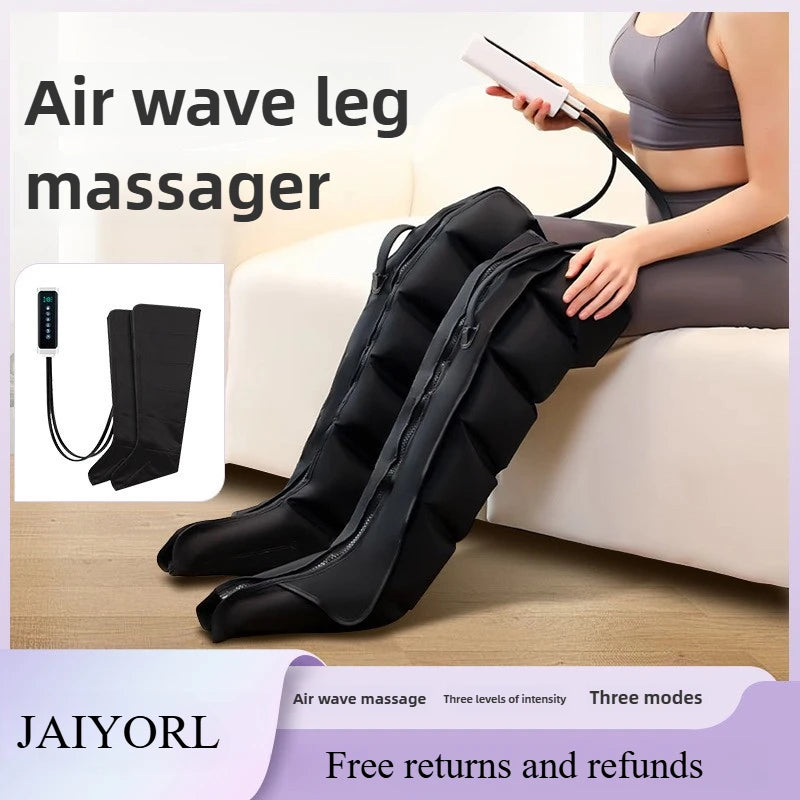
Compression therapy for legs benefits explained — See it in action
What is leg compression therapy?
Leg compression therapy is a treatment and recovery technique that applies controlled pressure to the lower limbs to improve circulation, reduce swelling, and support healthy fluid movement. Depending on the device used, pressure may be constant or delivered in rhythmic cycles that mimic natural muscle contractions.
Healthcare providers often recommend compression leg therapy for selected circulation disorders, while athletes and wellness users commonly use it to ease tired legs and recover after training. The primary goals are to improve venous return, reduce fluid accumulation, and promote comfort without invasive treatment.
Static compression vs pneumatic compression
The two most common approaches include:
- Static compression: Compression socks, stockings, sleeves, and wraps apply continuous graduated pressure throughout wear. These are commonly used for daily circulation support, travel, and mild swelling.
- Pneumatic compression: Air-filled chambers inflate and deflate sequentially, producing intermittent pressure that encourages blood and lymphatic fluid movement while providing a massage-like sensation.
Pneumatic systems generally offer more adjustable pressure patterns, making them popular for athletic recovery and home recovery sessions.
Who should consider leg compression therapy
You may benefit from compression therapy if you:
- Spend many hours standing or sitting.
- Experience tired, heavy, or mildly swollen legs.
- Exercise regularly and want to support recovery.
- Travel frequently on long flights or road trips.
- Have been advised by a healthcare professional to use compression for a circulation-related condition.
How does leg compression therapy work?
Compression therapy for leg circulation supports the body's natural blood flow and lymphatic drainage systems by applying external pressure to soft tissues and blood vessels.
Improved blood circulation
Healthy leg veins work against gravity to return blood toward the heart. Compression gently narrows superficial veins, helping the calf muscle pump move blood more efficiently while reducing pooling that contributes to heaviness and fatigue.
Lymphatic drainage and swelling reduction
Compression also encourages movement of excess tissue fluid through the lymphatic system. Better lymphatic drainage may help reduce mild swelling, improve comfort, and decrease the feeling of tightness that often develops after prolonged inactivity.
Muscle recovery and waste removal
Following exercise, muscles temporarily accumulate metabolic byproducts while microscopic tissue repair begins. Intermittent compression may support recovery by improving circulation, reducing post-workout soreness for some individuals, and helping users feel ready for their next training session sooner.
Who should and should not use leg compression therapy?
Common indications
Compression therapy may be appropriate for:
- Mild leg swelling after prolonged standing or sitting.
- Exercise recovery and muscle fatigue.
- Long-distance travel.
- Varicose vein symptom management.
- Lymphedema management under professional guidance.
- Selected chronic venous disorders recommended by a healthcare provider.
Contraindications
Compression therapy is not suitable for everyone. People with severe peripheral arterial disease, certain untreated heart conditions, active skin infections, or acute deep vein thrombosis should not begin compression therapy unless specifically instructed by a qualified healthcare professional.
When to seek medical advice
Consult your healthcare provider before using compression therapy if you experience sudden one-sided leg swelling, severe pain, numbness, non-healing wounds, diabetes with reduced sensation, or have recently undergone vascular surgery. Persistent swelling should always be evaluated to identify its underlying cause.
Benefits of leg compression therapy backed by clinical evidence
For sore and tired legs
Compression therapy can reduce feelings of heaviness, fatigue, and mild discomfort by supporting circulation and limiting fluid accumulation throughout the day. Many office workers, healthcare professionals, teachers, and retail employees use compression after long shifts.
For athletes and recovery
Many recreational and competitive athletes incorporate compression into recovery routines between training sessions. While results vary, pneumatic compression may help decrease perceived muscle soreness, improve comfort, and encourage recovery when combined with adequate sleep, nutrition, hydration, and active recovery.
For swelling, edema, and circulation issues
Compression therapy plays an established role in managing edema and chronic venous conditions under medical supervision. It can also provide symptom relief for people with mild swelling related to prolonged sitting, travel, or pregnancy when recommended by a healthcare provider.
Explore Body Care and Health Devices
Types of leg compression therapy and how to choose
Compression socks and sleeves
Best for everyday circulation support, travel, and prolonged standing. They are lightweight, portable, and relatively inexpensive, although they provide less dynamic stimulation than pneumatic devices.
Compression boots and machines
Air compression boots use programmable chambers that inflate sequentially to deliver targeted pressure. They are particularly useful for recovery after exercise, relieving tired legs, and supporting circulation at home.
Compression wraps and multilayer bandages are typically fitted or recommended by healthcare professionals for treating lymphedema, venous ulcers, or significant edema. Proper fitting is important to ensure effective and safe treatment.
Leg compression machine benefits: are they worth it?
Compared with traditional compression garments, pneumatic leg compression machines provide adjustable treatment sessions that can target different areas of the legs independently.
- Customizable pressure settings
- Sequential air compression technology
- Consistent treatment sessions
- Convenient home recovery
- May improve comfort after strenuous activity
Who benefits most
Home compression machines are often most valuable for athletes, active adults, frequent travelers, individuals with physically demanding jobs, and users who experience recurring leg fatigue after long periods of standing.
Home vs clinical devices
Home devices prioritize convenience and recovery, while clinical pneumatic compression systems often provide additional treatment options for patients with medically diagnosed conditions. The best choice depends on your goals, symptoms, and healthcare recommendations.
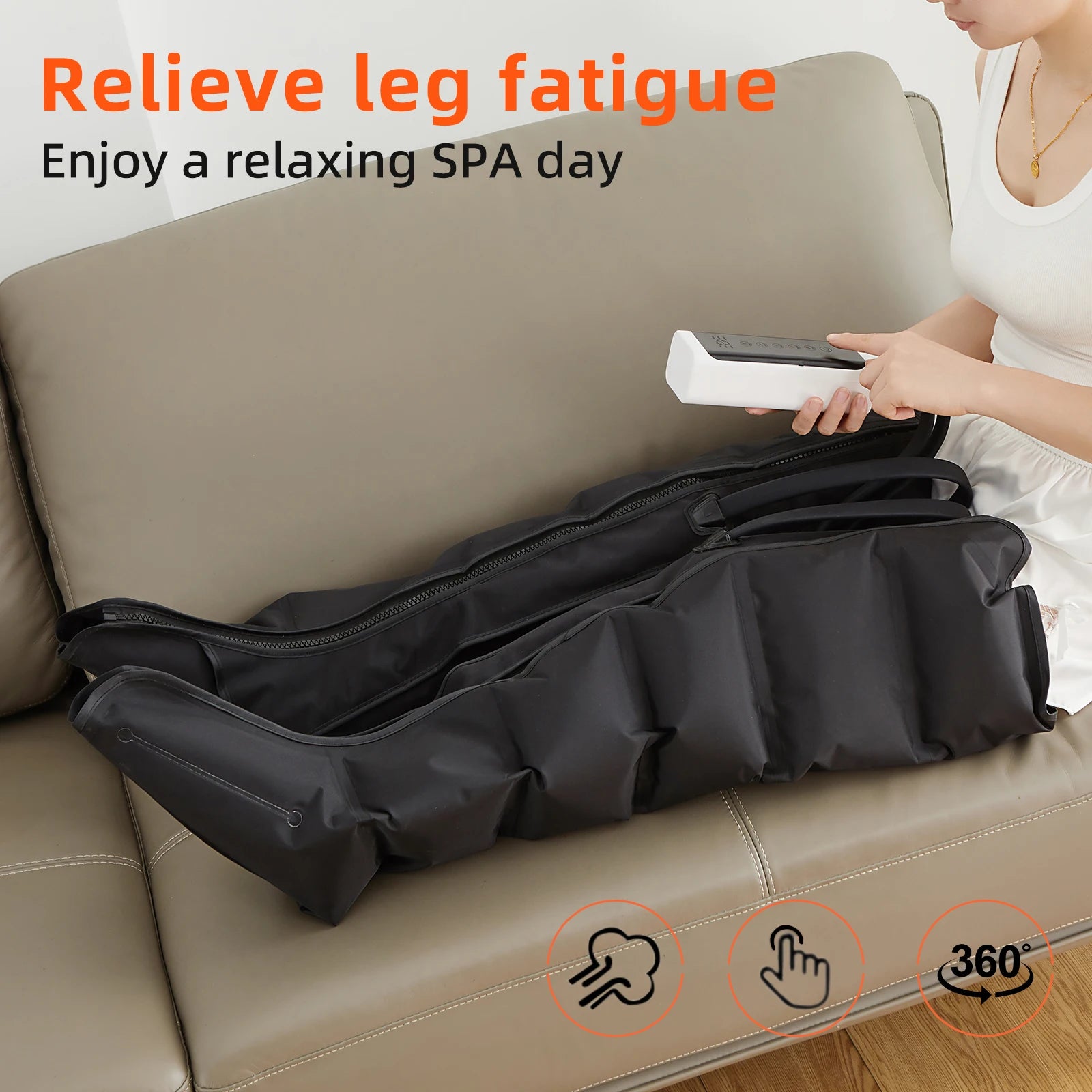
Leg compression therapy for athletes — Feel the recovery difference
Compression pressure levels explained (mmHg guide)
Mild (8–15 mmHg)
Suitable for everyday comfort, occasional tired legs, and travel. Mild compression is commonly chosen by people who are new to compression garments.
Moderate (15–20 or 20–30 mmHg)
Often used for more noticeable swelling, varicose vein symptom support, and recovery. Depending on the pressure level, some products may be recommended after consultation with a healthcare professional.
High compression (30 mmHg and above)
Higher-pressure garments are generally intended for specific medical conditions and should usually be fitted or prescribed by qualified healthcare providers to ensure appropriate use.
Compression therapy vs other recovery methods
| Method | Primary Benefit | Best Used With | Limitations |
|---|---|---|---|
| Compression Therapy | Supports circulation and recovery | Exercise, hydration, elevation | Requires consistent use |
| Massage | Relieves muscle tension | Compression therapy | Usually requires another person or therapist |
| Elevation | Helps reduce swelling | Compression | Temporary benefit |
| Exercise and Stretching | Improves mobility and muscle function | Compression recovery | Does not directly replace compression |
Rather than replacing other recovery techniques, compression therapy often works best as part of a broader recovery strategy that includes movement, stretching, hydration, and adequate rest.
How to use leg compression therapy safely at home
Step-by-step usage guide
- Position the sleeves or boots according to the manufacturer's instructions.
- Select a comfortable pressure setting.
- Remain seated or reclined during treatment.
- Use the device for approximately 15–30 minutes unless directed otherwise.
- Drink water and resume normal activity afterward.
How often to use it
Many users benefit from one session daily or after strenuous exercise. Those using compression for medical conditions should follow the schedule recommended by their healthcare provider.
Signs to stop treatment
Discontinue use and seek medical advice if you develop severe pain, numbness, skin discoloration, significant discomfort, or worsening swelling during or after compression therapy.
Try the air compression leg massager today
When to expect results from leg compression therapy
Immediate effects
Many people notice lighter-feeling legs, reduced tightness, and temporary relief from swelling immediately after a treatment session. Athletes may also report improved comfort following intense workouts.
Long-term outcomes
Consistent use over several weeks may provide more sustained improvements in comfort, recovery, and management of mild swelling. Individuals using compression for chronic medical conditions should continue following their healthcare provider's treatment plan and attend recommended follow-up appointments.
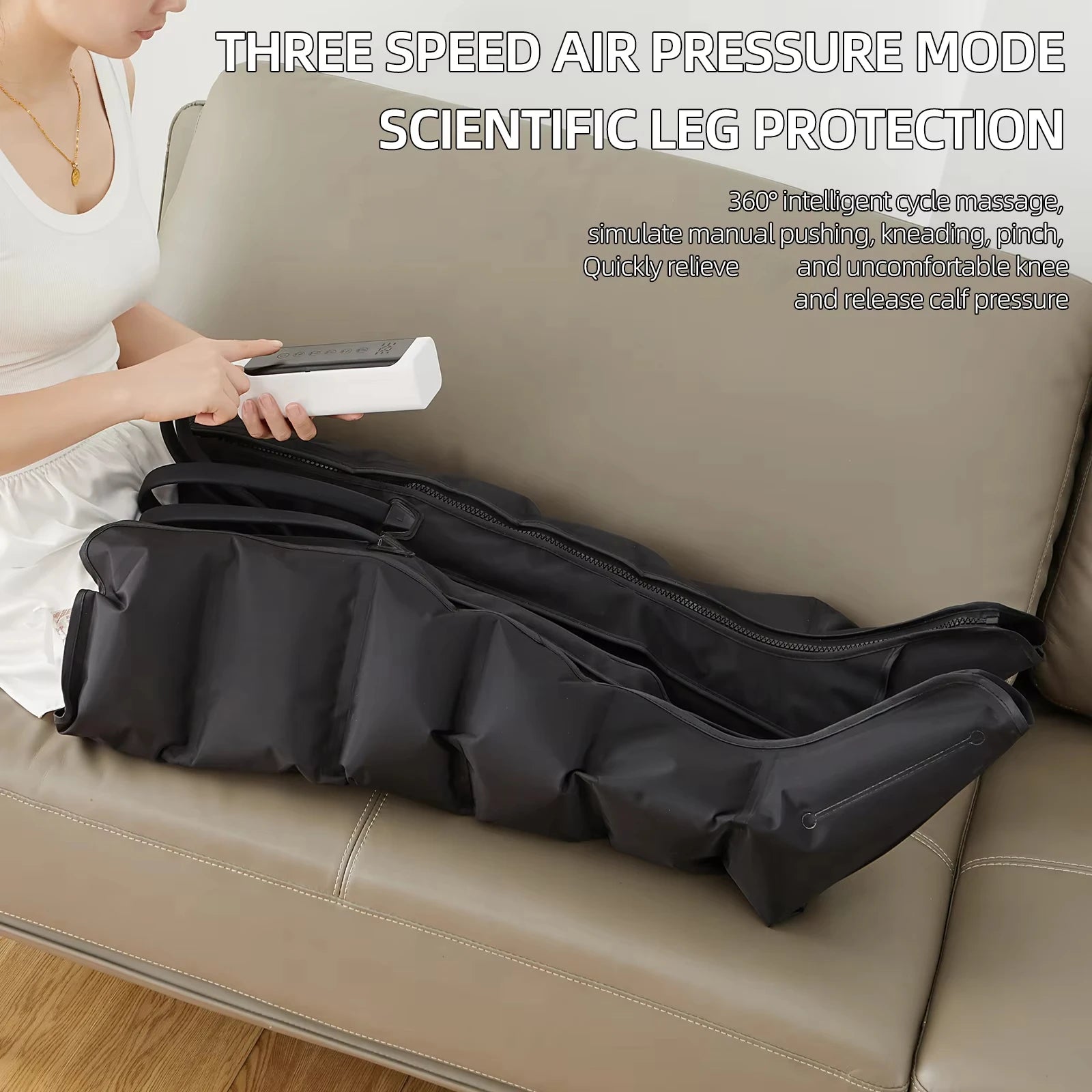
Compression therapy for sore legs — See results over time
Upgrade your leg recovery routine













