Does a Knee Massager Really Work?
Yes—a knee massager can help relieve mild to moderate knee discomfort, stiffness, and muscle tension when used consistently. Most modern devices combine heat therapy, air compression, vibration, and in some models, red light therapy to improve comfort and support mobility. They are not a cure for arthritis, ligament injuries, or other medical conditions, but many users experience meaningful symptom relief as part of a broader self-care routine.
How heat, vibration, compression, and red light help
Each therapy targets a different aspect of knee discomfort:
- Air compression applies rhythmic pressure that may encourage circulation and reduce the feeling of swelling.
- Heat therapy helps relax muscles, loosen stiff joints, and improve comfort before activity or bedtime.
- Vibration massage eases muscle tension surrounding the knee and can reduce post-exercise soreness.
- Red light therapy is included on some premium devices and is being studied for its potential to support tissue recovery, although evidence remains limited.
Who benefits most
- People experiencing age-related joint stiffness
- Individuals with mild arthritis symptoms seeking non-drug relief
- Active adults recovering after workouts or long walks
- Office workers who sit for extended periods
- Older adults looking for gentle daily support
What the evidence says
Clinical research supports the use of heat therapy for temporary pain relief and improved flexibility, while compression may help reduce swelling and promote circulation. Massage and vibration can also reduce muscle tightness around the joint. Results vary depending on the underlying cause of knee pain, so persistent or worsening symptoms should be evaluated by a healthcare professional.
Best Knee Massager for Knee Pain Relief (2026 Guide & Comparison)
Knee pain can interfere with sleep, movement, exercise, and everyday comfort. Whether discomfort comes from arthritis, prolonged standing, sports recovery, or age-related stiffness, the right knee pain relief device can make daily life more comfortable. This guide compares today's best knee massagers for knee pain relief and explains which features matter most before you buy.
⏱ 7 min read
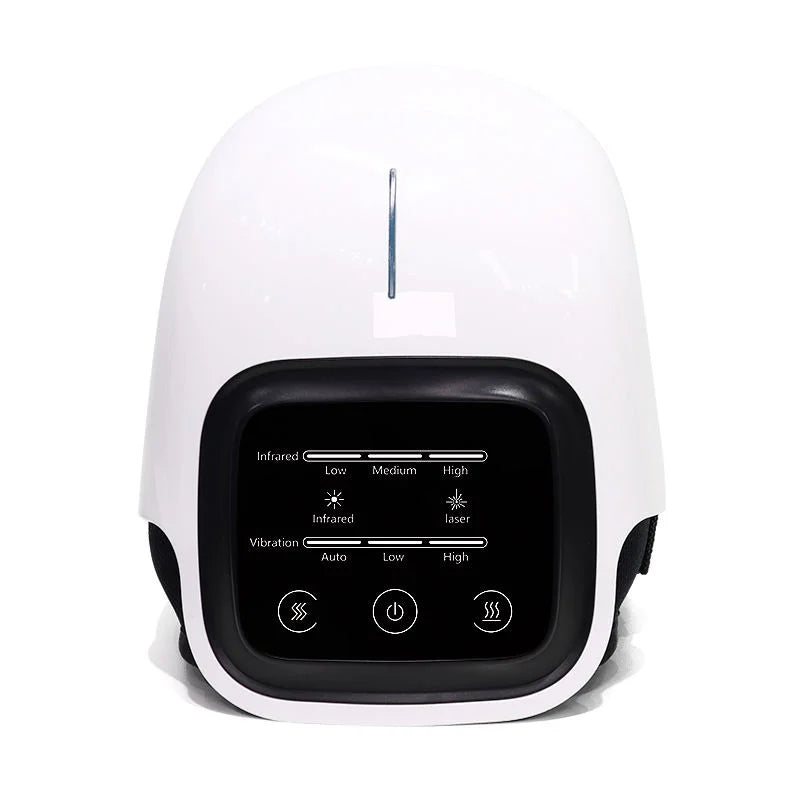
Cordless knee massager for daily comfort and nighttime relief. See it in action.
Choosing between heat, vibration, compression, or a combination? The comparison below makes it easy.
Types of Knee Massagers Explained
Cordless vs electric knee massager
A cordless knee massager is rechargeable, portable, and easy to use while relaxing, traveling, or working from home. Traditional electric models plug into a wall outlet and provide continuous power but offer less mobility.
Heat vs vibration vs air compression vs red light
Each technology serves a different purpose. Heat is ideal for stiffness, vibration targets surrounding muscles, air compression provides rhythmic pressure for circulation, and red light is an optional feature found on some advanced models for users interested in additional recovery support.
Portable knee massagers are compact enough for travel, while rechargeable models eliminate disposable batteries and generally provide multiple treatment sessions per charge, making them the better choice for consistent daily use.
Quick Comparison Table: Best Knee Massagers for Knee Pain Relief
Comparison by therapy type
| Category | Therapies | Best For | Value |
|---|---|---|---|
| Best Overall | Heat + Compression + Vibration | Most users | ★★★★★ |
| Best for Arthritis | Heat + Gentle Compression | Daily stiffness | ★★★★☆ |
| Best Cordless | Rechargeable Multi-Mode | Travel & home | ★★★★★ |
| Best with Heat | Adjustable Heat | Cold weather & evening use | ★★★★☆ |
| Best Value | Heat + Vibration | Budget shoppers | ★★★★☆ |
Best for different user needs
- Arthritis: Gentle compression with steady warmth.
- Workout recovery: Strong vibration plus compression.
- Seniors: Easy controls and lightweight construction.
- Office workers: Quiet rechargeable models.
- Frequent travelers: Compact cordless knee pain relief device.
How We Tested and Ranked These Knee Massagers
Evaluation criteria
Products were assessed using practical buying criteria including comfort, therapy effectiveness, battery life, ease of operation, adjustability, portability, build quality, and overall value for money. We also considered whether devices offered multiple therapy modes instead of relying on a single treatment method.
Who performed best in real-world use
Combination models featuring heat, air compression, and vibration consistently offered the most versatile experience across different users. Lightweight rechargeable designs also ranked highly because they encourage regular use, which is often more important than maximum intensity. Individual comfort preferences vary, and no single device is ideal for every knee condition.
Best Knee Massagers for Knee Pain Relief (Top Picks)
Best overall
The strongest all-around performers combine adjustable heat, air compression, and vibration in one ergonomic design. These models suit the widest range of users by balancing comfort, customization, and portability.
Pros:
Multiple therapies, adjustable settings, versatile.
Cons:
Usually cost more than basic models.
Best for arthritis
A knee massager for arthritis should prioritize gentle compression, steady warmth, and simple controls that make daily sessions comfortable without excessive vibration.
Best cordless
Rechargeable cordless designs allow treatment anywhere without cables, making it easier to stay consistent whether you're at home, in the office, or traveling.
Best with heat
Models emphasizing adjustable heating levels are especially useful for stiffness in cooler weather or before bedtime.
Best for daily use
Daily-use models should be lightweight, quiet, rechargeable, and comfortable enough to wear for 10–20 minute sessions.
Best value
Mid-range knee massagers that combine heat and vibration often deliver excellent performance without premium pricing, making them ideal for occasional users.
How Knee Massagers Work
Improving circulation
Compression cycles gently encourage blood flow around the knee, while warmth increases local circulation, helping users feel looser and more comfortable after periods of inactivity.
Reducing stiffness and muscle tension
Heat and vibration target the muscles surrounding the joint rather than the joint itself. Relaxing these supporting muscles may improve mobility and reduce feelings of tightness.
Knee massagers cannot repair torn ligaments, reverse arthritis, or replace physical therapy when medically necessary. They work best as part of an overall management plan that may include exercise, stretching, weight management, and medical care.
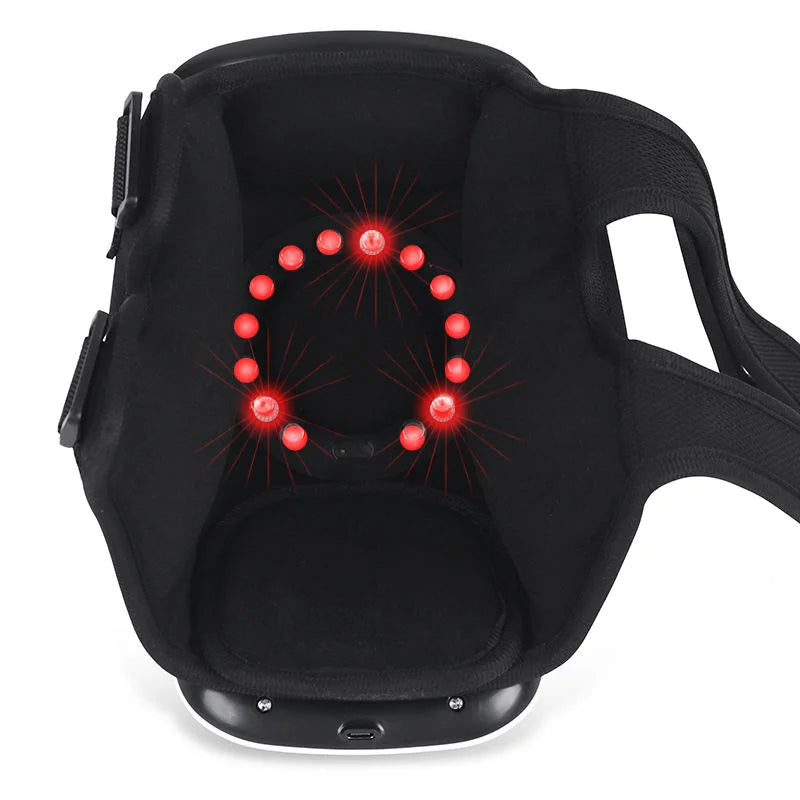
Vibration knee massager easing joint tension. See it in action.
Benefits of Using a Knee Massager Daily
Pain management without medication
For many people, regular massage sessions provide temporary symptom relief without relying solely on medication.
Improved mobility and recovery
Consistent use may reduce stiffness before activity and improve comfort after exercise or prolonged standing.
How to Choose the Best Knee Massager
Fit and adjustability
Look for adjustable straps that provide even compression without feeling restrictive.
Therapy modes
The most versatile models combine heat, compression, and vibration with multiple intensity levels.
Battery life and portability
A rechargeable knee massager should provide enough battery life for several treatment sessions between charges.
Safety features and value
Automatic shut-off timers, temperature protection, quality materials, and dependable customer support add long-term value beyond the initial purchase price.
Who Should and Should Not Use a Knee Massager
Good candidates
- Adults with occasional knee soreness
- People experiencing mild arthritis symptoms
- Active individuals recovering after exercise
- Office workers and older adults with stiffness
When to avoid use
Do not use a knee massager over open wounds, severe swelling from acute injury, active infections, or if your healthcare provider advises against heat or compression therapy.
When to see a healthcare professional
Seek medical evaluation if pain follows a significant injury, prevents walking, causes joint instability, or persists despite home treatment.
Which Knee Massager Is Right for You?
Arthritis
Choose gentle heat with adjustable compression.
Post-workout recovery
Prioritize stronger vibration and multiple compression modes.
Seniors
Look for lightweight construction and intuitive controls.
Active adults
Rechargeable portable models provide flexibility throughout the day.
Daily office use
Quiet cordless devices are convenient for regular sessions during breaks or after work.
The cordless knee massager combines portability, adjustable therapy modes, and rechargeable convenience, making it a practical option for everyday comfort.
How to Use a Knee Massager Effectively
Session length
Most manufacturers recommend 10–20 minute sessions.
Frequency
One or two sessions per day are generally appropriate for most healthy adults unless otherwise directed by a healthcare professional.
Tips for better results
- Secure the device comfortably around the knee.
- Begin with the lowest heat and intensity.
- Increase settings gradually if comfortable.
- Combine treatments with gentle stretching and regular movement.
- Stop immediately if discomfort increases.
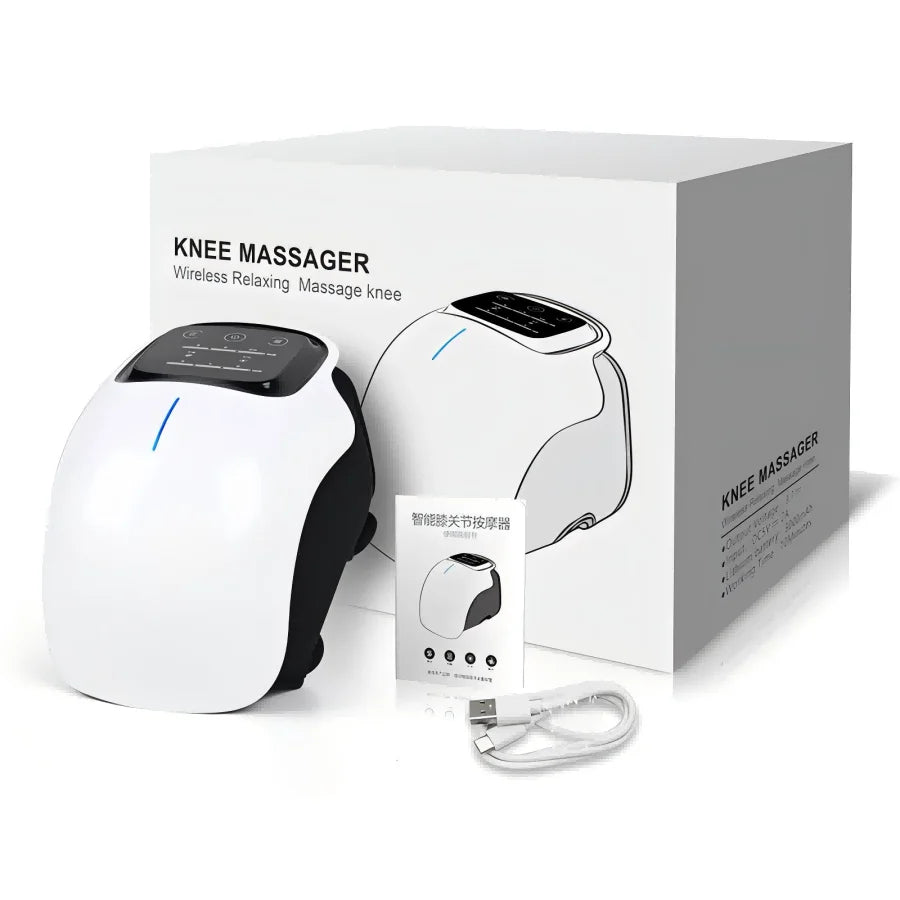
Electric knee massager for nighttime comfort. See it in action.
Is a Knee Massager Safe?
Common precautions
Read the manufacturer's instructions, avoid excessive heat, and do not exceed recommended treatment times.
Possible side effects
Using settings that are too intense may temporarily cause mild skin redness or soreness. Reducing intensity usually resolves these issues.
When to stop using it
Discontinue use if pain worsens, significant swelling develops, numbness occurs, or you experience unusual discomfort. Contact a healthcare professional if symptoms persist.
Frequently Asked Questions
What is the best knee massager for knee pain relief?
The best model combines adjustable heat, air compression, vibration, comfortable fit, and reliable battery life to suit your specific needs.
Are knee massagers safe for seniors?
Yes, many seniors use them safely for daily comfort, although anyone with significant circulation problems or recent surgery should first consult a healthcare professional.
Can I use a knee massager every day?
Yes. Most manufacturers recommend daily sessions lasting 10–20 minutes.
Which is better: heat, vibration, or air compression?
Each provides different benefits. Heat helps stiffness, vibration targets muscle tension, and air compression supports circulation. Combination devices offer the greatest versatility.
Do rechargeable knee massagers last long enough for daily use?
Most quality rechargeable models provide several treatment sessions per charge, making them suitable for regular home use.
When should I see a doctor instead of using a knee massager?
If knee pain follows trauma, causes instability, severe swelling, fever, or prevents normal movement, seek medical evaluation instead of relying solely on a massage device.
View the cordless knee massager