

Cordless vs. Plug-In Heating Pads: Which Is Better for You?
Choosing between a cordless and plug-in heating pad comes down to one practical question: do you value freedom of movement or uninterrupted access to power? A cordless heating pad uses a rechargeable battery, making it convenient for work, travel, commuting, and moving around the home. A plug-in heating pad stays connected to an outlet, which can make it more practical for longer stationary sessions. The better option depends on where you use it, how long each session lasts, and whether portability matters.
Cordless vs. Plug-In Heating Pads: Quick Comparison
At-a-Glance Comparison Table
| Factor | Cordless Heating Pad | Plug-In Heating Pad |
| Power source | Rechargeable battery | Electrical outlet |
| Heat consistency | Depends on battery level and device design | Continuous access to electrical power |
| Runtime | Limited by battery capacity, heat setting, and design | Can continue while connected to power |
| Temperature control | Depends on model; adjustable levels may be available | Depends on model; adjustable levels may be available |
| Portability | Excellent | Limited by outlet access and cord length |
| Charging | Must be recharged between uses | No battery charging required |
| Long stationary sessions | Battery runtime becomes a consideration | Generally better suited to extended use near an outlet |
| Mobility | Best for moving around | Best when remaining near an outlet |
| Battery aging | Rechargeable battery can lose capacity over time | No rechargeable battery |
| Best use cases | Travel, commuting, desk use, flexible home use | Home recovery and longer stationary sessions |
The Short Answer: Which One Should You Choose?
Choose cordless if portability, movement, travel, or outlet-free use is your priority. Choose plug-in if you normally stay in one location and want continuous power for longer sessions. Neither format is automatically better at producing useful heat; heating-element design, insulation, temperature regulation, controls, and construction also affect performance.
What Is a Cordless Heating Pad?
A cordless heating pad uses a rechargeable battery to supply power to its heating element. Instead of remaining connected to an electrical outlet, the device stores electrical energy in its battery and delivers that power during use. This design makes cordless heat therapy easier to use away from a fixed power source.
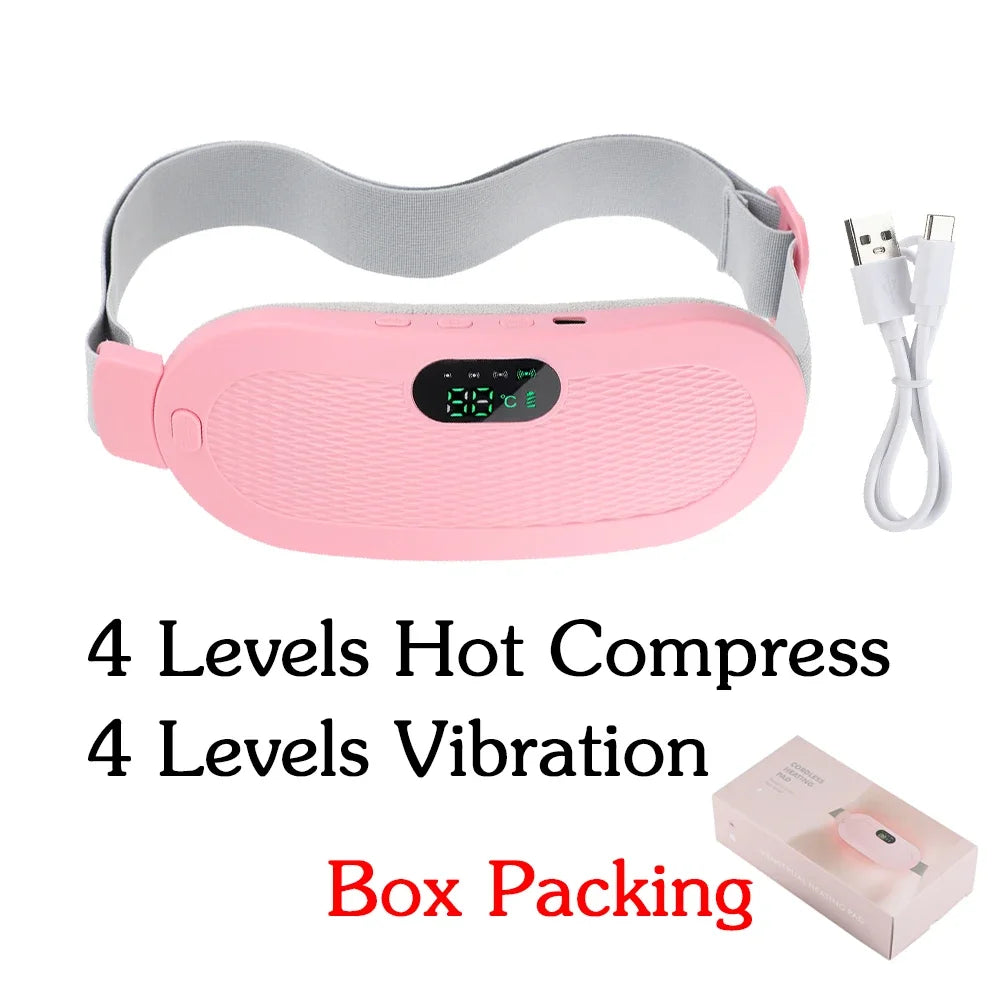
How Rechargeable Heating Works
A typical rechargeable design combines a battery, heating element, control system, and charging connection. The battery provides the electrical energy required by the heating element, while the controls determine how the device operates. Some models offer multiple heat levels, timers, or additional features such as vibration.
For example, a rechargeable menstrual heating belt can combine adjustable warmth with gentle vibration and a timer. The featured menstrual heating pad for period relief uses an 1800mAh rechargeable lithium battery, USB Type-C 5V charging, adjustable heat, selectable vibration intensity, and automatic 15- or 30-minute sessions.
Typical Runtime and Charging Requirements
There is no universal cordless runtime because battery life depends on battery capacity, heat setting, ambient temperature, device construction, and power requirements. Higher heat settings can consume more stored energy, while lower settings may allow a charge to last longer.
For practical planning, think about the session rather than relying on a generic runtime claim. A short commute, work period, reading session, or rest period may have different power requirements. Check the manufacturer's specifications for the particular device and recharge it according to the provided instructions.
Advantages and Drawbacks of Cordless Heating
- Advantage: Freedom from an electrical outlet.
- Advantage: Easier movement around the home, workplace, or while traveling.
- Advantage: Convenient for situations where cord management is inconvenient.
- Drawback: Runtime is limited by battery capacity and operating conditions.
- Drawback: The device must be recharged between uses.
- Drawback: Rechargeable batteries can gradually lose capacity over time.
What Is a Plug-In Heating Pad?
A plug-in heating pad receives electrical power directly from an outlet. Because it does not depend on a rechargeable battery during operation, it can continue producing heat while connected to an appropriate power source. This makes the format particularly convenient when you plan to remain in one location.
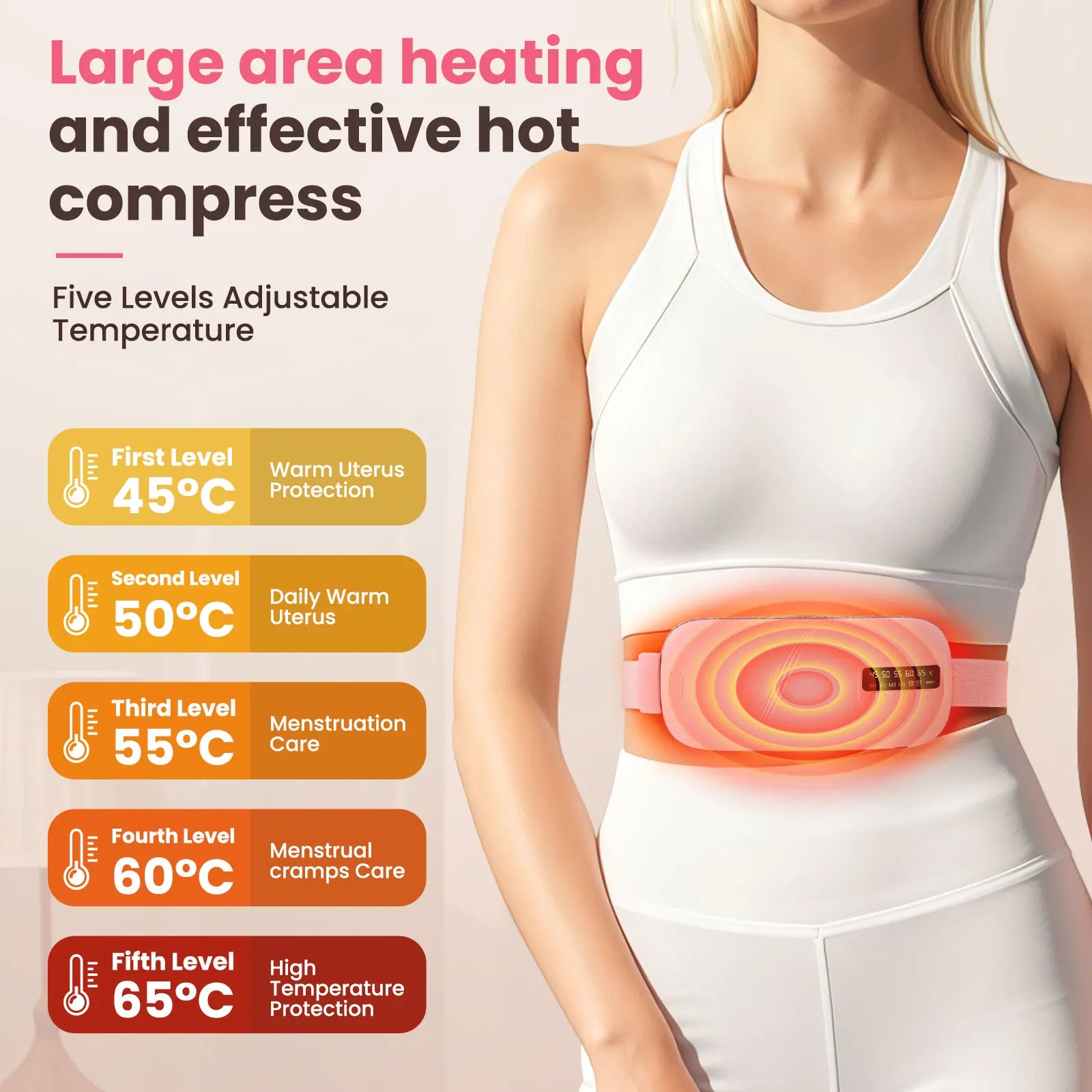
How Plug-In Heating Works
With a plug-in design, electrical power flows from the outlet to the heating system through the device's cord. The control system regulates operation according to the manufacturer's design. Depending on the model, controls may include adjustable temperature settings and automatic shutoff.
Heat Consistency and Long-Session Use
The main practical advantage of plug-in heating is continuous access to electrical power. If you are using a heating pad at home while sitting or resting near an outlet, you do not have to plan the session around remaining battery capacity.
That does not mean every plug-in heating pad produces more heat than every cordless model. Heat performance depends on the specific heating element, controls, insulation, temperature regulation, and construction. The power source is only one part of the overall design.
Advantages and Drawbacks of Plug-In Heating
- Advantage: Continuous electrical power while connected to an outlet.
- Advantage: Practical for longer stationary sessions.
- Advantage: No battery charging cycle is required.
- Drawback: Requires access to an electrical outlet.
- Drawback: The cord can restrict movement and require management.
- Drawback: Less convenient for commuting or travel without reliable outlet access.
Cordless vs. Plug-In Heating: Key Differences That Matter
Heat Performance and Temperature Consistency
When comparing cordless versus plug-in heating pads, do not assume that the power source alone determines heat performance. Heating-element construction, insulation, temperature regulation, heat distribution, and control design can have a major effect on how warmth feels during use.
A well-designed cordless unit can provide useful targeted warmth without being connected to an outlet. A plug-in model can provide continuous power, but that advantage matters most when you actually need a long stationary session.
Temperature Control
Temperature control should be evaluated separately from the power source. Look for clearly defined heat settings and controls that make it easy to select an appropriate level. Automatic shutoff is another useful feature because it can help limit prolonged operation.
For a menstrual heating belt, adjustable warmth can be particularly convenient because users may prefer different levels of warmth during different parts of a session. The featured product offers multiple heat levels together with selectable vibration intensity.
Battery Runtime vs. Continuous Power
This is the clearest technical difference. A cordless heating pad has a finite amount of stored energy. Runtime changes according to battery capacity, heat setting, temperature, and device design. A plug-in heating pad can continue operating while connected to power, subject to the manufacturer's operating instructions.
If your normal session is short or you frequently need heat away from outlets, battery-powered operation can be more convenient. If you routinely remain seated for extended periods, continuous power may be more practical.
Portability and Freedom of Movement
Cordless heating has the obvious advantage when mobility matters. There is no power cord running from the device to a wall outlet, making it easier to move between rooms, use at a desk, or pack for travel.
This is especially relevant for menstrual discomfort during work or travel. A cordless abdominal belt can provide targeted warmth without requiring the user to remain beside an outlet.
For related body-care devices and portable wellness products, you can also browse the Body Care and Health Devices collection.
Charging and Daily Convenience
Cordless convenience comes with one responsibility: remembering to charge the device. A rechargeable heating pad is most useful when it has enough stored power before the session begins.
Plug-in heating removes that charging step but replaces it with outlet dependence. For a fixed home setup, that tradeoff may be worthwhile. For travel, commuting, or movement around the home, cordless operation may be more convenient.
Durability and Battery Aging
Both types of heating pads experience normal component wear over time. Cordless devices have the additional consideration of rechargeable battery aging. Battery capacity can decline with repeated use, meaning a device may eventually provide less runtime between charges.
Plug-in models do not have a rechargeable battery to maintain, although cords, controls, heating elements, and other components can still wear with use. Follow the manufacturer's care and storage instructions for whichever format you choose.
Cost and Total Cost of Ownership
Price should not be evaluated only at checkout. For cordless devices, consider charging requirements and the possibility of battery capacity declining over the useful life of the product. For plug-in devices, consider whether the cord and outlet requirements fit your normal usage.
The most economical option is ultimately the one that matches how you will actually use it. Paying more for portability may make little sense if the device will stay beside the same couch outlet. Conversely, a less expensive plug-in pad may be inconvenient if your primary need is portable heat.
Which Heating Pad Is Better for Different Situations?
Best for Home Recovery
Plug-in heating generally makes sense when you expect to remain near an outlet and want longer uninterrupted sessions. A fixed location removes much of the inconvenience associated with the cord.
Best for Desk or Work Use
Cordless heating can be useful at a desk when movement, outlet access, or cord management is inconvenient. A compact rechargeable belt can stay positioned around the abdomen or waist without requiring a cable to remain connected to a wall outlet.
For users specifically looking for portable menstrual comfort, the rechargeable period relief belt combines adjustable heat, gentle vibration, a rechargeable 1800mAh battery, and automatic 15- or 30-minute sessions.
Best for Travel and Commuting
Cordless heating is usually the more practical choice when traveling because it does not depend on having an accessible electrical outlet during the session. Recharge the device before leaving and plan usage around its expected battery capacity.
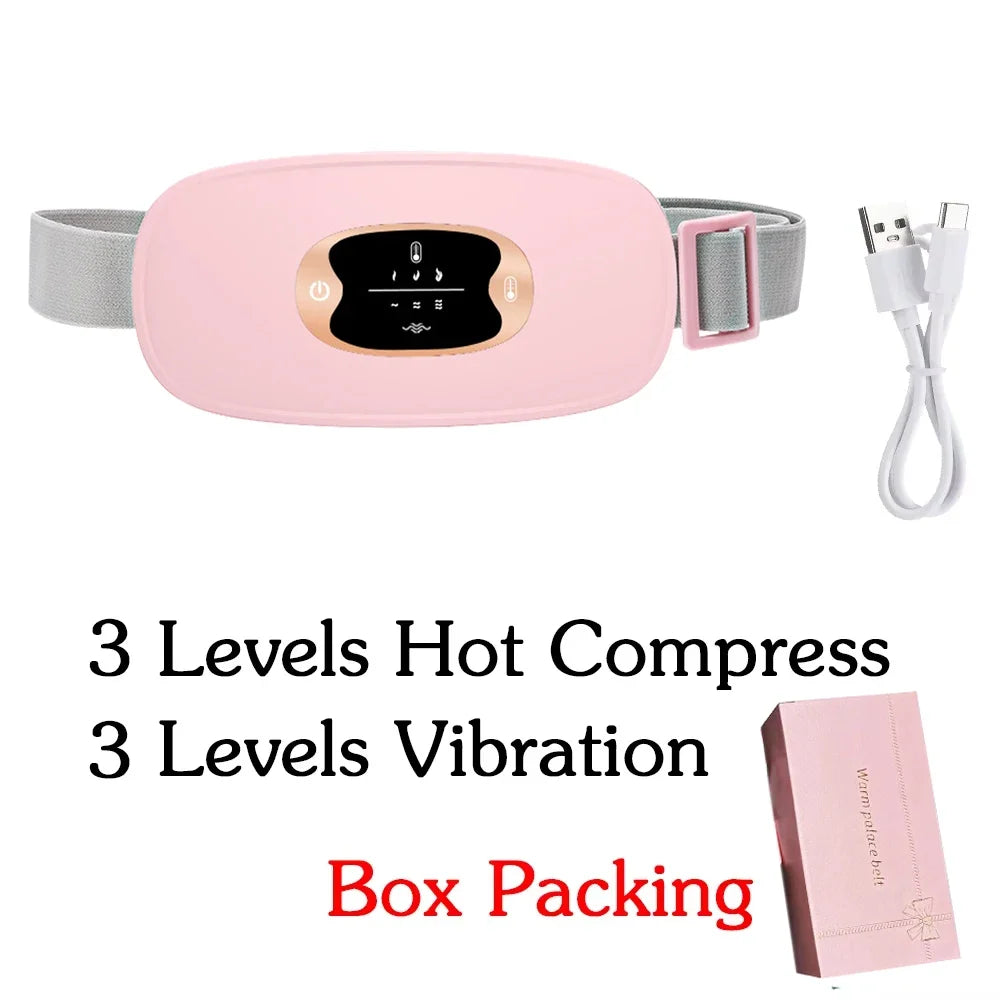
A cordless design can be particularly useful when menstrual discomfort occurs during a workday, commute, reading session, or trip. The key advantage is not necessarily stronger heat; it is access to targeted warmth without being tied to an outlet.
Best for Nighttime Use
Nighttime use requires more caution than simply choosing the most convenient format. Follow the manufacturer's instructions, pay attention to automatic shutoff features, manage cords safely when applicable, and avoid assuming that a heating pad is appropriate for unattended overnight use.
Automatic shutoff can be a useful design feature because it limits continuous operation. Users should still follow the device's specific instructions, particularly if they may fall asleep during use or have reduced ability to sense heat.
Best for Extended Heating Sessions
For long stationary sessions, plug-in heating generally has the advantage because it can remain connected to power instead of relying on finite battery capacity. If the session is likely to exceed the practical runtime of a cordless device, continuous power can simplify the experience.
For shorter sessions where mobility is more important than continuous operation, cordless heating can be the better fit.
Are Cordless Heating Pads as Effective as Plug-In Models?
Yes, a cordless heating pad can provide effective warmth, but effectiveness should not be judged by the power source alone. The important question is how the specific device generates, distributes, regulates, and maintains heat.
What Actually Determines Heating Performance?
Look at the heating element, available temperature range, heat distribution, insulation, temperature controls, construction, and operating instructions. These factors can influence how evenly and consistently warmth is delivered.
For example, the featured rechargeable menstrual heating pad is designed for abdomen and waist use and combines adjustable warmth with gentle vibration. Its specifications list ABS and velvet cotton construction, a rechargeable 1800mAh lithium battery, USB Type-C 5V charging, and heat up to 65°C depending on model.
When Cordless Heat May Feel Less Consistent
Some cordless devices may become less practical as battery power declines, particularly when operating at higher heat settings. This is why battery capacity and expected runtime should be considered alongside temperature controls when comparing models.
If consistent long-duration operation is your priority, a plug-in design may better match your needs. If flexibility and movement are more important, the finite runtime of a rechargeable device may be an acceptable tradeoff.
Safety Considerations for Cordless and Plug-In Heating
Automatic Shutoff and Temperature Limits
Automatic shutoff and adjustable temperature controls are useful safety-oriented features. They can help limit operation and make it easier to select an appropriate setting. Always follow the manufacturer's instructions rather than assuming a particular temperature or session duration is universally appropriate.
Cord, Outlet, and Battery Safety
Inspect plug-in cords and connections for visible damage before use. Use electrical equipment according to the manufacturer's instructions and avoid using damaged components.
For cordless products, use the specified charging method and charging voltage. The featured menstrual heating pad specifies USB Type-C, 5V charging and an 1800mAh rechargeable lithium battery. Follow the product's charging and storage instructions, and discontinue use if the device shows signs of abnormal overheating or damage.
Avoiding Prolonged or Unattended Heat Exposure
Do not assume that more heat or longer exposure is automatically better. Use the manufacturer's recommended settings and session guidance. Extra caution is appropriate during sleep or whenever normal sensation may be impaired, because prolonged heat exposure can be difficult to notice.
How to Choose Between Cordless and Plug-In Heating
Choose Cordless If You Prioritize Mobility
Choose a cordless heating pad when your priorities include travel, commuting, moving around the home, desk use, or operating without a nearby outlet. The tradeoff is that you must manage battery charging and finite runtime.
Choose Plug-In If You Prioritize Long Sessions
Choose a plug-in model when you usually remain in one location and want continuous access to electrical power. This is particularly practical for extended stationary sessions where battery runtime would otherwise become a limitation.
Choose Based on These 5 Questions
- Where will you use it? Home, desk, travel, commuting, or multiple locations?
- How long are your typical sessions? Short sessions favor convenience; extended sessions increase the value of continuous power.
- Will an outlet always be available? If not, cordless operation becomes more useful.
- How much movement do you need? Frequent movement favors a cordless design.
- Are you willing to recharge? Cordless heating requires charging discipline, while plug-in heating requires outlet access.
If your answers point toward portable abdominal warmth, a cordless menstrual heating belt can be a practical option for home, work, reading, or travel.
How to Get the Most From a Cordless Heating Pad
Battery-Care Best Practices
Use the manufacturer's specified charger or charging method, store the device according to its instructions, and avoid exposing the battery to unsuitable temperatures. Monitor the device for changes in charging behavior, unusual heat, physical damage, or declining performance.
Good battery care is less about complicated routines and more about following the product's charging, storage, and operating guidance consistently.
Plan Runtime Around Your Use Case
Think about when you are most likely to need heat. Before commuting, travel, work, or a planned recovery session, make sure the device has sufficient charge. If you routinely need longer sessions than the battery can reasonably support, a plug-in heating pad may be a better match.
For broader self-care content and device guidance, the Beauty & Self-Care Blog provides another place to explore related topics.
Final Verdict: Cordless or Plug-In Heating?
There is no universal winner in the cordless versus plug-in heating pad comparison. Cordless heating wins when portability, freedom of movement, travel, commuting, and outlet-free use matter most. Plug-in heating wins when continuous power and longer stationary sessions are the priority.
The most useful way to make the decision is to start with your actual routine. If you want targeted warmth while working, traveling, reading, or moving around the home, cordless operation offers a clear convenience advantage. If you plan to remain near an outlet for extended periods, plug-in heating may be simpler.
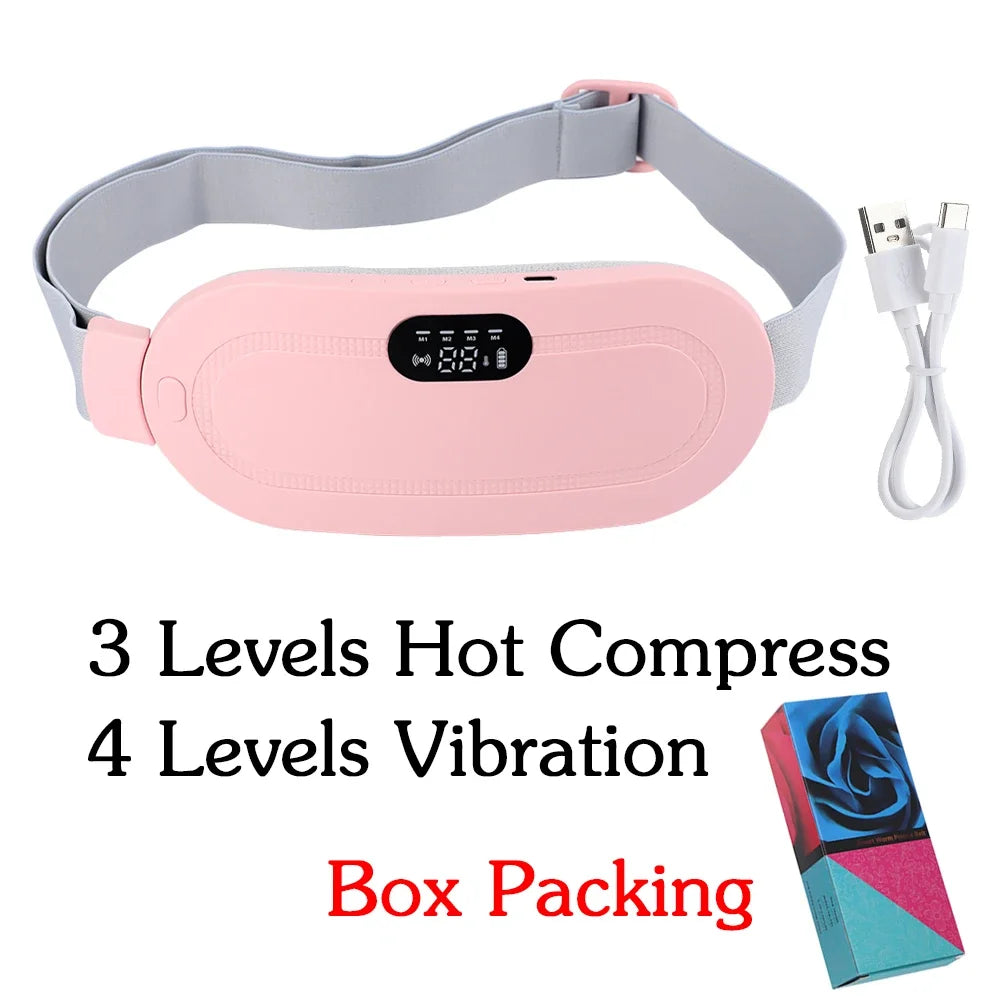
For people whose priority is portable menstrual comfort, the Menstrual Heating Pad for Period Relief & Soothing Heat Belt is designed around that cordless use case, combining adjustable heat, gentle vibration, a rechargeable 1800mAh battery, USB Type-C charging, and 15- or 30-minute automatic sessions. It is best viewed as a targeted portable comfort option rather than a universal replacement for every plug-in heating pad.
Ultimately, choose the power source that fits your environment and session length. The best heating pad is the one whose power, controls, portability, and safety features match the way you actually intend to use it.
Pillar Article: Best Heated Abdominal Belt for Women: Top Picks for Comfort













