

Does cryotherapy for muscle recovery really work?
Short answer for muscle recovery vs muscle atrophy
Cryotherapy for muscle recovery can reduce soreness, inflammation, and pain after exercise , helping you feel better and return to activity sooner. However, it does not rebuild muscle or reverse muscle atrophy . Muscle regrowth requires resistance training, proper nutrition, and rehabilitation.
What current evidence supports
Current research supports cryotherapy as a supportive recovery tool . It is effective for short-term symptom relief—especially muscle inflammation after exercise—but evidence for long-term structural muscle changes is limited. In other words, it helps you recover faster , not grow muscle .
What Is Cryotherapy and Does It Help Muscle Atrophy?
⏱ 7 min read — Muscle soreness, tightness, and slow recovery can interfere with both performance and daily comfort. Cryotherapy for muscle recovery has become a widely used method to manage inflammation and speed up recovery—but how effective is it, especially when it comes to muscle atrophy? This guide explains the science, limitations, and best use cases.
Explore recovery tools designed to reduce soreness and restore movement—without guesswork.
Cold exposure has evolved from simple ice packs to more controlled and targeted methods. Today’s cryotherapy tools allow consistent application, improved comfort, and better adherence to recovery routines.
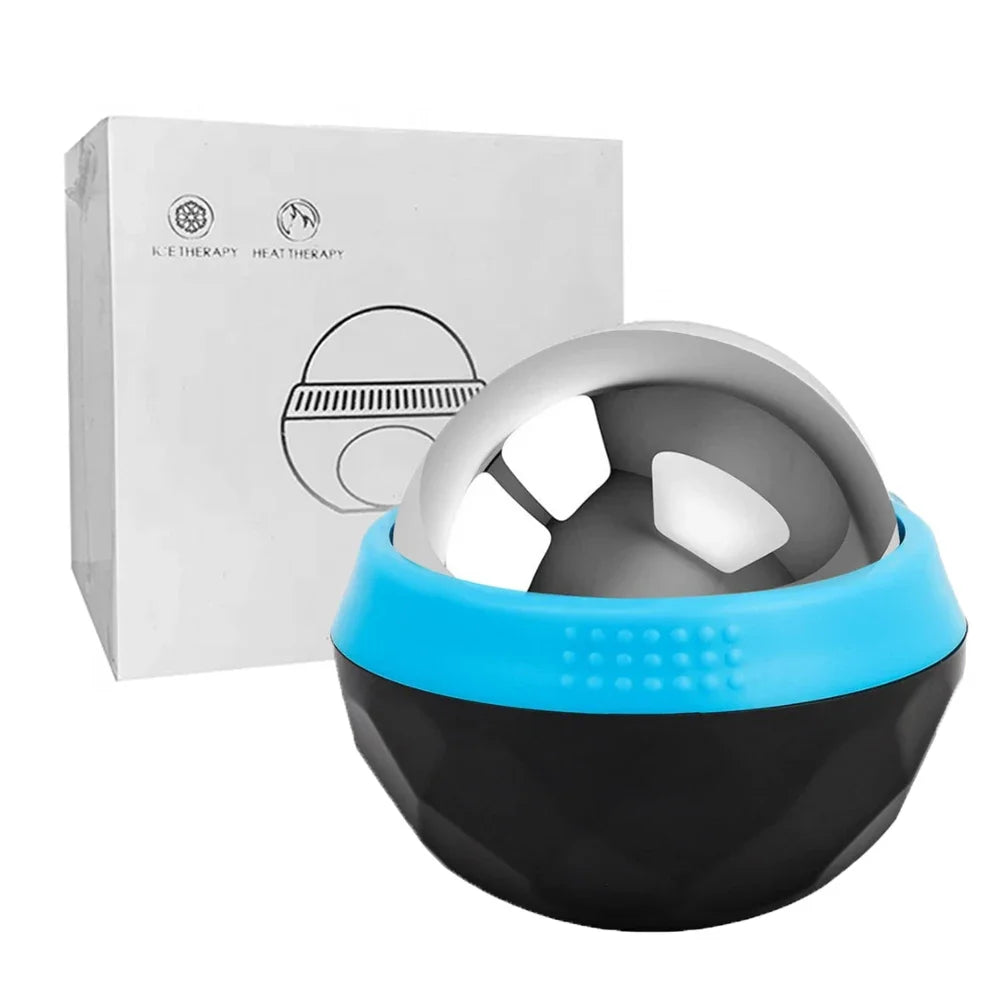
Targeted cryotherapy for muscle recovery at home See it in action
What Is Cryotherapy?
Local vs whole-body cryotherapy
Cryotherapy is a form of cold therapy that exposes the body—or a targeted area—to low temperatures for short periods. Localized cryotherapy (ice packs, rollers, compression wraps) targets specific muscles, while whole-body cryotherapy uses chambers to expose the entire body to extremely cold air.
How cryotherapy works physiologically
Cold exposure triggers vasoconstriction (narrowing of blood vessels), reducing inflammation and fluid buildup. When the body warms again, blood flow increases, delivering oxygen and removing metabolic waste. This process supports cryotherapy muscle recovery by improving circulation efficiency and reducing pain signals.
It is widely used in sports medicine, rehabilitation, and wellness routines, but its effects depend on how and when it is applied.
How Cryotherapy Affects Muscle Recovery
The Role of Inflammation After Exercise
After intense physical activity, small muscle fibers experience microscopic damage. This leads to muscle inflammation after exercise, which is a natural part of the healing process. However, excessive inflammation can increase soreness and delay recovery.
Blood Flow, Vasoconstriction, and Reperfusion
Cold exposure causes vasoconstriction, meaning blood vessels narrow and reduce blood flow to the affected area. Once the cold stimulus is removed, blood flow returns in a process called reperfusion. This cycle helps remove metabolic waste and may support faster tissue repair.
Pain Signaling and Nerve Response
Cryotherapy also reduces nerve activity in the treated area, which can decrease pain signals sent to the brain. This is why cold therapy for muscle recovery is often used to manage soreness and improve comfort after workouts.
What Is Muscle Atrophy and Why It Happens
Disuse atrophy
Disuse atrophy occurs when muscles are not used regularly, such as during prolonged inactivity, bed rest, or immobilization after injury.
Neurogenic atrophy
Neurogenic atrophy results from nerve damage or neurological conditions that prevent muscles from receiving proper signals to contract.
Muscle protein breakdown and loss
At the cellular level, muscle atrophy happens when protein breakdown exceeds protein synthesis. Over time, this leads to smaller muscle fibers, reduced strength, and decreased physical performance. This is different from temporary weakness—atrophy involves actual structural loss.
Does Cryotherapy Help Muscle Atrophy? What Science Says
What cryotherapy can help with
Cryotherapy can reduce inflammation, manage pain, and improve comfort during recovery. This may allow earlier return to movement and rehabilitation exercises.
What cryotherapy cannot fix
Cryotherapy does not rebuild muscle tissue, stimulate hypertrophy, or reverse muscle atrophy. These outcomes require resistance training, proper protein intake, and structured therapy.
Evidence from clinical studies
Studies show that cryotherapy for muscle recovery reduces soreness and perceived fatigue. However, evidence supporting its role in reversing muscle atrophy remains limited.
Proven vs theoretical benefits
Proven:
Pain relief, reduced swelling, short-term recovery support.
Uncertain:
Long-term muscle preservation, direct impact on muscle growth.
Conclusion:
Cryotherapy is best used as a
complement
, not a replacement, for rehabilitation.
Who Is a Good Candidate for Cryotherapy?
Athletes and post-exercise recovery
Individuals engaging in intense workouts benefit most from cryotherapy to reduce soreness and speed up recovery between sessions.
People in rehabilitation
Those recovering from injury may use cryotherapy to manage pain and inflammation, making it easier to participate in physical therapy.
Who should avoid treatment
People with circulatory disorders, cold hypersensitivity, or certain cardiovascular conditions should avoid cryotherapy unless advised by a healthcare professional.
Cryotherapy vs Other Recovery Methods
Cryotherapy vs physical therapy
Physical therapy actively restores strength and function, making it essential for reversing muscle atrophy. Cryotherapy supports comfort but does not replace therapy.
Cryotherapy vs resistance exercise
Resistance training is the primary method for rebuilding muscle mass. Cryotherapy may help you recover between sessions but cannot stimulate muscle growth.
Cryotherapy vs electrical muscle stimulation
Electrical muscle stimulation (EMS) activates muscles artificially, helping maintain muscle engagement during inactivity. Cryotherapy does not activate muscles but reduces discomfort.
Cryotherapy vs traditional icing
Both methods reduce inflammation, but modern cryotherapy tools offer more controlled and consistent cooling compared to traditional ice packs.
Recovery Timeline and What to Expect
Short-term symptom relief
Within minutes to hours, cryotherapy can reduce pain, swelling, and muscle tightness after exercise.
Long-term muscle rebuilding
Muscle recovery and growth occur over weeks or months through consistent resistance training, nutrition, and rehabilitation—not through cold exposure alone.
When Cryotherapy Is Most Effective
Best use cases
- Reducing muscle soreness after intense workouts
- Managing inflammation following minor injuries
- Supporting recovery between training sessions
Situations where it is less effective
- Long-term muscle atrophy without rehabilitation
- Severe injuries requiring medical treatment
- Conditions where increased circulation is needed immediately
See how a simple routine can change how your body feels tomorrow.
How to Use Cryotherapy Safely
Safe exposure times
Most sessions should last between 10 and 20 minutes depending on the method and tolerance.
Who should avoid cryotherapy
Individuals with poor circulation, nerve disorders, or cold intolerance should consult a healthcare provider before use.
Common mistakes to avoid
- Applying cold directly to skin without a barrier
- Using cryotherapy too long or too frequently
- Relying only on cold therapy without exercise or rehab
Cryotherapy Tools for Home Use
Cold packs
Simple and effective for reducing localized inflammation.
Cold compression devices
Combine cooling with pressure to enhance recovery outcomes.
Portable cryotherapy systems
Offer controlled and targeted cooling for consistent results at home.
One example is the ice massage roller ball , which combines cooling with manual pressure for targeted application.
For complementary wellness tools, explore Body Care and Health Devices to build a complete recovery routine.
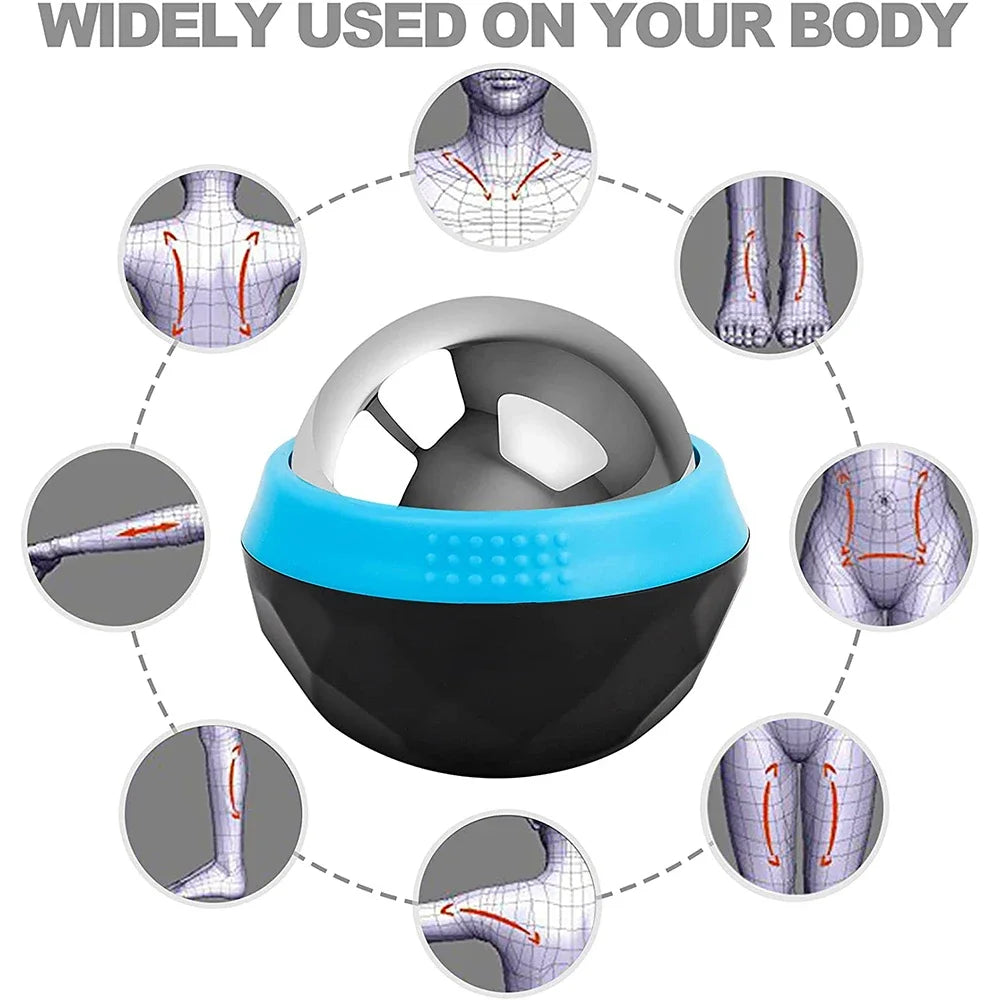
Cold therapy for muscle recovery in motion See it in action
Evidence Summary: What Is Proven and What Is Still Uncertain
Well-supported: Reduced muscle soreness, lower inflammation, improved comfort after exercise.
Limited evidence: Impact on long-term muscle preservation or prevention of atrophy.
Research gaps: Optimal timing, frequency, and long-term effects across different populations.
Clinical takeaway: Cryotherapy is a valuable recovery tool—but it works best when combined with exercise, nutrition, and rehabilitation strategies.
Frequently Asked Questions
Can cryotherapy reverse muscle atrophy?
No, it cannot reverse muscle atrophy. Exercise and rehabilitation are required to rebuild muscle.
Does Restore Cryotherapy build muscle?
No, it does not build muscle. It supports recovery but does not stimulate muscle growth.
How often should I use cryotherapy for recovery?
It depends on your activity level, but many people use it after workouts or during recovery phases.
Is cold therapy good for muscle inflammation after exercise?
Yes, it helps reduce inflammation and soreness after intense activity.
Can cryotherapy replace physical therapy?
No, it should only be used alongside physical therapy, not as a replacement.
Is whole-body cryotherapy better than ice packs?
Not necessarily—both can be effective. The best option depends on your recovery goals and access.
Who should avoid cryotherapy?
People with circulatory issues, cold intolerance, or certain medical conditions should avoid it unless medically advised.
What is the best treatment for muscle atrophy?
Resistance training, proper nutrition, and structured rehabilitation are the most effective treatments.
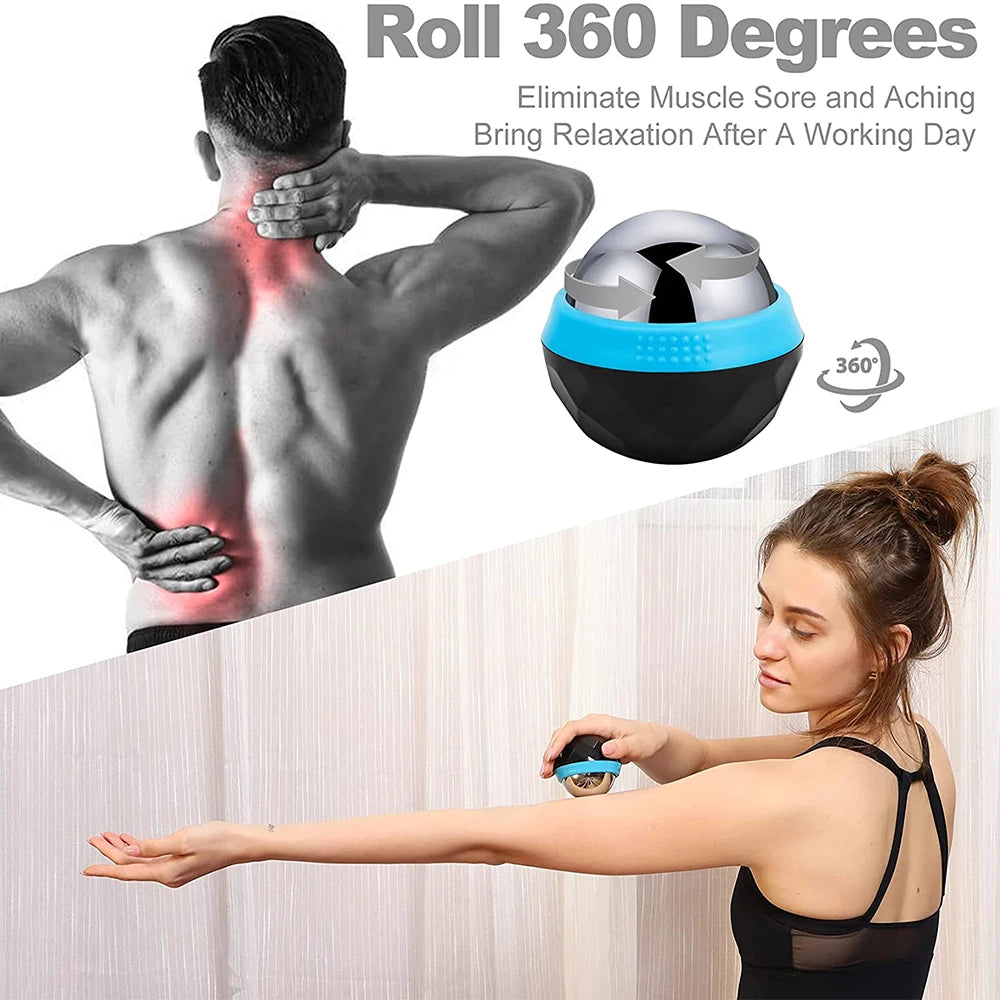
Daily cryotherapy tools for home recovery See it in action
Upgrade your routine with the ice massage roller ball and feel the difference after your next workout.













