

Do Cyclonic Vacuum Cleaners Really Work?
Yes—cyclonic vacuum cleaners work by using high-speed airflow to separate dust from air before it reaches the filter. This keeps suction strong, reduces clogging, and improves overall cleaning efficiency. In real-world use, this means more consistent pickup on carpets, better handling of fine dust, and less performance drop over time.
Cyclonic vacuum cleaners are especially beneficial for homes with pets, high dust levels, or frequent cleaning needs because they maintain airflow better than traditional systems.
Cyclonic Vacuum Cleaner: How It Works (Simple Science Explained)
Cyclonic vacuum technology solves one of the most common cleaning frustrations: suction loss over time. Instead of relying heavily on filters or bags, it uses airflow physics to separate dust efficiently. Understanding how this works helps you choose better and clean smarter.
⏱ 6 min read
Explore how different types of vacuum cleaners improve daily cleaning efficiency.

Cyclonic vacuum airflow separation in action
How Does a Cyclonic Vacuum Cleaner Work? (Step-by-Step)
Air Intake and Dust Collection
Dust-filled air is pulled into the vacuum through the nozzle and directed into a cylindrical chamber.
Cyclonic Separation
The air spins rapidly, creating a vortex. Heavier particles are forced outward by centrifugal force and separated from the airflow.
Fine Dust Filtration
After larger debris is removed, finer particles pass through secondary filters for additional cleaning.
Clean Air Exhaust
Filtered air exits the vacuum, completing the cycle while maintaining strong airflow inside the system.
What Is Cyclonic Vacuum Technology?
Cyclonic vacuum technology uses high-speed airflow and centrifugal force to separate dust from air before filtration. Core components include:
- Cyclone chamber
- Dustbin collection system
- Secondary filtration (often HEPA)
Unlike standard suction systems, cyclonic designs reduce reliance on filters and prevent early clogging, making them common in modern bagless vacuums.
The Science Behind Cyclonic Suction Technology
What Is Centrifugal Force?
Centrifugal force is the outward force created when air spins. In vacuums, it pushes dust particles toward the chamber walls.
How Airflow Separates Dust
As air rotates at high speed, heavier debris separates from lighter air molecules. This keeps the airflow pathway clear.
Why Cyclonic Vacuums Maintain Suction
Because debris is removed early, filters stay cleaner longer, allowing consistent airflow and stable suction performance.
Single Cyclone vs Multi-Cyclone Technology
How Single Cyclone Systems Work
Single cyclone vacuums use one large vortex to separate dust. They are simpler and cost-effective but less efficient at capturing ultra-fine particles.
Benefits of Multi-Cyclone Designs
Multi-cyclone systems use several smaller cyclones to improve fine dust separation. Benefits include:
- Better filtration efficiency
- Improved performance on fine dust
- More consistent suction over time
Advantages and Disadvantages of Cyclonic Vacuum Cleaners
Key Advantages
- Consistent suction performance
- Bagless convenience
- Lower long-term maintenance costs
- Effective on pet hair and fine dust
Potential Drawbacks
- Dustbins require frequent emptying
- Fine particles still need filtration
- Some models produce more noise
Cyclonic vs Bagged vs Non-Cyclonic Vacuums
| Type | Suction Consistency | Maintenance | Best Use |
|---|---|---|---|
| Cyclonic | High | Low–Moderate | Daily cleaning, pet hair |
| Bagged | Medium | High (bag replacement) | Allergy control |
| Non-Cyclonic | Low | Moderate | Light cleaning |
Learn more in this guide on bagged vs bagless vacuum cleaners .
Do Cyclonic Vacuums Need Filters or Maintenance?
Filter Cleaning
Filters should be cleaned periodically to capture fine particles effectively.
Dust Bin Maintenance
Empty the dustbin before it reaches capacity to maintain airflow efficiency.
Tips to Preserve Suction
- Clean filters monthly
- Check for blockages
- Avoid overfilling
See a full guide on vacuum filter cleaning and maintenance .
How to Get the Best Performance from a Cyclonic Vacuum
- Use proper attachments for each surface
- Empty the bin regularly
- Adjust settings for carpets vs hard floors
- Keep airflow paths clear
Common Myths About Cyclonic Vacuum Technology
-
Myth:
No filters needed
Fact: Filters still capture fine dust -
Myth:
Never loses suction
Fact: Maintenance still matters -
Myth:
Only premium models use it
Fact: Available across price ranges
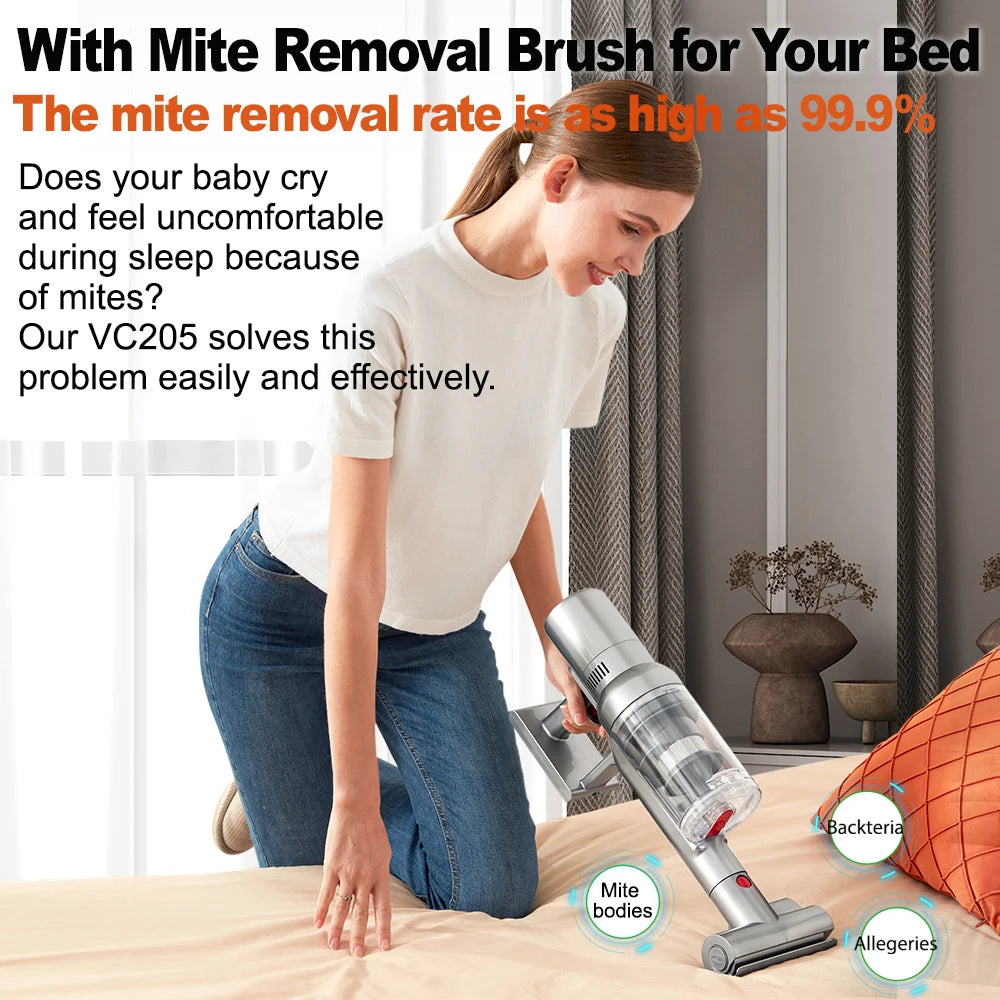
Compact design powered by cyclonic airflow
Who Should Buy a Cyclonic Vacuum Cleaner?
- Pet owners: Handles hair and dander effectively
- Allergy sufferers: Works well with HEPA filters
- Large homes: Maintains suction during long cleaning sessions
- Everyday users: Low maintenance and reliable
Experience efficient cleaning with the cordless handheld vacuum cleaner .
Frequently Asked Questions
Does a cyclonic vacuum lose suction over time?
No, as long as filters are maintained, suction remains stable due to airflow separation.
Do cyclonic vacuums need filters?
Yes, mainly for fine particles after cyclonic separation.
Are cyclonic vacuum cleaners better for fine dust?
Yes, especially with multi-cyclone systems and HEPA filters.
Is cyclonic technology better than bagged vacuums?
It offers better suction consistency, though bagged models may be preferred for allergy control.
Do cyclonic vacuums require frequent maintenance?
No, just routine dustbin emptying and occasional filter cleaning.
Can cyclonic vacuums handle pet hair?
Yes, they are highly effective due to strong airflow and separation.
Explore more smart home tools inside the :contentReference[oaicite:0]{index=0} collection to upgrade everyday routines.
Related Guide: :contentReference[oaicite:1]{index=1}













