

Daily Foot Massage Routine for Fast At-Home Relief
⏱ 7 min read
A daily foot massage routine is one of the simplest ways to ease tired, aching feet without leaving home. Whether you spend hours standing, walking, exercising, or sitting at a desk, just a few minutes of self-massage can help reduce muscle tension, improve comfort, and encourage relaxation. This beginner-friendly guide explains how foot massage at home works, the evidence-based benefits you can expect, and the step-by-step techniques that fit easily into your daily routine.
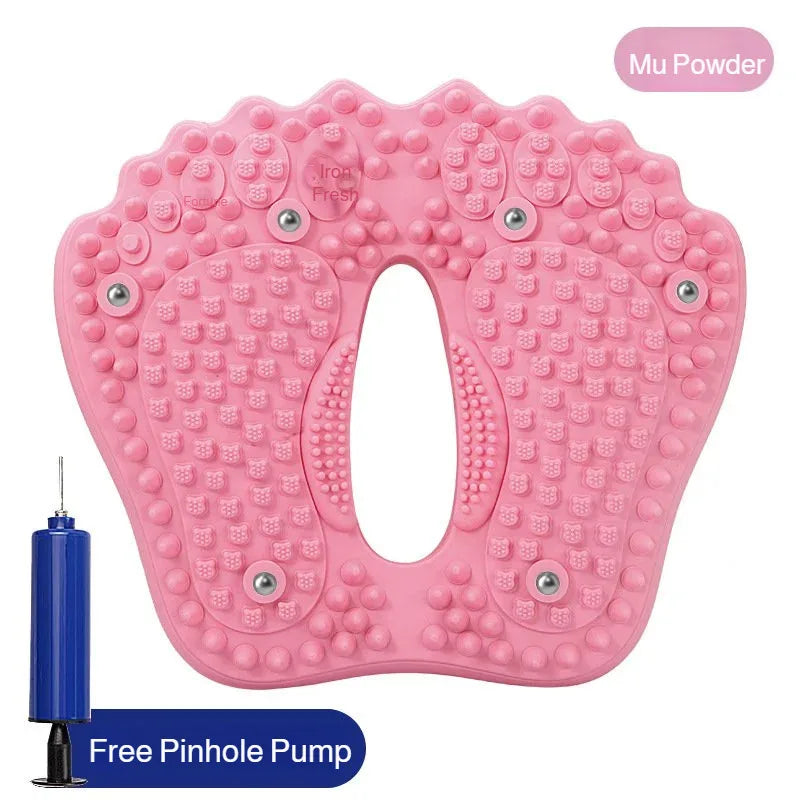
Daily foot massage routine at home for fast relief — see it in action.
Does a Daily Foot Massage Routine Really Work?
Yes—when practiced consistently, a daily foot massage routine can help relieve tired muscles, improve short-term circulation, reduce stiffness, and promote relaxation. Massage applies gentle mechanical pressure to muscles, connective tissue, and joints, helping them move more freely after prolonged standing, walking, or exercise.
For most healthy adults, foot massage at home works best as part of a regular self-care routine rather than a one-time treatment. While it is not a cure for medical conditions such as plantar fasciitis, arthritis, or nerve disorders, it may help ease mild discomfort, reduce muscle tightness, and support recovery alongside appropriate treatment.
People who often benefit include those who:
- Stand or walk for long periods at work.
- Experience occasional foot fatigue after exercise.
- Want a relaxing evening routine to reduce daily stress.
- Notice mild stiffness in the arches, heels, or toes after everyday activities.
Foot Massage Benefits Backed by Evidence
Regular self-massage offers more than temporary comfort. By combining gentle pressure with controlled movements, a daily foot massage routine can support healthy soft tissues while encouraging your body to relax.
- Supports healthy circulation: Rhythmic strokes encourage blood flow through tired feet, particularly after prolonged sitting or standing.
- Relieves muscle tension: Massaging the arches, heels, and sole helps loosen tight muscles and connective tissues that become overworked during daily activities.
- Helps reduce everyday foot discomfort: Gentle massage may lessen soreness associated with overuse and can complement home care for plantar fasciitis or similar conditions. See plantar fasciitis solutions
- Promotes relaxation: Slow, consistent massage stimulates the body's relaxation response, helping reduce stress and encouraging better overall well-being.
- Improves flexibility: Gentle movement of the toes and ankle can maintain mobility and reduce feelings of stiffness.
The greatest foot massage benefits come from consistency. Even 5 to 10 minutes a day can help your feet feel more comfortable without requiring specialized equipment.
How to Massage Feet at Home (Step-by-Step Guide for Beginners)
Step 1 – Prepare Your Feet (Warm-Up & Positioning)
Wash your feet or soak them in warm water for 5–10 minutes to relax the muscles and soften the skin. Sit in a stable chair with good back support and rest one foot on your opposite thigh or a cushion so you can comfortably reach the entire sole.
Step 2 – Apply Oil or Lotion for Smooth Movement
Apply a small amount of massage oil or lotion to reduce friction. Proper lubrication allows your hands to glide smoothly across the skin, making it easier to apply controlled pressure without causing irritation.
Step 3 – Warm-Up Strokes
Using both hands, make slow strokes from the heel toward the toes several times. Cover the sole, sides, and top of the foot with light pressure before progressing to deeper techniques. This prepares the soft tissues while gradually increasing comfort.
Step 4 – Deep Massage Techniques
Increase pressure gradually using your thumbs. Walk your thumbs along the sole in small steps, gently knead the arch with both hands, and apply slow circular movements to areas that feel especially tight. Pressure should feel comfortable rather than painful, and you should ease off if discomfort increases.
Step 5 – Stretch and Finish
Finish by gently pulling and rotating each toe, then lightly flex and extend the ankle. End the session with long, relaxing strokes from the heel to the toes to help the foot relax before repeating the same sequence on the opposite side.
Home Foot Massage Techniques for Different Goals
Relaxation Technique
Use slow, full-length strokes from the heel toward the toes with light to moderate pressure. Keep your movements steady and rhythmic, covering the sole, sides, and top of the foot. This technique is ideal at the end of the day when your feet feel generally tired rather than sore.
Pain Relief Technique
Focus on tender areas such as the heel, arch, or ball of the foot using gentle circular pressure. Hold each spot for several seconds before moving on instead of pressing aggressively. If you experience sharp pain, reduce the pressure or stop the massage.
Circulation Technique
Alternate long gliding strokes with thumb walking from the heel toward the toes, then continue toward the ankle. This sequence encourages healthy blood flow while helping ease stiffness after long periods of sitting or standing.
Technique for Plantar Fasciitis
Support the foot with one hand while using the thumb of the other hand to knead along the arch in slow, controlled movements. Focus on the thick band of tissue running from the heel toward the ball of the foot without pressing directly on intensely painful areas. Massage works best as part of a broader home-care routine rather than a standalone treatment.
Foot Massage Pressure Points Explained (Simple Reflexology Guide)
Your feet contain muscles, ligaments, tendons, nerves, and many sensitive areas that respond well to gentle massage. Reflexology maps often associate specific points on the feet with different parts of the body, although scientific evidence does not confirm that pressing these areas directly treats internal organs. Many people still find pressure-point massage relaxing and helpful for relieving everyday foot tension. Learn more about reflexology
- Heel: Often becomes tight after prolonged standing and benefits from slow circular massage.
- Arch: Supports body weight throughout the day and commonly responds well to thumb kneading.
- Ball of the foot: Experiences repeated pressure during walking and running, making it a useful area for gentle circular massage.
- Toes: Light stretching and rotation can reduce stiffness while improving mobility.
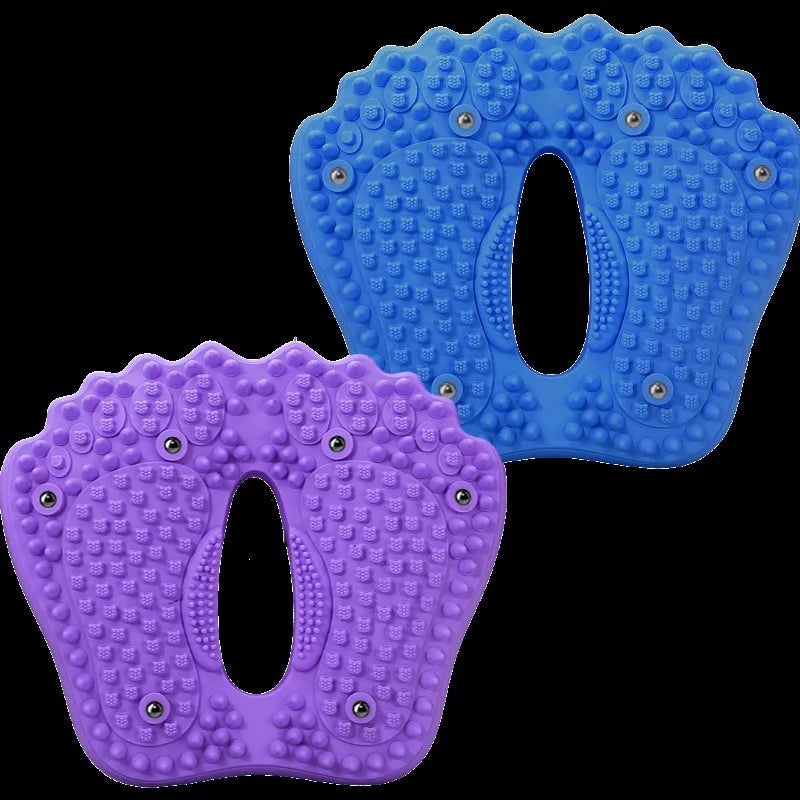
Foot pressure map for effective reflexology and massage.
Daily Foot Massage Routine (10-Minute Quick Guide)
- Minute 1–2: Warm the foot using gentle full-length strokes from heel to toes.
- Minute 3–4: Massage the arch with controlled thumb pressure using short walking motions.
- Minute 5–6: Apply slow circular massage to the heel and ball of the foot where tension commonly builds.
- Minute 7–8: Knead the entire sole with both hands, adjusting pressure to your comfort level.
- Minute 9: Gently stretch, pull, and rotate each toe while moving the ankle through a comfortable range of motion.
- Minute 10: Finish with light relaxing strokes across the entire foot before repeating the sequence on the other side.
Following the same sequence each day makes it easier to stay consistent while targeting the areas that most commonly become tight from everyday activity.
Foot Massage for Specific Needs
Tired Feet
If your feet feel heavy after work, travel, or exercise, begin with light gliding strokes before progressing to gentle kneading across the sole and arch. Spend extra time on areas that feel tight, but keep the pressure comfortable. A 5- to 10-minute session is often enough to reduce everyday fatigue and leave your feet feeling more refreshed.
Heel and Arch Pain
For mild heel or arch discomfort, use slow thumb pressure and small circular movements along the arch, pausing briefly over tight spots without pressing directly on sharp or inflamed areas. If plantar fasciitis contributes to your symptoms, combine massage with stretching, supportive footwear, and other recommended home-care strategies. See plantar fasciitis treatment guide
Cold Feet and Circulation
If your feet often feel cold after sitting for long periods, warm them first with a soak or comfortable socks before massaging. Follow with long strokes from the toes toward the ankle and gentle ankle movements to encourage healthy circulation and improve flexibility. If cold feet are persistent, severe, or accompanied by numbness or skin color changes, seek medical evaluation rather than relying on massage alone.
Tools That Improve Your Home Foot Massage (Optional but Helpful)
Hands alone are enough for an effective foot massage, but simple tools can make certain techniques easier or reduce hand fatigue during longer sessions.
- Massage rollers: Useful for applying consistent pressure to the arch and sole.
- Foot spa or warm soak basin: Helps relax muscles before massage and softens dry skin.
- Massage oils or lotions: Reduce friction while allowing smoother, more controlled hand movements.
- Electric foot massagers: Provide convenient hands-free massage for people who want regular sessions with minimal effort.
Choose the option that best matches your needs and budget. Tools can improve convenience, but good technique remains the most important factor. Explore top foot massagers
Common Mistakes to Avoid During Foot Massage
- Applying too much pressure immediately: Start gently and increase pressure gradually as the muscles relax.
- Skipping the warm-up: Light strokes prepare the tissues for deeper massage and improve comfort.
- Massaging without lubrication: Oil or lotion helps prevent unnecessary skin friction.
- Ignoring pain signals: Mild tenderness is normal, but sharp or worsening pain is a sign to stop or reduce pressure.
- Moving too quickly: Slow, controlled movements are generally more effective than fast, forceful rubbing.
Avoiding these common mistakes helps you perform foot massages at home more safely, comfortably, and consistently while getting the most from each session.
Who Should and Shouldn't Massage Their Feet at Home
Foot massage at home is a comfortable self-care practice for many people, but it is important to understand when it is appropriate and when extra caution is needed.
Who Can Benefit
- People with tired feet: Those who spend long hours standing, walking, or exercising may find gentle massage helpful for easing everyday tension.
- People with mild stiffness: Massage can support flexibility by relaxing tight muscles and encouraging comfortable movement.
- People looking for relaxation: A consistent routine can help create a calming end-of-day habit.
When to Avoid Massage
Use caution or avoid self foot massage if you have:
- Open wounds, skin infections, or areas of irritation.
- Recent foot injuries, fractures, or surgical recovery.
- Unexplained swelling, severe pain, or sudden changes in foot condition.
- Reduced sensation or nerve-related concerns, including some cases of diabetes or neuropathy.
When to Seek Medical Care
Foot massage should not replace professional evaluation when symptoms are severe or persistent. Seek medical advice if you experience ongoing pain, significant swelling, numbness, changes in skin color, or difficulty walking.
Before and After Your Foot Massage
A few simple steps before and after massage can improve comfort and help your feet recover after daily activity.
- Before massage: Clean your feet, warm them with a short soak if desired, and prepare a comfortable sitting position.
- During massage: Keep movements slow and controlled while adjusting pressure based on how your feet feel.
- After massage: Drink enough water, perform gentle foot stretches, and choose supportive footwear to maintain comfort.
These small habits can make a relaxing foot massage at home easier to maintain as part of a regular wellness routine.
Quick Foot Massage Routine (When You Only Have 5 Minutes)
- Minute 1: Warm both feet with gentle rubbing and light strokes.
- Minutes 2–3: Apply comfortable thumb pressure along the arch using slow movements.
- Minute 4: Massage the heel and ball of the foot with small circular motions.
- Minute 5: Finish with light strokes and gentle toe stretches.
This quick foot massage routine is ideal for busy days when you want a simple way to relax tired feet without a longer session.
Frequently Asked Questions
How often should you massage your feet at home?
Many people can massage their feet daily as part of a self-care routine. A short session of 5–15 minutes is usually enough, as long as the pressure remains comfortable and does not cause irritation.
What is the best way to massage your feet at home?
The best approach combines warm-up strokes, targeted pressure on tight areas, gentle kneading, and toe stretching. Start with lighter pressure and gradually increase intensity based on comfort.
Can you massage sore feet every day?
Yes, gentle daily massage may help with everyday soreness and tension. However, avoid repeatedly pressing painful areas or using massage as a substitute for treating an underlying injury.
Does foot massage improve blood circulation?
Foot massage can support temporary increases in local blood flow by stimulating soft tissues and encouraging movement. For overall circulation concerns, combine massage with regular activity and speak with a healthcare professional if symptoms persist.
Should you use oil or lotion for foot massage?
Oil or lotion is recommended because it reduces friction and allows smoother hand movements. Choose a product that feels comfortable on your skin and does not cause irritation.
When should you avoid foot massage at home?
Avoid massage over open wounds, infections, recent injuries, or areas with unexplained swelling or severe pain. People with conditions affecting sensation or circulation should ask a healthcare professional before starting a routine.
Can foot massage help plantar fasciitis?
Gentle massage focused on the arch and heel may help reduce stiffness and discomfort associated with plantar fasciitis. It works best when combined with other supportive approaches such as stretching and proper footwear.
How much pressure should you use during self foot massage?
Use enough pressure to feel the muscles relax without causing sharp pain. A comfortable, controlled pressure level is generally more effective than forceful massage.













