

Does deep conditioning vs conditioning really work for dry damaged hair?
Deep conditioning vs conditioning comes down to depth and purpose. Regular conditioner smooths the hair surface for softness, while deep conditioning penetrates the hair shaft to restore moisture, strength, and elasticity. For dry dull hair or chemical damage, deep treatments deliver longer-lasting repair and visible improvement.
Deep Conditioning vs Conditioning for Damaged Hair: What’s the Difference?
⏱ 7 min read
If your hair still looks like dry dull hair no matter how many products you try, you're not alone. Many people wash, condition, and style regularly yet still deal with breakage, frizz, and lack of shine. The confusion often starts with one question: deep conditioning vs conditioning—are they actually different, and does deep conditioning repair damaged hair better?
Discover the best options for your hair type
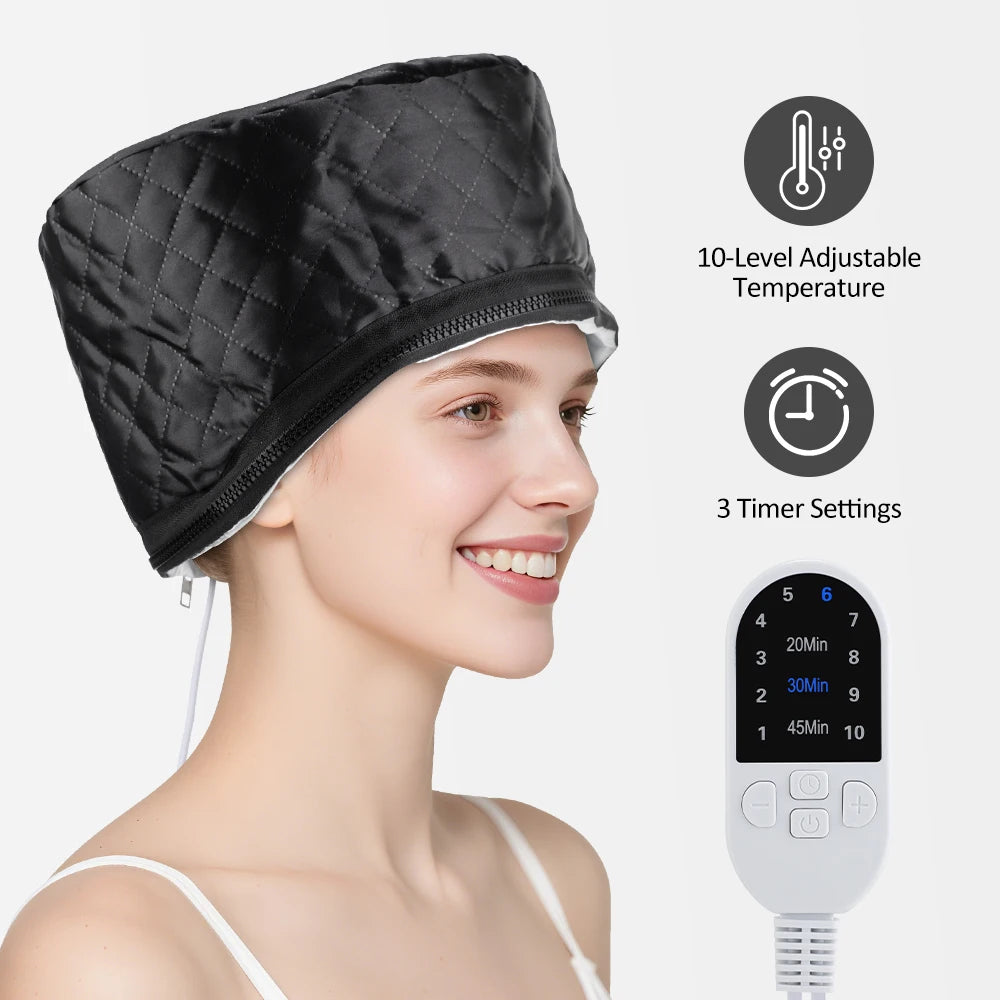
Deep conditioning vs conditioning explained visually See it in action
Deep Conditioner vs Regular Conditioner: Key Differences Explained
Quick Comparison Table
| Feature | Regular Conditioner | Deep Conditioner |
|---|---|---|
| Main Purpose | Surface hydration and detangling | Intensive moisture and structural repair |
| Application Time | 1–3 minutes | 10–30 minutes |
| Formula Strength | Lightweight conditioning agents | Concentrated oils, proteins, and humectants |
| Hair Penetration | Mainly coats the hair cuticle | Penetrates deeper into the hair shaft |
| Frequency | Every wash | Weekly or biweekly |
| Best For | Daily softness and manageability | Repairing dryness, breakage, and heat damage |
How Each Treatment Works on the Hair Cuticle
Hair strands are protected by a layered outer structure called the cuticle. When hair becomes damaged from heat styling, chemical treatments, or environmental stress, these cuticle layers lift and allow moisture to escape.
Regular conditioners smooth the outer cuticle layer so hair feels softer and easier to detangle. Deep conditioners contain higher concentrations of conditioning agents that penetrate deeper into the hair shaft to restore lost moisture and reinforce weakened strands.
How Regular Conditioning Improves Softness and Manageability
What Daily Conditioner Actually Does
Regular conditioner is designed to maintain the outer layer of the hair after shampooing. Most formulas contain lightweight conditioning agents such as silicones, fatty alcohols, and humectants that coat the cuticle and reduce friction between strands.
This smoothing effect helps hair feel softer, reduces tangling, and makes styling easier. For people with healthy or mildly dry hair, using conditioner after every wash is usually enough to maintain moisture balance.
When Regular Conditioner Is Enough
Daily conditioner works well when hair damage is minimal. It is typically sufficient if your hair mainly needs help with dryness, detangling, or frizz control.
- Hair feels slightly dry but not brittle
- Tangles easily after washing
- Needs smoother texture for styling
- No significant breakage or chemical damage
However, if hair becomes extremely dry, brittle, or prone to breakage, deeper treatments may be necessary.
How Deep Conditioning Restores Strength and Moisture
Moisturizing vs Protein Deep Conditioners
Deep conditioners are formulated to address two major causes of damaged hair: moisture loss and structural protein breakdown.
- Moisturizing deep conditioners contain oils, butters, and humectants that replenish hydration and improve elasticity.
- Protein treatments contain keratin, silk protein, or amino acids that temporarily reinforce weakened hair strands.
Choosing between these depends on your hair’s needs. Dry hair often benefits most from moisturizing treatments, while brittle hair that snaps easily may need occasional protein support.
Benefits of Deep Conditioning for Dry Damaged Hair
- Restores lost moisture inside the hair shaft
- Improves elasticity to reduce breakage
- Smooths rough cuticle layers
- Strengthens weakened strands
- Improves shine and manageability
Because these treatments remain on the hair longer than regular conditioners, they provide deeper hydration and structural support.
Learn step-by-step how to treat your hair effectively

Targeting dry dull hair with deep conditioning See it in action
What Causes Hair Damage in the First Place?
Cuticle Damage and Moisture Loss
Healthy hair has tightly layered cuticles that protect the inner cortex. When these layers become lifted or broken, the strand loses moisture quickly and becomes rough, dull, and fragile.
Heat Styling and Chemical Processing
Frequent use of hot tools such as straighteners, curling irons, and blow dryers can weaken the protein structure inside hair. Chemical treatments like bleaching, perming, and coloring also disrupt the hair shaft.
Why Damaged Hair Needs More Intensive Conditioning
Once the cuticle becomes compromised, regular conditioner may not provide enough repair. Deep conditioning treatments deliver concentrated ingredients that help replenish moisture and temporarily reinforce weakened strands.
Deep Conditioning vs Conditioning: Which One Fits Your Hair Needs?
Best Choice for Dry Hair
If your hair mainly feels dry or rough but does not break easily, regular conditioner combined with occasional deep conditioning is usually enough. Deep treatments restore hydration while daily conditioner maintains smoothness.
Best Choice for Heat-Damaged Hair
Hair exposed to frequent heat styling often benefits from weekly deep conditioning. These treatments improve elasticity and help prevent breakage caused by weakened protein bonds.
Best Choice for Color-Treated Hair
Chemically treated hair loses both moisture and structural proteins. Alternating between moisturizing deep conditioners and strengthening treatments can help maintain balance and reduce long-term damage.
Does Deep Conditioning Repair Damaged Hair?
Deep conditioning cannot permanently reverse severe structural damage in hair, but it can significantly improve its condition. Most treatments work by restoring moisture, smoothing the cuticle, and temporarily strengthening weakened strands.
These improvements help reduce breakage, increase elasticity, and make hair appear healthier. While the effects are not permanent, regular treatments can maintain stronger and more manageable hair over time.
For enhanced results, many users pair treatments with gentle heat using tools from the Hair Care and Styling Devices collection to help ingredients absorb more effectively.
Deep Conditioning Treatment vs Daily Conditioner Routine
Weekly Repair Routine
- Shampoo to remove buildup
- Apply deep conditioner from mid-lengths to ends
- Leave on for 10–20 minutes
- Rinse thoroughly
- Style with minimal heat
Maintenance Routine for Healthy Hair
- Wash hair with gentle shampoo
- Apply regular conditioner for 1–3 minutes
- Detangle and rinse
- Use deep conditioner once per week if hair becomes dry
How Often to Deep Condition Damaged Hair
The ideal frequency depends on how damaged or dry your hair is.
- Mild dryness: every 1–2 weeks
- Moderate damage: once per week
- Severely damaged or bleached hair: 1–2 times per week
Overusing deep conditioners can sometimes weigh hair down, so balancing intensive treatments with regular conditioning is important.
Deep Conditioning with Normal Conditioner: Can You Do It?
Deep conditioning with normal conditioner is possible—but with limits. Leaving a regular conditioner on longer may increase softness temporarily, but it lacks the concentrated ingredients needed for true repair.
- Works for mild dryness
- Not ideal for severe damage
- Results fade quickly
- No strengthening benefits
If your hair feels rough again after one wash, it’s a sign you need a dedicated deep treatment rather than stretching your everyday conditioner.
How to Choose the Right Treatment for Your Hair Type
Choosing between deep conditioning and regular conditioner depends on your hair type, damage level, and styling habits.
- Fine hair: lightweight conditioners with occasional deep treatments
- Thick or coarse hair: richer deep conditioners for moisture retention
- Curly or textured hair: frequent deep conditioning to maintain hydration
- Color-treated hair: alternating moisturizing and protein treatments
Understanding your hair’s needs helps prevent both dryness and product buildup.
How to Deep Condition at Home for Visible Results
- Shampoo gently to remove buildup.
- Apply a deep conditioner generously.
- Cover hair and apply gentle heat.
- Leave on for 15–30 minutes.
- Rinse with cool water to seal moisture.
Using a targeted tool like the Hair Steamer Cap for Deep Conditioning helps open the cuticle so treatments absorb evenly—especially helpful for thick or coarse hair.
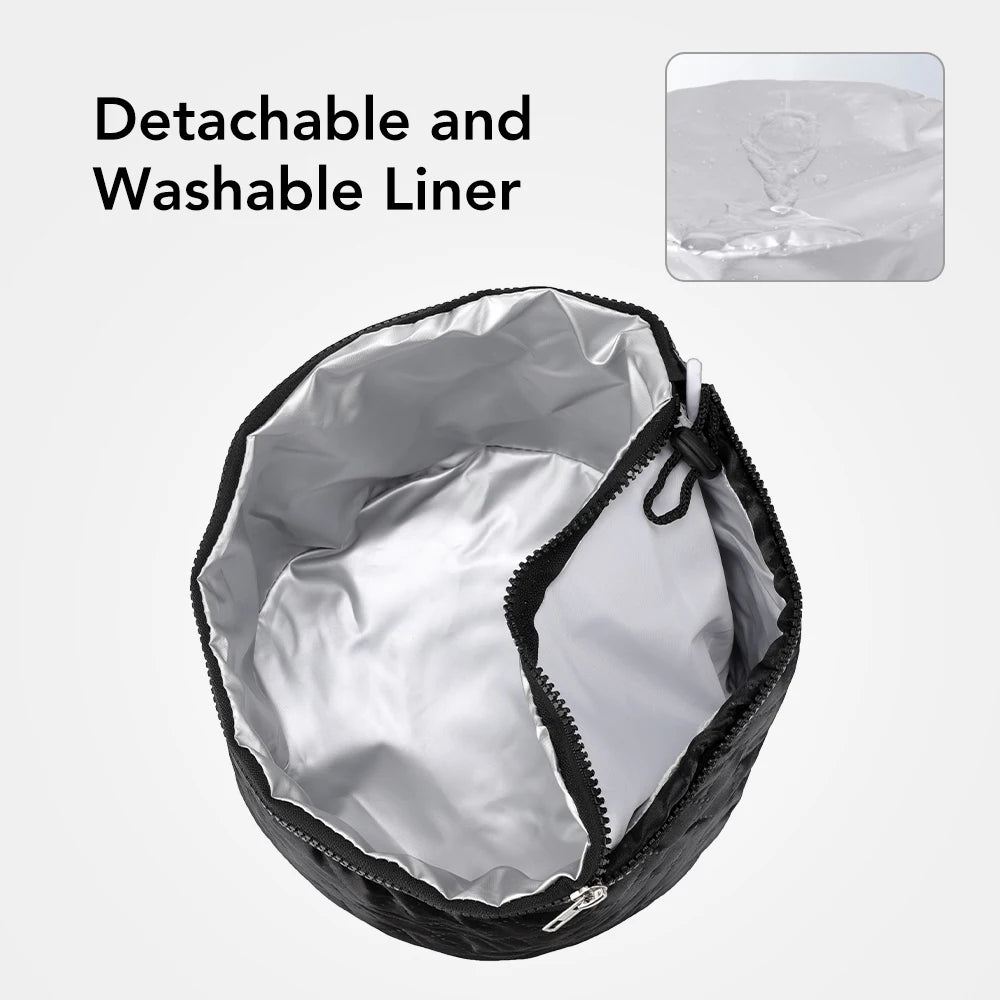
Boosting deep conditioning results See it in action
What users are saying: “After two weeks of deep conditioning with heat, my hair finally stopped snapping when I brushed it. It looks shinier and feels stronger than it has in years.”
Get yours now — limited stock!
Frequently Asked Questions
How often should I deep condition dry damaged hair?
Once a week is ideal for most people. Extremely damaged hair may benefit from twice-weekly treatments for a short period.
Can deep conditioning weigh hair down?
Only if overused. Choosing the right formula and rinsing thoroughly prevents heaviness while maintaining softness.
Is regular conditioner still necessary?
Yes. Regular conditioning maintains daily softness, while deep conditioning handles repair and moisture restoration.
Related Guide: Hair Steamer for Home Use by Hair Type and Concern
UPGRADE PLAN { "outline": [ { "action": "KEEP", "h2": "Does deep conditioning vs conditioning really work for dry damaged hair?", "h3": [], "focus": [ "Direct answer for featured snippet opportunity", "Explain deep conditioning and regular conditioning roles", "Clarify that both support damaged hair differently" ], "keywords": [ "deep conditioning vs conditioning for damaged hair", "is deep conditioning better for damaged hair" ] }, { "action": "MODIFY", "h2": "Deep Conditioner vs Regular Conditioner: Key Differences Explained", "h3": [ "Quick Comparison Table", "How Each Treatment Works on the Hair Cuticle", "Moisture, Protein, and Repair Differences" ], "focus": [ "Create stronger side-by-side comparison framework", "Explain penetration depth and formulation differences", "Cover moisture vs protein conditioning needs" ], "keywords": [ "deep conditioning vs regular conditioner", "deep conditioner vs conditioner difference" ] }, { "action": "KEEP", "h2": "How Regular Conditioning Improves Softness and Manageability", "h3": [ "What Daily Conditioner Actually Does", "When Regular Conditioner Is Enough" ], "focus": [ "Explain surface-level cuticle smoothing", "Show benefits for daily maintenance", "Identify hair types that need only regular conditioner" ], "keywords": [ "daily conditioner", "deep conditioning treatment vs daily conditioner" ] }, { "action": "MODIFY", "h2": "How Deep Conditioning Restores Moisture and Supports Damaged Hair", "h3": [ "Moisturizing vs Protein Deep Conditioners", "Benefits of Deep Conditioning for Dry Damaged Hair", "Signs Your Hair Needs Deep Conditioning" ], "focus": [ "Explain intensive hydration and strengthening", "Differentiate moisture deficiency vs protein deficiency", "Add practical signs for damaged hair" ], "keywords": [ "benefits of deep conditioning dry hair", "moisturizing vs repairing conditioner for damaged hair" ] }, { "action": "KEEP", "h2": "What Causes Hair Damage in the First Place?", "h3": [ "Cuticle Damage and Moisture Loss", "Heat Styling and Chemical Processing", "Why Damaged Hair Needs More Intensive Conditioning" ], "focus": [ "Explain hair structure and cuticle damage", "Connect damage causes with treatment choice", "Improve scientific depth" ], "keywords": [ "damaged hair treatment", "hair cuticle damage" ] }, { "action": "MODIFY", "h2": "Deep Conditioning vs Conditioning: Which One Fits Your Hair Needs?", "h3": [ "Best Choice for Dry Hair", "Best Choice for Heat-Damaged Hair", "Best Choice for Color-Treated Hair", "Best Choice for Chemically Damaged Hair" ], "focus": [ "Build decision framework by hair condition", "Help users choose between treatments", "Address damaged hair scenarios" ], "keywords": [ "best conditioner for dry damaged hair", "is deep conditioning better for damaged hair" ] }, { "action": "MODIFY", "h2": "Does Deep Conditioning Repair Damaged Hair?", "h3": [ "What Deep Conditioning Can and Cannot Fix" ], "focus": [ "Clarify cosmetic repair vs permanent repair", "Explain temporary strengthening effects", "Set realistic expectations" ], "keywords": [ "deep conditioning for damaged hair", "repairing conditioner for damaged hair" ] }, { "action": "KEEP", "h2": "Deep Conditioning Treatment vs Daily Conditioner Routine", "h3": [ "Weekly Repair Routine", "Maintenance Routine for Healthy Hair" ], "focus": [ "Provide actionable hair care schedules", "Explain combining both treatments", "Prevent over-conditioning" ], "keywords": [ "deep conditioning treatment vs daily conditioner", "how often to deep condition damaged hair" ] }, { "action": "KEEP", "h2": "How Often to Deep Condition Damaged Hair", "h3": [ "Frequency Based on Hair Damage Level" ], "focus": [ "Provide weekly frequency guidance", "Cover mild to severe damage differences", "Avoid excessive conditioning issues" ], "keywords": [ "how often to deep condition damaged hair" ] }, { "action": "MODIFY", "h2": "Can You Use Deep Conditioner and Regular Conditioner Together?", "h3": [ "When Combining Both Makes Sense", "Common Mistakes to Avoid" ], "focus": [ "Answer combination-use question", "Explain order and frequency", "Address buildup and heaviness" ], "keywords": [ "deep conditioning with normal conditioner", "can you use both together" ] }, { "action": "MODIFY", "h2": "How to Choose the Right Treatment for Your Hair Type", "h3": [ "Fine Hair vs Thick Hair", "High Porosity vs Low Porosity Hair", "Moisture Deficiency vs Protein Overload" ], "focus": [ "Add expert decision factors", "Include hair biology concepts", "Improve personalization" ], "keywords": [ "protein overload vs moisture deficiency", "best conditioner for dry damaged hair" ] }, { "action": "KEEP", "h2": "How to Deep Condition at Home for Visible Results", "h3": [ "Step-by-Step Deep Conditioning Routine" ], "focus": [ "Provide practical application steps", "Explain timing and product application", "Improve user actionability" ], "keywords": [ "how to deep condition damaged hair", "benefits of deep conditioning dry hair" ] }, { "action": "MODIFY", "h2": "Frequently Asked Questions", "h3": [ "How often should I deep condition dry damaged hair?", "Is deep conditioning better than regular conditioner for damaged hair?", "Can deep conditioning weigh hair down?", "Is regular conditioner still necessary?" ], "focus": [ "Target long-tail FAQ queries", "Support FAQ schema", "Resolve common comparison questions" ], "keywords": [ "deep conditioning vs regular conditioner", "how often to deep condition damaged hair" ] } ], "internal_links": [], "faq": [ "How often should I deep condition damaged hair?", "Is deep conditioning better for damaged hair?", "What is the difference between deep conditioner and regular conditioner?", "Can I use deep conditioner instead of regular conditioner?", "Should damaged hair use moisturizing or repairing conditioner?", "Can deep conditioning fix broken or severely damaged hair?" ], "trim": [ "Reduce repeated explanations of deep conditioning benefits across multiple sections", "Remove generic conditioner definitions without damaged hair context", "Combine overlapping repair and routine sections where possible" ] } Approved linked products: - Hair Steamer Cap for Deep Conditioning (/products/hair-steamer-cap-deep-conditioning) Product Rules - Keep all approved products. - Only approved products may contain affiliate links. - You may add real competitor products when useful. - Competitor products must not contain links unless already present. - Only create comparison tables when they genuinely improve the article. RULES - Apply every instruction in the Upgrade Plan. - Keep all existing affiliate links unchanged. - Keep all existing internal links unchanged. - Keep all existing image URLs unchanged. - Preserve sections such as Related Articles, Related Posts and Recommended Reading. - Avoid duplicate headings. - Insert new sections only where specified. - Improve clarity, topical coverage, EEAT and readability. - Expand weak sections only when required. - Use natural keyword placement. - Keep semantic HTML clean. YEAR UPDATE If visible article text contains "2005", replace it with "2026". Do not modify years inside: - URLs - href attributes - image filenames OUTPUT REQUIREMENTS Return ONLY the final upgraded HTML article. The output must be valid HTML and ready to publish. Do NOT return: - Markdown - Explanations - Notes - Code fences - JSON - XML Return the HTML beginning with the first HTML element and ending with the last HTML element.












