

Does a diesel air heater kit really work for cold camping?
A diesel air heater kit provides fast, dry heat using minimal fuel, making it ideal for vans, campers, and winter camping setups. When installed correctly, it delivers consistent warmth, low power draw, and reliable performance even below freezing.
⏱ 7 min read
Diesel Air Heater Install Guide: Tools, Step-by-Step Setup, and Common Mistakes to Avoid
Cold nights can ruin trips fast. Waking up shivering, dealing with condensation, or fighting a heater that won’t start is beyond frustrating. A diesel air heater kit can completely change that experience—if it’s installed the right way. This guide walks you through planning, installation, wiring, safety checks, and troubleshooting so you get reliable heat without risks or rework.
Explore how a diesel air heater kit fits into cozy, all-season travel setups
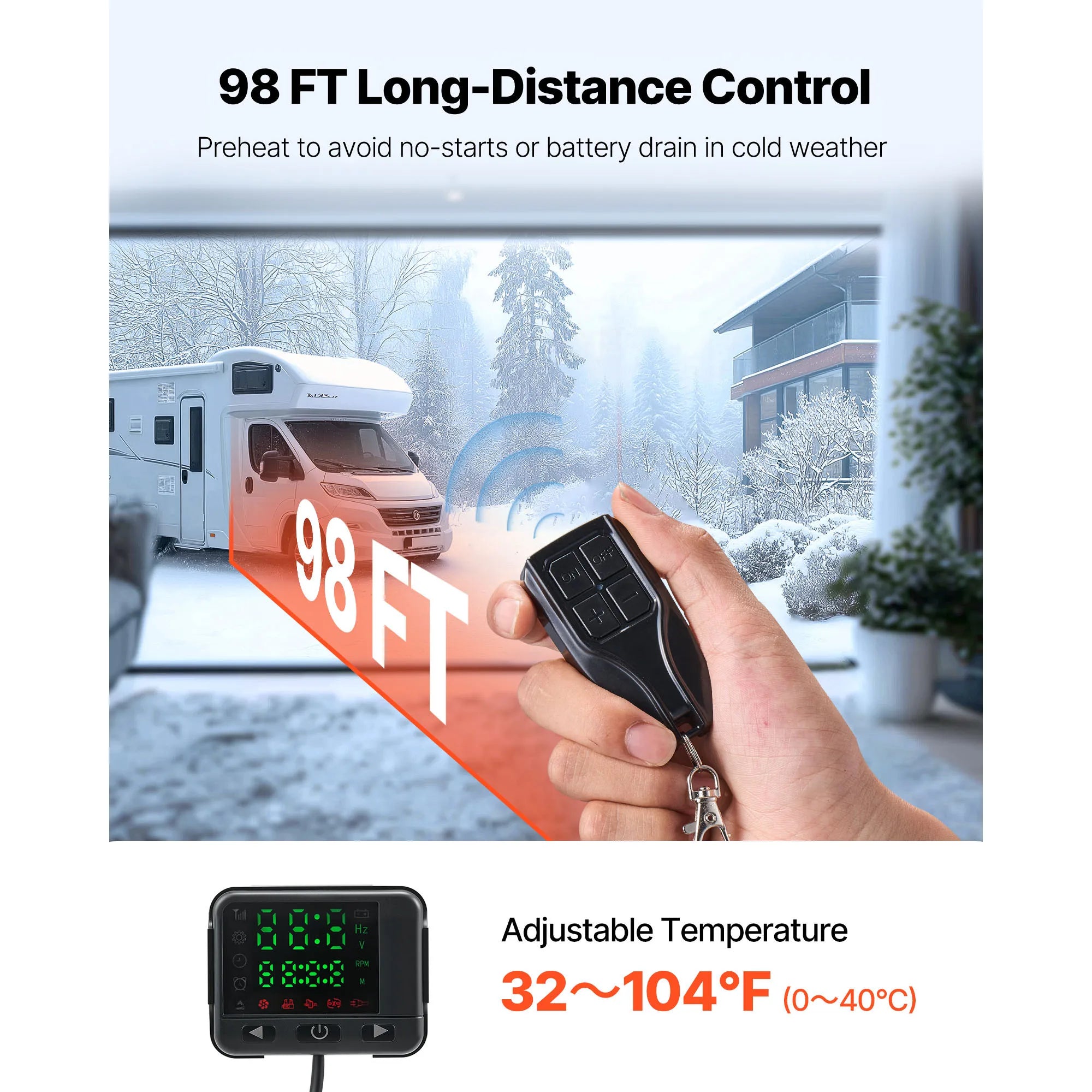
Reliable warmth anywhere with a diesel air heater kit
Before You Begin: Is a Diesel Air Heater Right for You?
Compatible vehicles and installation scenarios
Diesel air heaters work best in vans, RVs, trucks, campers, and enclosed trailers. They are ideal for off-grid travel where electrical heating is impractical.
Safety, ventilation, and carbon monoxide considerations
Although combustion is sealed, proper exhaust routing is critical. Always install a carbon monoxide detector and ensure airflow paths remain unobstructed. Read the full guide before starting to avoid safety risks.
What Is a Diesel Air Heater and How Does It Work?
A diesel air heater burns fuel in a sealed chamber, separating exhaust gases from the heated air circulated inside your vehicle. This produces dry heat without condensation.
Key components of a diesel heater kit
- Heater unit: Combustion chamber and fan system
- Exhaust and intake pipes: Safe airflow routing
- Fuel pump and line: Controlled fuel delivery
- Controller: Temperature and power regulation
- Power supply: 12V battery connection
Heating cycle explained
- Fuel is pumped into the combustion chamber
- Ignition heats the exchanger
- Fan pushes warm air into the cabin
- Exhaust gases are vented outside
Many travelers pair heating upgrades with comfort-focused gear from the Lifestyle collection for year-round livability.
Tools, Materials, and Pre-Installation Checklist
Required installation tools
| Tool | Purpose |
|---|---|
| Hole saw (60–90mm) | Cut mounting and vent holes |
| Torque wrench | Prevent leaks and damage |
| Fuel line cutter | Clean fuel connections |
| Multimeter | Check voltage and wiring |
Recommended supplies
- Heat-resistant sealant
- Fuel container for priming
- Fuse holder and wiring kit
- Clamps and zip ties
Vehicle inspection checklist
- Battery voltage stable
- Clear mounting space available
- No fuel leaks or wiring damage
Plan the Installation Before Drilling Any Holes
Choosing the best mounting location
Select a flat surface with good airflow and easy access for maintenance.
Clearance and airflow requirements
Maintain distance from flammable materials and avoid enclosed heat traps.
Fuel tank placement options
External mounting is safest, but internal tanks can work with proper sealing.
Electrical power planning
Use direct battery connections to avoid voltage drops during startup.
Step-by-Step Diesel Air Heater Installation
Mount the heater
- Mark and cut mounting holes
- Seal edges
- Secure unit evenly
Install the fuel system
- Attach fuel line securely
- Use clamps to prevent leaks
Route combustion air intake
Keep intake away from debris and moisture.
Route exhaust safely
Position exhaust away from windows and airflow entry points.
Connect warm air ducts
Minimize bends to improve airflow efficiency.
Wire the electrical system
- Connect directly to battery
- Install proper fuse
Prime the fuel pump
Run fuel slowly to remove air bubbles.
First startup and testing
- Start on low setting
- Check airflow and exhaust
- Monitor for noise or smell
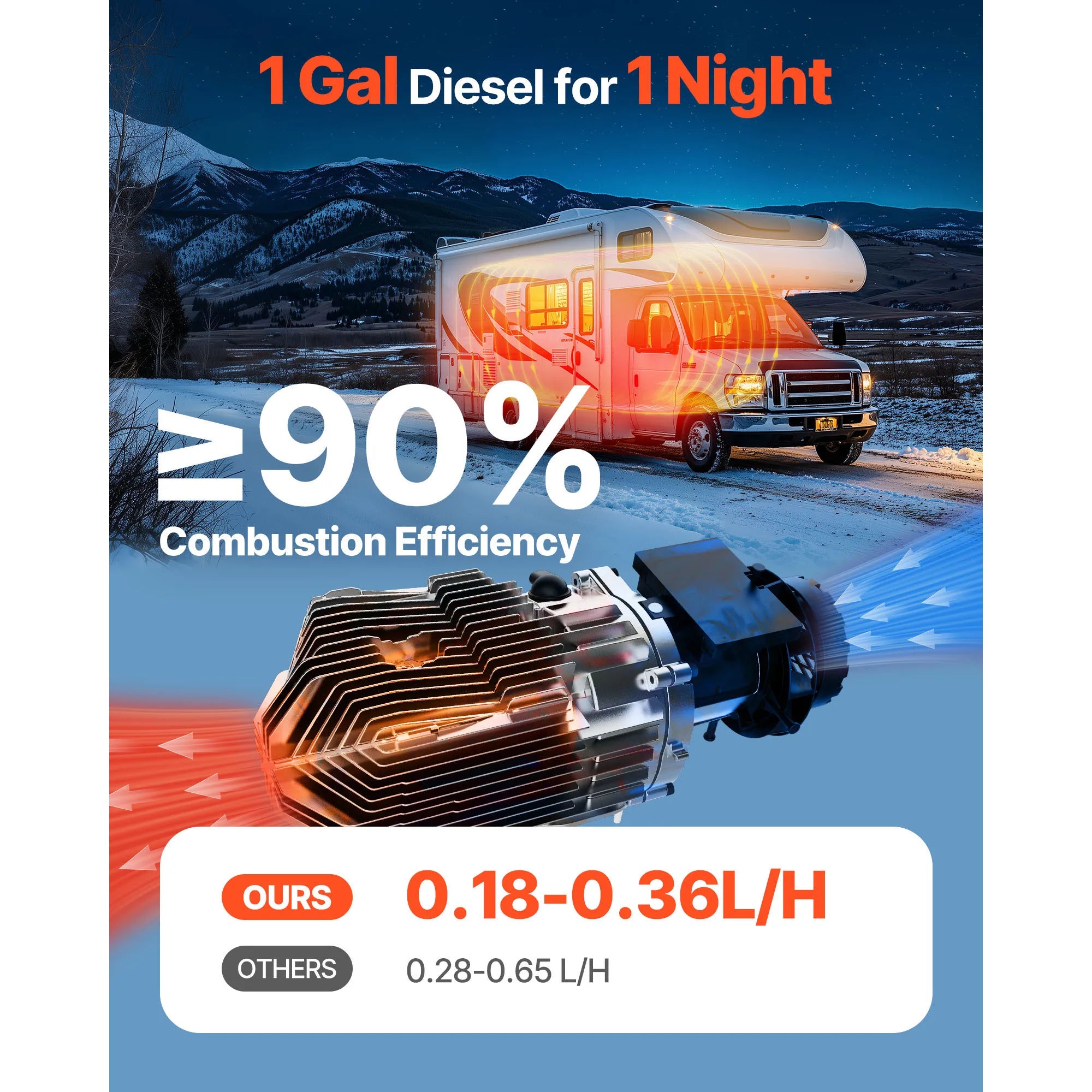
Clean installation improves safety and performance
Wiring Diagram and Fuel Line Routing Best Practices
Fuse sizing
Use manufacturer-recommended fuse ratings to prevent overload.
Battery connection
Connect directly to battery terminals for stable power.
Fuel pump angle
Install pump at a slight incline (15–35°) for proper flow.
Cable protection
Route wires away from heat sources and moving parts.
Installation Safety Checks Before Regular Use
Leak inspection
Check all fuel connections and seals.
Exhaust clearance verification
Ensure exhaust is unobstructed and safely positioned.
Carbon monoxide testing
Always install and test a CO detector.
Airflow inspection
Confirm intake and ducts are clear.
Common Diesel Air Heater Installation Mistakes
- ❌ Poor mounting causing vibration
- ❌ Fuel line leaks or air gaps
- ❌ Incorrect wiring or fuse size
- ❌ Exhaust routed too close to openings
- ❌ Blocked intake airflow
Diesel Heater Troubleshooting After Installation
Heater won't start
- Check battery voltage
- Prime fuel system
Smoke or unusual smells
- Inspect exhaust routing
- Check for leaks
Fuel delivery problems
Ensure pump angle and fuel line integrity.
Poor heating performance
Check duct routing and airflow restrictions.
Get dependable warmth now with the diesel air heater kit
Maintenance After Installation
Routine inspections
Check clamps, wiring, and seals monthly.
Cleaning schedule
Clean intake and exhaust regularly.
Fuel system maintenance
Inspect lines and pump for blockages.
Seasonal storage
Run heater occasionally during off-season to prevent buildup.
Diesel Air Heater Installation FAQ
Can I install a diesel air heater without drilling into the floor?
Some setups allow wall mounting, but floor mounting is most common for safe exhaust routing.
How large should the fuse be for a diesel heater?
Follow manufacturer specs, typically 10–20A depending on model.
How far should the exhaust be from windows or vents?
At least several inches away, ideally directed downward and away from airflow paths.
Can the fuel tank be mounted inside the vehicle?
Yes, but it must be sealed and ventilated properly.
Why won't my diesel heater prime after installation?
Air in the fuel line or incorrect pump angle is the most common cause.
Do I need a carbon monoxide detector?
Yes, it is essential for safety in any enclosed space.
What is the best mounting location?
A flat, ventilated area with easy access and safe exhaust routing.
Get yours now — dependable heat is closer than you think with the diesel air heater kit
Related Guide: How Does a Diesel Heater Work Step by Step Guide













