

Do diesel heaters for campers really work?
Yes. Diesel heaters for campers provide reliable, fuel-efficient heat by burning small amounts of diesel inside a sealed combustion chamber while circulating clean, warmed air through your vehicle. Because they operate independently of the engine, they reduce unnecessary idling, help preserve battery capacity, and maintain comfortable temperatures in vans, RVs, trucks, and overlanding vehicles—even during freezing overnight conditions.
Diesel Heater Popularity in Van Life: Why They Dominate Off-Grid Heating
Whether you're building a campervan, traveling in an RV, or planning extended off-grid adventures, staying warm without wasting fuel is a top priority. Diesel heaters have become one of the most trusted heating solutions because they combine low fuel consumption, dependable cold-weather performance, and independent operation. This guide explains how diesel heaters work, why they have become so popular in van life, and what makes them an efficient choice for mobile living.
⏱ 6 min read
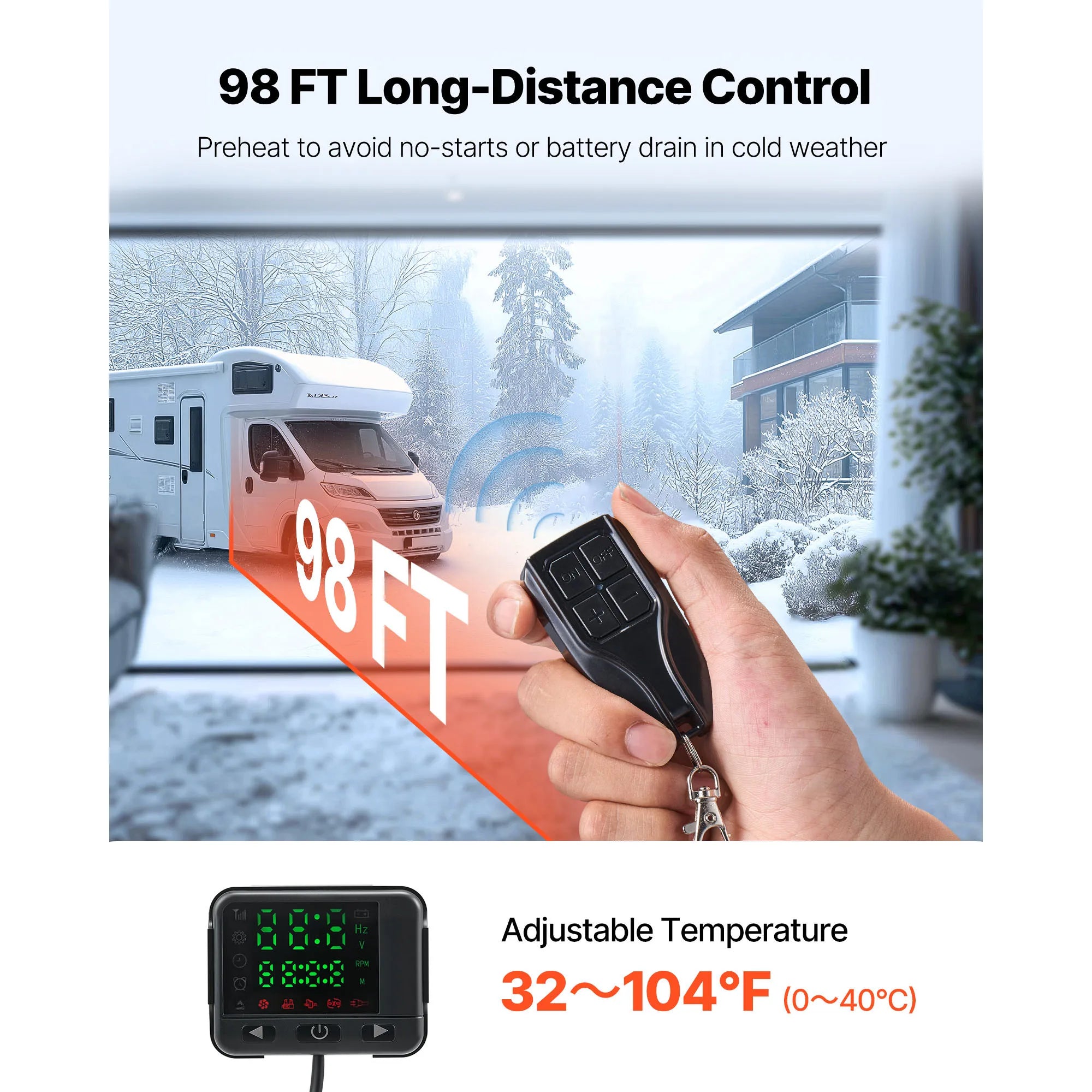
Diesel heaters for campers delivering quiet warmth — See it in action
What Is a Diesel Heater and How Does It Work?
A diesel heater is a compact heating appliance designed to warm the interior of a van, camper, RV, truck, or boat without requiring the vehicle's engine to remain running. Unlike factory cabin heaters that rely on engine heat, diesel air heaters operate independently by burning a small amount of diesel fuel inside a sealed combustion chamber. This design provides efficient, controllable heat while using remarkably little fuel, making it a popular solution for off-grid travel.
Basic components and combustion process
A typical diesel air heater includes a fuel pump, combustion chamber, glow plug, heat exchanger, electronic controller, intake system, exhaust pipe, and circulation fan. During operation, the fuel pump delivers a precise amount of diesel into the combustion chamber, where it is ignited. The resulting heat passes through a metal heat exchanger while a separate fan blows fresh cabin air across the exchanger.
Because the combustion gases remain completely isolated from the heated cabin air, occupants receive clean, warm airflow while exhaust is safely vented outside. This sealed process is one of the primary reasons diesel heaters are considered an efficient and practical heating solution for enclosed vehicles.
How diesel air heaters create heat without running the engine
One of the biggest advantages of modern diesel heaters is that they function independently of the vehicle's engine. Once supplied with diesel fuel and a modest amount of electrical power for startup and controls, the heater can continue producing steady warmth without engine idling.
This independent operation reduces fuel waste, lowers engine wear, minimizes overnight noise, and helps travelers maintain a comfortable interior temperature while parked. For van lifers, RV owners, and overlanders who spend extended periods away from hookups, this combination of efficiency and autonomy is a major reason diesel heaters have become so widely adopted.
Recirculation vs fresh air diesel heater systems
- Recirculation systems: Draw air from inside the living space, warm it through the heat exchanger, and return it to the cabin. Because already-warm air is reheated, these systems typically warm the interior faster and use less fuel.
- Fresh air systems: Pull outside air through the heater before delivering it indoors. Although slightly less efficient, they can improve ventilation and help reduce interior moisture buildup in humid or wet conditions.
Choosing between recirculation and fresh-air configurations depends on climate, insulation quality, condensation management, and personal comfort preferences. Well-insulated camper conversions often benefit from recirculation, while travelers in damp environments may appreciate the improved ventilation offered by fresh-air systems.
Why Diesel Heaters Are So Popular in Van Life
Fuel availability and off-grid independence
One of the biggest reasons diesel heaters have become so popular in van life is their practicality. Diesel fuel is widely available throughout North America, Europe, Australia, and many other regions, allowing travelers to refuel almost anywhere. Because the heater operates independently of shore power and does not require continuous engine operation, it provides reliable warmth during overnight parking, remote camping, and extended off-grid travel.
High efficiency and low fuel consumption
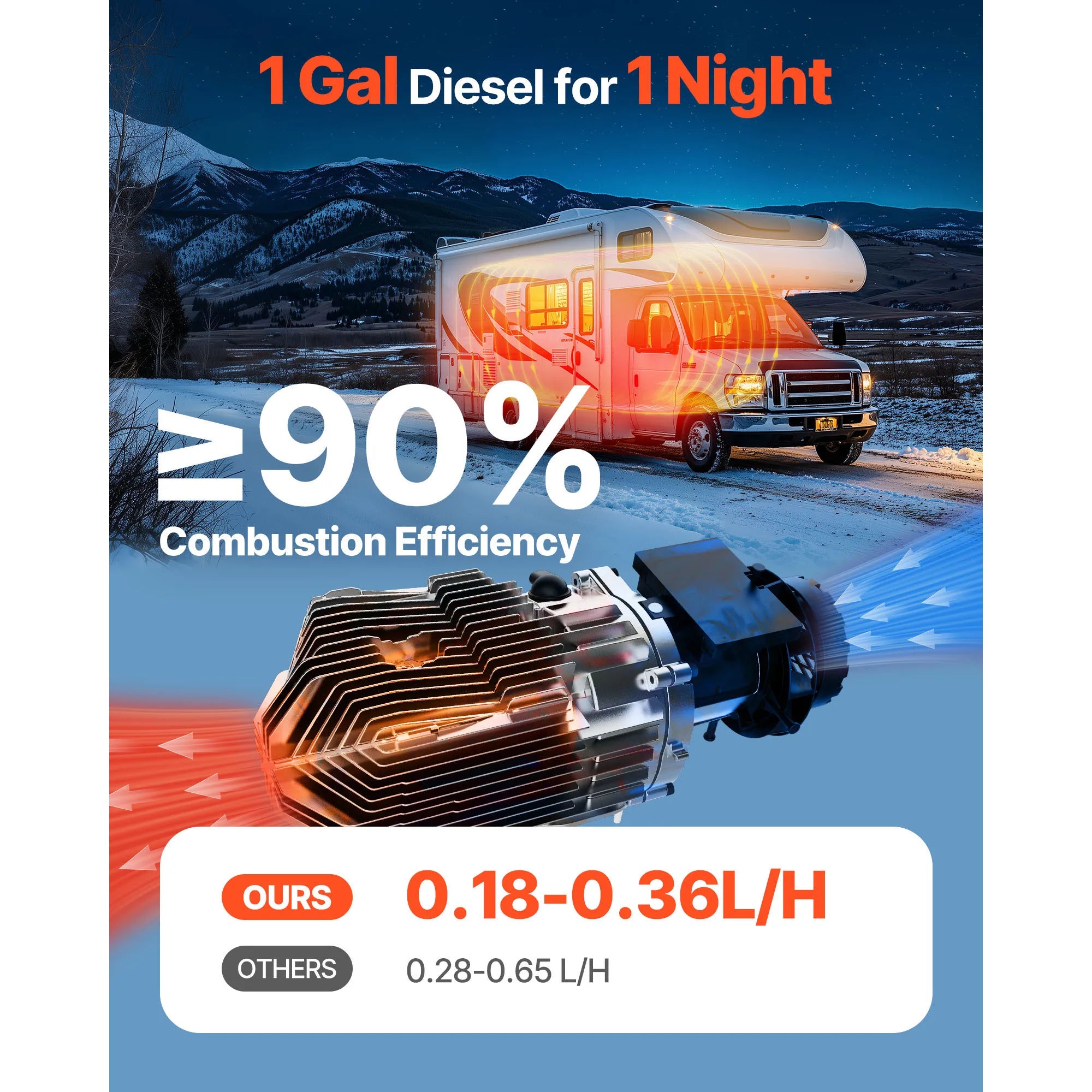
Diesel heater fuel consumption is exceptionally low compared with many alternative heating systems. Depending on the heater size and output level, many units consume only about 0.1 to 0.5 liters of diesel per hour while maintaining a comfortable cabin temperature. This combination of efficient combustion and modest fuel use helps reduce operating costs during long trips and cold-weather adventures.
Compatibility with vehicle diesel systems
Many campervan and RV installations allow the heater to draw fuel directly from the vehicle's diesel tank, while others use a dedicated auxiliary tank. Either approach simplifies fuel management and makes diesel heating especially attractive for owners of diesel-powered vans and expedition vehicles.
Reliable heating in extreme climates
Unlike electric heaters that depend heavily on battery capacity or propane heaters that require frequent cylinder refills, diesel heaters provide dependable heat in freezing temperatures for extended periods. Their consistent performance in winter camping, mountain travel, and overlanding conditions is a major reason they have become the preferred heating choice for many full-time van lifers.
Diesel Heater Efficiency and Fuel Consumption Comparison
Diesel vs propane vs electric heating
- Diesel heaters: Deliver excellent fuel efficiency, consistent heat output, and long operating times, making them especially well suited to off-grid camping, overlanding, and full-time van life.
- Propane heaters: Heat quickly and are widely available, but they require periodic cylinder refills and can introduce additional moisture into the living space during operation.
- Electric heaters: Produce clean, quiet heat with no combustion, yet they consume significant electrical power. Unless connected to shore power or a large battery bank, they are generally less practical for extended off-grid use.
Real-world fuel consumption estimates
One reason diesel heaters continue to grow in popularity is their remarkably low fuel consumption. Most vehicle-sized diesel air heaters use approximately 0.1 to 0.5 liters of diesel per hour , depending on heater capacity, thermostat settings, outside temperature, insulation quality, and cabin size. During moderate weather, many users find the heater cycles automatically between lower output levels, further reducing fuel use while maintaining a comfortable interior temperature.
Cost per hour of operation
Because diesel consumption remains low even during overnight operation, running costs are often lower than alternative heating systems designed for mobile living. Electric heaters can require substantial battery capacity or campground hookups, while propane systems involve regular tank replacements. For travelers spending weeks or months off-grid, the combination of low operating costs and dependable performance is a significant advantage.
Do Diesel Heaters Run on Vehicle Diesel?
In many installations, yes. Diesel heaters can use the same type of diesel fuel as a diesel-powered vehicle, although they operate as completely independent heating systems. The heater simply draws a small amount of fuel while using its own electronic controls, combustion chamber, and circulation fan to generate warm air.
Fuel sourcing and setup options
- Direct connection to the main fuel tank: A common choice for diesel vans and RVs that simplifies refueling by using the vehicle's existing fuel supply.
- Dedicated auxiliary diesel tank: Often preferred for gasoline-powered vehicles or custom camper conversions, allowing the heating system to operate independently from the primary fuel system.
Safety and contamination considerations
Proper installation and quality fuel components help maintain reliable performance. Using suitable fuel lines, filters, and correctly positioned pickup tubes minimizes contamination risks while ensuring a consistent fuel supply. Following manufacturer installation guidelines also helps maximize efficiency and long-term durability.
Diesel Heater Pros and Cons (Van Life Perspective)
Key benefits for full-time van lifers
- Very low diesel heater fuel consumption during continuous operation.
- Reliable heating performance in freezing and high-altitude environments.
- Independent operation without idling the vehicle's engine.
- Diesel fuel is readily available across most travel destinations.
- Thermostat-controlled operation helps maintain stable cabin temperatures throughout the night.
Limitations and common drawbacks
- Initial installation requires careful planning and correct component placement.
- A small amount of battery power is required during startup and normal operation.
- Fuel pumps may produce a noticeable ticking sound, although proper mounting often reduces noise.
- Routine maintenance, such as keeping the fuel system clean and occasionally inspecting components, helps maintain long-term performance.
Real Van Life Use Cases: When Diesel Heaters Shine
Cold climate travel and winter camping
Diesel heaters are especially valuable during winter camping, ski trips, and high-altitude travel where overnight temperatures regularly fall below freezing. By maintaining a stable cabin temperature, they help reduce condensation, improve sleeping comfort, and make early morning starts far more enjoyable without running the vehicle's engine.
Full-time van lifers vs weekend campers
Full-time travelers typically see the greatest return from a diesel heater because they rely on it throughout changing seasons and diverse climates. Weekend campers also benefit from quick cabin warm-up and reliable overnight heating, particularly if they frequently camp during autumn or winter rather than only in warm weather.
Expedition and overlanding setups
Overlanders, remote workers, and expedition travelers often spend extended periods far from campgrounds or electrical hookups. Diesel heaters provide dependable heat while consuming minimal fuel, making them well suited for long-distance journeys where self-sufficiency and efficient energy use are priorities.
Diesel Heater Installation and Daily Use Guide
Installation overview (simplified steps)
- Install the heater on a stable mounting surface with adequate manufacturer-recommended clearances.
- Route the combustion air intake and exhaust safely outside the vehicle.
- Connect the fuel supply and electrical system according to the manufacturer's specifications.
- Test the heater to verify proper airflow, fuel delivery, and thermostat operation before regular use.
Daily operation and maintenance
Routine care is straightforward. Periodically inspect fuel lines and electrical connections, keep air inlets and outlets free from obstructions, and operate the heater regularly during colder months to help maintain efficient combustion. Following the manufacturer's maintenance schedule can improve reliability and extend service life.
Noise, airflow, and ventilation tips
Most modern diesel heaters operate quietly once running, although the fuel pump may produce a light ticking sound. Mounting components on vibration-dampening materials, positioning air outlets for even circulation, and avoiding blocked vents all contribute to quieter operation and more consistent cabin heating.
Diesel Heater Safety: What You Must Know
Exhaust, ventilation, and CO safety
Modern diesel air heaters are designed with sealed combustion systems that keep exhaust gases separate from the heated cabin air. Safe operation depends on proper installation, correctly routed exhaust components, and adequate ventilation. A functioning carbon monoxide detector is strongly recommended in every campervan, RV, or enclosed sleeping space.
Electrical safety and battery load
Although startup requires a brief surge of electrical power, diesel heaters consume relatively little electricity during normal operation. A healthy battery system with properly sized wiring helps ensure dependable ignition, stable performance, and consistent thermostat control throughout the night.
Installation mistakes to avoid
- Improperly sealed or poorly routed exhaust components.
- Blocked air intake or heated air outlets that restrict airflow.
- Incorrect fuel line routing or unsupported fuel connections.
- Ignoring routine inspections that help identify wear before it affects performance.
Diesel Heater vs Other Heating Options
Diesel vs propane heaters
Diesel and propane heaters are both capable of producing substantial heat, but they excel in different situations. Diesel heaters typically offer lower fuel consumption, longer operating times from a single fuel supply, and dry, consistent heat that suits extended off-grid travel. Propane heaters are often simpler to install and convenient for occasional campers, although they require more frequent fuel refills and may contribute to additional interior condensation depending on the heater design.
Diesel vs electric heaters
Electric heaters are quiet, require little maintenance, and produce no combustion emissions inside the heating unit itself. However, they consume considerable electrical power, making them best suited to campsites with shore power or vehicles equipped with large battery banks. Diesel heaters provide greater independence by generating substantial heat while using only modest electrical power after startup.
Which heating system is best for van life?
For travelers who regularly camp in cold weather or spend extended periods away from electrical hookups, diesel heaters generally offer the best balance of operating efficiency, fuel availability, reliability, and long-term running costs. The ideal choice still depends on climate, travel habits, vehicle type, and available energy sources.
Trusted diesel heaters for campers — See it in action
Frequently Asked Questions
Why are diesel heaters so popular in van life?
Diesel heaters have become a preferred choice because they combine low fuel consumption, dependable performance in cold weather, quiet operation, and the ability to heat a vehicle without idling the engine. Their efficiency makes them especially attractive for campervans, RVs, and overlanding vehicles used for extended off-grid travel.
Why are there so many cheap diesel heaters now?
The growing popularity of van life, increased global manufacturing capacity, and wider adoption of standardized heater designs have made diesel heaters more affordable than ever. Many budget-friendly models are based on similar core technology, although differences in build quality, controls, and long-term durability still exist between manufacturers.
Do diesel heaters run on vehicle diesel?
Yes. Many installations draw fuel directly from a diesel vehicle's fuel tank, while others use a dedicated auxiliary tank. In either case, the heater operates independently from the engine and consumes only a small amount of fuel during operation.
Do diesel air heaters produce dry heat?
Yes. Because combustion takes place inside a sealed chamber and exhaust gases are vented outside, the heated cabin air remains separate from the combustion process. This typically results in warm, relatively dry air that can help reduce condensation inside campervans and RVs.
Are diesel heaters efficient for vehicles?
They are among the most efficient heating options available for mobile applications. Most units consume only about 0.1 to 0.5 liters of diesel per hour while requiring relatively little electrical power after startup, making them well suited for overnight and off-grid use.
Are diesel heaters safe to run overnight?
When installed according to the manufacturer's instructions and equipped with proper exhaust routing, adequate ventilation, and a functioning carbon monoxide detector, diesel heaters are widely considered suitable for overnight operation.













