

Diesel Heater for Car Camping: Best Options, Setup Guide & Buying Tips
Cold nights can quickly turn a comfortable car camping trip into a difficult experience. A diesel heater for car camping offers reliable, dry heat with efficient fuel use, making it a popular choice for campers who need warmth during winter travel, remote adventures, and overnight stays. This guide explains how diesel heaters perform in real camping conditions, what to look for before buying, and how to choose a setup that matches your vehicle and travel style.
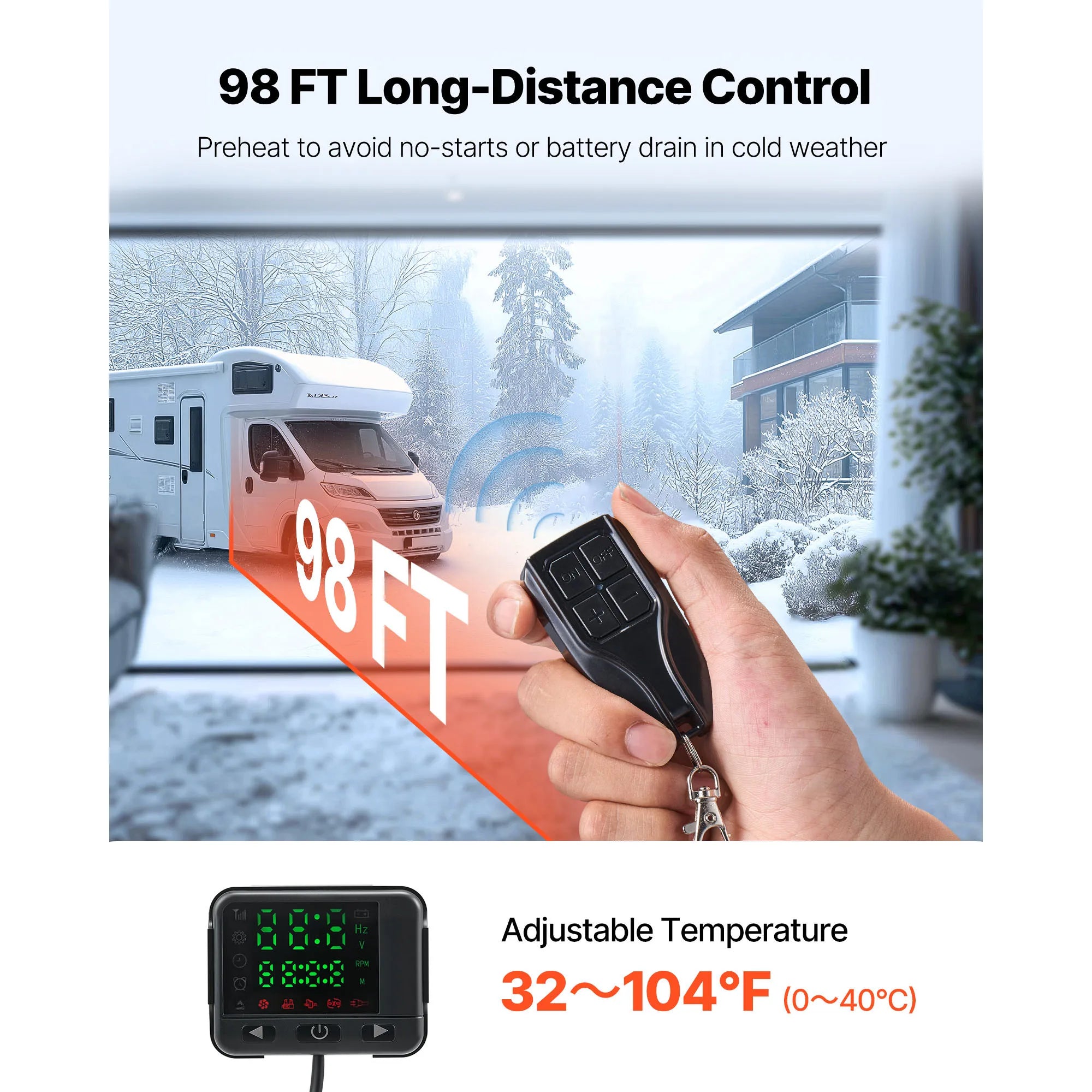
diesel heater for camper for overnight car camping — See it in action
Overview: Does a Diesel Heater for Car Camping Really Work?
A diesel heater for car camping is one of the most practical heating solutions for cold-weather overnight trips. Unlike open-flame propane heaters or power-hungry electric heaters, a diesel heater camping setup uses a separate combustion chamber to create heat while directing exhaust outside. This design provides steady warmth with minimal moisture inside the vehicle.
For campers sleeping in cars, SUVs, vans, and converted campers, a properly sized diesel heater can maintain a comfortable interior temperature throughout the night. Whether you are exploring snowy mountain areas, preparing for winter road trips, or spending extended time off-grid, a reliable camper diesel heater can significantly improve comfort and trip flexibility.
However, performance is not determined by heater output alone. Vehicle insulation, outside temperature, battery capacity, installation quality, and airflow design all affect how well a heater performs. The best diesel heater for camping is the one that matches your vehicle size, climate, and expected usage.
How diesel heaters perform in real car camping conditions
In real-world winter camping situations, diesel heaters typically begin producing noticeable warm air within minutes of startup. A well-insulated car or SUV can warm up quickly because of its smaller interior volume, while larger vans and campers may need higher-output models to distribute heat evenly.
For overnight car camping, many users run the heater on a lower setting after the sleeping area reaches a comfortable temperature. This approach helps conserve fuel, reduce noise, and maintain consistent warmth rather than repeatedly heating a completely cold cabin.
- Small cars and SUVs benefit from compact heaters with efficient low-power operation.
- Camper vans often require higher-output units for larger living areas.
- Cold climates require better insulation and careful heater sizing.
- Long trips benefit from larger fuel capacity and reliable battery support.
Expected warmth, runtime, and limitations
A quality diesel heater camping setup can provide hours of continuous heat from a relatively small amount of fuel. Many portable diesel heater for car models are designed for overnight operation, allowing campers to sleep comfortably without carrying large propane cylinders or relying on campsite electricity.
There are still some limitations to consider. Diesel heaters create operating noise from the fan and fuel pump, require proper exhaust installation, and need a small amount of electrical power for startup and operation. Extremely cold conditions may also require additional insulation and battery planning to maintain reliable performance.
Who benefits most from a diesel heater?
A diesel heater is especially useful for campers who regularly spend nights in cold environments and need dependable warmth without complicated infrastructure. It is a strong choice for:
- Van lifers traveling through winter climates
- Overnight car campers who sleep in vehicles
- Off-grid travelers staying away from powered campsites
- Outdoor workers needing portable heating solutions
- Campers preparing for unexpected cold-weather conditions
For occasional summer camping, a heater may not be necessary. But for anyone planning shoulder-season or winter adventures, investing in a reliable diesel heater for car camping can make a major difference in comfort and safety.
Top Diesel Heaters for Car Camping (Compared & Reviewed)
Best Overall Diesel Heater for Camping
The best overall diesel heater for camping should provide a balance of heating power, fuel efficiency, reliability, and easy operation. This category suits campers who want one dependable solution for regular overnight trips in different conditions.
- Balanced heating performance for cars, SUVs, and camper conversions
- Efficient fuel consumption for extended overnight operation
- Reliable controls for adjusting temperature and airflow
- Suitable for frequent travelers who need consistent performance
The main advantage of an all-around model is flexibility. It can handle changing weather conditions without requiring excessive fuel use or complicated installation.
Best Portable Diesel Heater for Car Camping
A portable diesel heater for car use is ideal for campers who want flexibility between vehicles. These units are commonly chosen for SUVs, temporary setups, and travelers who do not want a permanent installation.
- Compact design for smaller vehicles
- Simple setup and easier storage
- Convenient for switching between camping locations
- Lower heating capacity suited for compact spaces
Portable models work best when paired with good insulation because smaller heaters can maintain warmth more efficiently in well-sealed spaces.
Best Diesel Heater for Camper Vans
A dedicated diesel heater for camper vans is designed for larger interiors where heat distribution and long runtime are priorities. These setups are commonly installed permanently with integrated fuel tanks, ducting, and controls.
- Higher heating output for larger living areas
- Better airflow distribution through duct systems
- Reliable operation for extended travel
- Designed for full-time or frequent van camping
Best Budget Diesel Heater
Budget diesel heaters are a practical option for beginners who want affordable cold-weather comfort. They provide essential heating performance without premium features designed for heavy-duty use.
- Lower upfront investment
- Basic controls for simple operation
- Suitable for occasional camping trips
- Good choice for testing diesel heating before upgrading
Best High-Altitude Diesel Heater
High-altitude camping creates additional challenges because thinner air can affect combustion efficiency. A high-altitude diesel heater is designed to maintain more stable operation in mountain environments and colder conditions.
- Altitude compensation features
- Improved combustion stability
- Reliable cold-weather ignition
- Better performance for mountain camping and winter travel
Diesel Heater Comparison Table (Specs at a Glance)
| Category | Best For | Heating Output | Fuel Tank & Runtime | Power Consumption | Noise / Altitude Features |
|---|---|---|---|---|---|
| Overall | Regular camping and vans | Medium–High | Moderate fuel use, long overnight runtime | Low operating power | Balanced noise with standard controls |
| Portable | Cars and SUVs | Low–Medium | Efficient for smaller spaces | Low power draw | Easy controls, flexible placement |
| Budget | Beginners and occasional trips | Low–Medium | Suitable for short camping use | Basic electrical requirements | Standard noise levels |
| Low-Noise | Sleeping comfort | Medium | Designed for overnight operation | Efficient fan operation | Reduced vibration and quieter running |
| High-Altitude | Mountain and cold climates | Medium–High | Stable performance in extreme conditions | May require stronger battery planning | Altitude compensation support |
Why a Diesel Heater Is Ideal for Camper and Car Camping
A diesel heater camping setup delivers dependable warmth without introducing excess humidity into your sleeping space. Because combustion takes place in a sealed chamber, the heated air circulating through your vehicle remains dry and comfortable, reducing window condensation compared with many alternative heating methods.
Diesel heater vs propane heater
Both diesel and propane heaters can provide effective heat, but they differ in how they operate. Portable propane heaters often release moisture as part of the combustion process and may require greater attention to ventilation. A diesel heater, by comparison, vents combustion gases outside while supplying clean, heated cabin air through a heat exchanger.
- Dry heat helps reduce interior condensation.
- Long runtime supports overnight camping without frequent refueling.
- Stable temperature control improves sleeping comfort.
- Sealed combustion keeps exhaust gases outside when properly installed.
Diesel heater vs electric heater
Electric heaters work well when connected to campsite shore power but are generally impractical for extended off-grid camping because of their high electrical demand. Diesel heaters require only a modest amount of battery power for the fan, glow plug during startup, and electronic controls while using diesel fuel as the primary energy source.
This combination makes diesel heaters especially attractive for car campers, van lifers, and travelers who frequently camp away from electrical hookups in cold weather.
How a Diesel Heater Works
A diesel heater camping system produces heat by burning diesel fuel inside a sealed combustion chamber. Fresh cabin air never mixes with combustion gases. Instead, a heat exchanger transfers warmth to clean air that is then circulated through your vehicle while exhaust is safely discharged outside.
Main components
- Fuel pump: Delivers a precise amount of diesel to the combustion chamber.
- Glow plug: Ignites the fuel during startup.
- Combustion chamber: Generates heat inside a sealed housing.
- Heat exchanger: Transfers heat without allowing exhaust into the cabin.
- Blower fan: Circulates warm air evenly throughout the vehicle.
- Controller or thermostat: Regulates temperature and operating mode.
Heating cycle
- The fuel pump meters diesel into the combustion chamber.
- The glow plug ignites the fuel-air mixture.
- The heat exchanger absorbs thermal energy from combustion.
- The circulation fan pushes clean air across the heat exchanger.
- Warm air enters the cabin while the thermostat adjusts output to maintain the selected temperature.
Why exhaust stays outside
One of the biggest safety advantages of a diesel heater is its sealed combustion design. Exhaust gases travel through a dedicated exhaust pipe routed outside the vehicle, while a separate intake supplies combustion air. As long as the heater is installed correctly and routinely inspected, the heated air entering the cabin remains isolated from combustion by-products.
Diesel Heater Fuel Consumption Explained
Average fuel usage per hour
One reason diesel heaters are so popular for car camping is their excellent fuel efficiency. Most models consume approximately 0.1 to 0.3 liters of diesel per hour , depending on heater capacity, outside temperature, insulation quality, and thermostat setting. During mild winter nights, many heaters spend much of their time operating at reduced output, lowering overall fuel consumption.
Runtime estimates by tank size
Actual runtime varies with operating conditions, but the following estimates provide a useful planning guide:
- 2-liter tank: approximately 8–20 hours.
- 5-liter tank: approximately 20–50 hours.
- 10-liter tank: multiple nights of continuous camping before refueling.
Using a thermostat instead of running at maximum output continuously typically extends runtime while maintaining comfortable cabin temperatures.
Factors that affect efficiency
- Vehicle insulation quality and window coverings.
- Heater power output matched to cabin size.
- Outside temperature and wind exposure.
- Duct routing and unrestricted airflow.
- Thermostat settings and operating mode.
- Regular maintenance that keeps the burner operating efficiently.
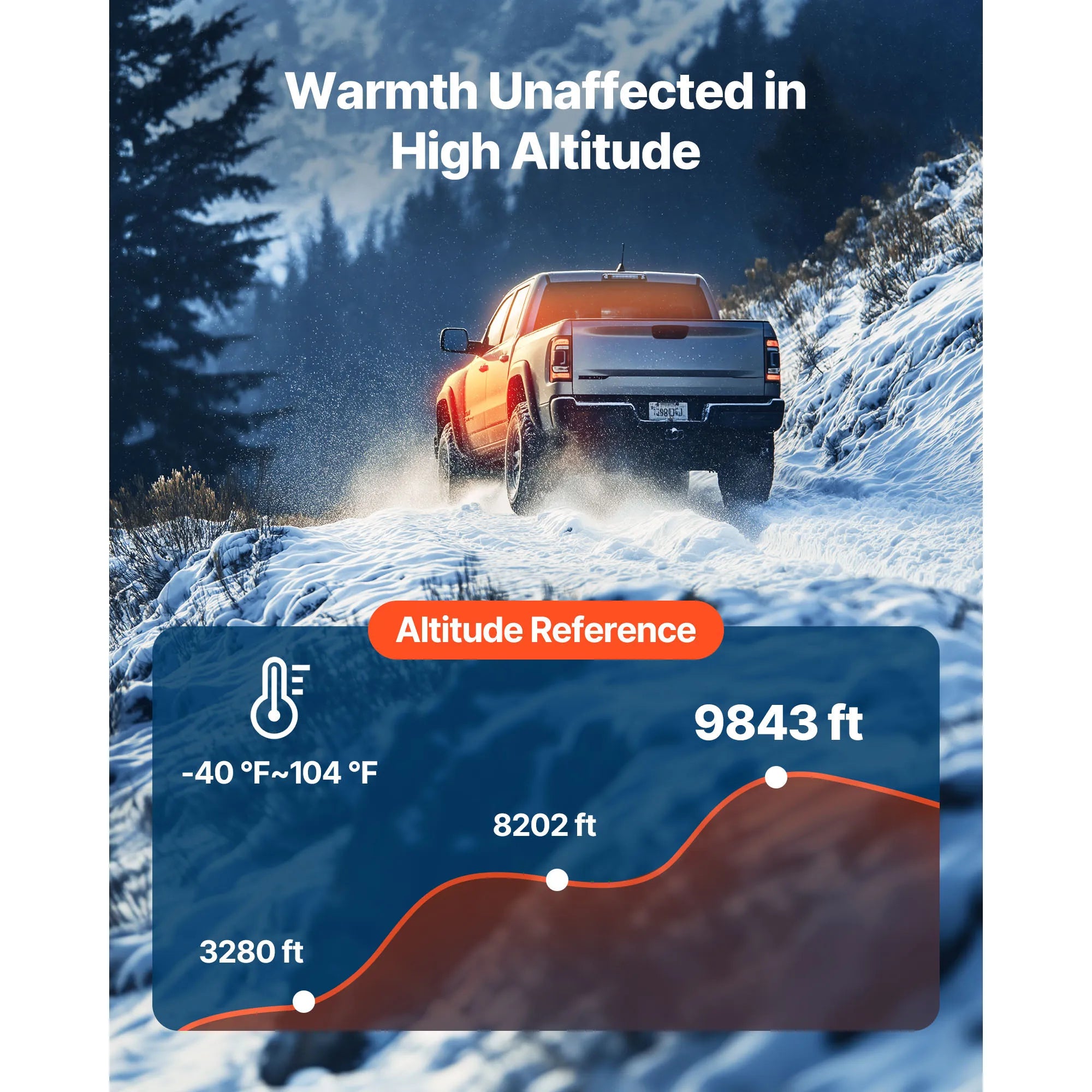
camper diesel heater efficiency during overnight car camping — See it in action
How to Use a Diesel Heater for Car Camping
Learning how to use a diesel heater camping setup correctly helps improve comfort, efficiency, and reliability during cold-weather trips. Most portable and installed systems can be prepared with basic tools, but careful planning is important for safe overnight operation.
Pre-trip checklist
Before heading out, inspect the heater system and confirm that all components are ready for the conditions you expect to encounter.
- Check fuel level and carry enough diesel for the planned runtime.
- Confirm the battery or power source can handle startup and overnight operation.
- Inspect fuel lines, electrical connections, intake pipes, and exhaust routing.
- Make sure air vents are clear and the heater has adequate airflow.
- Test the heater before leaving home, especially before winter trips.
- Prepare additional comfort items such as insulation, sleeping gear, and weather protection.
Startup and shutdown
A proper startup and shutdown routine helps prevent common problems such as excessive smoke, fuel buildup, or unnecessary battery drain.
- Ensure the fuel supply, power connection, and exhaust system are secure.
- Turn on the heater and allow the ignition cycle to complete.
- Let the heater reach normal operating temperature before adjusting settings.
- When finished, use the controller to shut the unit down instead of disconnecting power directly.
- Allow the heater to complete its cooling cycle before switching off the main power source.
A controlled shutdown is especially important because the internal fan continues running briefly to cool the combustion chamber and protect components.
Overnight operation
An overnight car camping heater works best when used to maintain a steady temperature rather than repeatedly heating a completely cold vehicle. Running the heater at a lower setting after the cabin reaches a comfortable temperature can reduce fuel use, lower noise, and extend runtime.
- Use a thermostat setting that matches your comfort level instead of maximum output.
- Monitor battery capacity when running the heater for multiple nights.
- Keep air intake and exhaust areas free from snow, dirt, or obstructions.
- Combine the heater with proper insulation to improve efficiency.
Pairing the heater with comfort upgrades from the Lifestyle collection can make nights feel even more cozy.
Installation Options: Car, SUV, Van, and Tent Setups
Car Installation
For smaller vehicles, a diesel heater setup camper configuration usually focuses on saving space while maintaining safe airflow. Compact installations often use external mounting or carefully planned placement with exhaust routed outside the vehicle.
Because small cabins warm quickly, a properly sized heater can provide comfortable temperatures without requiring excessive fuel consumption. Secure mounting and correct intake placement are essential for reliable operation.
SUV Setup
SUVs provide more flexibility for portable diesel heater for car setups. Many campers place the heater near the rear cargo area and direct warm air toward the sleeping space through ducting.
- Allows easier storage and equipment organization.
- Provides more room for fuel tanks and accessories.
- Works well for weekend trips and flexible camping setups.
Van and Camper Installation
A diesel heater for camper vans is commonly installed as a permanent heating solution. These setups usually include dedicated mounting points, fuel systems, ducting, and integrated controls for consistent heat distribution throughout the living area.
Permanent installations are ideal for frequent travelers because they provide convenience and reduce setup time before each trip.
External Tent Setup
Some portable diesel heater camping systems can be used with tents when designed with proper external placement and ventilation accessories. The heater unit should remain outside the sleeping area, with only heated air ducted into the tent.
Careful positioning of the exhaust, intake, and fuel container helps maintain safe operating conditions while improving comfort during cold-weather camping.
Noise, Safety, and Air Quality Considerations
Modern diesel heaters are designed for efficient and controlled operation, but users should still consider sound levels, ventilation, and installation quality. A properly installed unit typically produces a low mechanical hum similar to a small fan, although fuel pumps and startup cycles may be noticeable.
- Low-vibration components help reduce operating noise.
- External exhaust routing keeps combustion gases outside.
- Automatic shutoff features provide additional protection.
- Stable temperature control supports comfortable overnight use.
Safety Guide for Diesel Heater Car Camping
A safe diesel heater car camping setup depends on correct installation, regular checks, and responsible operation. Modern diesel heaters are designed with sealed combustion systems, but proper ventilation, exhaust routing, and maintenance remain essential for safe overnight use.
Carbon monoxide prevention
Because diesel combustion produces exhaust gases, the exhaust pipe must always discharge outside the vehicle or enclosed camping area. A carbon monoxide detector is strongly recommended whenever a heater is used near sleeping areas or inside enclosed spaces.
- Install and test a carbon monoxide detector regularly.
- Never allow exhaust gases to enter the sleeping area.
- Inspect exhaust connections before each trip.
- Do not operate a heater with damaged exhaust components.
Ventilation requirements
Proper airflow supports efficient combustion and prevents performance issues. Keep the heater air intake clear and avoid blocking exhaust outlets with snow, mud, gear, or other equipment.
- Maintain open airflow around intake and exhaust points.
- Avoid placing materials directly against the heater.
- Follow manufacturer recommendations for installation spacing.
Fuel storage and fire prevention
Diesel fuel is generally easy to transport for camping, but it should still be stored responsibly. Use suitable fuel containers, keep connections secure, and regularly check for leaks or damage.
- Use clean, high-quality diesel fuel.
- Store extra fuel away from heat sources.
- Secure fuel lines to prevent movement or wear.
- Inspect electrical connections before extended trips.
Condensation management
Although diesel heaters produce dry heat compared with many alternatives, moisture can still collect inside vehicles from breathing, wet clothing, and outdoor conditions. Combining heating with insulation and occasional airflow helps maintain a more comfortable sleeping environment.
Sleeping safely with a diesel heater
Many campers use diesel heaters overnight, but safe operation requires preparation. Before sleeping, confirm that the heater is operating normally, exhaust is positioned correctly, and ventilation paths remain unobstructed.
- Complete a safety inspection before bedtime.
- Use automatic temperature controls when available.
- Keep flammable items away from hot components.
- Follow the heater manufacturer’s operating instructions.
Who Should Buy a Diesel Heater for Camping?
A diesel heater for car camping is a valuable investment for travelers who regularly spend nights in cold conditions and need dependable warmth without relying on campsite electricity.
- Van lifers in winter climates: Permanent installations provide reliable heating for extended travel and full-time camping.
- Overnight car camping enthusiasts: A heater makes sleeping in vehicles more comfortable during cold-weather trips.
- Off-grid travelers: Efficient fuel use makes diesel heaters practical for remote locations without power hookups.
- Cold-weather preparedness: A reliable heating option can support emergency readiness during unexpected temperature drops.
Before buying, consider how often you camp, the size of your vehicle, the temperatures you expect, and whether a permanent or portable setup better fits your budget and travel style.
Diesel Heater Pros and Cons
Pros
- Efficient fuel consumption: Diesel heaters can provide long heating times while using relatively small amounts of fuel.
- Long runtime: Properly sized systems can maintain warmth throughout overnight camping trips.
- Consistent heat output: They provide steady dry heat for cars, SUVs, vans, and campers.
- Flexible installation options: Available in portable and permanent configurations for different camping styles.
- Good cold-weather performance: They are designed for winter travel and low-temperature environments.
Cons
- Requires setup: Installation requires planning for fuel, power, intake, and exhaust routing.
- Operating noise: Fans and fuel pumps create some sound, especially during startup and shutdown.
- Safety requirements: Proper ventilation and regular inspection are necessary for safe operation.
- Higher initial cost: A quality diesel heater setup may cost more than simple portable heating alternatives.
Frequently Asked Questions
Can I run a diesel heater all night?
Yes. Most diesel heaters designed for camping can operate continuously overnight, often for 8–12 hours or longer depending on fuel capacity, temperature settings, insulation, and outside conditions. For overnight car camping, running the heater at a lower thermostat setting after the vehicle warms up can help reduce fuel consumption and extend runtime.
Is a diesel heater safe inside a vehicle?
A diesel heater can be used safely in a vehicle when it is installed correctly with the exhaust routed outside and proper airflow maintained. The combustion process occurs separately from the heated cabin air, but safe operation depends on correct installation, regular inspection, and following manufacturer instructions.
Will a diesel heater drain my battery?
Diesel heaters use electricity mainly for startup, the glow plug, fan operation, and controls. Their electrical demand is relatively low during normal operation, but overnight campers should use a healthy battery system or auxiliary power source. Pairing a heater with a reliable portable power station or deep-cycle camping battery can provide additional peace of mind during longer trips.
How quickly does a diesel heater warm a car?
Most diesel heaters begin producing warm air within a few minutes after startup. In a small car or well-insulated sleeping area, noticeable temperature improvement can often be felt within 10–20 minutes. Larger vans and less insulated vehicles may require more time and a higher-output heater to reach a comfortable temperature.
What size diesel heater do I need for car camping?
The right heater size depends on vehicle dimensions, insulation quality, and the climate where you camp. Smaller cars and SUVs generally work well with compact units, while larger camper vans may need higher-output models to distribute heat effectively.
Are portable diesel heaters better than built-in models?
Portable diesel heaters are useful for campers who switch between vehicles or want a flexible setup. Built-in models are often preferred by frequent travelers because they provide cleaner installation, permanent ducting, and faster preparation before each trip.
How much diesel does a heater use overnight?
Diesel heater fuel consumption varies by model and operating conditions, but many camping heaters use approximately 0.1–0.3 liters per hour. Actual overnight usage depends on temperature settings, insulation, wind exposure, and whether the heater runs continuously or cycles on and off.
Can I sleep with a diesel heater running?
Many campers run diesel heaters while sleeping, provided the unit is installed correctly and all safety precautions are followed. Check that the exhaust outlet is clear, ventilation is maintained, and carbon monoxide detection is available when using a heater near sleeping areas.
Do diesel heaters produce carbon monoxide inside the vehicle?
A properly installed diesel heater should direct combustion gases outside the vehicle through the exhaust system. Carbon monoxide risks are associated with incorrect installation, damaged components, blocked exhaust paths, or poor maintenance, which is why regular inspections are important.
Can a diesel heater work in freezing temperatures?
Yes. Diesel heaters are commonly used for winter camping and cold-weather travel. Performance in freezing conditions improves when the heater is correctly sized, the fuel system is maintained, and the vehicle has adequate insulation to retain heat.
How often should I maintain a diesel heater?
Maintenance frequency depends on usage, but regular checks before camping trips are recommended. Inspect fuel lines, electrical connections, intake and exhaust pipes, and clean components according to the manufacturer’s maintenance schedule to maintain reliable performance.
Can I use a diesel heater in a rooftop tent setup?
Yes, a diesel heater can be used with some rooftop tent setups when installed with proper external placement, ventilation, and heat ducting. The heater unit should remain outside the sleeping area, with exhaust safely directed away from the tent entrance and airflow openings.
Related Guide: How Does a Diesel Heater Work Step by Step Guide













