Is a Diesel Heater Safe for Tent Camping?
Quick safety verdict
Yes—diesel heaters for tents can be a safe and effective way to stay warm during outdoor camping when they are installed and operated correctly . Modern diesel air heaters use a sealed combustion system that keeps exhaust gases separate from the warm air entering your shelter. However, incorrect installation, blocked exhausts, poor ventilation, or the absence of a carbon monoxide (CO) detector can create serious safety risks.
When diesel heaters are safe
- The combustion exhaust is vented completely outside the tent.
- The heater is positioned on a stable, non-flammable surface outside or in a designated external enclosure.
- A battery-powered carbon monoxide alarm is installed near the sleeping area.
- Fresh-air ventilation is maintained throughout operation.
- The heater and fuel system are inspected regularly for leaks or damage.
When they become dangerous
- Exhaust gases are allowed to leak or re-enter the tent.
- Air intake or exhaust pipes become blocked by snow, mud, or gear.
- The heater is operated in a completely sealed shelter without ventilation.
- Fuel lines, wiring, or exhaust components are damaged or improperly installed.
Understanding these basic safety principles helps you enjoy reliable warmth while minimizing the risks of carbon monoxide exposure and fire.
Diesel Heaters for Tents: How to Use Them Safly Outdoors
Diesel heaters have become a popular solution for cold-weather camping because they provide consistent, dry heat without introducing combustion gases into the living space when installed correctly. This guide explains how diesel heaters work, why they are considered safer than many direct-burning camping heaters, and the essential safety practices every camper should follow before using one outdoors.
⏱ 7 min read
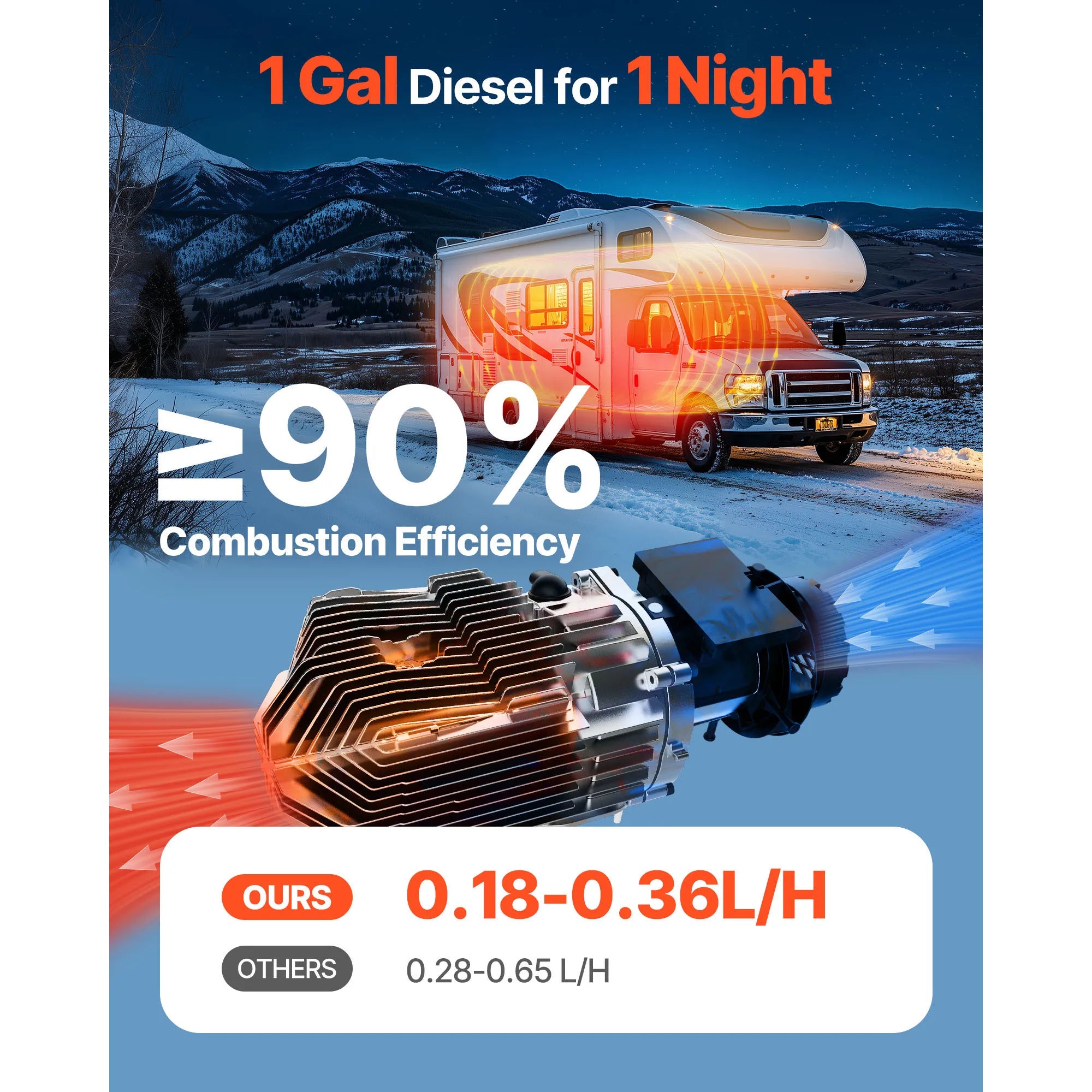
Compact diesel heaters for tents delivering steady warmth. See it in action.
How Diesel Heaters Work in a Camping Setup
Diesel heaters for tents are compact forced-air heating systems designed for outdoor use. Instead of burning fuel inside your shelter, they generate heat inside a sealed combustion chamber. A separate fan then blows clean, heated air into the tent while combustion gases leave through an independent exhaust pipe. This indirect heating design is what makes diesel air heaters suitable for camping when installed correctly.
Combustion chamber vs heated air
The combustion chamber and the heated cabin air never mix. Diesel fuel burns inside the sealed chamber, while a heat exchanger transfers warmth to fresh air that is delivered into the tent. This separation greatly reduces moisture buildup and helps prevent exhaust fumes from entering the living space.
Fresh air intake and exhaust
- Diesel burns inside a sealed combustion chamber.
- Combustion air enters through a dedicated intake.
- Exhaust gases exit through a separate exhaust pipe routed outdoors.
- A fan circulates only clean, heated air into the shelter.
- Power is typically supplied by a portable battery or vehicle electrical system.
Why they differ from propane heaters
Unlike many portable propane heaters that release combustion by-products into the occupied space, diesel air heaters keep combustion isolated from the tent interior. They also produce dry heat, helping reduce condensation on tent walls, sleeping bags, and equipment. Safe operation still depends on correct installation, unobstructed exhaust routing, adequate ventilation, and regular maintenance.
Why Campers Choose Diesel Heaters for Cold Camping
For winter camping, overlanding, and remote base camps, diesel heaters provide dependable heat without adding significant moisture to the shelter. Their efficient fuel consumption and steady heat output make them a practical choice for extended trips where comfort and safety are equally important.
How this heating method improves comfort fast
- Maintains consistent temperatures during freezing overnight conditions.
- Produces dry heat that helps reduce condensation inside tents and shelters.
- Consumes relatively little fuel, allowing long operating times from a compact fuel tank.
- Works well for off-grid vehicle heating, rooftop tents, and winter base camps.
- Provides adjustable heat output to match changing outdoor temperatures.
Essential Diesel Heater Safety Rules
Fire prevention
Keep the heater on a stable, heat-resistant surface and maintain adequate clearance from tent fabric, sleeping bags, clothing, fuel containers, and other combustible materials. Never block the warm-air outlet or place gear against the heater while it is operating.
Fuel handling
Use clean diesel fuel recommended by the manufacturer and inspect the fuel tank, pump, and fuel lines before every trip. Store spare fuel in approved containers outside the sleeping area and away from open flames or ignition sources.
Electrical safety
Most portable diesel heaters rely on a battery for ignition and fan operation. Ensure all wiring is securely connected, protected from moisture, and free from damage. A low battery can interrupt heater operation, so verify your power source before overnight use.
Routine inspections
Before each camping trip, inspect the intake, exhaust pipe, hose connections, and mounting hardware. Remove debris, snow, mud, or ice that could restrict airflow, and replace worn seals or damaged components promptly.
Essential safety practices you should never skip
- Ventilation: Route the exhaust completely outside the tent using approved components and maintain fresh-air ventilation at all times.
- Carbon monoxide alarms: Install a battery-powered CO detector near the sleeping area and test it before every trip.
- Stable placement: Position the heater where it cannot tip over or contact flammable materials.
- Fuel system checks: Confirm there are no leaks before starting the heater.
- Temperature monitoring: Avoid overheating the tent and ensure airflow remains unobstructed.
- Emergency preparedness: Know how to shut down the heater quickly if you detect smoke, unusual odors, or a carbon monoxide alarm activates.
Following these diesel heater safety practices significantly reduces the risks of carbon monoxide exposure, fire hazards, and equipment failure while helping ensure safe operation throughout your camping trip.
Step-by-Step: How to Set Up a Diesel Heater Safely
Choose the right location
- Place the heater outside the occupied tent whenever possible. Position it on a stable, level, non-flammable surface where it cannot tip over or be exposed to standing water.
- Keep the warm-air duct short and unobstructed. Avoid sharp bends that can reduce airflow and heating efficiency.
- Maintain safe clearances. Keep the heater, exhaust pipe, and hot components away from tent fabric, sleeping bags, camping gear, and fuel containers.
Connect ducts and exhaust
- Route the exhaust outdoors. Secure the exhaust pipe so combustion gases cannot re-enter the tent through doors, vents, or windows.
- Check the combustion air intake. Ensure the intake remains clear of snow, mud, leaves, or other debris that could restrict airflow.
- Inspect fuel connections. Confirm fuel lines, clamps, and fittings are tight and free from leaks before starting the heater.
Test before sleeping
- Run the heater before bedtime. Verify that warm air is flowing into the tent while exhaust exits safely outside.
- Test the carbon monoxide detector. Install it near the sleeping area according to the manufacturer's instructions and confirm it is functioning properly.
- Confirm ventilation. Leave designated vents partially open to provide continuous fresh-air circulation.
Monitor during operation
- Observe the initial heating cycle. Watch for unusual smoke, odors, warning lights, or unexpected shutdowns.
- Recheck the exhaust periodically. During snowfall or windy conditions, make sure the exhaust outlet remains unobstructed.
- Stop using the heater immediately if the CO alarm sounds, exhaust leaks are suspected, or the heater operates abnormally.
A clear installation diagram showing heater placement, duct routing, combustion air intake, and exhaust direction can help prevent common setup mistakes and improve overall safety.
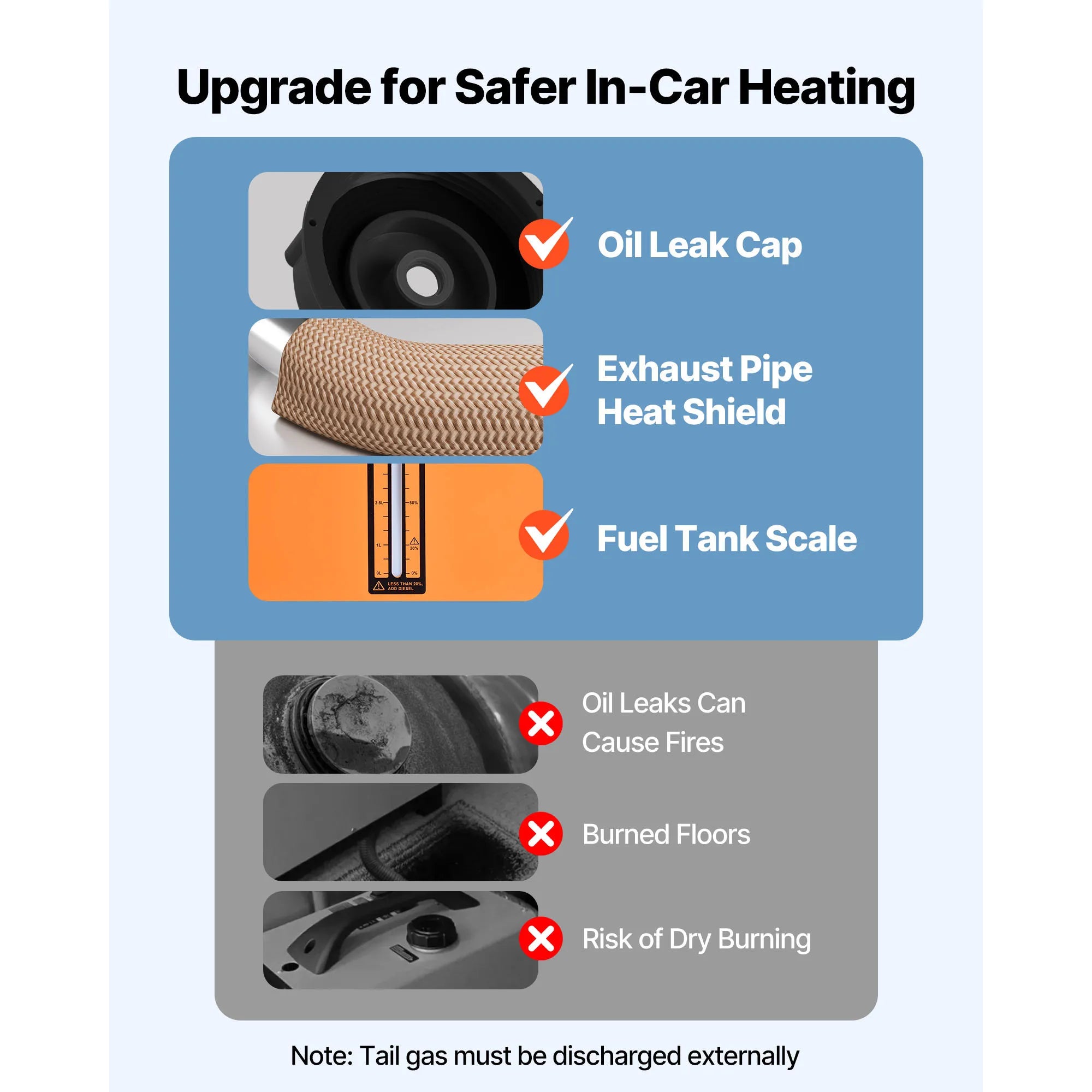
Proper placement improves diesel heater safety and airflow. See it in action.
Using a Diesel Heater for Overnight and Off-Grid Camping
Diesel heaters are widely used for vehicle-supported camping, rooftop tents, overlanding, and winter base camps because they can deliver consistent heat for extended periods with relatively low fuel consumption. Safe overnight operation depends on proper installation, reliable electrical power, and continuous ventilation rather than simply leaving the heater running.
Sleeping with a diesel heater
If you plan to operate a diesel heater overnight, ensure the exhaust system is correctly installed, the combustion intake remains unobstructed, and a working carbon monoxide detector is installed near the sleeping area. Inspect the system before every trip and never ignore unusual smells, smoke, or alarm warnings.
Cold-weather best practices
- Keep the exhaust outlet clear of snow, ice, and debris.
- Check fuel levels before going to bed to avoid unnecessary restarts.
- Allow continuous fresh-air ventilation throughout the night.
- Inspect hoses and electrical connections after moving camp.
Power management
Portable diesel heaters require electrical power for ignition, the fuel pump, and the circulation fan. Use a fully charged battery or an appropriately sized portable power source to prevent unexpected shutdowns during cold-weather camping, especially on multi-day trips.
Pros and Cons of Diesel Heaters for Camping
Diesel heaters are among the most effective heating options for cold-weather camping, but they are not the right solution for every situation. Understanding both their advantages and limitations helps you decide whether a portable diesel heater fits your camping style and safety requirements.
Advantages
- Consistent, dry heat: Sealed combustion systems reduce condensation compared with many direct-burning heaters.
- Excellent fuel efficiency: Diesel heaters can operate for many hours on a relatively small amount of fuel.
- Reliable cold-weather performance: They maintain stable temperatures during winter camping, overlanding, and base camp use.
- Lower indoor air contamination risk: When installed correctly, combustion gases remain outside the occupied space.
- Adjustable heating output: Most models allow users to fine-tune temperature for improved comfort and fuel economy.
Limitations
- Proper installation is essential: Incorrect exhaust routing or damaged components can create serious carbon monoxide hazards.
- Requires electrical power: The ignition system, fuel pump, and circulation fan depend on a battery or external power source.
- Routine maintenance is necessary: Fuel lines, filters, intake, and exhaust components should be inspected regularly.
- Higher setup complexity: Installation takes more planning than using simple portable camping heaters.
- Not suitable for sealed shelters: Fresh-air ventilation and correctly vented exhaust are always required.
Who should use one
Diesel heaters are well suited to campers who frequently travel in cold climates, spend multiple nights outdoors, or use rooftop tents, camper vans, trailers, and vehicle-supported base camps. They are especially valuable when maintaining a dry, comfortable sleeping environment is a priority.
When alternatives make sense
For occasional fair-weather camping or short trips, simpler heating methods may be sufficient. Regardless of the heating system you choose, always follow the manufacturer's installation instructions, maintain adequate ventilation, and use a functioning carbon monoxide detector whenever fuel-burning equipment is operating near your shelter.
Frequently Asked Questions
Are diesel heaters safe in tents?
Yes, diesel heaters are safe for tent camping when they are installed correctly with a sealed combustion system, the exhaust is routed completely outside the shelter, adequate ventilation is maintained, and a working carbon monoxide detector is used. Most safety issues result from poor installation or neglected maintenance rather than the heater itself.
Can I sleep with a diesel heater running overnight?
You can operate a diesel heater overnight only if it has been installed according to the manufacturer's instructions, the exhaust system is functioning properly, fresh-air ventilation remains available, and a battery-powered carbon monoxide alarm is active near the sleeping area. Inspect the heater before every trip and never ignore warning signs or alarm activation.
Do diesel heaters produce carbon monoxide?
Yes. Like all fuel-burning appliances, diesel heaters produce carbon monoxide during combustion. In a properly functioning heater, those gases are carried outside through the exhaust system and should never enter the tent. Exhaust leaks, blocked pipes, or incorrect installation can create dangerous conditions.
How should I vent a diesel heater in a tent?
Route the exhaust pipe completely outside the tent and position the outlet where fumes cannot be drawn back inside by wind or nearby openings. Keep the combustion air intake and exhaust free from snow, mud, leaves, and other obstructions, while maintaining fresh-air ventilation inside the shelter.
Where should a carbon monoxide detector be installed?
Install a battery-powered carbon monoxide detector inside the occupied space near the sleeping area, following the detector manufacturer's installation recommendations. Test the alarm before every camping trip and replace batteries as required.
Can exhaust fumes enter the tent?
They should not if the heater is installed correctly. Exhaust fumes can enter the tent if the exhaust system leaks, the outlet is positioned too close to doors or vents, or wind causes gases to recirculate. Inspect all exhaust connections regularly and stop using the heater immediately if fumes are suspected.
How often should a diesel heater be serviced?
Inspect the heater before each trip and perform routine maintenance according to the manufacturer's service schedule. Check the fuel system, electrical wiring, intake, exhaust components, seals, and mounting hardware, replacing any damaged or worn parts promptly.
Are diesel heaters safer than propane heaters for camping?
Both heating systems can be used safely when installed and operated correctly. Many campers choose diesel heaters because sealed combustion delivers dry heat while keeping combustion gases outside the living space. Regardless of the heater type, proper ventilation, regular maintenance, and carbon monoxide detection remain essential.
For lifestyle upgrades and outdoor comfort solutions, explore the Lifestyle collection for gear that supports confident, comfortable adventures.
Related Guide: How Does a Diesel Heater Work Step by Step Guide