

Why does difficulty gripping objects after stroke happen, and what actually helps?
Difficulty gripping objects after stroke occurs when damage to the brain interrupts the nerve signals that control the muscles, joints, and sensation of the hand. As a result, many stroke survivors experience weakness, stiffness, reduced finger coordination, or difficulty knowing how firmly to hold an object. The most effective recovery strategies combine repetitive task-specific practice, hand therapy exercises, occupational or physical therapy, and, when appropriate, assistive technologies that support consistent movement training. While recovery timelines vary, regular rehabilitation can help many people regain meaningful hand function and greater independence.
Difficulty Gripping Objects After Stroke: Causes, Recovery & Proven Solutions
Difficulty gripping objects after stroke can affect nearly every daily activity, from buttoning clothes and writing to holding utensils or carrying a cup. Although hand recovery often requires patience and consistent practice, improvements are possible because the brain can reorganize and develop new movement pathways through rehabilitation. This guide explains why grip problems occur, what influences recovery, and the evidence-based approaches that help restore strength, coordination, and functional hand use.
⏱ 7 min read
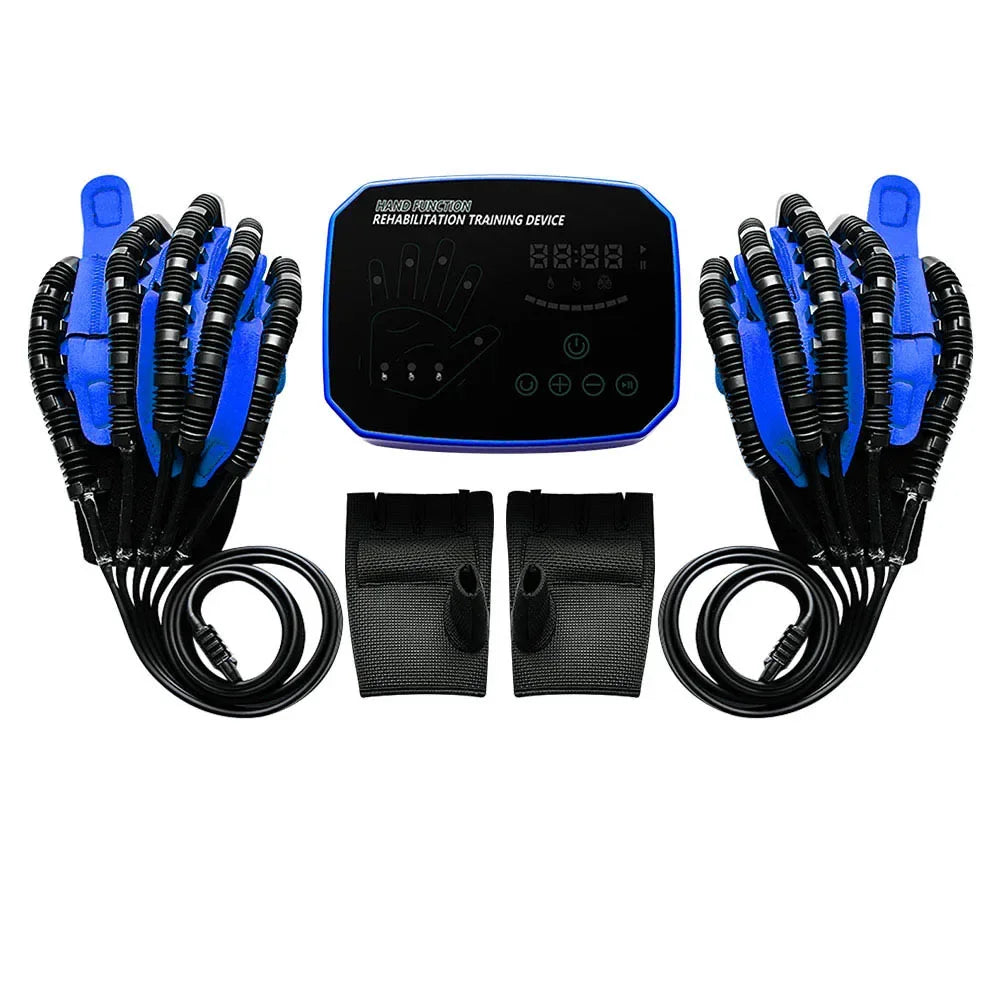
Robotic glove stroke solution for difficulty gripping objects after stroke. See it in action.
Why Is It So Hard to Grip After a Stroke?
Brain–Hand Connection and Motor Control Loss
A stroke can damage the areas of the brain responsible for planning and controlling hand movement. When communication between the brain, spinal cord, and hand muscles is disrupted, even simple actions such as reaching, grasping, or releasing an object may become slow, weak, or uncoordinated. This is why many people ask, "Why can't I grip after a stroke?"—the challenge often begins with impaired motor control rather than muscle strength alone.
Muscle Weakness vs. Spasticity vs. Coordination vs. Sensory Loss
Weak hand grip after stroke is rarely caused by a single problem. Instead, several impairments may occur together and limit normal hand function:
- Muscle weakness: Reduced force in the hand, wrist, and forearm makes it difficult to grasp or lift everyday objects.
- Spasticity: Increased muscle tone causes the fingers or wrist to become stiff, making it harder to open or relax the hand.
- Coordination problems: Fingers may move out of sequence or with poor timing, reducing grip precision.
- Sensory loss: Reduced touch or position awareness can make it difficult to judge how firmly to hold an object, increasing the risk of dropping or crushing it.
Understanding which combination of impairments is present helps healthcare professionals choose the most appropriate stroke hand weakness treatment and rehabilitation exercises.
How Different Grip Deficits Affect Daily Activities
Different hand impairments interfere with different everyday tasks. Weakness may make lifting a mug challenging, while spasticity can prevent the hand from opening to grasp it. Coordination problems often affect handwriting, typing, or fastening buttons, and sensory changes may make it difficult to safely hold fragile items without visual feedback. Identifying these functional limitations allows rehabilitation to focus on meaningful daily activities rather than strength alone.
Why Some Patients Struggle More Than Others
Recovery varies from person to person and depends on factors including the location and severity of the stroke, overall health, age, accompanying sensory or cognitive deficits, and how soon rehabilitation begins. Consistent therapy, frequent practice of functional tasks, and gradual progression of exercises generally produce better long-term outcomes than occasional training. Even when recovery is slower, continued rehabilitation can still improve independence and hand function over time.
How Neuroplasticity Helps You Regain Hand Grip After Stroke
What Neuroplasticity Means for Stroke Recovery
Neuroplasticity is the brain's ability to reorganize itself after injury by creating and strengthening new neural connections. Following a stroke, undamaged regions of the brain can gradually assume some of the functions previously controlled by injured areas. This adaptive process supports improvements in hand movement, coordination, and grip strength, especially when rehabilitation begins early and continues consistently.
Although recovery differs for every individual, neuroplasticity remains one of the primary reasons many stroke survivors continue to make progress months—or even years—after their initial injury through structured rehabilitation.
Why Repetition and Task-Specific Training Work
Repeated practice teaches the nervous system to perform movements more efficiently. Every intentional attempt to open the hand, grasp an object, or release it reinforces the neural pathways involved in that task. This is why hand therapy exercises for stroke recovery emphasize frequent, purposeful practice instead of occasional high-intensity workouts.
Task-specific activities such as holding a cup, turning a doorknob, picking up coins, or using eating utensils are especially valuable because they train movements required for everyday independence. Short, consistent practice sessions performed several times each day are often more effective than infrequent, lengthy exercise sessions.
Learn more about structured recovery timelines in stroke recovery timeline.
How to Improve Hand Grip After Stroke (Step-by-Step Rehab Plan)
Early Stage (0–4 Weeks): Activation and Gentle Movement
During the early stage of recovery, the primary goals are to maintain joint mobility, reduce stiffness, and encourage safe voluntary movement. Exercises should be gentle and performed within a comfortable range of motion, ideally under the guidance of a rehabilitation professional.
- Guided finger opening and closing exercises
- Gentle stretching of the fingers, wrist, and forearm
- Assisted movements using the unaffected hand when appropriate
- Light reaching and grasping activities with everyday objects
Mid Stage (1–3 Months): Strength and Coordination
As voluntary control improves, rehabilitation shifts toward rebuilding strength, endurance, and fine motor coordination. Progressive exercises help restore the ability to perform increasingly complex hand movements while supporting long-term functional recovery.
- Squeezing therapy balls or other soft resistance tools
- Finger isolation and individual finger control exercises
- Light resistance training for the hand and wrist
- Repetitive grasp-and-release practice using objects of different sizes and textures
Late Stage (3+ Months): Functional Grip Training
Later rehabilitation focuses on integrating improved strength into meaningful daily activities. Functional practice helps transfer exercise gains into real-world tasks that promote independence at home, work, and in the community.
- Holding cups, bottles, and eating utensils
- Buttoning shirts and fastening zippers
- Opening containers and turning door handles
- Writing, typing, or using a smartphone
Recovery Timeline and Expected Milestones
Recovery does not follow the same timeline for everyone. Some individuals regain useful hand function within weeks, while others require several months of ongoing therapy. Progress is influenced by stroke severity, the location of brain injury, overall health, therapy intensity, and consistency of home practice.
Instead of comparing progress with others, focus on measurable improvements such as increasing grip strength, reducing muscle stiffness, improving finger coordination, or completing everyday tasks more independently. Regular reassessment with your rehabilitation team helps ensure your exercise program continues to match your current abilities and recovery goals.
Hand Therapy Exercises for Stroke Recovery (Grip-Focused)
Basic Hand Activation Exercises
Hand activation exercises help re-establish communication between the brain and hand muscles while maintaining flexibility. Begin with slow, controlled movements and focus on quality rather than speed.
- Finger tapping on a table to improve individual finger control
- Thumb-to-finger touches, moving from the index finger to the little finger
- Assisted hand opening using the unaffected hand when necessary
- Gentle wrist flexion and extension within a comfortable range of motion
Strengthening Exercises for Weak Hand Grip After Stroke
Once active movement becomes easier, gradually introduce resistance exercises to improve grip strength and endurance. Increase difficulty only when movements remain smooth and pain-free.
- Squeeze a soft therapy ball for 3–5 seconds before slowly releasing
- Practice pinching and stretching therapy putty with different fingers
- Towel gripping and twisting exercises to strengthen the hand and forearm
- Repeated grasp-and-release drills using lightweight household objects
Functional Grip Training (Real-Life Tasks)
Practicing everyday activities helps transfer exercise gains into practical skills that support greater independence.
- Pick up coins, blocks, or other small household objects
- Practice holding a cup, water bottle, or food container securely
- Use utensils during meals to improve coordinated grip control
- Fold laundry, stack lightweight containers, or turn pages in a book
How to Progress Exercises Safely
Gradually increase repetitions, resistance, or task complexity instead of making large jumps in difficulty. Stop exercising if pain, excessive fatigue, or increased spasticity develops, and discuss persistent symptoms with your rehabilitation provider. Consistent daily practice is generally more effective than occasional intensive sessions because it provides frequent opportunities for the brain to reinforce new movement patterns.
Explore additional routines in full-body stroke rehab exercises.
Stroke Hand Rehabilitation Tools That Actually Help
Robotic Glove Stroke Devices Explained
Robotic glove stroke devices provide assisted finger movement for individuals who have difficulty opening or closing the hand independently. By guiding repetitive grasp-and-release movements, these devices can increase the number of practice repetitions completed during a therapy session while encouraging more natural movement patterns.
One example is the Rehabilitation Robot Glove Hand Recovery, which is intended to complement a structured home exercise program rather than replace therapist-guided rehabilitation.
Traditional Hand Exercise Equipment Physical Therapy Uses
Conventional rehabilitation tools remain valuable because they allow exercises to be matched to a person's stage of recovery and functional goals.
- Therapy putty for progressive resistance and finger strengthening
- Hand grippers to improve grip strength after sufficient voluntary control returns
- Finger extension bands to strengthen the muscles that open the hand
- Foam blocks or soft therapy balls for repetitive grasp-and-release practice
Choosing the Right Tool for Your Level
The most appropriate stroke hand rehabilitation tools depend on your current abilities. Individuals with very limited active movement may benefit from a glove for stroke patient rehabilitation or therapist-assisted exercises that help guide correct movement patterns. As hand control improves, resistance tools such as therapy putty, soft balls, and finger bands become increasingly useful for building strength and dexterity.
Regardless of the equipment used, rehabilitation tools work best when they are integrated into a comprehensive therapy program that includes functional activities, regular reassessment, and progressive exercise challenges.
Compare more options in Body Care and Health Devices.
How to Use a Glove for Stroke Patient Recovery at Home
Step-by-Step Daily Routine for Grip Strength Recovery
A glove for stroke patient rehabilitation is most effective when it is used as part of a structured exercise program recommended by your healthcare provider. Focus on controlled, repetitive movements rather than speed, and combine assisted exercises with active practice whenever possible.
- Fit the glove securely according to the manufacturer's instructions without restricting circulation.
- Begin with assisted finger opening and closing to encourage smooth, comfortable movement.
- Complete 10–15 controlled repetitions for each exercise, resting briefly between sets if needed.
- Practice functional tasks such as holding a lightweight cup, towel, or other everyday object.
- Repeat the routine 2–3 times daily if recommended by your therapist, adjusting the duration based on your tolerance and recovery stage.
Monitor your progress over time by noting improvements in grip strength, hand control, or the ability to perform everyday activities independently. Small, consistent gains are common during stroke rehabilitation.
Safety Tips and Common Mistakes to Avoid
- Avoid overtraining, especially if your hand becomes excessively fatigued or spasticity increases.
- Never force movements that cause significant pain or joint discomfort.
- Ensure the glove fits properly and remains comfortable throughout each session.
- Use slow, controlled movements instead of rushing through repetitions.
- Follow the exercise intensity recommended by your rehabilitation team.
When to Stop and Contact Your Therapist
Pause your home training session and seek professional advice if you experience persistent pain, worsening swelling, increasing muscle stiffness, skin irritation from the device, or a noticeable decline in hand function. Your therapist can reassess your progress, modify your exercise program, or determine whether adjustments to your rehabilitation plan are needed.
When to See a Therapist for Stroke Hand Weakness Treatment
Home rehabilitation plays an important role in recovery, but regular assessment by a qualified occupational or physical therapist helps ensure that exercises remain appropriate as your abilities change. Professional guidance is particularly valuable when progress slows or new symptoms develop.
Consider scheduling a reassessment if:
- Your hand function shows little or no improvement after several weeks of consistent rehabilitation.
- Severe stiffness or muscle tightness significantly limits finger or wrist movement.
- Pain develops during exercise or interferes with everyday activities.
- You experience increasing difficulty performing tasks that were previously improving.
- Your rehabilitation goals or functional needs change.
Seek immediate medical attention if you develop sudden new weakness, numbness, difficulty speaking, facial drooping, severe headache, or other symptoms that could indicate another stroke or a medical emergency.
A rehabilitation professional can evaluate your hand function, adjust your exercise program, recommend appropriate assistive devices when needed, and monitor recovery to support safe, steady progress.
Learn more about professional care in occupational therapy for stroke patients.
Frequently Asked Questions
Why can't I grip after a stroke?
Difficulty gripping objects after stroke usually occurs because the stroke disrupts communication between the brain and the muscles that control the hand. Depending on the affected brain region, weakness, spasticity, impaired coordination, and reduced sensation may all contribute to difficulty grasping and releasing objects.
How long does it take to improve hand grip after stroke?
Recovery timelines vary widely. Some people notice meaningful improvements within a few weeks of beginning rehabilitation, while others continue to regain hand function over several months or longer. Factors such as stroke severity, early intervention, and consistent therapy all influence recovery.
Can hand grip recover years after a stroke?
Yes. Although recovery tends to occur more rapidly during the first few months, improvements are still possible years after a stroke. Ongoing task-specific practice, strengthening exercises, and therapist-guided rehabilitation can continue to promote neuroplasticity and functional gains.
What is the best hand grip for stroke patients?
There is no single "best" exercise or device. The most effective approach combines range-of-motion exercises, progressive strengthening, functional task practice, and, when appropriate, rehabilitation devices that match the individual's current level of hand function.
Is a robotic glove stroke device safe for home use?
Most robotic glove stroke devices are designed for home rehabilitation when used according to the manufacturer's instructions and your healthcare provider's recommendations. Proper fit, gradual progression, and regular monitoring help reduce the risk of discomfort or overuse.
Can I combine multiple stroke hand rehabilitation tools?
Yes. Many rehabilitation programs combine different stroke hand rehabilitation tools, such as therapy putty, finger extension bands, soft therapy balls, and assistive gloves. Using complementary tools can help address flexibility, strength, coordination, and functional hand use within a comprehensive rehabilitation plan.
Related Guide: Hand Stiffness After Stroke: Who Benefits Most













