

Massage Gun Benefits: How Percussive Therapy Improves Muscle Recovery
⏱ 5 min read
Whether you're recovering from an intense workout, dealing with tight shoulders after hours at a desk, or managing everyday muscle tension, a massage gun can be a convenient recovery tool. Many people ask whether do vibrations help sore muscles , whether a battery massager is effective, and how massage guns compare with heat therapy. Understanding how massage guns work makes it easier to choose the right recovery method for your needs.
Explore the digital heat gun solution
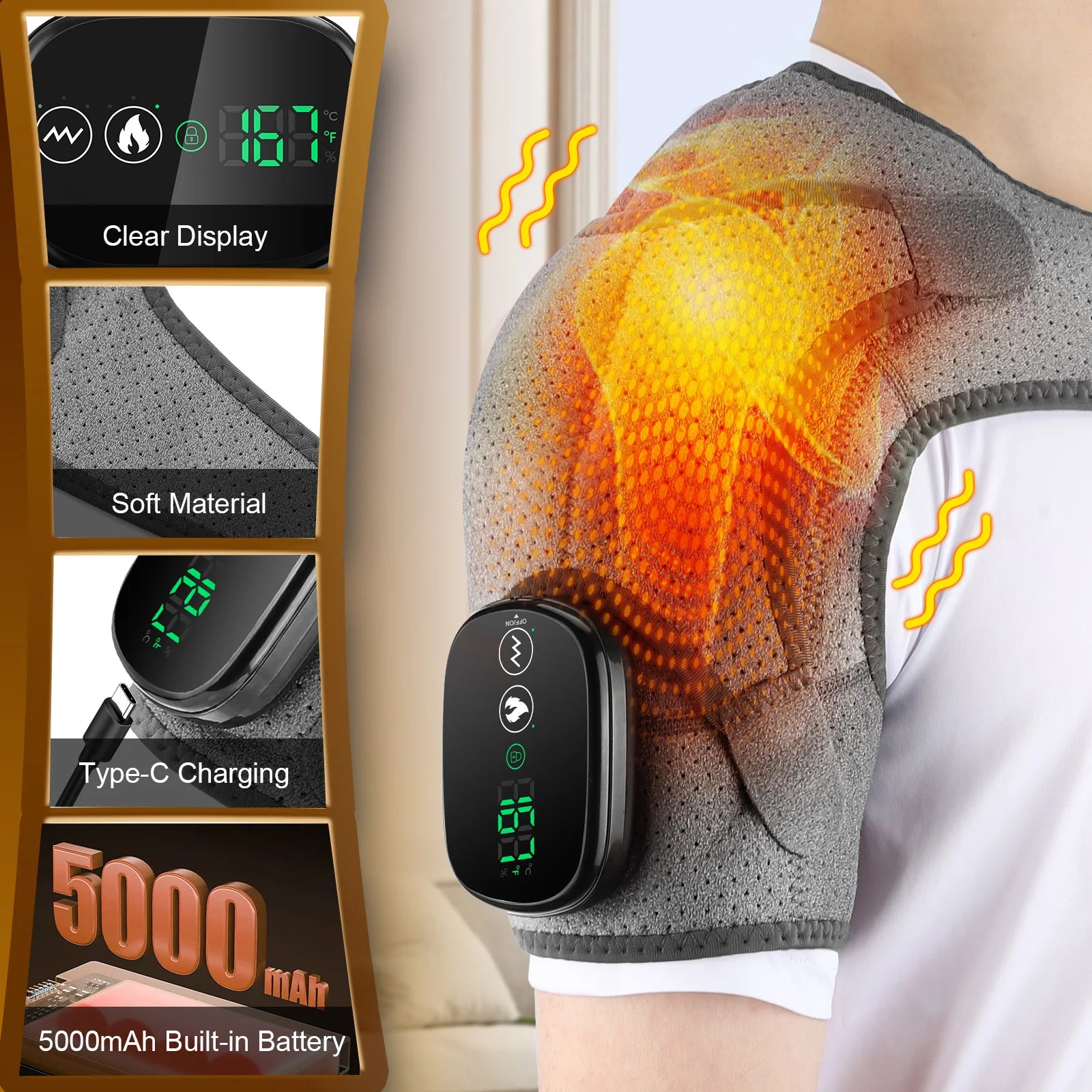
Targeted warmth for daily muscle relief. See it in action.
What Is a Massage Gun and How Does It Work?
A massage gun is a handheld recovery device that delivers rapid, repeated pulses into muscles using a technique called percussive therapy. The goal is to stimulate soft tissue, temporarily reduce muscle tightness, improve movement, and support recovery after exercise or prolonged inactivity. While massage guns do not treat underlying injuries, research suggests they can be a useful addition to an overall recovery routine.
What Is Percussive Therapy?
Percussive therapy combines fast, controlled pulses with vibration to mechanically stimulate muscles and surrounding connective tissue. This repeated stimulation may help muscles relax, temporarily decrease feelings of soreness, and improve flexibility. Because treatments are quick and easy to perform at home, percussion massager benefits have made these devices increasingly popular among athletes, physical therapists, and recreational exercisers.
How Percussion Affects Muscles and Nerves
Each pulse provides mechanical stimulation that activates sensory receptors within muscles and soft tissues. This input may temporarily reduce muscle guarding, encourage relaxation, and make stiff muscles feel less tight. Many users notice improved comfort immediately after a brief treatment, particularly in frequently overworked areas such as the calves, shoulders, glutes, and upper back.
Pain Modulation and Blood Flow
One reason massage guns are often used for pain relief is their ability to temporarily change how discomfort is perceived while promoting local circulation. Increased blood flow may help deliver oxygen and nutrients to working muscles while supporting the removal of normal metabolic byproducts after exercise. Although circulation improves temporarily, massage guns should be viewed as a recovery aid rather than a medical treatment.
How Massage Guns Target Deep Muscle Tissue
Unlike traditional vibrating massagers, massage guns use a motor-driven head that moves back and forth at high speed with controlled amplitude. This percussion reaches deeper muscle layers than surface vibration alone, helping loosen tight muscle fibers, reduce the feeling of muscle knots, and improve mobility. Different speed settings and attachment heads allow users to customize treatment for large muscle groups or smaller, more sensitive areas.
Does a Massage Gun Really Work for Muscle Relief?
Yes—massage guns can provide short-term muscle relief and improve recovery when used correctly. Current research suggests massage gun benefits include temporary reductions in muscle soreness, improved range of motion, and enhanced flexibility after exercise. Evidence is strongest for recovery support rather than treating chronic pain or medical conditions.
Massage guns work by combining percussion with vibration to stimulate muscles, encourage circulation, and temporarily reduce muscle stiffness. Many people report feeling less tight after workouts or long periods of sitting, making massage guns a practical option for both athletes and office workers seeking everyday muscle relief.
However, it's important to set realistic expectations. While a massage gun for pain relief may reduce discomfort caused by muscle fatigue or tension, it does not repair muscle injuries, replace rehabilitation, or cure chronic musculoskeletal conditions. Persistent pain, swelling, numbness, or loss of function should be evaluated by a qualified healthcare professional.
When incorporated into a balanced recovery plan that includes stretching, strength training, adequate sleep, hydration, and proper exercise technique, massage guns can be an effective complementary tool for maintaining healthy muscles and supporting long-term mobility.
Science-Backed Massage Gun Benefits
Faster Muscle Recovery After Exercise
One of the most recognized massage gun benefits is improved post-exercise recovery. Percussive therapy helps temporarily increase local blood flow and reduce feelings of muscle fatigue after strenuous activity. While it cannot eliminate recovery time, using a massage gun after training may help you return to normal movement more comfortably and prepare for your next workout.
Reduced Muscle Soreness (DOMS)
Delayed onset muscle soreness (DOMS) typically develops 12 to 48 hours after unfamiliar or intense exercise. Research suggests that percussion therapy may lessen the perception of soreness and muscle tenderness, making everyday activities and subsequent training sessions more comfortable. For best results, use the device shortly after exercise and combine it with adequate hydration, nutrition, and rest.
Improved Range of Motion & Flexibility
Brief massage gun sessions before exercise or stretching can temporarily improve joint range of motion by relaxing tight muscles and surrounding soft tissues. Better mobility may support exercise performance and make daily movements feel easier without reducing muscle strength immediately before activity.
Temporary Pain Relief
Massage guns may provide short-term relief from muscular discomfort caused by overuse, prolonged sitting, or repetitive movement. The combination of percussion and vibration stimulates sensory receptors that can temporarily reduce the perception of pain while easing muscle tension. They are most effective for muscular tightness rather than pain caused by injury or underlying medical conditions.
Warm-Up and Performance Preparation
Many athletes use massage guns during warm-ups to activate specific muscle groups before exercise. A short 30- to 60-second treatment per muscle group may help increase tissue readiness, improve movement quality, and reduce feelings of stiffness before strength training, running, or recreational sports.
Do Vibrations Help Sore Muscles—Or Is Heat Better?
Both vibration therapy and heat therapy can relieve sore muscles, but they serve different purposes. Choosing the right option depends on whether your goal is improving muscle performance, reducing post-workout soreness, or simply relaxing tense muscles.
When Vibration Therapy Works Best
- After exercise: Helps reduce muscle soreness and stiffness following training.
- Before activity: Can temporarily improve mobility and prepare muscles for movement.
- Persistent muscle knots: Targets deeper muscle tissue that may not respond well to surface heating alone.
- Active recovery: Useful for athletes and physically active individuals looking to maintain mobility.
When Heat Therapy Is More Effective
- Everyday muscle tension: Helps relax tight shoulders, neck muscles, and the upper back.
- Rest days: Promotes comfort without applying mechanical pressure to sore muscles.
- Before bedtime: Gentle warmth may encourage relaxation and reduce feelings of stiffness.
- Mild discomfort: Ideal when muscles feel tight rather than heavily fatigued.
Combining Both Safely
Using heat and percussion together can provide complementary benefits. Applying gentle heat first may help muscles relax before percussion therapy, while using heat afterward can enhance comfort and promote relaxation. Avoid using either method directly over acute injuries, swollen tissues, or areas with reduced sensation unless advised by a healthcare professional.
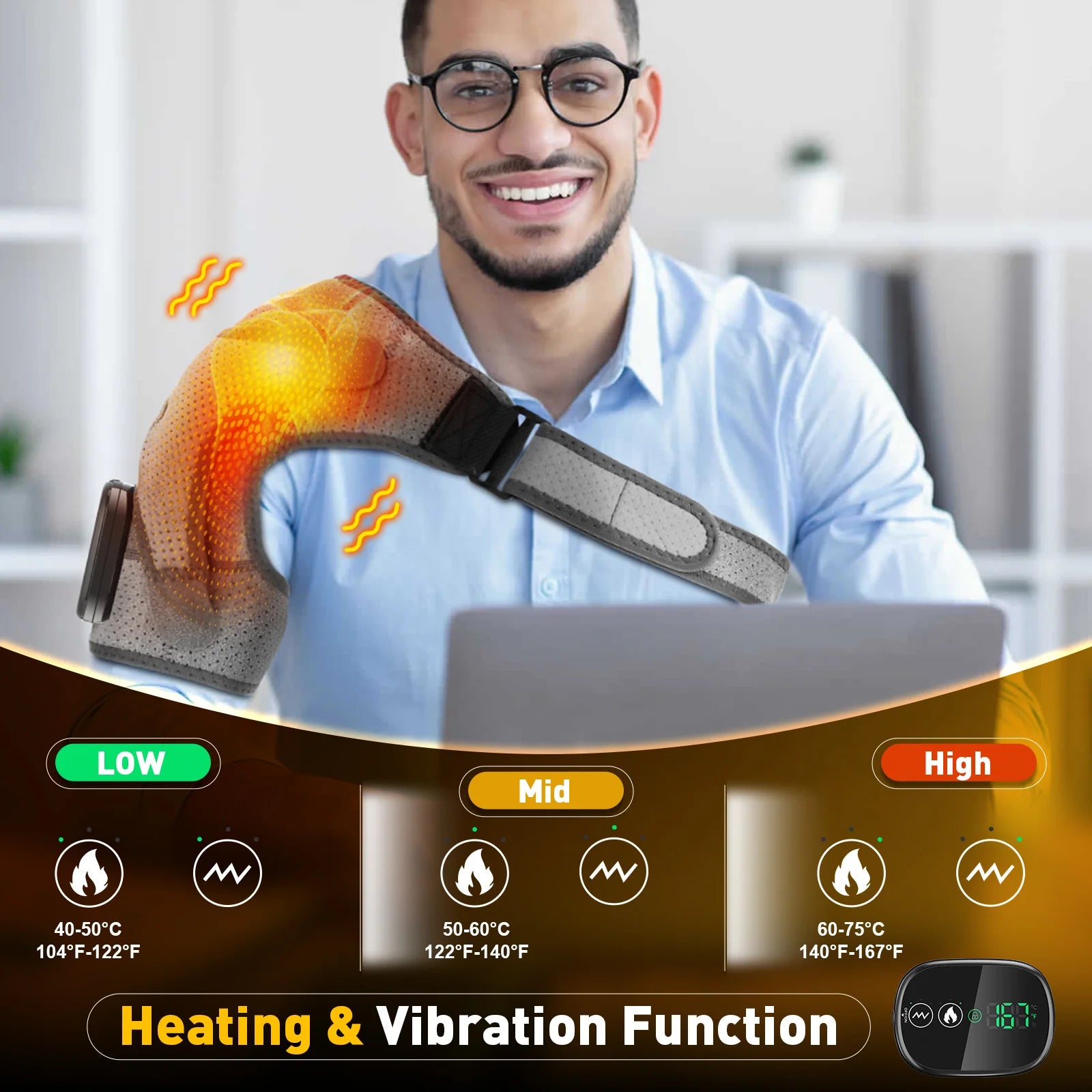
Heat therapy vs vibration—feel the difference. See it in action.
Massage Gun vs Foam Roller vs Massage Therapy
Key Differences
| Recovery Tool | Best For | Limitations |
|---|---|---|
| Massage Gun | Targeted muscle recovery, temporary pain relief, improved mobility | Requires proper technique and should not be used over injuries. |
| Foam Roller | Large muscle groups, self-myofascial release | Less precise and may be uncomfortable for beginners. |
| Heat Therapy | Relaxation, mild muscle tightness, pre-treatment comfort | Does not provide deep mechanical stimulation. |
| Professional Massage | Comprehensive soft tissue treatment | Higher cost and requires appointments. |
Pros and Limitations
Massage guns offer convenience, portability, and precise treatment for specific muscles. Foam rollers are excellent for larger muscle groups and full-body recovery, while professional massage provides individualized care for complex muscle issues. Heat therapy is best suited for comfort and relaxation rather than deep tissue recovery.
Which Recovery Tool Fits Your Goal?
If your priority is post-workout recovery, improved mobility, or relieving localized muscle tightness, a massage gun is often the most practical choice. For broad muscle release, a foam roller remains effective, while heat therapy is ideal for relaxing tense muscles before or after daily activities. Many people benefit most from combining these recovery tools rather than relying on only one method.
Benefits by Use Case
Post-Workout Recovery
After strength training, running, or high-intensity exercise, a massage gun can help reduce muscle tightness and make recovery more comfortable. Brief treatments on major muscle groups such as the quadriceps, hamstrings, calves, glutes, and shoulders may lessen post-exercise soreness while supporting normal mobility between training sessions.
Chronic Muscle Tightness
People who experience recurring muscle tension from repetitive activities, long commutes, or physically demanding jobs often use massage guns to relieve localized tightness. Regular sessions may help muscles feel more relaxed and improve comfort during everyday movement, although persistent pain should be evaluated by a healthcare professional.
Desk Workers and Neck Tension
Hours spent sitting at a computer can contribute to tight muscles around the neck, shoulders, upper back, and hips. A handheld massage gun can temporarily ease muscular stiffness in these areas when used with light pressure and appropriate speed settings. Combining percussion therapy with regular stretching and improved workstation ergonomics often produces better long-term results.
Active Older Adults
Older adults who remain physically active may benefit from gentle percussion therapy to reduce feelings of stiffness before walking, recreational sports, or light exercise. Lower intensity settings are generally recommended, and anyone with osteoporosis, recent surgery, or chronic medical conditions should seek medical advice before use.
How to Use a Massage Gun Safely and Effectively
Before vs After Exercise
Before exercise, use a massage gun for 15 to 30 seconds on each target muscle to promote mobility and prepare the body for movement. After exercise, extend treatment to approximately 30 to 60 seconds per muscle group to reduce tightness and encourage recovery.
Treatment Duration and Frequency
Most people achieve good results with short sessions lasting 5 to 10 minutes in total. Treat each muscle group for no more than one to two minutes, and allow muscles to recover between sessions if tenderness develops. Daily use is generally appropriate when applied correctly and without excessive pressure.
Pressure and Speed Settings
Allow the massage gun to glide slowly across the muscle instead of pressing forcefully into the tissue. Start with a low or medium speed and increase intensity only if it remains comfortable. Higher settings are typically better suited for larger muscle groups, while smaller or sensitive areas respond well to lighter percussion.
Body Areas to Avoid
Do not use a massage gun directly over bones, joints, the front of the neck, the spine, varicose veins, open wounds, bruises, or swollen tissues. Extra caution should also be used around nerves and areas with reduced sensation.
Common Mistakes
- Applying excessive pressure instead of letting the device do the work.
- Holding the massage head on one spot for too long.
- Using high speeds on sensitive muscles without gradually increasing intensity.
- Treating painful injuries rather than muscular tightness.
- Ignoring persistent pain, numbness, or swelling that requires medical evaluation.
Are Massage Guns Safe? Risks and Who Should Avoid Them
Massage guns are generally considered safe for healthy adults when used according to the manufacturer's instructions. Proper technique, moderate treatment times, and avoiding vulnerable body areas help minimize the risk of discomfort or minor bruising.
Potential Side Effects
Most side effects are mild and temporary. Some users experience muscle tenderness, skin redness, or slight soreness after treatment, particularly when using excessive pressure or high speeds. Reducing intensity usually resolves these issues.
Medical Conditions Requiring Caution
Consult a healthcare professional before using a massage gun if you have:
- Recent fractures, sprains, or muscle tears.
- Deep vein thrombosis or significant circulation disorders.
- Osteoporosis or fragile bones.
- Bleeding disorders or use blood-thinning medications.
- Neurological conditions affecting sensation.
- Recent surgery or implanted medical devices near the treatment area.
When to Consult a Healthcare Professional
Stop using the massage gun and seek medical advice if you experience severe pain, persistent swelling, numbness, weakness, or symptoms that do not improve with rest. Massage guns are designed to support muscle recovery and should not replace professional evaluation for injuries or ongoing musculoskeletal conditions.
Learn how targeted heat fits into daily life
How to Choose the Best Massage Gun for Sore Muscles
The best massage gun for sore muscles should match your activity level, treatment goals, and budget. Rather than focusing only on the highest speed, compare features that affect comfort, effectiveness, and long-term usability.
Power and Amplitude
Motor power determines how consistently the massage head maintains its speed under pressure, while amplitude refers to how far the head travels with each percussion. Larger amplitudes generally provide deeper muscle stimulation, making them suitable for larger muscle groups such as the glutes, quadriceps, and hamstrings. Lower-amplitude models are often sufficient for everyday recovery and smaller muscle groups.
Attachments
Different attachment heads allow you to customize treatment for specific muscles.
- Ball head: General use on large muscle groups.
- Flat head: Broad, even pressure for larger areas.
- Bullet head: Targets small trigger points and localized tightness.
- Fork head: Designed for muscles alongside the spine and Achilles tendon without applying pressure directly to bone.
Noise and Battery Life
A quiet motor makes the device more comfortable to use at home, in the office, or while traveling. If you plan to use a battery massager for muscle recovery several times each week, look for a model with long battery life, reliable charging, and multiple speed settings to accommodate different recovery needs.
Portability
If you frequently travel or exercise outside the home, lightweight and compact massage guns are easier to carry and store. Many mini portable massager benefits include convenient one-handed operation, reduced weight, and enough power for routine muscle maintenance without sacrificing portability.
Ultimately, the best massage gun is one that you will use consistently, offers comfortable speed settings, and fits your recovery routine.
Frequently Asked Questions
Are massage guns safe for daily use?
Yes. Healthy adults can generally use massage guns daily if treatments are brief, moderate in intensity, and limited to healthy muscle tissue. Avoid prolonged use on the same area and discontinue use if significant pain develops.
Do massage guns help sore muscles instantly?
Many people notice immediate improvements in muscle tightness and comfort after treatment. However, recovery from strenuous exercise still depends on adequate rest, nutrition, hydration, and overall training load.
Can a massage gun replace stretching?
No. Massage guns and stretching serve different purposes. Percussion therapy helps relax muscles temporarily, while stretching improves flexibility and joint mobility over time. Combining both techniques often produces the best results.
How long should you use a massage gun?
Most experts recommend spending about 30 to 60 seconds on each muscle group, with total treatment sessions lasting approximately 5 to 10 minutes depending on the number of areas being treated.
Who should not use a massage gun?
People with recent fractures, severe osteoporosis, blood clotting disorders, acute injuries, open wounds, or certain medical conditions should consult a healthcare professional before using percussion therapy.
Is a digital heat gun better than a massage gun?
Neither option is universally better—they serve different purposes. Massage guns are typically more effective for improving mobility and easing muscle tightness after activity, while digital heat therapy is often preferred for relaxation, mild muscle tension, and soothing everyday discomfort.
Related Guide: Heated Shoulder and Neck Massager: Features That Transform Relief
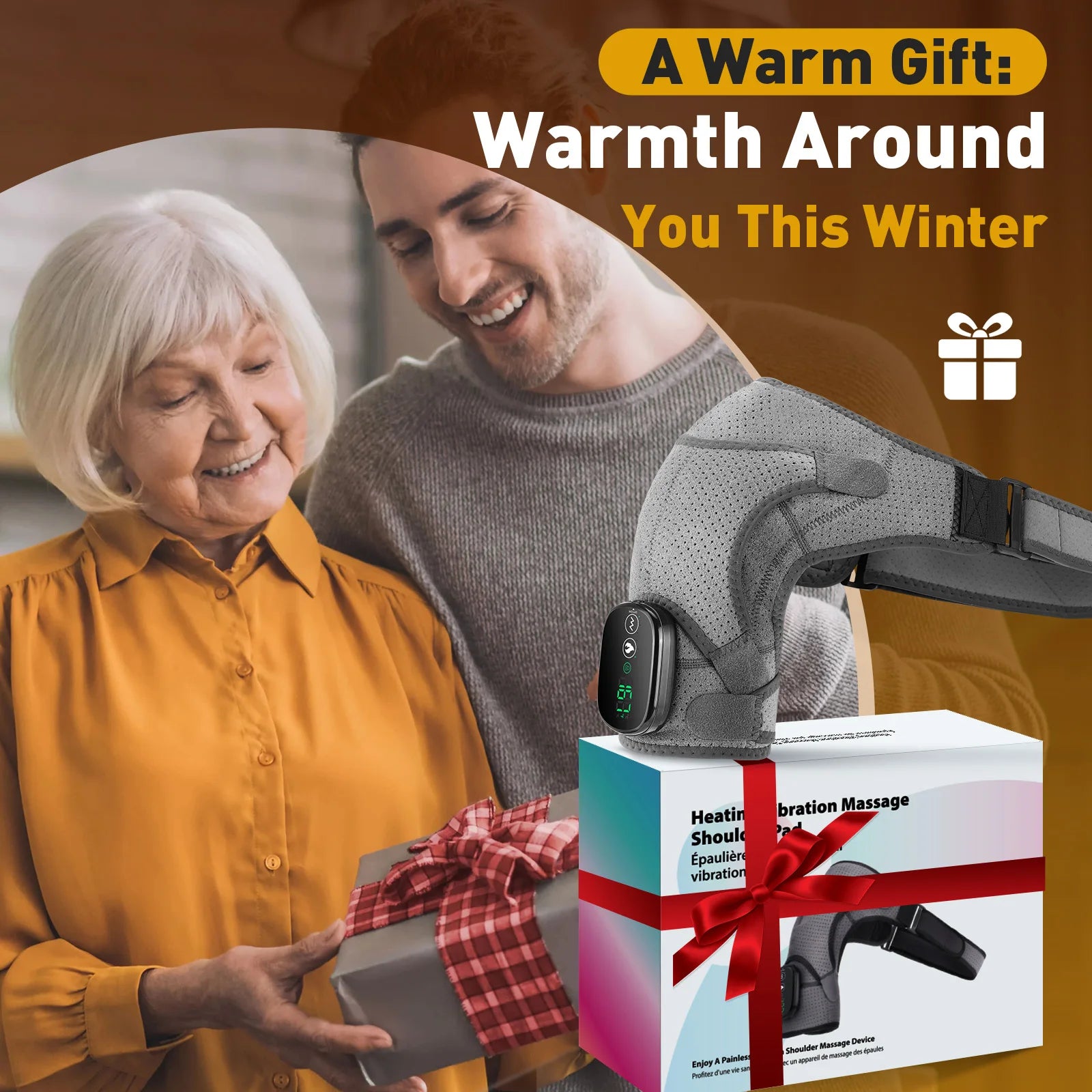
Compact comfort for everyday recovery. See it in action.
Get yours now — limited stock!
Conclusion: Is a Massage Gun Worth It?
For most healthy adults, a massage gun is a practical recovery tool that can support muscle comfort, improve short-term mobility, and reduce the perception of post-exercise soreness when used correctly. Current evidence suggests the greatest massage gun benefits include temporary pain relief, improved range of motion, and enhanced recovery as part of a well-rounded fitness or self-care routine.
It's important to maintain realistic expectations. Massage guns are not a cure for injuries or chronic musculoskeletal conditions, and they should not replace proper rehabilitation, stretching, strength training, or medical care when needed. Instead, they work best as a complementary recovery method alongside healthy lifestyle habits.
Whether you're an athlete recovering from demanding workouts, an office worker managing neck and shoulder tension, or an active adult looking to stay mobile, choosing the right massage gun and using it safely can make daily recovery more effective and convenient. Combined with appropriate heat therapy, mobility exercises, and adequate rest, percussion therapy can be a valuable part of a long-term muscle recovery strategy.













