

Does Hair Steaming Damage Hair or Scalp? (Quick Answer)
Hair steaming is not inherently damaging, but it can harm your hair and scalp when used incorrectly. The main disadvantages of hair steaming include moisture overload, cuticle weakening, scalp sensitivity, and increased breakage—especially in fine, low porosity, or already damaged hair.
Steam works by lifting the hair cuticle and increasing moisture absorption. However, excessive heat, long sessions, or frequent use can overstress the hair structure, leading to softness without strength, frizz, and long-term damage.
Disadvantages of Hair Steaming: Risks, Side Effects, and Who Should Avoid It
⏱ 6 min read
Hair steaming sounds luxurious—warm mist, deep moisture, spa-like results. But if your strands are fine or your scalp reacts easily, you may have noticed something off: limp volume, frizz that won’t quit, or hair that feels weaker over time. Are these signs that steaming isn’t as gentle as it seems?
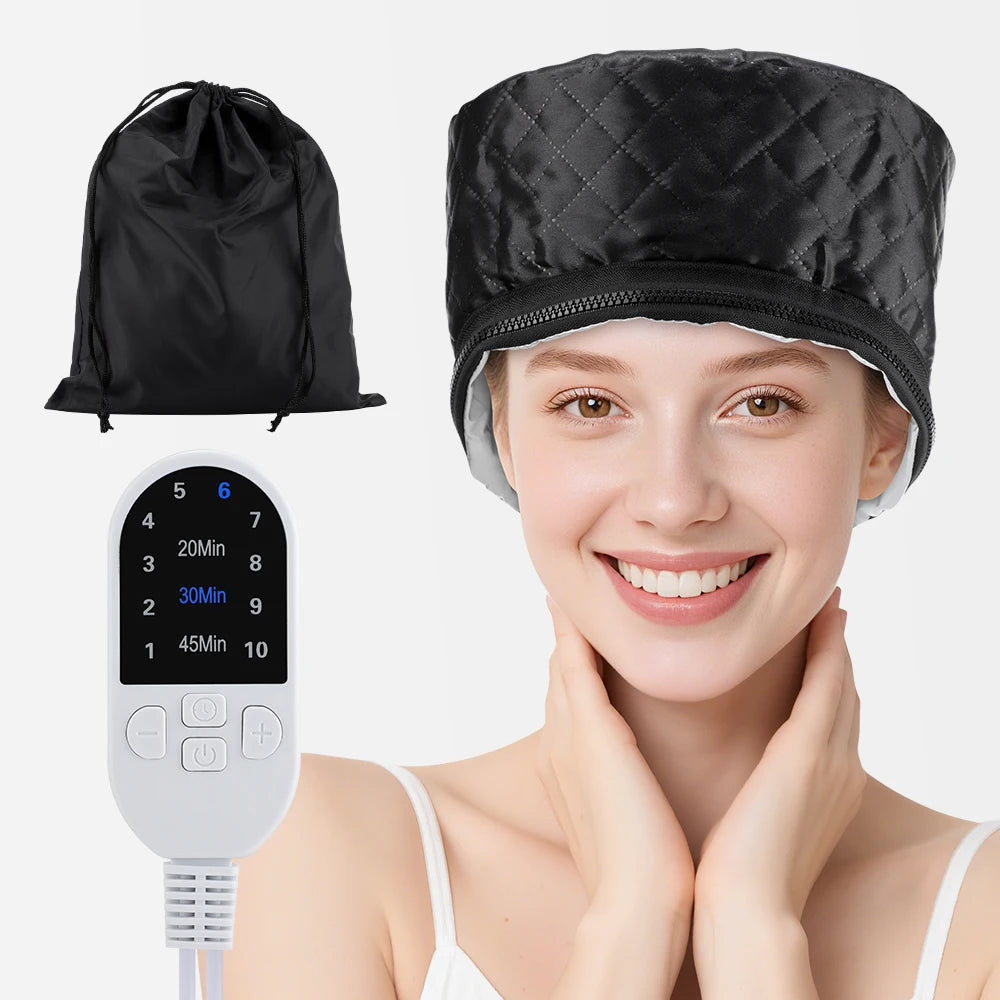
Fine strands often reveal the disadvantages of hair steaming faster — 💡 See it in action
What Hair Steaming Actually Does to Your Hair Structure
Hair steaming exposes your hair to warm, moist heat, which temporarily lifts the cuticle layer. This allows water and conditioning ingredients to penetrate deeper into the hair shaft.
While this can improve hydration, it also makes hair more vulnerable. A repeatedly lifted cuticle can lose its ability to close properly, leading to increased porosity, reduced strength, and higher risk of breakage.
This is why the effects of steaming depend heavily on how often, how long, and on what hair type it is used.
When Hair Steaming Becomes Harmful (Most Common Mistakes)
Over-steaming and moisture overload
Too much steam can cause hygral fatigue, where hair repeatedly swells and contracts. This weakens the internal structure and makes hair feel overly soft, stretchy, and prone to breakage.
Excess heat exposure and cuticle fatigue
Frequent heat exposure keeps the cuticle lifted too long, preventing proper sealing. Over time, this leads to frizz, dullness, and rough texture.
Incorrect frequency and duration
Steaming more than 1–2 times per week or exceeding 20–30 minutes per session increases the risk of structural damage rather than improving hair health.
Using steam on already damaged hair
Hair that is bleached, chemically treated, or weakened may not tolerate steam well. Instead of improving moisture, it can worsen breakage and elasticity issues.
Why Fine, Low Porosity, or Sensitive Hair Reacts Differently
Not all hair types respond to steam the same way. Fine hair, low porosity hair, and sensitive scalps are more prone to negative side effects.
Fine hair has less structural strength, so it weakens faster when over-moisturized. Low porosity hair resists moisture, meaning steam must be carefully controlled to avoid buildup without real absorption. Sensitive scalps may react with irritation or discomfort.
This explains why steaming that benefits thick hair can quietly damage more delicate hair types.
Does Heat Open Hair Cuticle in Harmful Ways?
Heat opens the hair cuticle to allow moisture in, but excessive or repeated opening weakens the strand’s natural defense. Over time, this leads to rough texture, dullness, and breakage.
| Effect | Thick Hair | Fine Hair |
|---|---|---|
| Cuticle opening | Moderate | Excessive |
| Moisture retention | Longer-lasting | Short-lived |
| Breakage risk | Low | Higher |
Once cuticles stay lifted too often, hair loses smoothness, shine, and strength.
Does Infrared or Steam Heat Cause Long-Term Damage?
Infrared and steam heat are often considered gentler than direct styling heat, but they can still cause damage over time if misused.
The key issue is cumulative exposure. Even low-temperature heat can weaken hair when applied repeatedly without recovery time. This leads to gradual cuticle damage, reduced elasticity, and increased porosity.
The risk comes from frequency and duration—not a single session.
Hair Steaming Side Effects by Hair & Scalp Type
Fine or thinning hair
More prone to limpness, breakage, and over-softening due to lower structural strength.
Low porosity hair
May experience product buildup without effective absorption, leading to heaviness and dullness.
Chemically treated or damaged hair
Higher risk of elasticity loss and breakage because the internal structure is already compromised.
Sensitive or irritated scalp
Steam can trigger redness, itching, or discomfort, especially with prolonged exposure.
Common Hair Steaming Risks (Explained with Causes + Prevention)
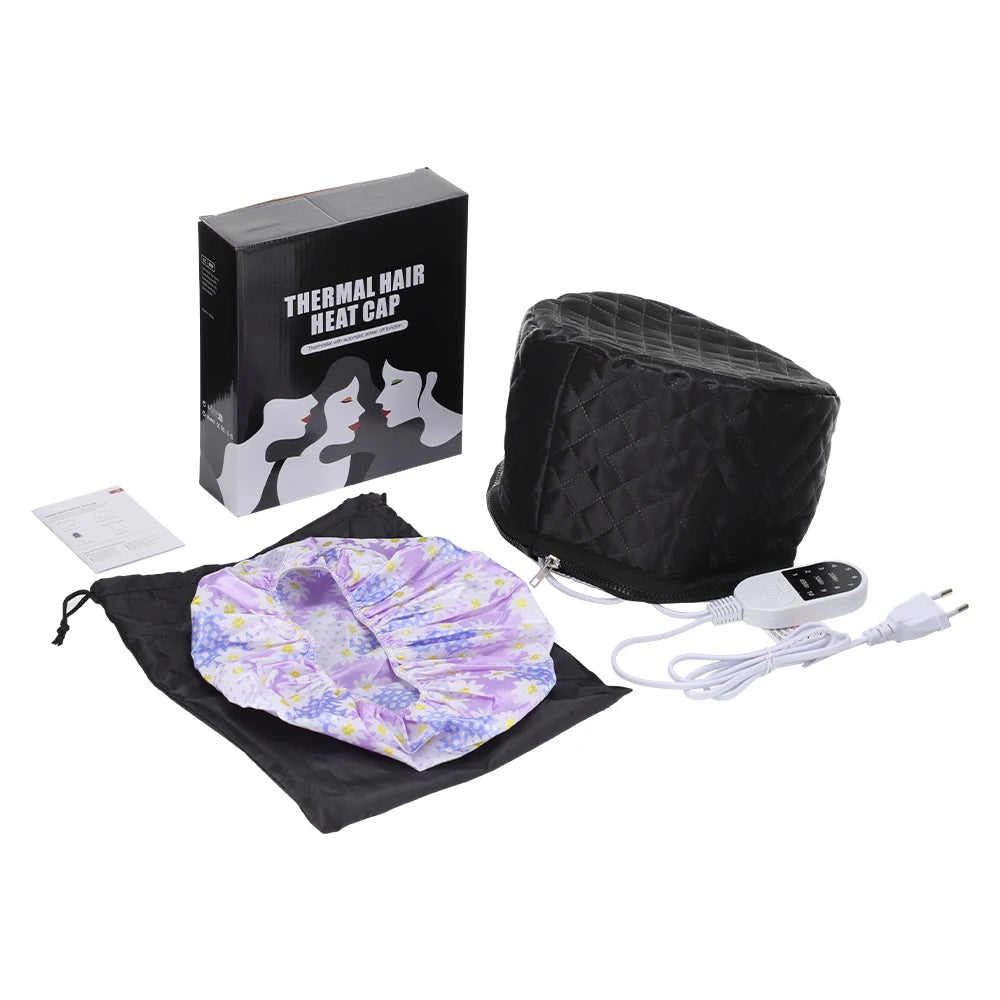
Moisture overload is one of the most overlooked hair steaming risks — 💡 See it in action
- Moisture overload: Caused by excessive steaming → Limit sessions and balance with protein treatments.
- Cuticle damage: From prolonged heat exposure → Keep sessions under 20 minutes.
- Breakage: Due to weakened structure → Avoid steaming fragile or damaged hair.
- Scalp irritation: From heat sensitivity → Reduce temperature and duration.
- Frizz and dullness: From raised cuticles → Seal hair with cool water or leave-in products after steaming.
Pros and Cons of Hair Steaming
- Pros: Improves moisture absorption, enhances deep conditioning, softens hair, and supports scalp hydration.
- Cons: Can cause over-moisturizing, weaken hair structure, irritate the scalp, and increase breakage if overused.
The key is moderation—hair steaming is beneficial when used correctly, but harmful when overdone.
How a Hair Protection Cap Helps Minimize Damage
A hair protection cap acts as a buffer, controlling heat distribution and preventing direct exposure. Instead of blasting strands with uncontrolled steam, the cap traps warmth evenly—reducing cuticle shock and moisture overload.
Key benefits for fine or sensitive hair
- More even heat exposure
- Reduced scalp irritation
- Better moisture balance
- Lower risk of over-steaming
Many users find that pairing steam sessions with a controlled solution like a hair steamer cap helps maintain softness without sacrificing strength.
For more gentle tools designed with hair health in mind, explore Hair Care and Styling Devices.
Who Should Avoid or Limit Hair Steaming?
Hair steaming is not suitable for everyone. You should limit or avoid it if you have:
- Very fine or fragile hair prone to breakage
- Low porosity hair that resists moisture absorption
- A sensitive or irritated scalp
- Recently bleached or chemically damaged hair
- Hair that already feels overly soft or weak
In these cases, alternative methods like controlled deep conditioning without heat may be safer.
How to Steam Hair Safely (Without Causing Damage)
Safe frequency guidelines
Limit steaming to once a week or less, depending on your hair type.
Ideal duration and temperature
Keep sessions between 10–20 minutes and avoid excessive heat.
Signs you’re over-steaming
Watch for overly soft, limp, or stretchy hair—these indicate moisture overload and structural weakness.
Hair Steaming vs Deep Conditioning Without Steam
Hair steaming enhances product penetration, but it is not always necessary. Deep conditioning without steam can still provide hydration without the risk of heat-related damage.
For sensitive, fine, or damaged hair, non-heat methods are often safer and more sustainable long term.
Educational guides and gentle-care insights are available in the Beauty & Self-Care Blog and Hair, Skin & Nai Blog.
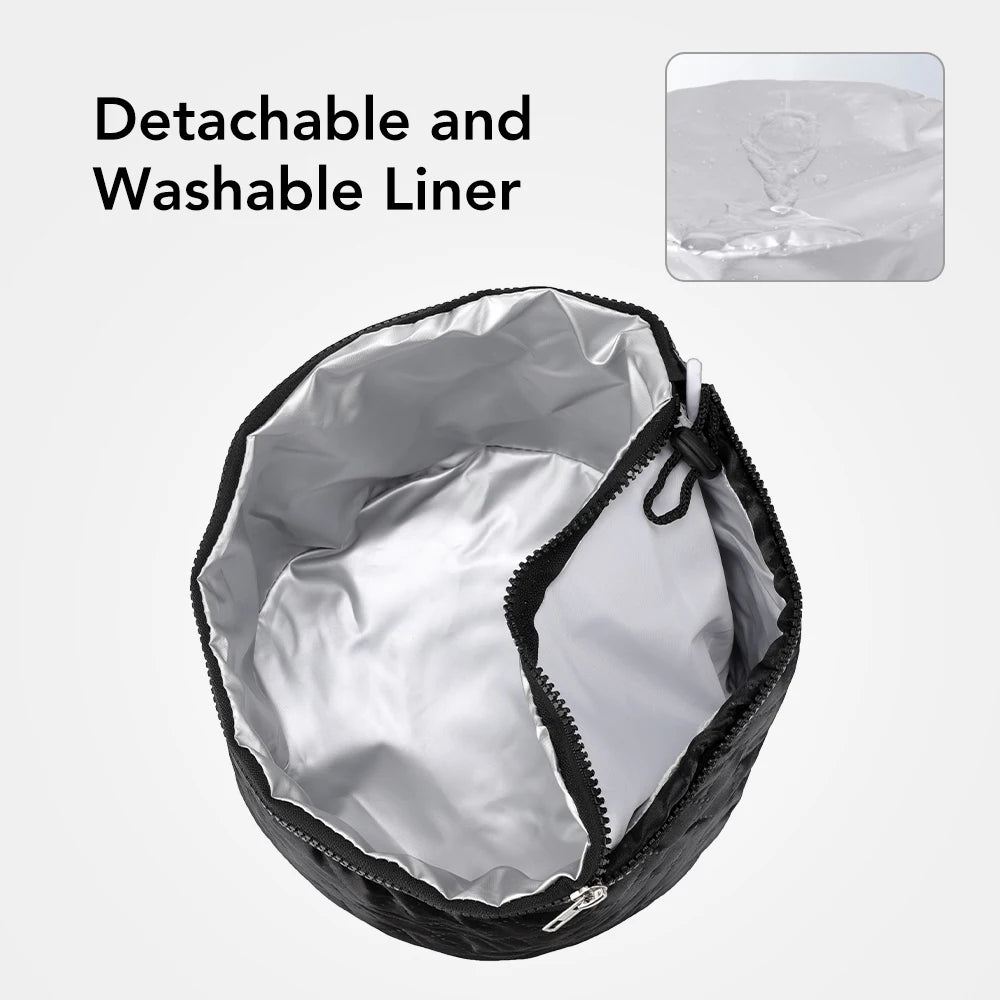
Protection-first routines help avoid the disadvantages of hair steaming — 💡 See it in action
Quick FAQs About Hair Steaming Risks
Is steam bad for hair long-term?
It can be if used too frequently or for too long, leading to weakened hair structure.
Can hair steaming damage the scalp?
Yes, especially for sensitive scalps, causing irritation or redness.
How often is too often to steam hair?
More than once or twice per week is generally excessive for most hair types.
Is a hair steamer cap safe?
It can be safe if used correctly, but overheating or prolonged use increases risk.
Does steam help or weaken hair?
It helps in moderation but weakens hair when overused.
Related Guide: Hair Steamer for Home Use by Hair Type and Concern













