

Do Diesel Heaters Produce Carbon Monoxide? Full Safety Guide
Quick Answer: Does a Diesel Heater Produce Carbon Monoxide?
The Short Answer
Yes. A diesel heater produces carbon monoxide (CO) as a natural byproduct of fuel combustion. However, in a properly installed and well-maintained sealed-combustion diesel heater, the combustion process is isolated from the living area, and exhaust gases—including carbon monoxide—are safely vented outdoors. Under normal operating conditions, indoor air should remain free from combustion gases.
Why Properly Installed Diesel Heaters Are Different
If you've searched does a diesel heater produce carbon monoxide , does diesel heater produce carbon monoxide , or do diesel heaters produce carbon monoxide , the answer depends on the heater's design and installation. Modern indirect-fired diesel heaters separate combustion air from the air you breathe inside your vehicle, cabin, or workshop. This guide explains how sealed combustion works, when diesel heater carbon monoxide risks can occur, and the practical steps that help keep operation safe.
⏱ 9 min read
Discover how modern designs separate heat from exhaust and why so many off-grid users trust them daily.
Which heating option keeps your living space warm without compromising indoor air quality? Understanding how diesel heaters manage combustion and exhaust is the key.

Diesel heater explained visually — sealed combustion design. See it in action.
How Diesel Heaters Work
A diesel heater is a compact heating appliance that burns diesel fuel inside a sealed combustion chamber while keeping combustion gases completely separate from the indoor air. Instead of exposing occupants to an open flame, the heater transfers warmth through a heat exchanger, making this design a popular choice for RVs, camper vans, boats, workshops, and off-grid cabins.
During operation, outside air is drawn into the combustion chamber, where diesel fuel is ignited by a glow plug. The resulting hot gases pass through the heat exchanger before exiting through a dedicated exhaust pipe outside the vehicle or building. At the same time, a separate fan circulates indoor air across the outside of the heat exchanger, warming the space without allowing diesel and carbon monoxide emissions to mix with breathable air.
Key Components Inside a Diesel Heater
- Sealed combustion chamber that isolates the flame from indoor air.
- Glow plug ignition system for reliable cold-weather starts.
- Fuel metering pump that delivers precise amounts of diesel.
- High-efficiency heat exchanger that transfers heat safely.
- Dedicated exhaust outlet and fresh-air combustion intake.
Sealed Combustion Explained
The most important diesel heater safety feature is its sealed-combustion design. Combustion air enters from outside, fuel burns within a closed chamber, and exhaust gases leave through a separate external pipe. Because the heating air and combustion gases travel through completely different pathways, carbon monoxide diesel emissions should remain outside the occupied space when the system is installed and maintained correctly.
This separation is what distinguishes quality diesel heaters from open-flame or unvented heating appliances, which release combustion byproducts directly into the room.
Direct-Fired vs Indirect-Fired Diesel Heaters
Not every diesel heater offers the same level of protection. Understanding the difference between direct-fired and indirect-fired designs helps explain why carbon monoxide risks vary.
- Direct-fired diesel heaters: Heat is produced alongside combustion gases, and some exhaust may enter the heated space. These models are generally intended for well-ventilated industrial or construction environments rather than occupied living areas.
- Indirect-fired diesel heaters: A sealed combustion chamber and external exhaust system keep combustion gases separate from indoor air, making them the preferred option for enclosed spaces such as RVs, camper vans, boats, and cabins.
For anyone concerned about diesel heater safety, an indirect-fired sealed-combustion heater is the recommended choice because it is specifically designed to keep carbon monoxide outside the living area.
Carbon Monoxide Risks from Diesel Heaters
Carbon monoxide is a normal byproduct whenever diesel fuel burns, but the presence of CO does not automatically mean occupants are exposed to it. In a correctly functioning indirect-fired diesel heater, exhaust gases are safely discharged outdoors. Carbon monoxide becomes a concern only when the combustion system or exhaust pathway is compromised.
When Carbon Monoxide Becomes a Risk
- Improperly routed or poorly sealed exhaust systems.
- Cracked, corroded, or loose exhaust components that allow leaks.
- Blocked combustion air intake or restricted exhaust flow that disrupts efficient combustion.
- Poor-quality, damaged, or counterfeit heaters that lack reliable safety engineering.
Real-World Exposure Scenarios
- A camper van parked inside an enclosed garage where exhaust gases accumulate.
- A cabin heater with a damaged exhaust pipe allowing carbon monoxide to leak before reaching the outdoor vent.
- A portable diesel heater operated in a tent or enclosed shelter without a properly installed sealed exhaust system.
Built-In Diesel Heater Safety Features
Quality diesel heaters incorporate several safety mechanisms that work together to reduce the risk of carbon monoxide exposure, overheating, and unsafe operation. While no fuel-burning appliance is entirely risk-free, these features help maintain safe performance when the heater is installed and maintained according to the manufacturer's recommendations.
Core Safety Systems
- Automatic flame-out protection: Shuts off the fuel supply if the flame is extinguished unexpectedly.
- Overheat protection sensors: Monitor internal temperatures and stop operation before components exceed safe limits.
- Sealed combustion housing: Keeps combustion gases isolated from the heated living space.
- External exhaust-only venting: Directs carbon monoxide and other exhaust gases safely outside.
Together, these systems form the foundation of effective diesel heater safety, but they should always be supported by proper installation, regular inspection, and the use of a functioning carbon monoxide detector.
Learn how advanced diesel heater safety systems protect you even while you sleep.
Installation Quality Matters
Even a premium diesel heater can become hazardous if it is installed incorrectly. Proper installation ensures combustion air, heated air, and exhaust gases follow their intended paths, preventing carbon monoxide from entering the occupied space.
Installation Best Practices
- Route the exhaust outlet completely outside the vehicle or building and position it away from windows, doors, vents, and fresh-air intakes.
- Use high-temperature, corrosion-resistant exhaust tubing and approved mounting hardware.
- Inspect and tighten all exhaust and intake connections to eliminate leaks.
- Install a carbon monoxide detector near the sleeping or living area, following the detector manufacturer's placement recommendations.
After installation, perform a complete inspection during the first few operating cycles to verify there are no unusual odors, loose fittings, or exhaust leaks.
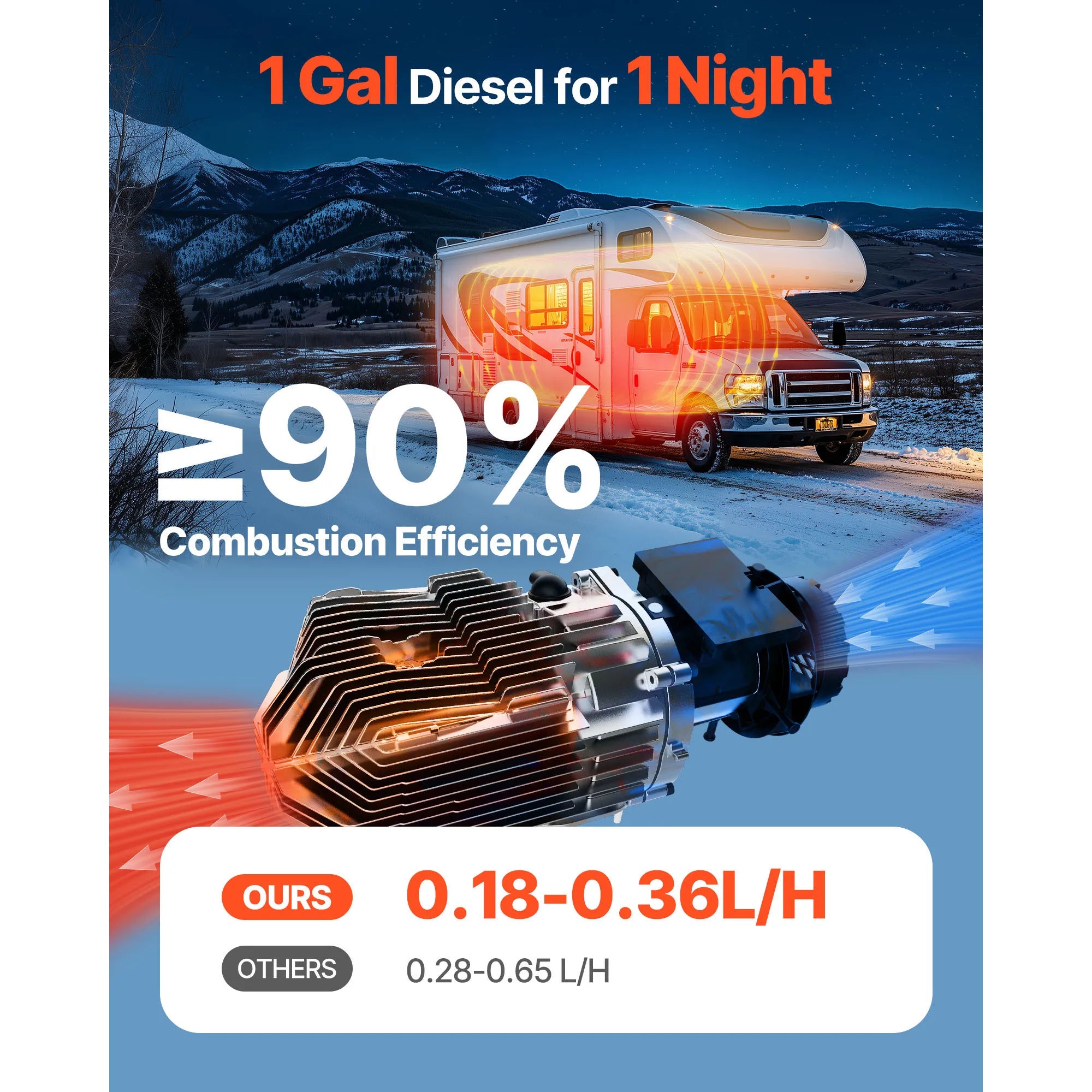
Proper exhaust routing reduces carbon monoxide risk. See it in action.
Diesel Heater Safety Checklist
Following a consistent inspection routine helps identify small issues before they become serious safety hazards. The checklist below supports reliable heater performance throughout the heating season.
Before Every Trip
- Verify the sealed combustion chamber and housing show no signs of visible damage.
- Inspect the exhaust pipe for cracks, corrosion, loose clamps, or leaks.
- Confirm the combustion air intake is clean and free from snow, mud, leaves, or debris.
- Check that the exhaust outlet remains unobstructed.
- Test the carbon monoxide detector and confirm batteries are fully charged or recently replaced.
- Ensure diesel fuel lines and fittings are secure with no evidence of leaks.
- Use only indirect-fired diesel heaters for enclosed living spaces.
Monthly Maintenance Checklist
- Inspect all mounting hardware for vibration-related loosening.
- Clean the air intake and inspect the exhaust system for soot buildup.
- Verify the fuel metering pump and fuel lines are operating correctly.
- Check electrical connections, wiring, and fuses for signs of wear.
- Run the heater at full operating temperature periodically to help reduce carbon deposits where recommended by the manufacturer.
- Keep diesel fuel stored safely in approved containers away from heat sources.
- Schedule professional servicing if you notice excessive smoke, repeated shutdowns, unusual noises, or recurring fault codes.
Diesel Heater Pros and Cons
For many RV owners, van lifers, boat owners, and off-grid homeowners, the answer to are diesel heaters safe depends on choosing the right heater and installing it correctly. Modern sealed-combustion diesel heaters offer an excellent balance of efficiency, comfort, and safety, but they also require responsible installation and routine maintenance.
| Pros | Cons |
|---|---|
| Sealed combustion helps keep carbon monoxide and exhaust gases outside the living space. | Professional or careful DIY installation is essential for safe operation. |
| Excellent fuel efficiency with low operating costs over extended use. | Routine inspection and maintenance are required to maintain safe performance. |
| Provides reliable heat in cold weather, making it suitable for winter camping and off-grid use. | Startup installation takes more time than portable electric heaters. |
| Produces dry heat without adding significant moisture to the air. | Requires safe storage and handling of diesel fuel. |
| Well suited for RVs, camper vans, boats, workshops, and cabins when correctly installed. | Not appropriate for enclosed spaces if the exhaust system is damaged or improperly routed. |
Overall, a quality indirect-fired diesel heater is among the most efficient heating options for mobile and off-grid applications. When paired with a properly installed exhaust system, regular maintenance, and a functioning carbon monoxide detector, it provides dependable heat while minimizing indoor air quality risks.
Final Safety Verdict
Does a diesel heater produce carbon monoxide? Yes. Like any appliance that burns fuel, a diesel heater generates carbon monoxide during combustion. The critical difference is that a properly installed indirect-fired diesel heater uses a sealed combustion chamber and dedicated exhaust system to keep carbon monoxide outside the occupied space rather than allowing it to mix with indoor air.
For safe long-term operation, choose a high-quality heater, follow recommended installation practices, inspect the exhaust and intake systems regularly, and never operate a damaged or poorly maintained unit. A properly functioning carbon monoxide detector should always be considered essential safety equipment, even when using a modern sealed-combustion heater.
By combining quality equipment with routine maintenance and sensible operating habits, diesel heaters remain one of the most efficient and dependable heating solutions for RVs, camper vans, boats, workshops, cabins, and other off-grid environments.
Frequently Asked Questions
Can a diesel heater leak carbon monoxide indoors?
Yes, but only if there is a fault such as a damaged exhaust pipe, loose connection, failed seal, or incorrect installation. Regular inspections and prompt repairs greatly reduce the likelihood of carbon monoxide entering the living space.
Do diesel heaters need ventilation?
Indirect-fired diesel heaters draw combustion air from outside and vent exhaust outdoors, so they do not rely on indoor air for combustion. However, the exhaust system must always be correctly installed and unobstructed, and general ventilation within an RV or cabin is still recommended for overall comfort.
Are diesel heaters safer than propane heaters?
Both heating systems can be operated safely when installed and maintained correctly. Many users prefer sealed-combustion diesel heaters because they keep combustion gases outside and typically introduce less moisture into the living space than many propane heating systems.
Is a carbon monoxide detector still necessary?
Absolutely. A carbon monoxide detector provides an additional layer of protection by alerting occupants if carbon monoxide is detected due to an unexpected equipment failure or installation problem. Every enclosed space with a fuel-burning appliance should have a tested, functioning CO detector.
How do I test for carbon monoxide around a diesel heater?
Install a quality digital carbon monoxide detector in the living area and verify it operates correctly before using the heater. Test the detector according to the manufacturer's instructions and monitor readings whenever the heater is first commissioned, serviced, or modified. Any unexpected CO reading requires immediate investigation.
Can a blocked exhaust cause carbon monoxide?
Yes. A blocked exhaust can interfere with proper combustion and prevent exhaust gases from leaving the heater efficiently. Always inspect the exhaust outlet for snow, mud, ice, leaves, or other obstructions before operating the heater.
How often should a diesel heater be serviced?
Inspect the heater before every trip during the heating season and perform a more thorough maintenance check at least once a year, or according to the manufacturer's service schedule. More frequent inspections are recommended for heaters used regularly in harsh environments.
Can I sleep with a diesel heater running?
Many RV and camper owners operate sealed-combustion diesel heaters overnight. This should only be done when the heater has been installed correctly, the exhaust system is in good condition, and a working carbon monoxide detector is installed nearby. If you notice unusual smells, repeated shutdowns, or a CO alarm, turn the heater off immediately and inspect the system before using it again.













