

Does massage help carpal tunnel syndrome?
Does massage help carpal tunnel syndrome? Yes, massage may help relieve symptoms such as wrist pain, stiffness, muscle tightness, and temporary numbness by improving soft tissue mobility and promoting relaxation. However, massage does not correct the underlying compression of the median nerve. For many people, the best results come from combining massage with wrist splints, stretching, activity modification, and other conservative treatments recommended by a healthcare professional.
What current evidence says
Massage for carpal tunnel relief is considered a supportive therapy rather than a cure. Gentle massage of the forearm muscles and wrist may reduce muscle tension, improve comfort during daily activities, and temporarily ease symptoms caused by repetitive hand use. While some people notice improvement after a single session, consistent self-care is generally more effective than occasional treatment.
Can massage cure carpal tunnel syndrome?
No. Massage can help manage symptoms, but it cannot reverse compression of the median nerve inside the carpal tunnel. If numbness, weakness, or loss of grip strength continues despite home care, medical evaluation is important to determine the most appropriate treatment plan.
Does massage help carpal tunnel syndrome? Evidence, benefits, and what to expect
If typing, lifting your baby, cooking, or even holding your phone causes tingling, numbness, or aching in your wrist, you may be wondering whether massage can provide meaningful relief. The answer is yes—for many people, massage can reduce discomfort and improve day-to-day function. The key is understanding what massage can realistically accomplish, when it is most helpful, and how to combine it with other conservative treatments for better long-term symptom management.
⏱ 7 min read
Discover how a rechargeable wrist massager can complement your daily recovery routine with convenient heat and massage therapy at home.
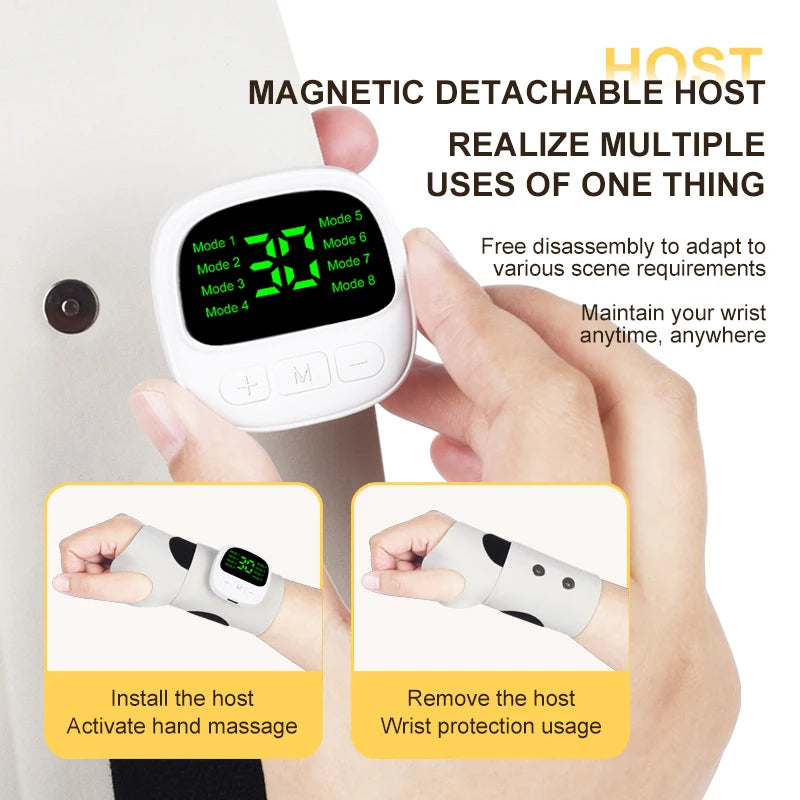
does massage help carpal tunnel syndrome – real relief with a heated wrist massager See it in action
Do wrist massagers help carpal tunnel syndrome?
A wrist massager is not a treatment for the underlying nerve compression, but it can be a useful tool for managing everyday symptoms. Devices that combine gentle compression, heat, and vibration may help reduce muscle tension around the wrist and forearm, making repetitive tasks more comfortable for some users.
Who may benefit
- People with mild or occasional wrist discomfort from repetitive activities
- Office workers, caregivers, and parents performing frequent lifting or gripping
- Individuals looking for a convenient way to complement stretching and rest
- Those who find manual self-massage difficult to perform consistently
Who should avoid them
People with severe numbness, significant hand weakness, recent wrist injuries, or an uncertain diagnosis should consult a healthcare professional before relying on massage devices. A wrist massager should complement—not replace—medical evaluation when symptoms are persistent or worsening.
Explore more recovery tools in Body Care and Health Devices designed for everyday comfort.
Learn how to use a heated wrist massager as part of a daily recovery routine.
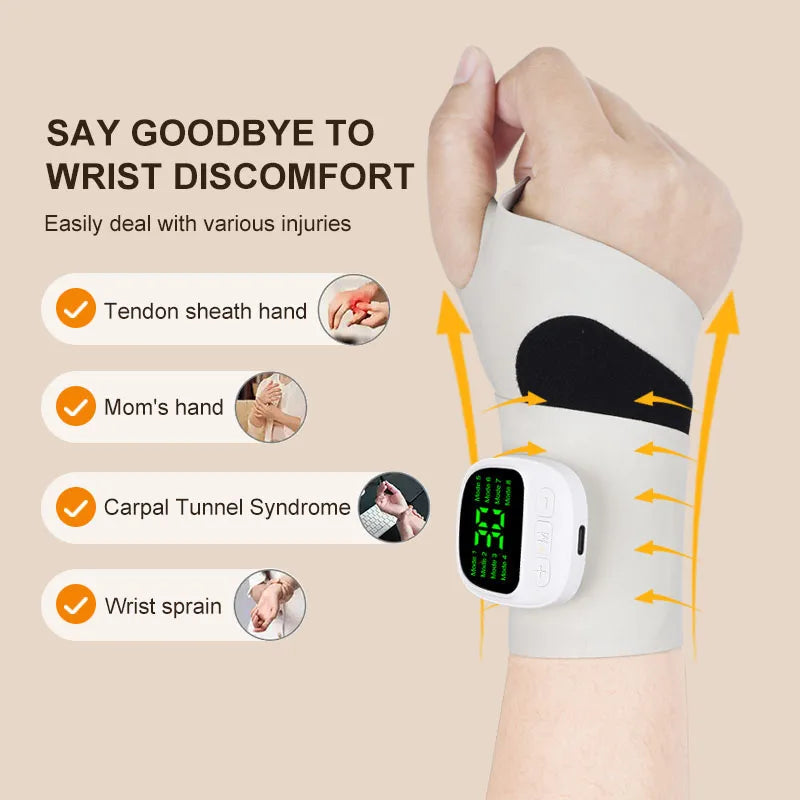
heated wrist massager for carpal tunnel symptom relief during daily home therapy
Heat vs vibration for carpal tunnel: which helps more?
Heat and vibration work differently, and many people benefit from using both together. The right choice depends on your symptoms and comfort level.
Heat therapy
Gentle warmth helps relax tight muscles and may improve flexibility before stretching or after repetitive activities. Heat is often preferred when stiffness or muscle tension is the primary complaint.
Vibration therapy
Low-intensity vibration provides a gentle massage sensation that may help reduce muscle tightness and improve comfort during short treatment sessions. It should never be painful or aggravate symptoms.
When to combine both
| Feature | Heat Therapy | Vibration Therapy |
|---|---|---|
| Primary Benefit | Relaxes muscles and improves comfort | Provides gentle massage stimulation |
| Best For | Stiffness, muscle tension | Muscle tightness, post-activity recovery |
| When to Use | Before stretching or after repetitive work | Short massage sessions during recovery |
| Best Approach | Many users prefer devices that combine both features for a more comfortable recovery routine. | |
How to use a wrist massager for best results
- Position your wrist comfortably inside the device without forcing the joint.
- Select a comfortable heat setting, then add gentle vibration if desired.
- Use the device for approximately 10–15 minutes per session.
- Follow treatment with gentle wrist and forearm stretches.
- Repeat after activities that involve prolonged typing, lifting, or repetitive gripping if symptoms return.
Regular, moderate use is generally more beneficial than occasional long sessions. Stop immediately if massage increases pain, numbness, or tingling instead of improving comfort.
Manual massage vs wrist massager
Comparison table
| Factor | Manual Massage | Wrist Massager |
|---|---|---|
| Consistency | Depends on technique and availability | Delivers a repeatable treatment session |
| Convenience | May require another person or careful self-massage | Easy to use at home or while relaxing |
| Time Required | Typically longer sessions | Usually 10–15 minutes per session |
| Cost | Minimal for self-massage; higher for professional therapy | Higher upfront cost with repeated home use |
| Best Use | Targeted soft tissue work | Convenient daily symptom management |
Choosing the right option
Neither option is universally better. Manual massage allows more targeted treatment of tight forearm muscles, while a wrist massager offers greater convenience and consistency for regular home use. Many people choose to combine both approaches with stretching, ergonomic changes, and appropriate medical care when needed.
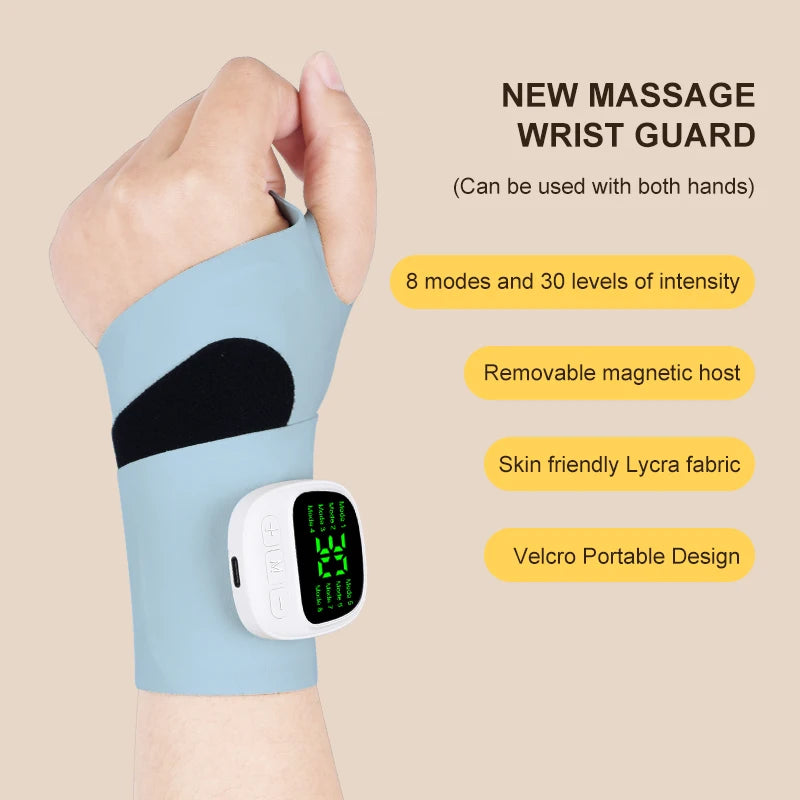
heated wrist massager designed for comfortable daily wrist recovery at home
Is it worth it for long-term relief?
Massage can be a valuable part of a conservative treatment plan for carpal tunnel syndrome, particularly for relieving muscle tension and improving day-to-day comfort. However, long-term symptom management usually requires a combination of strategies, including activity modification, ergonomic improvements, stretching, and medical evaluation if symptoms progress.
- Provides temporary relief from pain and muscle tightness.
- Supports a consistent home recovery routine.
- Works best alongside evidence-based conservative treatments.
For people looking for an easy way to maintain regular self-care, a massage device can make it easier to stay consistent without replacing appropriate medical treatment.
See how a rechargeable wrist massager can complement stretching, rest, and other conservative treatments for everyday wrist comfort.
FAQs
Does massage help carpal tunnel syndrome or only reduce symptoms?
Massage primarily helps manage symptoms such as pain, stiffness, and muscle tension. It does not remove the underlying compression of the median nerve.
Can massage cure carpal tunnel syndrome?
No. Massage is a supportive therapy that may improve comfort and function but should not be considered a cure for carpal tunnel syndrome.
What is the best massage technique for carpal tunnel?
Gentle massage of the forearm muscles, wrist, and palm is generally preferred. Avoid aggressive pressure directly over the carpal tunnel if it increases numbness or pain.
Does a wrist massager help carpal tunnel syndrome?
A wrist massager may help relieve mild symptoms by combining gentle massage with heat or vibration. It is most effective as part of a broader self-care routine rather than a standalone treatment.
Is heat or vibration better for carpal tunnel?
Heat is often preferred for reducing stiffness and muscle tension, while vibration provides a gentle massage effect. Many people find that devices offering both features provide the greatest comfort.
How often should you massage carpal tunnel?
Short sessions of approximately 10–15 minutes once or twice daily are commonly recommended, provided symptoms improve rather than worsen.
When should you stop massage and see a doctor?
Seek medical evaluation if pain becomes severe, numbness is persistent, hand weakness develops, grip strength declines, or massage consistently makes symptoms worse.
Can massage be combined with wrist splints and nerve gliding exercises?
Yes. Massage is commonly used alongside wrist splints, nerve gliding exercises, ergonomic adjustments, and stretching as part of a comprehensive conservative management plan.
Pillar Article: Best portable massager gun reviews and real user results
Other Related Articles:
Explore More:













