

Does vibration therapy work for lasting back relief?
Yes, vibration therapy can help relieve certain types of back discomfort, especially pain linked to muscle tension, stiffness, reduced mobility, and exercise-related soreness. Research suggests that vibration may influence muscle activation, circulation, and pain perception, which can provide temporary symptom relief.
However, vibration therapy is not a guaranteed cure for every type of back pain. It tends to be most useful as a supportive approach for mild to moderate muscular discomfort, while conditions involving nerve compression, spinal damage, or serious injury may require professional evaluation and treatment.
Overall, vibration therapy can be a helpful part of a broader back care routine, but lasting improvement usually depends on addressing contributing factors such as posture, strength, mobility, and daily habits.
⏱ 9 min read
Does Vibration Therapy Work for Back Pain? (Evidence, Benefits & Risks Explained)
Back pain affects millions of people and can make everyday activities harder, from sitting at a desk to exercising or sleeping comfortably. If stretching, heat therapy, or occasional massage has not provided enough relief, you may be asking: does vibration therapy work for back pain, or is it simply another wellness trend?
This guide explains how vibration therapy works, what research says about its effectiveness, who may benefit most, possible risks, and how to use vibration devices safely for better back support.
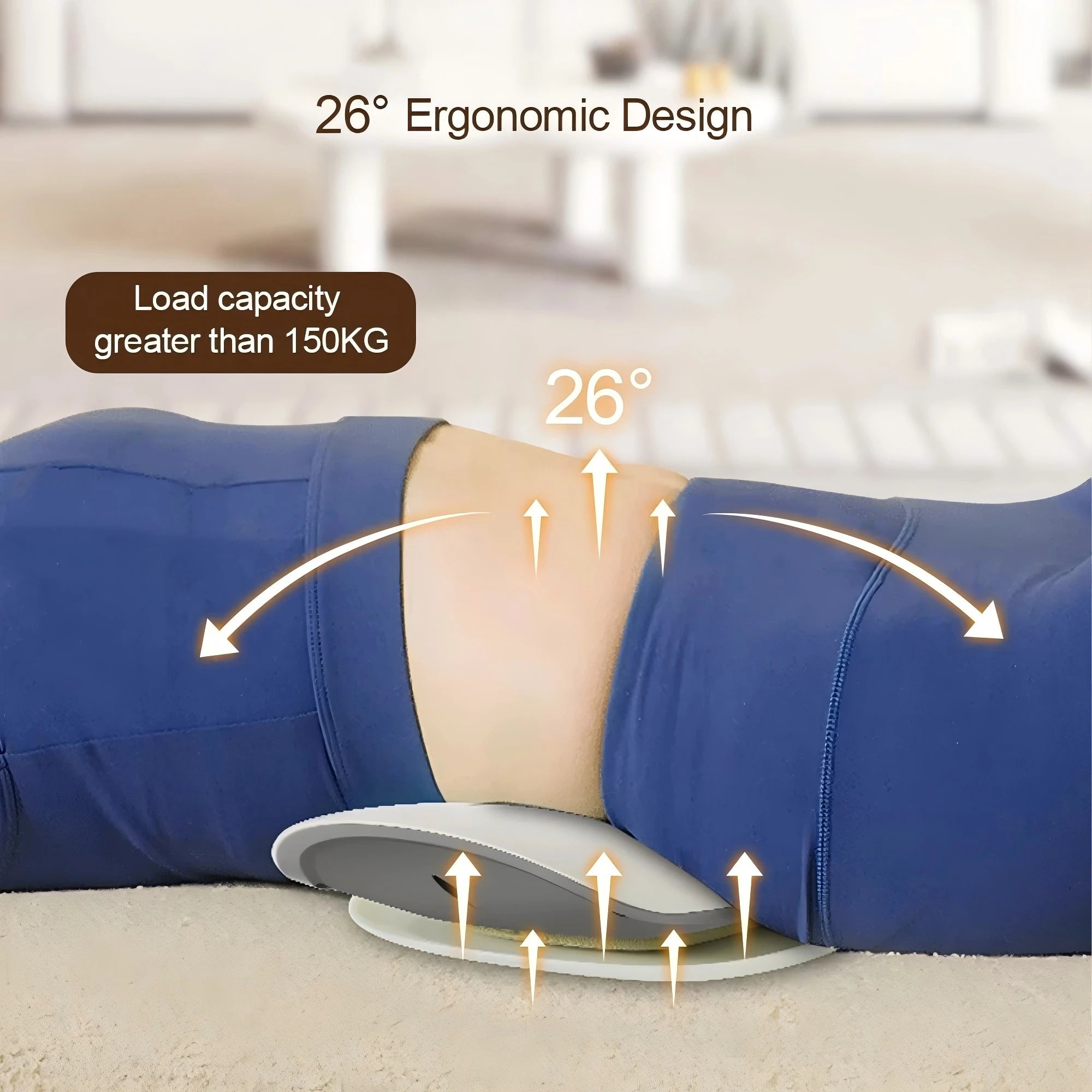
Targeted vibration therapy benefits for everyday back relief See it in action
What Is Vibration Therapy?
Vibration therapy is a treatment approach that uses controlled mechanical vibrations to stimulate muscles, connective tissues, and sensory nerves. These vibrations may help improve muscle response, increase circulation, and influence how the body perceives discomfort.
For people exploring vibration therapy for back pain, there are two main categories: whole-body vibration and localized vibration therapy.
Whole-Body Vibration
Whole-body vibration uses a platform that creates vibrations throughout the body while a person stands, sits, or performs simple movements. These systems are often used in fitness, rehabilitation, and mobility programs to stimulate muscle activity and improve balance.
Because the vibration is distributed through the entire body, whole-body platforms may support overall muscle function but are less targeted for specific areas of back discomfort.
Localized Vibration Therapy
Localized vibration therapy applies vibration directly to specific muscle groups using handheld devices, massage tools, or lumbar-focused equipment.
Lumbar vibration therapy is designed to target the lower back region and may be more practical for people seeking focused relief from muscle tightness, stiffness, or soreness caused by daily activities.
Common home applications include:
- Relaxing tight lower back muscles after prolonged sitting
- Supporting recovery after physical activity
- Improving comfort during mobility routines
- Complementing stretching and strengthening exercises
Does Vibration Therapy Work for Lasting Back Relief?
What Current Evidence Shows
Current research suggests that vibration therapy may provide short-term improvements in pain perception, muscle performance, and flexibility. Some studies involving vibration-based treatments report reduced muscle soreness and improved physical function, particularly when vibration is combined with exercise or rehabilitation programs.
However, evidence for long-term back pain relief remains limited. Most research supports vibration therapy as a complementary approach rather than a replacement for proven treatments such as physical therapy, exercise, or medical care when needed.
Acute vs. Chronic Back Pain
Vibration therapy may work differently depending on the type and duration of back pain:
- Acute muscle discomfort: People with temporary soreness or muscle tightness may notice faster relief because vibration can relax muscles and affect pain signals.
- Chronic back pain: Those with ongoing pain may experience symptom management benefits, but long-term improvement usually requires addressing underlying causes.
The most realistic expectation is that vibration therapy can support comfort, mobility, and recovery rather than permanently eliminate all forms of back pain.
How Vibration Therapy Works for Muscles and Back Pain
Vibration therapy works by creating rapid mechanical movements that interact with muscles, blood vessels, and the nervous system. These effects may explain why some people experience temporary back relief.
Muscle Activation and Reflex Response
Vibration stimulates muscle fibers through a response called the tonic vibration reflex. This causes muscles to contract and relax quickly, which may help reduce stiffness and improve flexibility.
For tight lower back muscles, controlled vibration may encourage relaxation and support easier movement.
Improved Blood Flow and Tissue Recovery
The mechanical stimulation from vibration can increase local circulation. Improved blood flow helps deliver oxygen and nutrients to working tissues, which may support recovery after activity and reduce feelings of stiffness.
Pain Signal Interruption (Neurological Effects)
Vibration may influence how sensory information travels through the nervous system. Similar to other forms of stimulation, it may temporarily reduce the intensity of pain signals reaching the brain.
This effect can explain why some users experience immediate comfort, even though the underlying cause of back pain may still require attention.
Research Findings and Clinical Studies
Systematic Reviews
Research reviews examining vibration therapy suggest potential benefits for muscle performance, flexibility, balance, and pain reduction in certain populations. However, study quality varies, and researchers often note differences in vibration intensity, treatment duration, and participant conditions.
Because studies use different protocols, there is no single vibration therapy method proven to work for every type of back pain.
Clinical Guideline Perspective
Healthcare professionals generally view vibration therapy as a supportive tool rather than a primary treatment for back conditions. Exercise therapy, posture correction, movement training, and individualized rehabilitation remain important components of long-term back care.
The strongest evidence supports using vibration therapy alongside other approaches instead of relying on it alone.
Proven Benefits of Vibration Therapy for Back Pain
- Reduces muscle tension: Vibration may help relax tight muscles caused by prolonged sitting, physical strain, or repetitive movements.
- Supports mobility: Improved muscle relaxation and flexibility may make daily movement easier.
- May reduce perceived pain: Sensory stimulation can temporarily influence pain signals.
- Supports recovery: Increased circulation may help muscles recover after exercise.
- Convenient home use: Portable devices allow targeted sessions without scheduling professional treatments.
These vibration therapy benefits are most noticeable when combined with healthy movement habits, proper posture, and regular exercise.
Limitations and When Vibration Therapy May Not Work
Although vibration therapy can be helpful, it has important limitations. Results depend on the cause of back pain, treatment consistency, and individual response.
- Structural spine problems: Conditions such as severe disc issues or spinal instability may require medical treatment.
- Nerve-related pain: Sciatica and nerve compression may not improve with vibration alone.
- Acute injuries: Recent injuries may require rest and professional guidance before using vibration.
- Temporary effects: Relief may fade if underlying contributors are not addressed.
Understanding these limitations helps create realistic expectations and prevents vibration therapy from replacing necessary medical care.
Is Vibration Therapy Safe for Back Pain? Risks and Side Effects
Vibration therapy is generally considered safe when used properly, but incorrect use or excessive intensity can cause problems.
- Muscle soreness: Too much vibration may create temporary discomfort.
- Symptom aggravation: Using high intensity or placing vibration directly on sensitive areas may worsen pain.
- Unsuitable conditions: Certain injuries, fractures, or serious medical conditions may require avoiding vibration.
Safety tips include:
- Start with the lowest comfortable intensity
- Avoid direct pressure on the spine
- Stop if pain increases during or after use
- Seek medical advice for severe or unexplained back pain
Who Should Use (and Avoid) Vibration Therapy for Back Pain
People Who May Benefit Most
- Office workers with posture-related muscle discomfort
- People experiencing lower back stiffness
- Active adults recovering after workouts
- Individuals looking for additional mobility support
Who Should Avoid or Use Caution
- People with serious spinal injuries
- Individuals with severe nerve-related symptoms
- Those recovering from fractures or major procedures
- Anyone with unexplained or rapidly worsening pain
When symptoms are severe, persistent, or unusual, professional medical guidance is recommended before starting vibration therapy.
Types of Vibration Therapy Devices for Back Relief
Handheld Vibrating Back Massagers
Handheld vibrating back massagers provide targeted stimulation and are useful for specific areas of muscle tension. Their portability makes them convenient for home recovery routines.
Lumbar Vibration Therapy Devices
Lumbar vibration therapy devices are designed specifically for lower back support. They can provide consistent stimulation during daily routines and may be easier to use than handheld tools for some people.
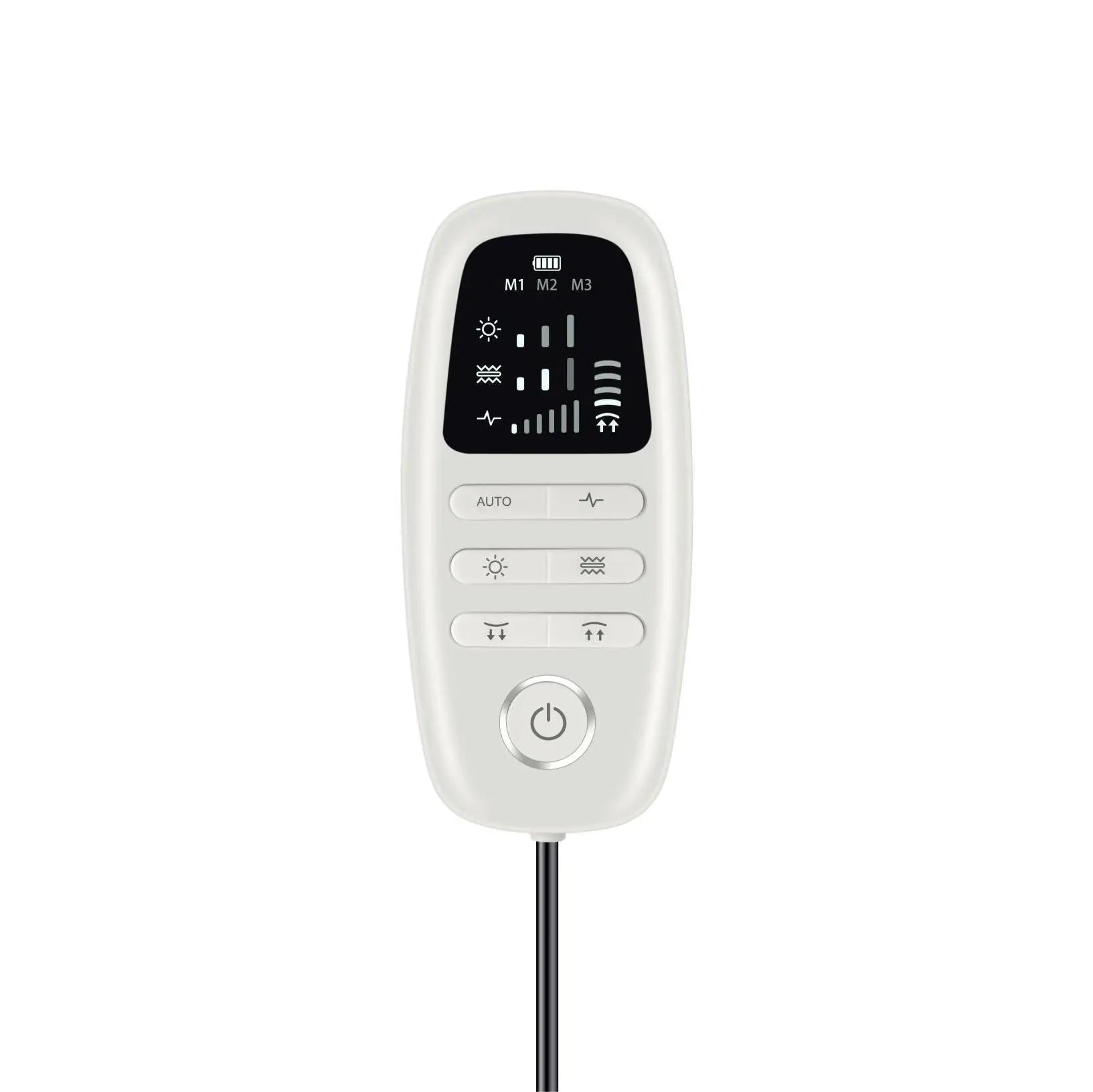
Consistent vibration therapy benefits for lumbar support See it in action
Whole-Body Vibration Platforms
Whole-body vibration platforms stimulate larger muscle groups through standing exercises. They may support general strength and mobility but are less precise for treating localized back discomfort.
How to Use Vibration Therapy for Back Pain Safely and Effectively
Session Duration
Most users should begin with short sessions of around 10–15 minutes and adjust based on comfort and response. Longer sessions do not always produce better results.
Frequency and Progression
- Begin with low intensity settings
- Use vibration on muscle areas rather than directly on the spine
- Increase duration or intensity gradually
- Combine sessions with stretching or strengthening exercises
- Monitor how your body responds over time
Signs of overuse include increased soreness, worsening pain, or irritation that continues after the session.
Vibration Therapy vs Other Conservative Back Pain Treatments
Physical Therapy
Physical therapy focuses on improving movement patterns, strength, flexibility, and underlying causes of pain. Vibration therapy may complement these programs but does not replace professional rehabilitation.
Massage
Massage provides hands-on techniques that can target specific muscles. Vibration offers convenience but may not provide the same level of precision.
Heat Therapy
Heat helps relax muscles and improve comfort. Vibration adds mechanical stimulation and may provide additional sensory benefits.
TENS
TENS uses electrical stimulation to influence pain signals, while vibration relies on mechanical stimulation. Some people may find either approach helpful depending on their symptoms.
Exercise
Exercise remains one of the most important long-term strategies for back health. Vibration therapy may support exercise recovery and mobility but should not replace movement.
Combining approaches often provides better results than relying on a single treatment method.
Frequently Asked Questions About Vibration Therapy for Back Pain
Does vibration therapy work for chronic lower back pain?
It may help reduce symptoms for some people, but chronic back pain often requires a combination of exercise, lifestyle changes, and professional guidance.
Is vibration therapy better than massage for back pain?
Neither option is universally better. Massage may provide more targeted manual treatment, while vibration therapy offers convenient home use.
Can vibration therapy make back pain worse?
Yes, using excessive intensity or applying vibration incorrectly may increase discomfort. Stop use if symptoms worsen.
How often should you use vibration therapy for back pain?
Many people use vibration therapy several times per week or daily at comfortable settings. Frequency should depend on individual response.
Who should avoid vibration therapy?
People with serious injuries, fractures, severe nerve symptoms, or unexplained pain should consult a healthcare professional before use.
Are handheld vibration massagers effective?
Handheld devices may help with muscle tension and temporary discomfort, especially when used correctly as part of a broader recovery routine.
Can vibration therapy replace physical therapy?
No. Vibration therapy can support comfort and mobility, but physical therapy addresses movement problems and underlying causes more comprehensively.
Final Verdict: Is Vibration Therapy Worth It for Back Pain?
Vibration therapy can be a useful tool for managing muscle-related back discomfort, improving mobility, and supporting recovery. Research suggests it may provide short-term relief, but it should be viewed as a complementary approach rather than a complete solution for all back conditions.
Medical Disclaimer
This article is for educational purposes only and does not replace professional medical advice. Seek medical care for severe, persistent, or unexplained back pain.
References
Current research on vibration therapy supports potential benefits for muscle activation, circulation, and pain management, while also highlighting the need for more high-quality studies on long-term back pain outcomes.
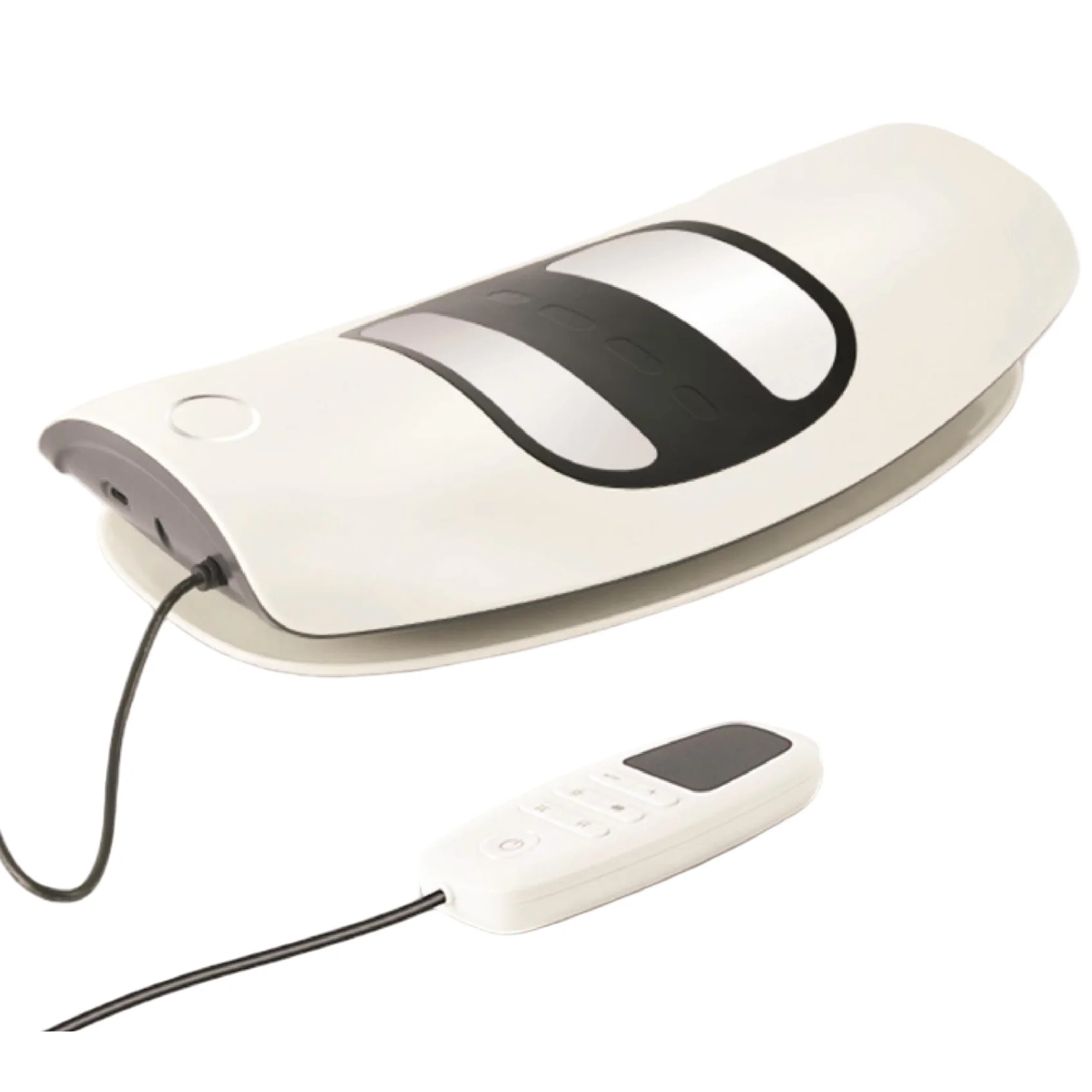
Experience vibration therapy benefits at home See it in action













