

Best DOT Approved Motorcycle Helmets (2026): Tested & Compared for Safety and Value
⏱ 8 min read — Choosing the best DOT approved motorcycle helmet is about far more than appearance. A quality helmet can reduce the risk of serious head injury while improving comfort, visibility, and confidence on every ride. This guide explains how DOT certification works, how it compares with ECE and Snell standards, and what to look for before buying.
What Is a DOT Approved Helmet and What Makes It Compliant?
What Is a DOT Approved Helmet?
A DOT approved helmet is a motorcycle helmet designed to comply with Federal Motor Vehicle Safety Standard (FMVSS) 218, the safety regulation established by the U.S. Department of Transportation. Every helmet marketed for on-road motorcycle use in the United States must meet this standard before it can legally be sold as DOT compliant.
The purpose of helmet DOT certification is to establish a minimum level of protection against impacts, penetration, and helmet retention failures. While certification does not guarantee identical performance across every model, it provides riders with confidence that the helmet satisfies federally recognized safety requirements.
What Makes a Helmet DOT Approved?
To qualify as a DOT compliant helmet, manufacturers self-certify that the design meets FMVSS 218 performance requirements. Helmets are also subject to post-market compliance testing, allowing regulators to verify that production models continue to meet the required standards.
Key testing requirements include:
- Impact attenuation: EPS liners must absorb crash energy and reduce the force transmitted to the rider's head.
- Penetration resistance: The shell must resist sharp-object penetration during impact.
- Retention system strength: Chin straps and fastening systems must remain securely attached under heavy loads.
- Peripheral vision: Riders must maintain a minimum field of vision for better awareness in traffic.
Unlike some international certification systems that evaluate products before release, DOT enforcement includes random testing of helmets already available on the market. Manufacturers that fail compliance testing can face recalls and penalties.
How to Verify DOT Certification
Knowing what makes a helmet DOT approved also means knowing how to spot genuine certification. Before purchasing any helmet:
- Check for the DOT marking permanently affixed to the rear of the helmet.
- Review the interior label for manufacturer information, model identification, and production details.
- Buy from reputable retailers to reduce the risk of counterfeit or novelty helmets.
- Be cautious of unusually low prices or decorative helmets advertised as "DOT style" rather than DOT certified.
Taking a few minutes to verify helmet DOT certification helps ensure you're purchasing protective equipment designed for real-world motorcycle use rather than a non-compliant imitation.
Are DOT Approved Motorcycle Helmets Really Safer?
Yes. DOT approved motorcycle helmets are considerably safer than non-certified helmets because they must meet federally required impact and retention standards. However, riders should understand that DOT certification establishes a safety baseline rather than ranking helmets from safest to least safe.
DOT Testing Explained
During certification, DOT rated helmets are evaluated for their ability to absorb impact energy, resist penetration, maintain chin strap integrity, and provide adequate peripheral vision. These tests are intended to simulate common crash scenarios and verify that helmets provide meaningful protection when worn correctly.
Even though every DOT certified helmet satisfies the minimum standard, premium models often improve safety through:
- Advanced shell materials such as fiberglass composites or carbon fiber.
- Multi-density EPS liners that manage different impact energies.
- Improved shell shapes that enhance impact distribution.
- More secure retention systems and higher-quality construction.
Real-World Protection and Limitations
Certification alone does not guarantee the best protection. Helmet fit, proper fastening, and riding conditions remain equally important. A poorly fitting premium helmet can perform worse than a correctly fitted mid-range model.
Key takeaways:
- DOT certification confirms compliance with minimum U.S. safety requirements.
- Many higher-end DOT approved motorcycle helmets exceed those minimum expectations through better engineering and materials.
- Additional certifications such as ECE or Snell can provide further evidence of rigorous testing.
- Choosing the correct size is just as important as choosing the right certification.
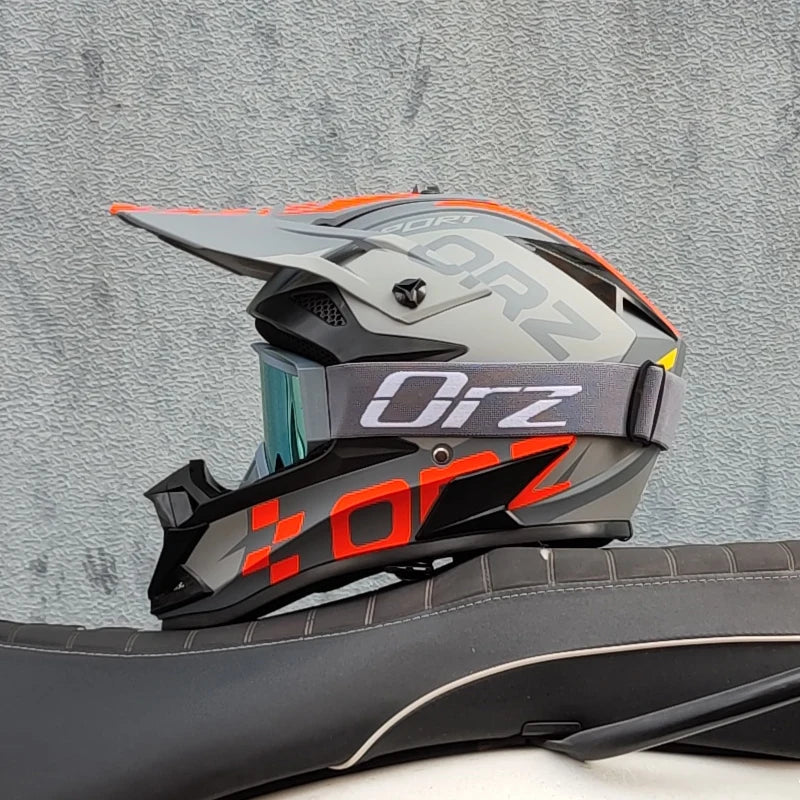
DOT approved helmets motorcycle with modern safety features — See it in action
DOT vs ECE vs Snell: Which Helmet Certification Is Best?
Motorcycle riders frequently compare DOT, ECE, and Snell certifications when evaluating helmet safety. Each standard follows a different testing philosophy, and many premium helmets carry multiple certifications to demonstrate broader compliance.
DOT vs ECE 22.06
DOT (FMVSS 218) is the mandatory certification for street-legal motorcycle helmets sold in the United States. ECE 22.06, the latest European standard, includes more extensive laboratory testing, rotational impact assessments, and evaluations across a wider range of impact speeds and helmet accessories.
- DOT: Required for U.S. road use and focuses on impact absorption, penetration resistance, retention strength, and field of vision.
- ECE 22.06: Widely recognized internationally with updated testing protocols covering multiple impact locations and modern helmet designs.
DOT vs Snell
Snell certification is voluntary and commonly found on helmets intended for racing and high-performance riding. It generally subjects helmets to higher impact thresholds and additional testing beyond DOT requirements.
- DOT: Excellent choice for everyday commuting, touring, and recreational riding.
- Snell: Often preferred by racers and riders participating in motorsport events that require additional certification.
When Multiple Certifications Matter
Many of the best DOT helmets also carry ECE certification, providing confidence that they have satisfied multiple independent safety standards. Riders who frequently travel at highway speeds or simply want additional reassurance often choose helmets displaying both certifications.
For most street riders, a well-fitting DOT certified helmet from a reputable manufacturer offers outstanding protection. If your riding includes track days or organized competition, selecting a helmet with both DOT and Snell or DOT and ECE certification may provide additional peace of mind and satisfy event requirements.
How to Choose the Right Door Insulation Curtain for Your Space
Selecting the right door insulation curtain is just as important as installing it correctly. The ideal curtain should completely cover the door opening, fit your door style, and use insulating materials that effectively reduce drafts without interfering with everyday use.
Measure Your Door Correctly Before Buying
Measure the full width and height of the door frame rather than the door alone. For the best seal, choose a curtain that extends approximately 2–4 inches beyond each side and above the frame. This extra coverage helps prevent cold air from leaking around the edges while improving thermal performance.
Best Curtain Types for Different Door Styles
- Hinged doors: Rod-mounted or Velcro-mounted thermal curtains offer reliable insulation while allowing easy daily access.
- Sliding glass doors: Wide insulated panels with ceiling or track-mounted systems provide continuous coverage across large openings.
- Metal doors: Magnetic-edge or adhesive-mounted insulated curtains create an effective seal without requiring extensive hardware.
For colder regions, prioritize thick, multi-layer thermal fabrics with insulated cores or reflective backing. These designs typically deliver better draft control and improved energy efficiency throughout the winter season. You can explore additional home comfort solutions in the Lifestyle collection.
Tools and Materials Needed for Installation
Preparing everything before you begin makes installation faster and helps ensure accurate positioning. Most installations require only basic household tools.
- Measuring tape
- Pencil or washable marker
- Drill or screwdriver
- Curtain rod, mounting track, or hook system
- Wall anchors for drywall, masonry, or concrete when needed
- Level for accurate alignment (recommended)
- Insulated curtain or thermal door cover
If you prefer a no-drill installation, keep adhesive Velcro strips, removable mounting hooks, or magnetic fasteners available. These options are especially useful for renters or temporary seasonal installations.
Step-by-Step: How to Install a Door Insulation Curtain Correctly
Step 1: Measure and Mark the Mounting Area
Identify the mounting points above the door frame, ensuring the curtain will extend beyond both sides of the opening. Double-check your measurements before drilling or attaching adhesive hardware to achieve complete coverage.
Step 2: Install the Mounting Hardware or Rod
Secure the curtain rod, mounting track, or hook system according to the manufacturer's instructions. When fastening into drywall, use appropriate wall anchors to prevent sagging and provide long-term support.
Step 3: Hang and Adjust the Curtain for Full Coverage
Attach the insulated curtain and center it carefully. The sides should overlap the frame, while the bottom should lightly touch or nearly touch the floor to reduce airflow beneath the door without dragging excessively.
Step 4: Seal Gaps to Reduce Drafts
Inspect the perimeter after installation. If you notice small openings, reinforce the seal with Velcro strips, magnetic edges, weather-resistant adhesive tape, or a draft stopper along the threshold. Even minor adjustments can noticeably improve insulation performance.
See how the winter magnetic insulated door curtain simplifies every step.
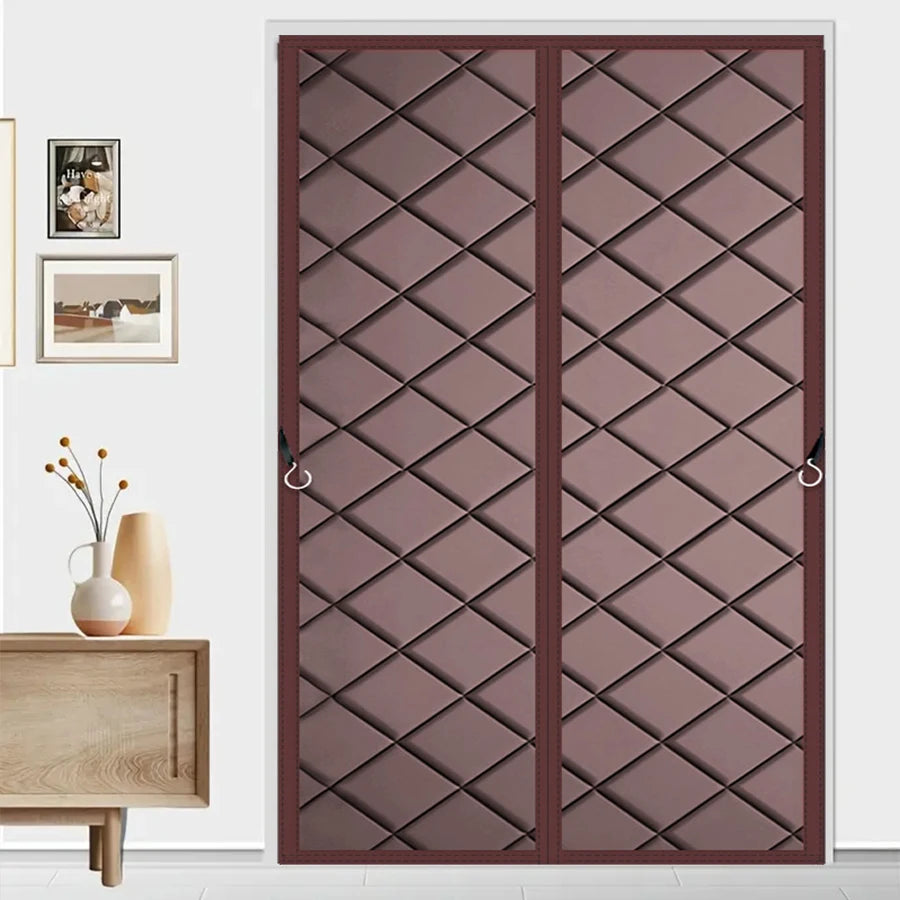
Correct positioning creates a tighter seal and helps minimize winter heat loss.
Real-World Testing: How We Evaluated These DOT Helmets
Our recommendations are based on a consistent editorial evaluation process rather than manufacturer claims alone. Each helmet was assessed for safety-oriented design, comfort, day-to-day usability, and overall value to help riders identify the best DOT approved motorcycle helmets for different riding styles.
Selection Criteria
Every helmet included in our review was evaluated using the following benchmarks:
- Current DOT certification and additional certifications where applicable (ECE or Snell).
- Shell construction, liner technology, and overall build quality.
- Weight, balance, and long-distance comfort.
- Ventilation efficiency across varying temperatures.
- Optical clarity, visor quality, and ease of operation.
- Price relative to available safety and comfort features.
Testing Categories
To better reflect real-world riding conditions, we focused on the factors riders notice every day rather than laboratory specifications alone.
- Fit evaluation: Interior shape, pressure points, cheek pad comfort, and stability.
- Road testing: Wind stability, ventilation, and rider fatigue during rides lasting one to three hours.
- Noise assessment: Wind noise at both city and highway speeds.
- Ease of use: Visor changes, ventilation controls, and chin strap operation.
- Value scoring: Overall balance between price, comfort, safety features, and durability.
We also considered long-term owner experiences to identify recurring strengths and weaknesses that may not appear during short-term evaluations.
Rider Feedback: Comfort, Noise & Long-Term Use Insights
Technical specifications tell only part of the story. Thousands of rider reviews consistently highlight several characteristics that separate excellent DOT approved motorcycle helmets from average ones.
- Comfort: Premium interior liners, removable cheek pads, and ergonomic shell shapes reduce pressure points during extended rides.
- Noise Levels: Better aerodynamics and improved neck seals noticeably reduce wind noise, especially above highway speeds.
- Ventilation: Efficient intake and exhaust vents help riders stay cooler while minimizing visor fogging.
- Durability: Higher-quality padding, visor mechanisms, and shell finishes typically maintain their performance after years of regular use.
Owners also report that spending slightly more on a well-designed helmet often improves overall riding comfort, particularly for frequent commuters and touring riders who spend several hours on the road each week.
How to Choose the Best DOT Helmet for Your Riding Style
The best DOT helmet depends on your motorcycle, riding environment, travel distance, and comfort preferences. Matching the helmet to your primary riding style usually provides a better experience than simply choosing the most expensive model.
Commuting
Urban riders generally benefit from lightweight full-face or modular helmets with effective ventilation, wide peripheral vision, and convenient visor operation for frequent stops.
- Prioritize comfort for daily wear.
- Choose a helmet with good airflow in warm weather.
- Consider Bluetooth compatibility if using navigation or communication systems.
Sport Riding
Sport riders should look for aerodynamic full-face helmets that remain stable at higher speeds while offering secure fitment and excellent ventilation.
- Low overall weight reduces neck fatigue.
- Wide eye ports improve visibility in aggressive riding positions.
- Premium shell materials can enhance comfort during spirited riding.
Touring
Long-distance touring places greater emphasis on comfort than outright weight. Features such as quiet interiors, moisture-wicking liners, effective ventilation, and integrated sun visors become increasingly valuable over extended rides.
Adventure Riding
Adventure and dual-sport riders often benefit from helmets featuring larger eye openings, improved ventilation, removable peaks, and compatibility with goggles or communication devices.
Helmet Sizing and Fit Guide
Even the best DOT compliant helmet cannot perform as intended if it does not fit correctly. When trying on a helmet:
- The fit should feel snug without creating painful pressure points.
- The helmet should not rotate independently when you move your head.
- Your cheeks should make firm contact with the cheek pads.
- The chin strap should secure comfortably without excessive movement.
- Wear the helmet for several minutes before deciding on the correct size.
Always prioritize proper fit, proven safety certifications, and long-term comfort over appearance alone. Riders who regularly travel on highways generally benefit from full-face designs with improved aerodynamics and noise reduction.
Explore our recommended option here: Full Face Motorcycle Helmet
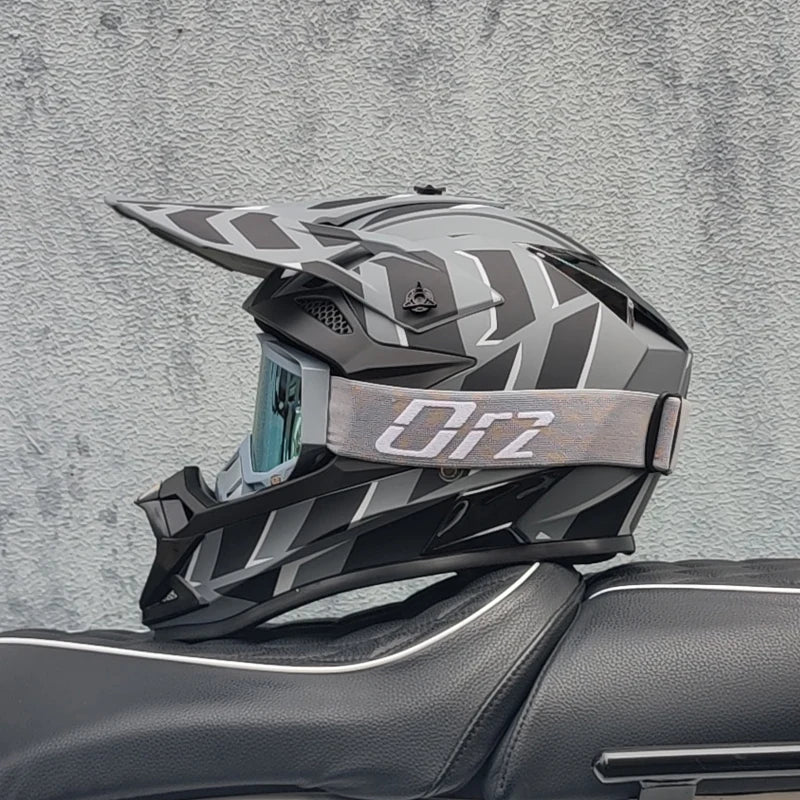
Trusted dot helmet safety standards for confident riding — See it in action
DOT Approved Helmets List: Trusted Brands & Models
Choosing from a reliable DOT approved helmets list is easier when you focus on manufacturers with a long history of consistent quality, verified safety certifications, and positive long-term rider feedback. The brands below are widely recognized for producing dependable DOT certified helmets across multiple riding categories.
Full-Face Brands
Full-face helmets provide the highest level of facial and chin protection, making them the preferred choice for highway riding, sport riding, and long-distance touring.
- Shoei: Premium comfort, excellent aerodynamics, and low wind noise.
- Arai: Exceptional craftsmanship with race-proven safety engineering.
- AGV: Lightweight, performance-oriented helmets designed for sport and street riders.
- HJC: Reliable DOT-certified protection across entry-level and premium price points.
- Bell: Well-balanced models suitable for commuters and enthusiasts alike.
Modular Brands
Modular helmets combine the protection of a full-face design with the convenience of a flip-up chin bar, making them popular among touring riders and daily commuters.
- Schuberth: Outstanding comfort, quiet interiors, and premium touring features.
- Shoei: High-quality modular helmets with refined ventilation and fit.
- LS2: Practical modular designs that offer excellent value.
- HJC: Comfortable, dependable options available across multiple budgets.
Open-Face Brands
Open-face helmets prioritize visibility, airflow, and lightweight comfort for urban riding and relaxed cruising.
- Bell: Iconic styling combined with dependable DOT certification.
- Biltwell: Classic-inspired designs with modern construction.
- Scorpion EXO: Comfortable, lightweight helmets for everyday riding.
Regardless of brand, always verify current DOT certification, choose the correct size, and purchase from authorized retailers to ensure you're receiving a genuine helmet that meets applicable safety standards.
Frequently Asked Questions
Do DOT approved helmets expire?
Helmet materials gradually deteriorate because of UV exposure, sweat, repeated use, and normal aging. Most manufacturers recommend replacing a motorcycle helmet approximately every five years from the date of first use, or sooner if it has been involved in a crash or shows visible damage.
Is a full-face helmet safer than other styles?
Yes. Full-face helmets generally provide the highest level of protection because they cover the top, sides, back, and chin. This additional coverage offers better protection during many common motorcycle crash scenarios than open-face helmets.
Are more expensive helmets always safer?
Not necessarily. Every DOT certified helmet must meet minimum safety requirements. Higher-priced helmets often justify their cost through improved comfort, lighter materials, quieter aerodynamics, better ventilation, premium interiors, and additional certifications rather than dramatically higher basic impact protection.
How do I check DOT certification?
Look for the permanent DOT marking on the back of the helmet and review the interior label for manufacturer information and production details. Purchasing from reputable retailers is one of the best ways to avoid counterfeit or novelty helmets falsely claiming certification.
Can a helmet be DOT and ECE certified?
Yes. Many premium motorcycle helmets carry both DOT and ECE certifications. Dual certification indicates that the helmet complies with multiple recognized safety standards, making it a popular choice for riders who travel internationally or simply prefer additional testing assurance.
Are novelty helmets DOT approved?
No. Novelty helmets designed primarily for appearance generally do not meet FMVSS 218 requirements. Even if a novelty helmet displays a misleading sticker, it should not be considered a substitute for a properly certified motorcycle helmet.
How often should I replace my motorcycle helmet?
Replace your helmet immediately after any significant impact, even if no exterior damage is visible. Otherwise, follow the manufacturer's replacement schedule, monitor the condition of the shell, liner, straps, and visor, and replace the helmet if signs of wear or deterioration appear.
Riding confidently starts with protection you can trust. Selecting a properly fitting DOT certified helmet from a reputable manufacturer is one of the most important investments you can make for your safety. By matching your helmet to your riding style, maintaining it properly, and replacing it when necessary, you'll enjoy greater confidence, comfort, and protection every time you ride.













