

Does a double layer anti fog lens really work?
Yes. A double layer anti fog lens is one of the most effective ways to reduce lens fogging in cold, humid, and rapidly changing environments. By sealing two lens layers around an insulating air gap, it slows heat transfer, minimizes condensation, and helps prevent ski goggles fogging between lenses. While no anti-fog technology can eliminate fog in every situation, a well-designed dual-pane lens combined with proper ventilation provides consistently clearer vision and more reliable performance.
⏱ 6 min read
Double Layer Anti Fog Lens: How It Actually Prevents Fog (And When It Works Best)
Whether you're skiing through changing weather, snowboarding in freezing temperatures, or working in humid conditions, fogged lenses can quickly reduce visibility and confidence. The reason some goggles stay clear while others fog almost instantly often comes down to lens construction. A double layer anti fog lens uses an insulated dual-pane design to reduce temperature differences that cause condensation, helping maintain sharp vision when conditions become challenging.
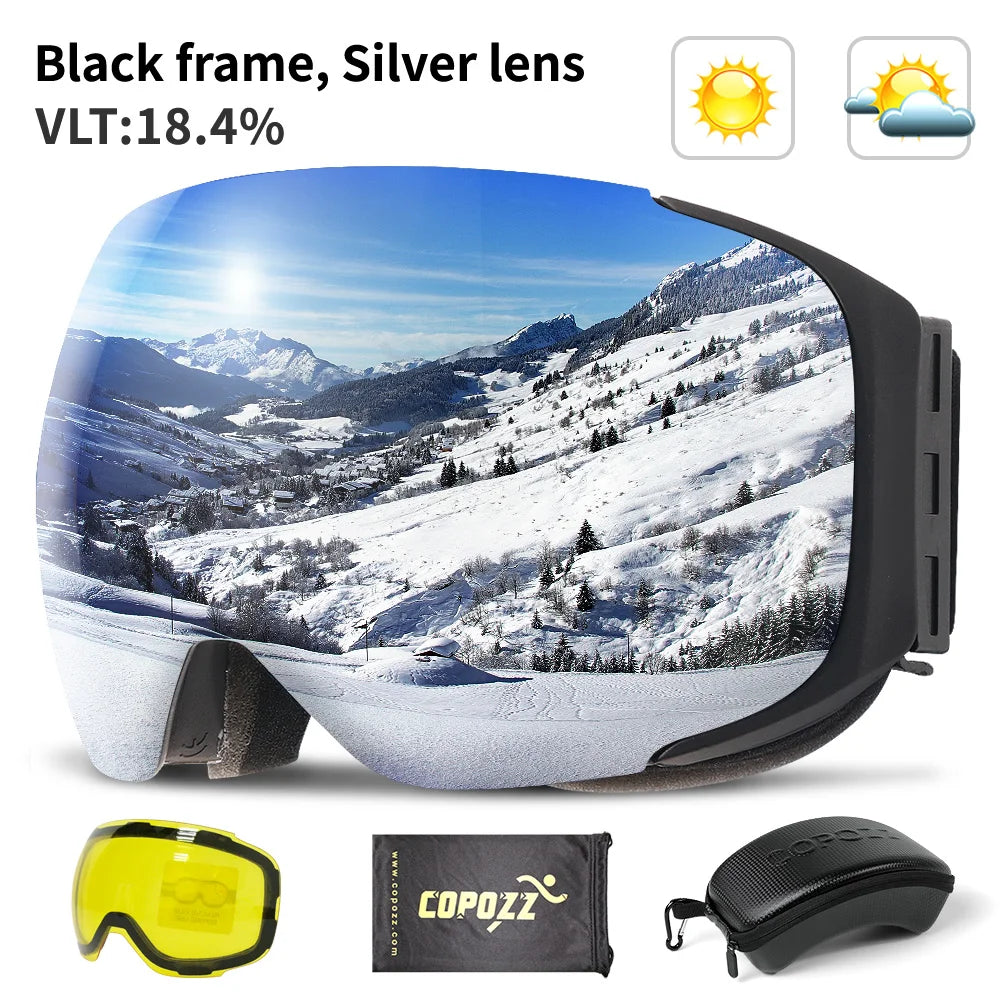
Clear sight in cold swings with a double layer anti fog lens — See it in action
What Is a Double Layer Anti Fog Lens?
A double layer anti fog lens, often called a dual-pane lens, consists of two separate lenses permanently sealed together with a narrow insulating air gap. Rather than relying solely on a surface coating, this design reduces the temperature difference between the inside and outside of the lens, making condensation far less likely to develop.
Double Layer Lens Construction Explained
The outer lens is exposed to cold air and changing weather, while the inner lens remains closer to the temperature inside the goggles. The sealed air pocket between them works as insulation, slowing heat transfer and helping maintain a more stable internal lens temperature. This simple engineering principle is similar to the way double-pane windows improve insulation in homes.
Single Lens vs Dual Pane Construction
Single lenses transfer heat much more quickly because there is no insulating barrier separating indoor and outdoor temperatures. As a result, moisture from perspiration or warm breath is more likely to condense on the lens surface. A dual-pane construction reduces this temperature imbalance, providing one of the most dependable long-term solutions for minimizing fog during demanding activities.
Where Double Layer Lenses Are Used
- Ski and snowboard goggles for cold-weather sports
- Anti fog safety glasses used in industrial and construction settings
- Protective eyewear for laboratories and other high-humidity environments
- Outdoor performance goggles where rapid temperature changes are common
Why Do Lenses Fog Up in the First Place?
Lens fog forms when warm, moisture-rich air contacts a cooler lens surface. As the air cools, water vapor changes into tiny droplets that scatter light and make it difficult to see clearly.
The Science of Condensation
Your body naturally releases heat and moisture through breathing and perspiration. When that warm, humid air reaches a lens that has been cooled by the surrounding environment, the moisture condenses into microscopic droplets. Instead of passing cleanly through the lens, light is scattered by these droplets, producing the familiar foggy appearance.
Why Temperature Differences Cause Fog
The greater the temperature difference between the air inside your goggles and the outside environment, the more likely condensation becomes. Double layer lens technology is specifically designed to reduce this temperature gap, making fog much less likely under normal riding conditions.
Environmental Factors That Increase Fogging
- Cold outdoor temperatures combined with body heat
- High humidity from snowfall, rain, or damp conditions
- Heavy physical activity that increases perspiration
- Restricted airflow caused by poor ventilation or an improper goggle fit
How a Double Layer Anti Fog Lens Works
A double layer anti fog lens reduces condensation by combining thermal insulation with controlled airflow. Instead of depending on a single anti-fog treatment, the lens system helps keep the inner lens closer to the temperature inside the goggles, making it much harder for moisture to condense.
The Insulating Air Gap
The space sealed between the outer and inner lenses acts as an insulating barrier. This trapped layer of air slows heat transfer from the warm interior to the cold exterior, helping maintain a more stable lens temperature even when weather conditions change rapidly.
Thermal Barrier Effect
The outer lens responds to outside temperatures while the inner lens remains relatively warmer. Because the inner surface experiences a smaller temperature difference, water vapor is less likely to reach its condensation point and form fog.
Moisture Control and Ventilation
Most dual-pane goggles also incorporate ventilation channels that circulate fresh air through the frame. This airflow removes excess humidity created by breathing and perspiration before moisture can accumulate on the inside of the lens.
Why It Reduces Condensation
The combination of insulation and ventilation addresses the two primary causes of fogging: rapid temperature changes and trapped moisture. Although no lens system is completely immune to fog in every environment, a properly maintained double layer design delivers consistently clearer vision than a comparable single lens in demanding conditions.
Double Layer Lens vs Anti-Fog Coating
Both technologies are designed to improve visibility, but they solve the fogging problem in different ways and often perform best when used together.
How Anti-Fog Coatings Work
Anti-fog coatings modify the lens surface so moisture spreads into a thin, transparent film instead of forming light-scattering droplets. This approach can be very effective for everyday use, but coatings gradually lose effectiveness through abrasion, contamination, and repeated cleaning.
Technology Comparison
| Feature | Double Layer Lens | Anti-Fog Coating |
|---|---|---|
| Primary method | Reduces temperature differences | Changes how moisture behaves on the lens surface |
| Long-term durability | Built into the lens construction | May diminish with wear and cleaning |
| Best environment | Cold, humid, and high-activity conditions | Light-duty or moderate environments |
| Maintenance | Requires proper cleaning and intact ventilation | Requires careful cleaning to preserve the coating |
Can Both Be Used Together?
Yes. Many premium goggles combine a dual-pane lens with an anti-fog coating to provide multiple layers of protection. The lens construction reduces condensation, while the coating minimizes the impact of any moisture that reaches the lens surface.
For riders looking for a complete cold-weather solution, pairing this technology with magnetic ski goggles provides dependable fog resistance along with the convenience of quick lens changes.
Double Layer vs Single Lens Performance
Fog Resistance
Dual-pane lenses consistently outperform single lenses when temperatures fluctuate or humidity rises because the insulated design reduces the conditions that allow condensation to develop.
Optical Clarity
By maintaining a more stable inner lens temperature, double layer lenses help preserve clear vision during extended use. Single lenses can still perform well in mild conditions but are generally more sensitive to sudden environmental changes.
Durability and Cost Comparison
Double layer lenses typically cost more because of their more complex construction, but they offer dependable performance for frequent outdoor use. Single lenses remain a practical choice for lower-intensity activities or situations where fogging is less likely.
Real-World Use Cases (Skiing, Work, Humid Environments)
Snow Sports
Snow sports expose goggles to freezing air, changing weather, and continuous body heat, creating ideal conditions for condensation. A double layer lens helps maintain clear vision during chairlift rides, downhill runs, and changing light conditions, making it the preferred choice for most modern ski and snowboard goggles.
Safety Glasses and Industrial Work
Professionals working in manufacturing, construction, laboratories, and warehouses often move between environments with different temperatures. Anti fog safety glasses that incorporate dual-pane technology or advanced anti-fog systems help maintain visibility during physically demanding tasks, reducing interruptions caused by constantly clearing fogged lenses.
Humid and Tropical Conditions
High humidity increases the amount of moisture in the air, making fogging more likely whenever lenses cool below the surrounding air temperature. Anti fog eyewear for humid environments benefits from double layer construction because the insulated design slows temperature changes and reduces condensation during prolonged wear.

Designed to reduce ski goggles fogging between lenses — See it in action
How to Prevent Fogging Lenses (Even With Double Lenses)
Improve Ventilation
Keep ventilation ports open and free from snow, dirt, helmet padding, or clothing. Proper airflow allows warm, humid air to escape before it condenses on the inside of the lens.
Proper Fit and Seal
Choose goggles that fit securely without being overly tight. A balanced fit improves comfort while allowing the ventilation system to function as intended. Poorly fitting eyewear can trap moisture and reduce anti-fog performance.
When to Use Anti-Fog Treatments
Quality anti-fog sprays or treatments can provide additional protection when used according to the manufacturer's instructions. They work best as a supplement to a double layer lens rather than as a replacement for proper lens construction and ventilation.
Common Mistakes to Avoid
- Covering or blocking ventilation openings.
- Removing goggles for extended periods in damp conditions.
- Touching or wiping the inside lens while it is wet.
- Storing wet goggles inside a sealed bag without allowing them to dry.
How to Clean Anti Fog Lenses Without Damaging Them
Safe Cleaning Steps
Proper maintenance helps preserve both the lens and any anti-fog treatment applied to it. Allow moisture to air dry whenever possible before gently removing dust or fingerprints.
- Use a clean microfiber cloth designed for optical lenses.
- Allow wet lenses to dry naturally before cleaning.
- Handle lenses carefully to avoid scratching the inner surface.
- Store goggles in a protective pouch when not in use.
Products to Avoid
Avoid paper towels, abrasive fabrics, ammonia-based cleaners, household detergents, and solvents. These products can damage lens coatings, reduce optical clarity, and shorten the lifespan of anti-fog treatments.
How to Preserve Anti-Fog Performance
Clean lenses only when necessary, avoid excessive rubbing on the inner lens surface, and allow goggles to dry completely after each use. Consistent care helps maintain optical clarity and extends the effectiveness of the anti-fog system.
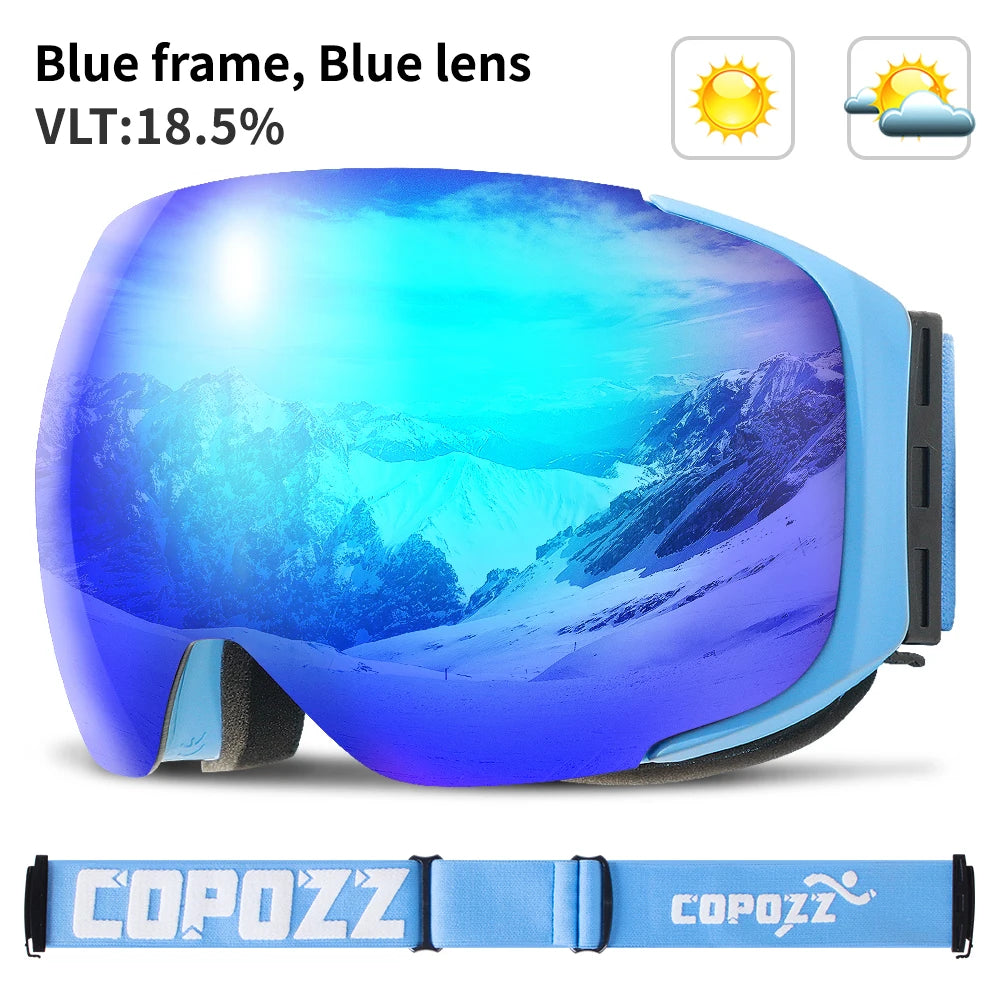
Built for consistent clarity in cold weather — See it in action
Pros and Cons of Double Layer Lens Technology
-
Pros:
- Excellent resistance to fog caused by temperature changes.
- Maintains clearer vision during extended outdoor use.
- Performs reliably in cold, humid, and high-activity environments.
- Long-lasting effectiveness because the anti-fog benefit comes from the lens design rather than relying solely on a surface coating.
-
Cons:
- Typically costs more than comparable single-lens options.
- May be slightly heavier due to dual-pane construction.
- Can still fog if ventilation is blocked, the lens seal is damaged, or moisture becomes trapped inside the goggles.
Are Double Layer Anti Fog Lenses Worth It?
For anyone who regularly encounters cold weather, changing temperatures, or humid conditions, a double layer anti fog lens is usually a worthwhile investment. The improved consistency in visibility can make outdoor activities safer and more comfortable while reducing the need to stop and clear fogged lenses.
Casual users in stable indoor environments may find that a quality anti-fog coating provides sufficient performance. However, skiers, snowboarders, outdoor workers, and other active users generally benefit from the added insulation and dependable performance of a dual-pane lens. Although the initial cost is higher, the long-term improvements in clarity and reliability often justify the investment.
Frequently Asked Questions
How does a double layer anti fog lens work?
It uses two sealed lens layers separated by an insulating air gap. This design slows heat transfer, helping keep the inner lens closer to the temperature inside the goggles so condensation is less likely to form.
Why do lenses fog up even with anti-fog technology?
Extreme humidity, blocked vents, an improper fit, or a damaged lens seal can still allow condensation to develop. Anti-fog technologies significantly reduce fogging but cannot completely eliminate it under every condition.
Is a double layer lens better than an anti-fog coating?
For demanding outdoor use, a double layer lens generally delivers more consistent performance because it addresses the temperature differences that cause condensation. Many premium goggles combine both technologies for even better results.
Can anti-fog coatings wear off over time?
Yes. Repeated cleaning, abrasion, and normal wear can gradually reduce the effectiveness of surface coatings, making proper lens care important.
How do you clean anti fog lenses safely?
Allow wet lenses to air dry, then use a clean microfiber cloth to remove dirt or fingerprints. Avoid harsh chemicals, abrasive materials, and excessive rubbing of the inner lens surface.
Do double layer lenses work in humid environments?
Yes. They help reduce condensation by insulating the inner lens from rapid temperature changes, making them effective in both cold and humid conditions when combined with proper ventilation.
Are double layer lenses worth the extra cost?
If you frequently participate in outdoor sports or work in environments where fogging is common, the improved visibility and dependable performance typically outweigh the higher purchase price.
Can anti-fog sprays be used on double layer lenses?
In many cases, yes, provided the spray is compatible with your lens and follows the manufacturer's recommendations. Anti-fog treatments work best as an additional layer of protection rather than a replacement for proper lens design and maintenance.













