
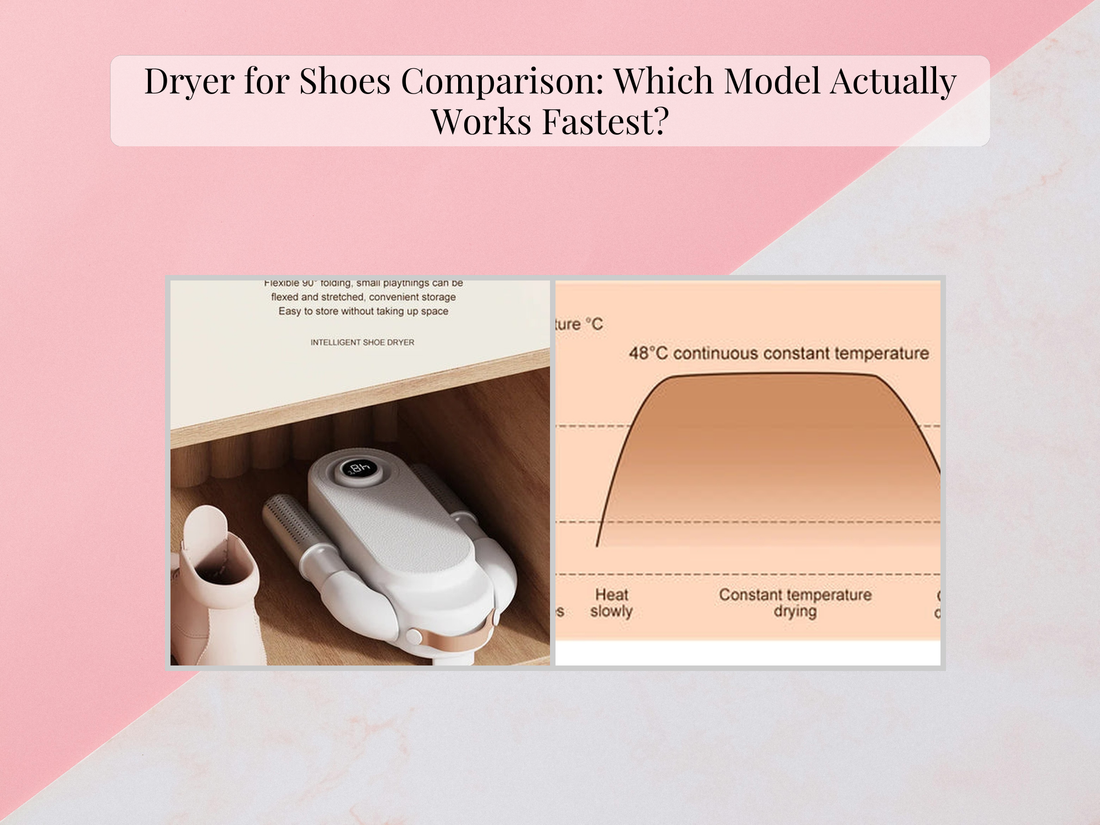
What to Look for in a Shoe Dryer: Complete Buyer’s Guide to Choosing the Right Shoe Dryer
Does a Shoe Dryer Really Work?
Yes, shoe dryers work when used correctly and can significantly reduce drying times compared with air drying alone. Most models remove moisture by circulating warm air, moving room-temperature air through the footwear, or combining drying with sanitizing technologies such as UV light.
The effectiveness depends on the drying technology, shoe material, moisture level, and airflow design. Running shoes that normally take 12–24 hours to air dry can often dry within a few hours using a quality shoe dryer.
- Faster drying after workouts, rain, or washing
- Reduced moisture buildup that contributes to odor
- Less risk of prolonged dampness damaging insoles and linings
- More convenient rotation between pairs of shoes
- Improved comfort for athletes, hikers, workers, and winter users
While shoe dryers cannot repair water damage, they are highly effective tools for managing moisture and extending the usable life of frequently worn footwear. For broader footwear maintenance guidance, see our guide on how to dry wet shoes safely by type .
How Shoe Dryers Work: Understanding the Different Technologies
Not all shoe dryers operate the same way. The fastest and safest models rely on three main drying technologies: airflow, controlled heat, and sanitation features. Understanding these technologies can help you choose the best dryer for your footwear and drying needs.
Forced Air Dryers
Forced-air dryers use small fans to push warm air through tubes directly into the shoe interior. This active airflow removes moisture quickly and evenly.
- Fast drying speeds
- Ideal for running shoes and athletic footwear
- Common in high-performance boot dryers
Convection or Heat-Based Dryers
Convection dryers rely on gentle heat without active fans. Warm air naturally rises through the shoes and evaporates moisture gradually.
- Silent operation
- Gentle on delicate materials
- Usually compact and portable
UV or Ozone Sanitizing Dryers
Some premium dryers combine airflow with UV light or ozone technology to reduce odor-causing bacteria. While these features don't necessarily speed up drying, they can help eliminate persistent shoe odor.
- Reduces bacteria and odor
- Often combined with airflow drying systems
- Useful for gym shoes and daily training footwear
Heat vs Forced-Air Shoe Dryers: Which Is Better?
The best drying technology depends on the type of footwear you use and how quickly you need it dried.
Choose Forced-Air Dryers If:
- You regularly dry running shoes and athletic footwear
- You want faster moisture removal
- You frequently deal with heavily soaked shoes
- You need multiple drying ports for family use
Choose Heat-Based Dryers If:
- You primarily dry lightly damp shoes
- You want quieter operation
- You prefer simpler designs with fewer moving parts
- You need overnight drying rather than rapid drying
For most buyers, forced-air systems offer the best balance of drying speed and versatility, while low-heat models remain a good option for occasional household use.
Shoe Dryer Temperature Range: Why It Matters
Temperature control is one of the most overlooked factors when deciding what to look for in a shoe dryer . Excessive heat can damage adhesives, warp synthetic materials, or dry out leather.
The safest dryers usually operate between 95°F and 140°F (35°C to 60°C) . This temperature range is warm enough to evaporate moisture while remaining safe for most modern footwear materials.
- 95–110°F: Best for delicate materials and leather
- 110–130°F: Ideal for sneakers and running shoes
- 130–140°F: Faster drying for thick boots and winter footwear
Adjustable temperature settings provide the most flexibility if you dry multiple types of shoes.
For leather-specific care recommendations, see our guide on drying leather footwear safely .
⏱ 8 min read
Choosing the right shoe dryer can make the difference between damp shoes overnight and completely dry footwear in under two hours. If you're researching what to look for in a shoe dryer , the most important factors include drying technology, temperature control, airflow strength, and safety features designed for modern athletic materials.
This guide explains how to choose a shoe dryer , what features matter most, and which models work best for different footwear—from running shoes to winter boots. By the end, you'll know exactly what to consider when buying a shoe dryer and which type delivers the fastest, safest drying.
What to Look for in a Shoe Dryer: Key Features That Matter
If you're wondering how to choose a shoe dryer, focus on features that directly affect drying performance, safety, convenience, and compatibility with your footwear.
Match the Dryer to Your Footwear Type
Running shoes, hiking boots, work boots, ski boots, and leather footwear all have different drying requirements. Always choose a dryer designed for the footwear you use most often.
Airflow Power and Drying Speed
Airflow is one of the strongest predictors of drying performance. Models with active air circulation generally dry footwear faster than passive warming systems.
Shoe Dryer Temperature Range and Material Safety
Look for low-temperature operation designed to remove moisture without damaging adhesives, foam cushioning, synthetic fabrics, or leather materials.
Moderate temperatures are usually safer than high-heat systems that may accelerate material degradation over time.
Timer, Auto Shutoff, and Convenience Features
- Programmable timer
- Automatic shutoff
- Multiple drying cycles
- Quiet operation
- Easy-to-store design
Odor Removal and Sanitizing Features
Some models include UV or sanitizing functions designed to help reduce odor-causing microorganisms. These features should be viewed as supplemental rather than replacements for regular shoe cleaning. You can also learn more in our guide on fixing smelly shoes overnight .
Capacity and Expansion Options
Consider whether you need to dry one pair or several pairs simultaneously. Families, athletes, and outdoor enthusiasts often benefit from expandable drying systems.
Durability, Build Quality, and Warranty
Strong housing materials, reliable fans, quality heating components, and manufacturer warranty coverage are useful indicators of long-term value.
Shoe Dryer Buying Checklist
Before purchasing a shoe dryer, use this checklist to evaluate whether a model fits your needs.
- Compatible with your primary footwear type
- Safe temperature range for materials
- Sufficient drying speed for your usage pattern
- Appropriate capacity for household size
- Timer and automatic shutoff features
- Odor-control functions if needed
- Reasonable energy consumption
- Compact storage footprint
- Reliable warranty and customer support
- Positive long-term user reviews
Which Type of Shoe Dryer Is Best for Different Shoes?
Best Shoe Dryer for Running Shoes
Running shoes benefit most from forced-air systems that can move moisture away from foam midsoles, mesh uppers, and cushioned interiors without excessive heat exposure. For additional care tips, read our guide on the best way to dry tennis shoes .
Best Shoe Dryer for Winter Boots
Winter boots often contain thicker insulation and require deeper airflow penetration. Boot-specific extensions and higher airflow capacity are beneficial. Learn more about boot-safe drying methods in our guide on how to dry wet shoes safely .
Best Shoe Dryer for Work Boots
Heavy-duty work boots typically absorb more moisture and may require larger drying chambers, stronger airflow, and longer drying cycles.
Best Shoe Dryer for Leather and Delicate Footwear
Leather shoes generally perform best with low-temperature drying methods that minimize the risk of drying out natural materials.
Are Shoe Dryers Worth It? Cost, Energy Use, and Long-Term Benefits
For people who frequently encounter wet footwear, shoe dryers are often worth the investment because they improve convenience, reduce downtime between uses, and help manage moisture-related odor issues.
Regular drying may also help preserve comfort features such as cushioning, insoles, and interior linings by preventing prolonged exposure to moisture.
- Athletes and runners
- Outdoor enthusiasts
- Winter sports participants
- Workers who wear boots daily
- Families with multiple active users
Energy consumption is generally low compared with larger household appliances, making shoe dryers relatively inexpensive to operate.
How Long Does a Shoe Dryer Take to Work?
Drying times vary based on moisture level, footwear construction, airflow strength, and drying technology.
- Lightly damp athletic shoes: 1–3 hours
- Moderately wet running shoes: 3–6 hours
- Winter boots: 4–8 hours
- Heavily soaked work boots: 6–12 hours or longer
Forced-air models are typically the fastest boot dryer option, while passive heat systems generally require longer drying periods.
Common Mistakes When Buying a Shoe Dryer
- Choosing based only on price rather than drying performance.
- Ignoring footwear compatibility requirements.
- Assuming higher heat always means faster and safer drying.
- Overlooking capacity needs for multiple users.
- Paying for sanitizing features that are not necessary.
- Ignoring warranty coverage and long-term reliability.
- Failing to evaluate drying speed claims critically.
Common Mistakes When Using Shoe Dryers
Even the best shoe dryer can perform poorly if used incorrectly. Avoid these common mistakes:
- Using excessive heat on delicate materials
- Blocking airflow inside the shoe
- Leaving insoles inside when they should be removed
- Overloading multi-pair dryers
- Skipping regular cleaning of dryer vents
Correct usage improves drying speed and extends the lifespan of both your shoes and the dryer.
User Tips & Best Practices for Fast, Safe Drying
- Remove insoles and laces before drying.
- Shake off excess water before placing shoes on the dryer.
- Elevate heels slightly to improve airflow.
- Avoid running high heat for extended periods.
- Use low airflow overnight for maintenance drying.
- Clean footwear regularly to improve drying performance and odor control.
For best results, pair drying with proper cleaning. See our guide on how to deodorise shoes .
How We Tested These Models
To compare fairly, we used three identical pairs of wet shoes (sneakers, leather boots, and canvas trainers) dunked and spun to remove excess water.
- Remaining moisture levels
- Temperature stability
- Odor reduction
- User convenience (noise, timers, size)
Tests were conducted in a controlled environment of 65°F (18°C) with 50% humidity. The fastest model dried sneakers to approximately 95% dryness in about 90 minutes.
Top Models at a Glance
The models below performed well across different footwear categories and drying requirements.
- KentDO Electric Shoe Dryer (compact airflow dryer)
- PEET Original Dryer
- DryGuy Force Dry DX
- MaxxDry Heavy Duty Boot Dryer
- JobSite Original Shoe Boot Dryer
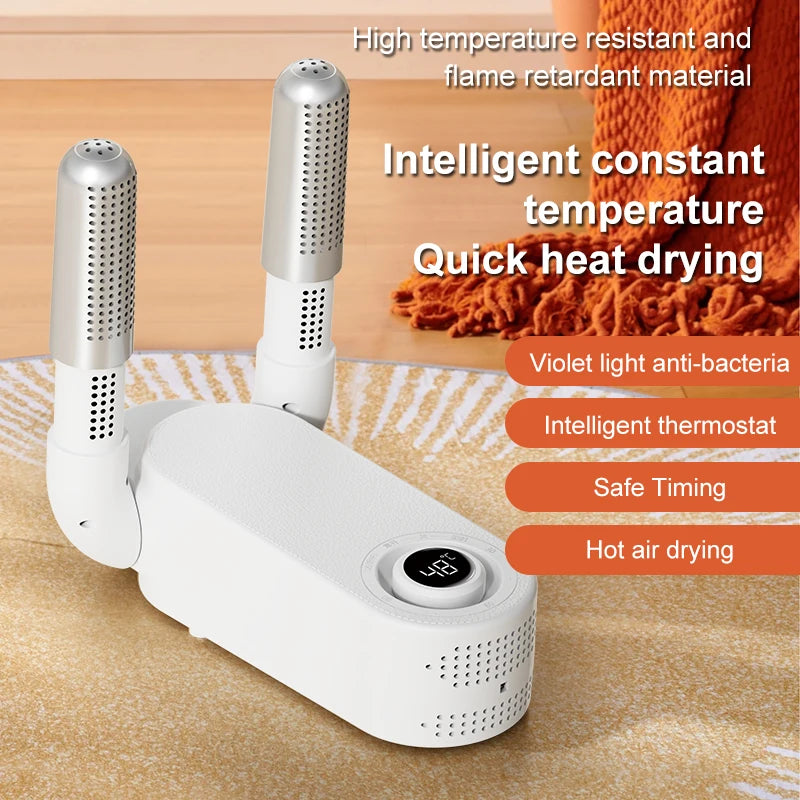
See the dryer for shoes KentDO unit in action
Speed & Feature Comparison
| Model | Dry Time (Sneakers) | Boot Capability | Extra Features | Pros / Cons |
|---|---|---|---|---|
| KentDO Electric Shoe Dryer | ≈ 90 min | Yes (short boots) | Temperature control, dual tubes | ✅ Fast & quiet / ❌ Limited reach for tall boots |
| PEET Original Dryer | ≈ 180 min | Yes | Silent convection drying | ✅ Gentle drying / ❌ Slower performance |
| DryGuy Force Dry DX | ≈ 120 min | Yes | Forced-air system, timer | ✅ Fast airflow / ❌ Larger footprint |
| JobSite Original Dryer | ≈ 180 min | Moderate | Low-heat drying | ✅ Affordable / ❌ Longer drying times |
| MaxxDry Heavy Duty Boot Dryer | ≈ 120–180 min | Yes | High-output airflow | ✅ Great for boots / ❌ Can be noisy |
In-Depth Model Reviews & Use Cases
KentDO Electric Shoe Dryer – All-rounder for Daily Shoes
This compact dual-tube electric shoe dryer handled sneakers and casual shoes efficiently, reaching about 95% dryness in around 90 minutes while staying below 110°F.
Its balanced airflow and moderate heat make it well suited for daily running shoes and athletic footwear.
You can find it here: KentDO Electric Shoe Dryer .
Brand X Boot Dryer – Built for Tall Boots
Boot-focused dryers such as PEET and MaxxDry models are designed for tall boots and heavier footwear. Extended drying tubes and stronger airflow improve moisture removal inside insulated boots.
Premium Model Y – Odor-Control Hybrid Dryer
Hybrid dryers that combine airflow with sanitizing features can noticeably reduce odor buildup in heavily used running shoes.
Model Z (Budget) – Entry-Level Dryer
Entry-level dryers provide basic warm airflow and are suitable for occasional use, travel, or as backup drying solutions.
Work-Boot Dryer W – Heavy-Duty Drying
Heavy-duty dryers use large tubes and stronger airflow to handle thick leather work boots and heavily saturated footwear.
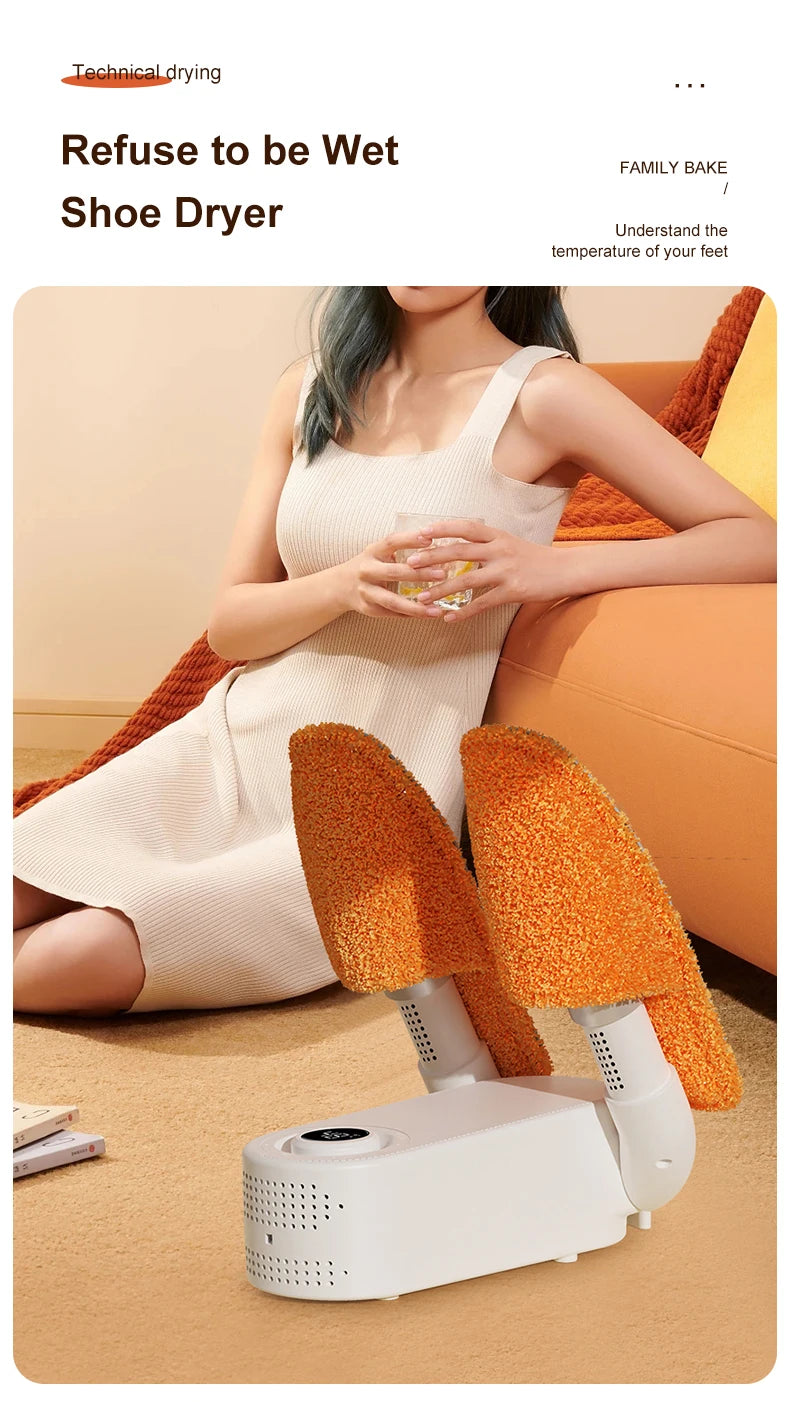
More action shots of dryer for shoes in testing
Shoe Dryer Decision Matrix: Which Type Should You Buy?
Select the type of dryer that best matches your primary use case.
- Daily runners: Forced-air shoe dryer
- Winter boot users: High-capacity boot dryer
- Work boot users: Heavy-duty forced-air model
- Occasional household use: Basic low-heat dryer
- Odor concerns: Dryer with sanitizing functions
- Families: Multi-port or expandable systems
Matching the dryer to the footwear and drying frequency is often more important than purchasing the most expensive model available.
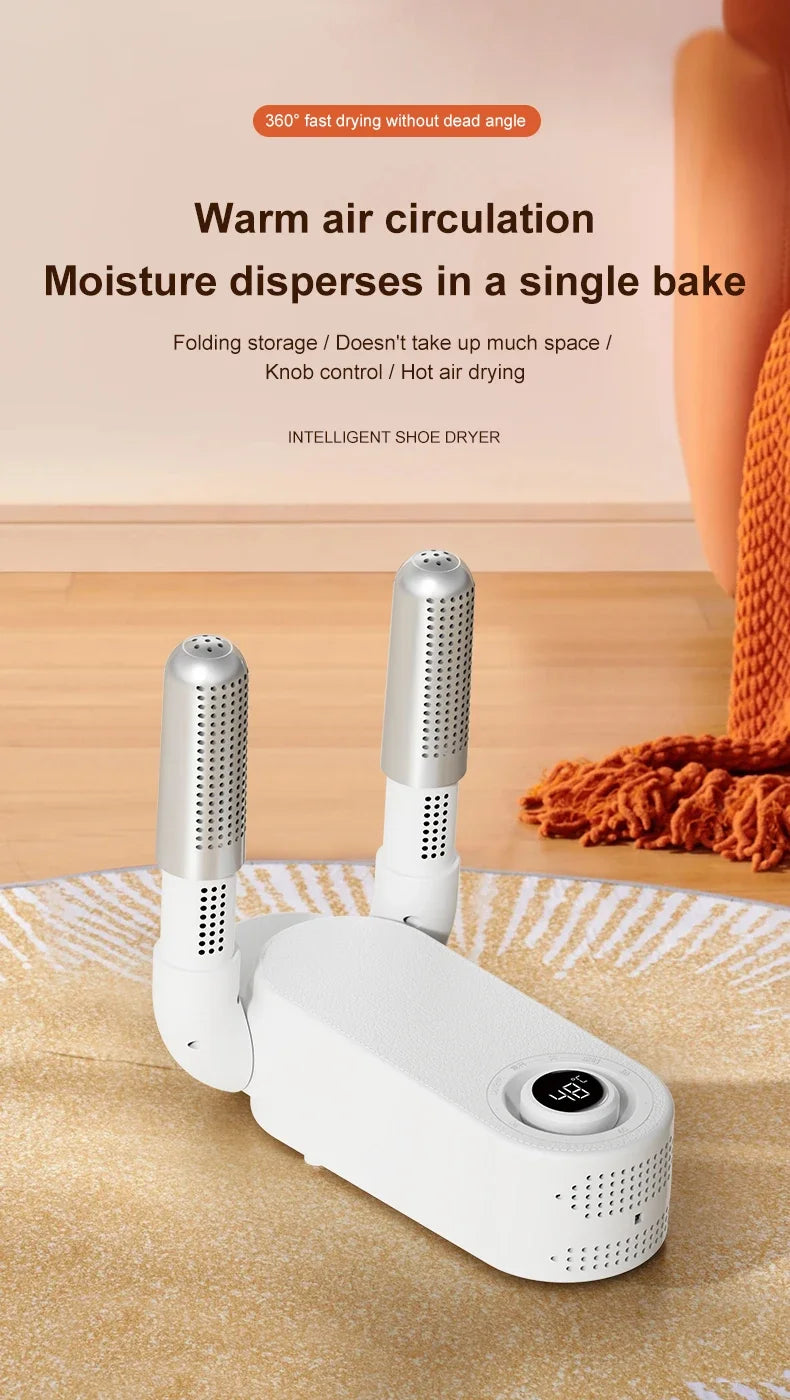
Final look at dryer for shoes — see why it’s in our lineup
Final Thoughts & Recommendation
If you're researching what to look for in a shoe dryer, prioritize drying technology, airflow performance, temperature safety, capacity, and compatibility with your footwear.
For most users, a quality forced-air dryer offers the best balance of speed, versatility, and material safety. Buyers focused on delicate footwear may prefer low-temperature drying systems, while boot users often benefit from dedicated boot-drying designs.
The best shoe dryer is not necessarily the most expensive model—it is the one that consistently dries your footwear safely and efficiently for your specific use case.
For a broader overview, explore our guide to the best ways to dry shoes quickly without damage .
Frequently Asked Questions
What is the best shoe dryer for running shoes?
Most runners benefit from forced-air models because they dry mesh uppers and foam-based midsoles quickly while avoiding excessive heat exposure.
What temperature range is safe for shoe dryers?
Low to moderate temperatures are generally preferred because they help protect adhesives, synthetic fabrics, cushioning materials, and leather components.
Are shoe dryers worth it for occasional use?
They can be worthwhile if you frequently encounter wet shoes due to weather, exercise, travel, or outdoor activities.
What is the fastest boot dryer type?
Forced-air boot dryers typically provide the fastest drying performance because they actively move air through the interior of the footwear.
Can shoe dryers help reduce odors?
Yes. By removing moisture more quickly, shoe dryers help create conditions that are less favorable for odor development.
How do I choose a shoe dryer?
Focus on footwear compatibility, drying technology, temperature safety, drying speed, capacity, convenience features, and overall reliability.
Related Articles:
- How to Dry Out Shoes Fast: Comparing Old Tricks vs. Modern Tech
- Best Way to Dry Tennis Shoes: 5 Options Compared for Speed & Safety
- How to Fix Smelly Shoes Overnight: Real Tests, Real Results
- How Do You Remove Foot Odor from Shoes? Experts Reveal the Best Fixes
- How to Deodorise Shoes: Top 5 Tested Methods That Actually Work
Pillar Articles:













