

Does drying clothes in rainy season really work?
Yes—drying clothes in rainy weather is possible when you control airflow, spacing, and indoor moisture. The rain itself is not the main problem; high humidity and poor air circulation slow evaporation. With the right setup, you can dry clothes faster, prevent musty smells, and keep laundry fresh even without a traditional dryer.
How to Dry Clothes Fast in Rainy Season: 15 Proven Indoor Drying Methods (2026 Guide)
⏱ 6 min read
Rainy days do not have to mean damp laundry or unpleasant odors. The key is creating the right drying environment by removing excess water, improving airflow, and controlling humidity.
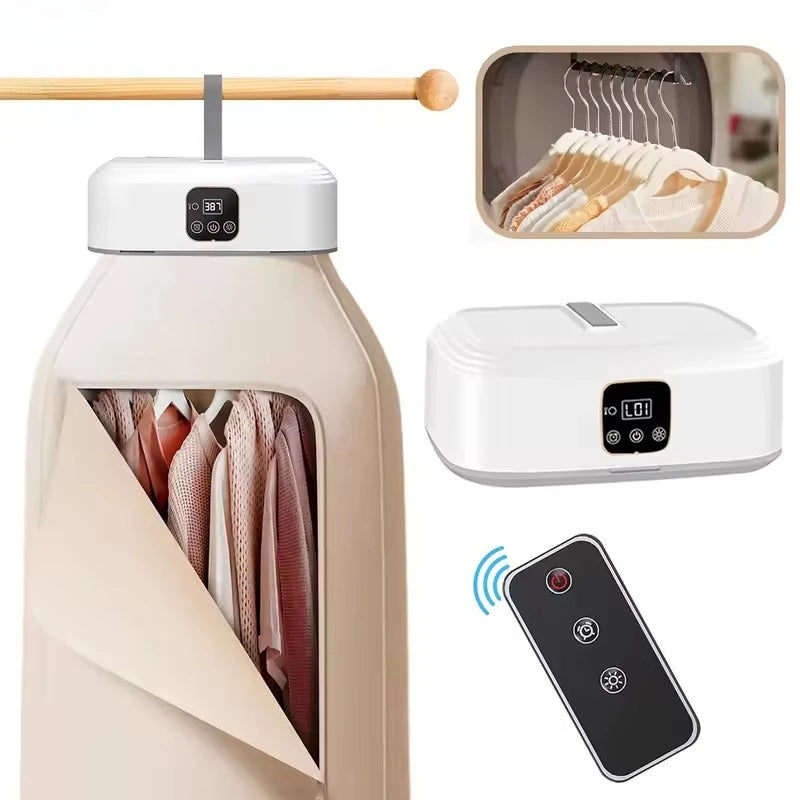
Drying clothes indoors efficiently during rainy season
Why Clothes Don't Dry in Rainy Season (Humidity Explained)
Rainy weather slows drying because the air already contains high levels of moisture. Even warm temperatures cannot dry laundry efficiently if humid air cannot absorb additional water. Understanding humidity, evaporation, and airflow helps you choose the fastest drying method.
How Humidity Slows Evaporation
Water leaves fabric through evaporation. When humidity is high, evaporation slows because the surrounding air is already filled with moisture. Wet clothes stay damp longer because water cannot escape as easily.
Why Airflow Matters More Than Heat
Moving air continuously replaces moisture-rich air around clothing with drier air. In many homes, using a fan creates faster drying results than simply increasing room temperature.
Temperature vs. Humidity: Which Matters More?
Warm air helps, but humidity control is often more important. A cooler room with lower humidity can dry clothes faster than a warm but damp room.
The Fastest Drying Formula (Airflow + Spacing + Moisture Removal)
- Remove as much water as possible after washing.
- Create continuous airflow around fabrics.
- Reduce indoor humidity.
- Leave enough space between garments.
How to Dry Clothes Fast in Rainy Season (Step-by-Step)
If you need dry laundry quickly, follow these steps in order. Each step removes one major obstacle that slows evaporation.
Step 1: Remove as Much Water as Possible
Use the washing machine’s highest safe spin setting or run an extra spin cycle. For delicate fabrics, place clothing inside a dry towel and press gently to remove excess moisture.
Step 2: Choose the Best Drying Location
Select a room with good ventilation, lower humidity, and steady airflow. Avoid bathrooms and enclosed spaces where moisture builds up.
Step 3: Maximize Airflow
Place a fan so air moves across the drying rack instead of only blowing at one spot. Continuous air movement speeds up evaporation.
Step 4: Reduce Indoor Humidity
Use a dehumidifier or air conditioner when humidity is very high. Removing moisture from the room helps clothes dry faster.
Step 5: Finish Thick Garments Separately
Towels, jeans, hoodies, and blankets hold more water than lightweight fabrics. Give them extra spacing and stronger airflow.
Fastest Ways to Dry Clothes in Rainy Season (Ranked by Effectiveness)
Effectiveness Ranking
- Extra spin cycle plus dehumidifier
- Extra spin cycle plus fan
- Air conditioner with airflow
- Portable clothes dryer
- Heated drying rack
- Open-air drying with cross ventilation
- Standard indoor drying rack
7 Quick Methods to Dry Clothes Fast Indoors
- Run an extra spin cycle.
- Separate thick and thin fabrics.
- Leave gaps between garments.
- Use a fan continuously.
- Reduce room humidity.
- Rotate heavy items midway.
- Dry lightweight clothes first.
Best Method Based on Your Space (Small Room, Apartment, No Balcony)
- Apartment: Fan plus drying rack works well in limited space.
- Bedroom: Use airflow and keep the door partially open.
- No balcony: Combine a rack with humidity control.
Emergency Drying When You Need Clothes Within a Few Hours
For urgent laundry, combine an extra spin cycle, towel pressing, wide spacing, and continuous airflow. This removes the most moisture before drying begins.
Step-by-Step: How to Dry Clothes Indoors Without a Dryer
Setup for Maximum Airflow
Position your drying rack where air can circulate from multiple directions. Avoid pushing the rack directly against walls or furniture.
Ideal Spacing and Positioning
Leave several centimeters between garments and avoid overlapping sleeves, pant legs, or thick layers.
Drying Timeline by Fabric Type
- T-shirts: 4–8 hours
- Shirts: 5–8 hours
- Jeans: 8–18 hours
- Towels: 8–20 hours
- Sportswear: 3–6 hours
How Long Does It Take to Dry Clothes Indoors?
Drying time depends on humidity, airflow, fabric thickness, and how much water remains after washing. Lightweight garments may dry within several hours, while thick fabrics often require overnight drying.
For compact homes, pairing this setup with a portable folding clothes dryer can significantly speed up results.
Indoor Drying Methods Compared
Fan
Low cost and highly effective when combined with proper garment spacing and ventilation.
Dehumidifier
Excellent for humid climates because it removes moisture from the room instead of only moving air.
Air Conditioner
Helps reduce humidity while maintaining comfortable airflow, especially during very humid rainy days.
Heated Drying Rack
Useful for small loads and situations where gentle heat helps speed up drying.
Portable Dryer
Best for frequent indoor drying, large laundry loads, or homes without outdoor drying space.
Comparison Table
- Fastest: Portable dryer
- Best value: Fan with drying rack
- Best for humid weather: Dehumidifier
- Lowest energy use: Air drying with airflow
How to Prevent Bad Smell and Mold When Drying Clothes Indoors
Why Clothes Smell After Drying
Odors develop when damp fabric stays wet for too long. Bacteria and mildew can multiply when drying takes too much time.
Anti-Odor Drying Routine
- Dry laundry immediately after washing.
- Improve airflow around garments.
- Reduce room humidity.
- Separate thick fabrics.
Mold Prevention Checklist
- Open windows when outside conditions allow.
- Use ventilation fans when available.
- Avoid overcrowding drying racks.
- Store clothes only after they are completely dry.
Signs Clothes Need Rewashing Instead of More Drying
If clothes still smell musty after they are fully dry, rewashing is usually more effective than continuing to dry them.
Fabric-Specific Drying Tips
Cotton
Hang cotton clothing fully open to maximize airflow and reduce drying time.
Jeans and Towels
Turn thick fabrics occasionally and leave extra space because they retain more moisture.
Sportswear
Use steady airflow to dry quickly and reduce lingering odors.
Wool and Knitwear
Lay flat on a drying rack to help maintain shape and prevent stretching.
Delicates
Avoid excessive heat and follow garment care labels for safe drying.
Common Mistakes That Keep Clothes Damp
Overloading the Drying Rack
Crowded clothing traps moisture and prevents air from reaching fabric surfaces.
Drying in Closed Rooms
Without ventilation, humidity increases and slows evaporation.
Hanging Thick Clothes Together
Heavy fabrics should have more space than lightweight garments.
Ignoring Indoor Humidity
Strong airflow helps, but extremely humid air can still slow drying.
When to Use a Portable Dryer (And When You Don't Need One)
A portable dryer is useful for heavy rain, high humidity, frequent laundry, or homes with limited drying space.
If you only dry small loads and have good airflow, a fan-based drying setup may be enough.
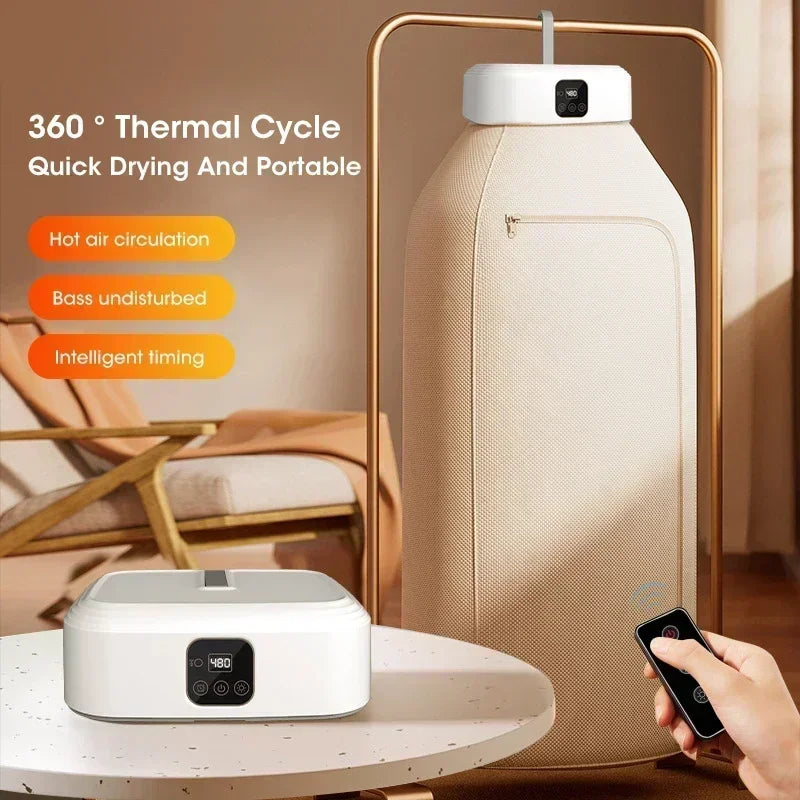
Compact drying setup for small spaces
Troubleshooting: Clothes Still Wet or Smelly?
Clothes Feel Dry but Smell Damp
Persistent odors usually indicate bacteria growth caused by slow drying. Rewash and improve airflow.
Clothes Take More Than 24 Hours
Increase airflow, reduce humidity, and separate thick garments immediately.
Fabric-Specific Problems
Heavy cotton, towels, and denim naturally require more drying time than lightweight fabrics.
Condensation Forming on Windows
This indicates excessive indoor humidity. Improve ventilation or use a dehumidifier.
Real User Results & Practical Setups
Apartment Setup
A folding drying rack placed near a fan provides effective airflow while saving space.
Family Laundry Setup
Separate laundry by fabric thickness and dry lightweight clothing first to free rack space faster.
Small Bedroom Setup
Keep clothing away from sleeping areas, maintain airflow, and control humidity to reduce condensation.
Mini FAQ: Drying Clothes in Rainy Weather
Can I dry clothes indoors without mold risk?
Yes, if you maintain airflow, control humidity, and dry clothes completely before storing them.
How to dry clothes fast in rainy season without a dryer?
Use an extra spin cycle, separate garments, and combine a fan with good ventilation.
How long does it take to dry clothes indoors?
Light fabrics often dry within several hours, while heavier items may require overnight drying.
Is it safe for delicate fabrics?
Yes. Avoid excessive heat and follow care label instructions.
Does a fan really dry clothes faster?
Yes. Airflow speeds evaporation by replacing humid air around wet fabric.
Can I dry clothes in a bedroom?
Yes, but manage humidity with ventilation or a dehumidifier to reduce odors and condensation.
Is air conditioning better than opening windows?
During very humid weather, air conditioning is often better because it lowers indoor moisture levels.
Related Guide: How to Air Dry Clothes Indoors Without Odors or Dampness













