Does drying clothes in rainy season really work?
Yes—drying clothes in rainy weather is absolutely possible when you control airflow, spacing, and moisture. With the right setup, you can dry clothes faster, prevent musty smells, and get fresh, wearable results within hours—even without a traditional dryer.
Dry Clothes in Rainy Season: Fast, Odor-Free Indoor Drying Guide (2026)
⏱ 6 min read
Rainy days don’t have to mean damp laundry or lingering odors. Many people struggle with slow indoor drying, but the issue isn’t the rain—it’s the setup. With a few strategic adjustments, you can dry clothes efficiently, even in high humidity environments.
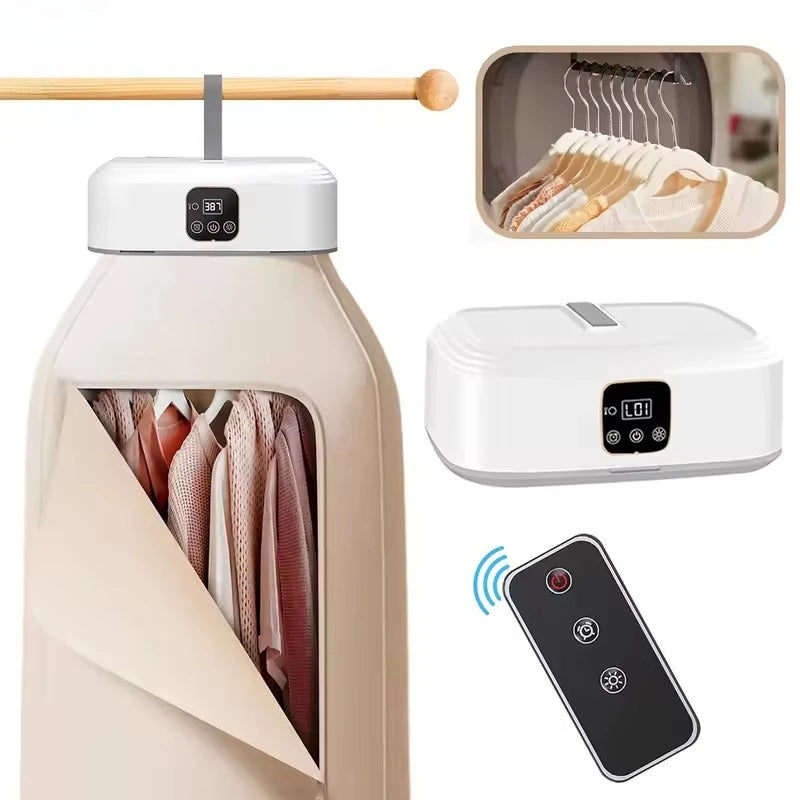
Drying clothes indoors efficiently during rainy season 💡
Why clothes don’t dry in rainy season (humidity explained)
How humidity slows evaporation
During the rainy season, the air already contains a high level of moisture. This reduces the evaporation rate from wet clothes, meaning water stays trapped in the fabric instead of escaping into the air.
Why airflow matters more than heat
While heat helps, airflow is the real driver of fast drying. Moving air continuously removes moisture from fabric surfaces, allowing evaporation to continue. Without airflow, even warm rooms can leave clothes damp for long periods.
Fastest ways to dry clothes in rainy season (proven methods)
7 quick methods to dry clothes fast indoors
- Use a fan facing your drying rack
- Leave space between each garment
- Spin clothes twice before hanging
- Dry near ventilated areas or windows
- Use a dehumidifier in high humidity
- Hang clothes vertically, not folded
- Flip thick fabrics halfway through
Best method based on your space (small room, apartment, no balcony)
In small apartments, combine a drying rack with a fan for continuous airflow. In larger rooms, spread clothes across multiple racks. If ventilation is limited, a dehumidifier can significantly improve drying speed.
Step-by-step: how to dry clothes indoors without a dryer
Setup for maximum airflow
- Place your rack in the most ventilated area
- Position a fan to move air across clothes
- Open windows slightly if outside air is drier
Ideal spacing and positioning
Leave at least 2–3 cm between items. Avoid overlapping fabrics and hang clothes fully extended to maximize surface exposure.
Drying timeline by fabric type
- Light fabrics: 4–8 hours
- Medium fabrics: 8–12 hours
- Heavy fabrics: 12–24 hours
For compact homes, pairing this setup with a portable folding clothes dryer can significantly speed up results.
How to prevent bad smell and mold when drying clothes indoors
Why clothes smell after drying
Musty odors develop when clothes remain damp for too long. Moist environments allow bacteria to grow, especially when drying exceeds 12–24 hours.
Anti-odor drying routine
- Wash clothes promptly after use
- Do not leave wet clothes in the machine
- Ensure strong airflow during drying
- Dry completely before storing
Mold prevention checklist
- Avoid drying in closed rooms
- Keep walls and surroundings dry
- Use fans or dehumidifiers daily
- Clean drying racks regularly
Common mistakes that keep clothes damp
- Overloading the drying rack
- Placing clothes too close together
- Skipping the extra spin cycle
- Drying in closed, unventilated rooms
- Folding clothes over bars
Indoor drying methods compared (rack, fan, dehumidifier, dryer)
- Drying rack only: Low cost but slow
- Rack + fan: Best balance of speed and cost
- Rack + dehumidifier: Fastest non-dryer option
- Portable dryer: Fastest overall
For most households, a rack and fan combination provides the best everyday results.
When to use a portable dryer (and when you don’t need one)
A portable dryer is ideal for heavy rain, high humidity, or large laundry loads. It reduces drying time and prevents odors effectively.
However, if you dry small loads and have good airflow, a fan-based setup is often sufficient.
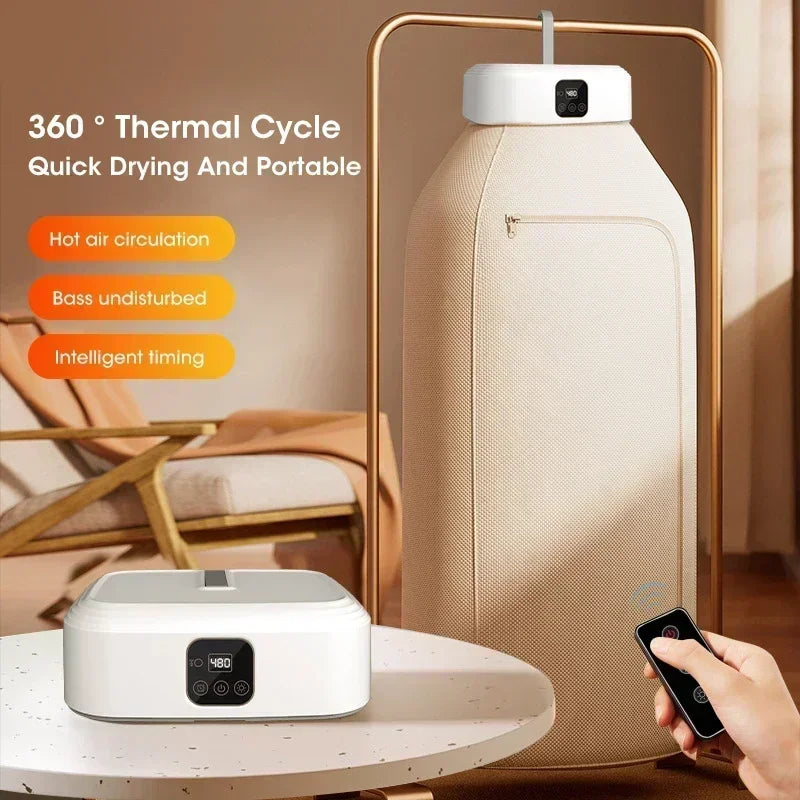
Compact drying setup for small spaces
Troubleshooting: clothes still wet or smelly?
Clothes feel dry but smell damp
This indicates bacterial growth from slow drying. Rewash and improve airflow during drying.
Clothes take more than 24 hours
Increase airflow immediately or use a dehumidifier to reduce moisture in the air.
Fabric-specific problems
Thick fabrics like jeans and towels require more time and should be dried separately from lighter items.
Real user results & practical setups
Users in small apartments report drying clothes within 6–12 hours using a rack and fan. In high humidity areas, adding a dehumidifier reduces drying time by up to 50%.
Simple changes like better spacing and airflow consistently improve results.
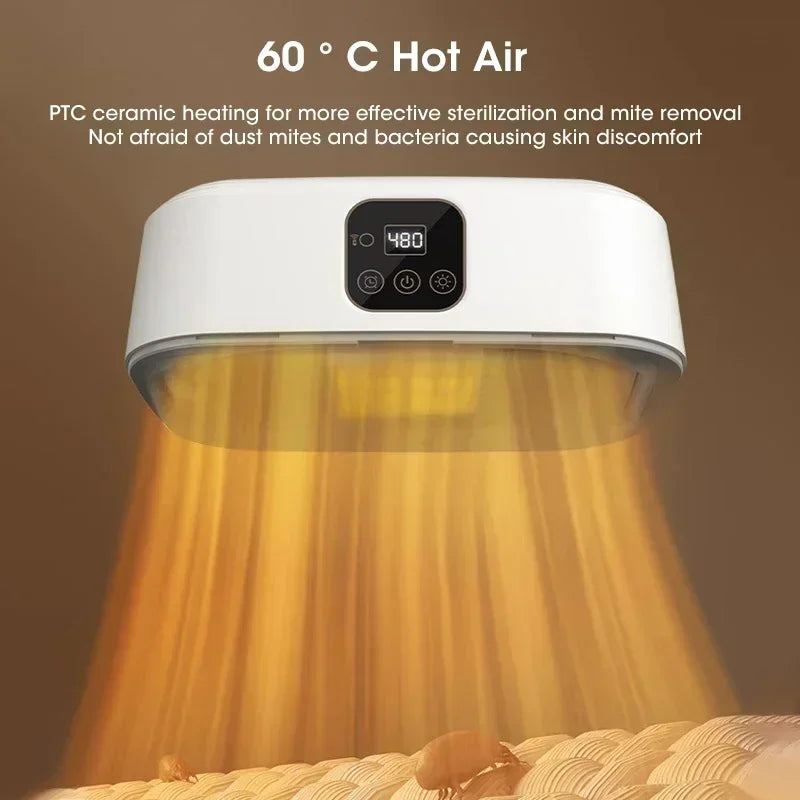
Fast indoor drying without stress
Mini FAQ: drying clothes in rainy weather
Can I dry clothes indoors without mold risk?
Yes, as long as you maintain airflow and avoid enclosed spaces.
How to dry clothes fast in rainy season without a dryer?
Use a fan, space clothes properly, and remove excess water before drying.
Is it safe for delicate fabrics?
Yes, avoid direct heat and ensure gentle airflow.
Does this work during heavy humidity days?
Yes, but adding a dehumidifier or increasing airflow is essential.
Related Guide: How to Air Dry Clothes Indoors Without Odors or Dampness