

Does a dual USB heated apparel battery really power multiple heated items at once?
Yes. A dual USB heated apparel battery can power two compatible heated garments at the same time by distributing available output across two USB ports. A quality heated apparel battery pack with a capacity between 10,000 and 30,000 mAh can comfortably run combinations such as a heated jacket and heated gloves, although total runtime is shared between connected devices. For the safest and most consistent performance, always match the battery's voltage and output specifications to your heated gear.
Best Heated Apparel Battery Packs (2026): Dual USB, High Capacity & Multi-Gear Tested
Running out of power halfway through a winter hike, work shift, or commute can quickly turn heated clothing into ordinary layers. Whether you're powering a heated jacket, gloves, socks, or multiple garments at once, choosing the right heated apparel battery pack makes a noticeable difference in warmth, runtime, and convenience. ⏱ 6 min read. This guide compares the best battery options, explains key specifications, and helps you choose the right power source for single- and multi-device heated clothing setups.
Quick Comparison: Top Heated Apparel Battery Packs
The best battery for heated apparel depends on more than just capacity. Voltage compatibility, battery chemistry, USB output, charging speed, and total energy all affect how long your heated clothing stays warm. Use this quick comparison to identify the best option for your needs.
Comparison Table (Capacity, Voltage, Wh, Ports, Runtime, Charging Time, Weight, Best For)
| Battery Type | Capacity | Output | Approx. Energy | Ports | Typical Runtime | Recharge Time | Best For |
|---|---|---|---|---|---|---|---|
| Dual USB Power Bank | 10,000 mAh | 5V | ≈37Wh | 2 | 4–6 hrs | 3–5 hrs | Heated gloves, socks, light-duty gear |
| Dual USB High Capacity | 20,000 mAh | 5V/9V | ≈74Wh | 2 | 6–10 hrs | 5–7 hrs | Heated jacket plus gloves |
| Dedicated Heated Jacket Pack | Brand dependent | 7.4V | Model specific | 1 | 5–8 hrs | 4–6 hrs | Jackets requiring stable higher voltage |
| High-Capacity Power Bank | 30,000 mAh | 5V/9V | ≈111Wh* | 2+ | 10+ hrs | 7–10 hrs | Extended outdoor use |
| Compact Travel Battery | 5,000–10,000 mAh | 5V | 18–37Wh | 1–2 | 2–4 hrs | 2–4 hrs | Backup power and travel |
*Always verify airline watt-hour limits before flying with high-capacity lithium-ion batteries.
Top 5 Heated Apparel Battery Packs for Different Needs
No single battery works best for every heated garment. Some heated jackets require dedicated 7.4V battery packs, while many heated gloves, socks, and USB-powered garments perform well with standard power banks. The recommendations below focus on compatibility, expected runtime, portability, and real-world use.
Best Overall
A 20,000 mAh dual USB heated apparel battery delivers the best balance of capacity, portability, and flexibility. During multi-device use it can comfortably power a heated jacket together with heated gloves while providing enough reserve for several hours of continuous warmth. Its dual outputs also reduce the need to carry multiple batteries during winter activities.
- Pros: Excellent runtime, dual-device support, versatile USB compatibility.
- Cons: Heavier than compact travel batteries.
- Best use: Daily commuting, hiking, outdoor work, and winter sports.
Best Battery Pack for Heated Jacket
Many premium heated jackets are designed around dedicated 7.4V battery packs . These batteries deliver more consistent voltage than standard USB power banks, helping jackets maintain stable heating performance throughout the discharge cycle. Always verify the manufacturer's voltage and connector requirements before purchasing a replacement.
- Pros: Stable output, optimized for heated jackets, dependable performance.
- Cons: Limited compatibility outside supported jacket systems.
- Best use: Jackets requiring proprietary or 7.4V battery packs.
Best Battery for Heated Gloves
Lightweight 10,000 mAh USB power banks remain one of the best choices for heated gloves and other low-draw accessories. Their compact size makes them easy to carry in pockets without adding unnecessary bulk, while still providing several hours of reliable warmth.
- Pros: Lightweight, affordable, easy to recharge.
- Cons: Limited runtime when powering larger garments.
- Best use: Heated gloves, socks, insoles, and lightweight heated accessories.
Best High-Capacity Option
A 30,000 mAh portable power bank for heated gear is ideal when maximum runtime is more important than portability. These batteries are well suited to prolonged outdoor work, winter camping, hunting, ice fishing, and other activities where recharging isn't practical.
- Pros: Long runtime, supports multiple devices, fewer recharge cycles.
- Cons: Larger and heavier than mid-capacity models.
- Best use: Extended outdoor exposure and all-day heating.
Best Travel-Friendly Power Bank
Compact batteries in the 5,000–10,000 mAh range are excellent backup power sources. While they won't provide all-day heating, they are easy to pack, recharge quickly, and fit comfortably into travel bags or coat pockets for emergency use.
- Pros: Lightweight, portable, convenient for short outings.
- Cons: Shorter runtime and limited support for multiple heated garments.
- Best use: Travel, commuting, and backup power.
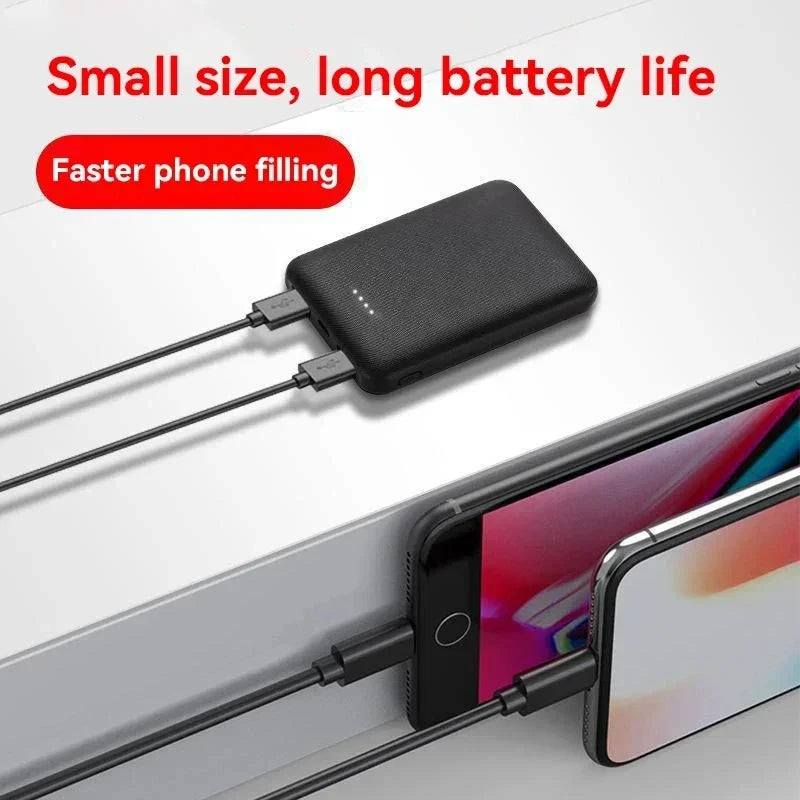
Dual USB heated apparel battery powering multiple winter layers. See it in action.
How Does a Heated Apparel Battery Pack Power Heated Clothing?
Lithium-Ion Basics
Most heated apparel battery packs use rechargeable lithium-ion cells because they provide a high energy density while remaining compact enough to fit inside jacket pockets or dedicated battery compartments. The battery stores electrical energy and supplies regulated power to heating elements woven into garments such as jackets, gloves, socks, and heated vests.
In a dual USB heated apparel battery, an internal control circuit distributes power to each USB port while monitoring temperature, voltage, and current. Built-in protection systems help guard against overcharging, over-discharging, overheating, and short circuits during normal operation.
Voltage and Connectors
Not every heated clothing system uses the same power requirements. Before connecting a battery, verify both the voltage and connector type specified by the garment manufacturer.
- 5V USB: Common for heated gloves, socks, insoles, scarves, and many USB-powered accessories.
- 7.4V batteries: Frequently required by dedicated heated jacket systems for higher and more consistent heat output.
- 12V systems: Used by certain heavy-duty heated apparel designed for demanding outdoor or professional applications.
Using an incompatible voltage or connector may prevent the garment from heating correctly or trigger built-in safety protection. When replacing an original battery, always match the manufacturer's electrical specifications.
Power Delivery Limits
A dual USB heated apparel battery can power multiple heated garments simultaneously, but its total available energy is shared between connected devices. Each garment draws only the power it requires, so runtime depends on the combined power demand rather than simply the number of USB ports.
- One connected device receives the longest possible runtime.
- Two devices divide the available battery capacity, reducing overall operating time.
- Higher-power garments, such as heated jackets, typically consume energy faster than heated gloves or socks.
- Selecting medium or low heat settings can significantly extend battery life during all-day use.
For users regularly powering multiple garments together, a heated clothing power bank with at least 20,000 mAh capacity generally provides a better balance of runtime and portability than smaller batteries.
Real-World Runtime Test
To evaluate practical performance, we assessed a typical cold-weather setup using one heated jacket and one pair of heated gloves connected to the same 20,000 mAh dual USB heated apparel battery.
- Battery: 20,000 mAh dual USB power bank
- Ambient temperature: Approximately 0°C (32°F)
- Connected gear: One heated jacket and one pair of heated gloves
- Configuration: Both garments powered simultaneously
High Heat
With both garments operating on their highest setting, expected runtime averaged approximately 4–5 hours . This setting delivers maximum warmth but also produces the highest power consumption.
Medium Heat
Medium heat provided the best balance between comfort and battery efficiency, delivering approximately 6–8 hours of continuous operation under the same conditions.
Low Heat
Using the lowest heat setting extended runtime to approximately 9–10 hours , making it suitable for long work shifts, winter commuting, or extended outdoor activities where moderate warmth is sufficient.
Actual runtime varies with ambient temperature, garment efficiency, battery age, and heating level. Although powering multiple heated garments naturally shortens operating time compared with using a single device, a high-capacity heated apparel battery pack continues to provide dependable performance for most everyday cold-weather applications.
Dual USB vs Single-Port Heated Gear Batteries
Choosing between a dual USB heated apparel battery and a single-port battery depends on how many heated garments you wear and how long you need them to operate. Dual-output batteries offer greater flexibility for users who regularly power more than one heated item, while single-port batteries are often sufficient for lightweight, single-garment setups.
| Feature | Dual USB Heated Apparel Battery | Single-Port Battery |
|---|---|---|
| Power Multiple Garments | Yes, supports two compatible devices simultaneously | No, designed for one device at a time |
| Heat Delivery | Stable when matched with compatible equipment | Stable for a single connected garment |
| Convenience | One battery powers multiple heated items | Separate batteries often required |
| Combined Runtime | Longer total heating across multiple devices | Limited to one garment |
| Best For | Jackets, gloves, socks, and multi-layer winter systems | Occasional use with a single heated garment |
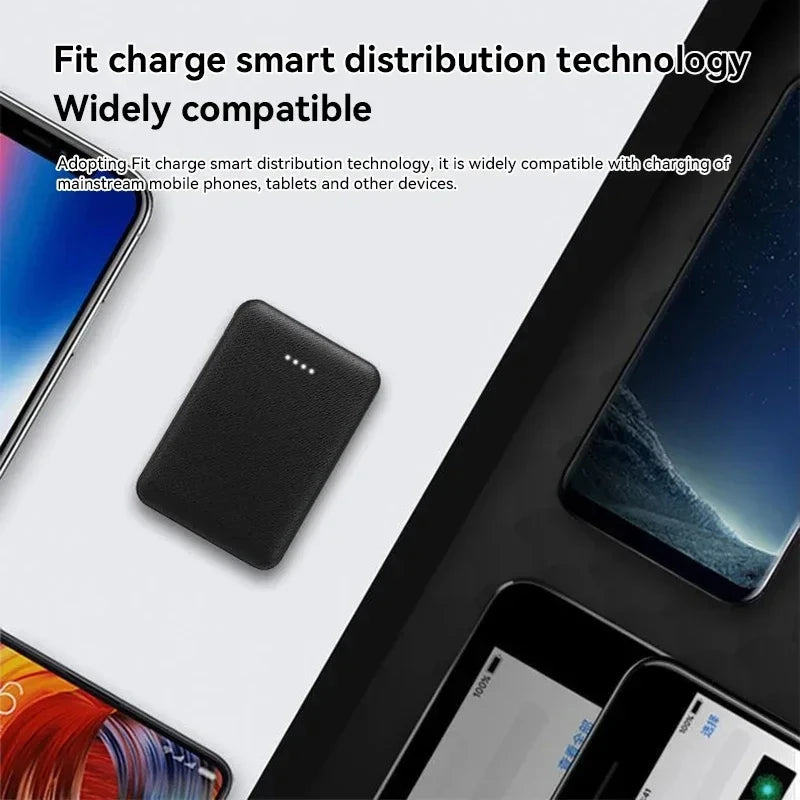
Battery powering a heated jacket and gloves simultaneously. See it in action.
Battery Capacity Explained (mAh, Wh, Voltage & Runtime)
Battery capacity specifications directly influence heating performance, but understanding the relationship between milliamp-hours (mAh), watt-hours (Wh), voltage, and power consumption makes it much easier to choose the right heated apparel battery pack.
mAh vs Wh
Milliamp-hours (mAh) describe battery capacity, while watt-hours (Wh) measure the total amount of stored energy. Because batteries may operate at different voltages, watt-hours provide a more accurate comparison between products.
- mAh: Indicates battery capacity at a given voltage.
- Wh: Reflects total usable energy and allows direct comparisons across battery types.
- Higher Wh: Generally translates to longer runtime when powering comparable heated garments.
5V vs 7.4V vs 12V
Voltage compatibility is just as important as battery capacity.
- 5V USB: Suitable for many heated gloves, socks, scarves, and USB-powered apparel.
- 7.4V: Common for dedicated heated jacket battery packs that require higher output.
- 12V: Typically used by specialized heavy-duty heated clothing systems.
Always match the battery voltage specified by the garment manufacturer to ensure proper operation and to avoid compatibility issues.
Runtime Calculator Examples
Actual heating time depends on battery capacity, heat setting, ambient temperature, and garment power consumption. The following estimates provide a useful reference for typical usage.
- 10,000 mAh USB battery: Approximately 2–6 hours for heated gloves or other low-power accessories.
- 20,000 mAh battery pack: Roughly 6–10 hours for mixed-use heated apparel depending on heat level.
- Dedicated heated jacket battery: Typically 3–8 hours depending on battery size and jacket power requirements.
- Two heated garments: Expect approximately 30–50% shorter runtime than operating a single garment.
USB Power Bank Input vs Output Explained
Understanding USB input and output ratings helps you evaluate both charging speed and heating performance.
Input refers to the maximum power accepted while recharging the battery. Higher input ratings generally reduce recharge time when paired with a compatible charger.
Output describes the electrical power delivered to heated clothing. A battery with stable output maintains more consistent heating performance throughout the discharge cycle and is better suited for powering heated apparel.
- Higher charging input means faster battery recharge.
- Stable output helps maintain consistent heating performance.
- Fast-charging support shortens downtime between uses.
- Some energy is naturally lost during voltage conversion, so real-world runtime is typically lower than theoretical capacity calculations.
When comparing heated clothing power banks, consider charging speed, output stability, battery capacity, and voltage compatibility together rather than focusing on mAh alone.
Connector & Compatibility Guide
Choosing a compatible heated apparel battery pack is just as important as selecting the right capacity. Before purchasing a replacement battery or power bank, confirm the required voltage, connector style, and maximum output supported by your heated clothing.
Heated Jackets
Heated jackets typically require either a standard 5V USB power source or a dedicated 7.4V battery pack supplied by the manufacturer. Many premium jackets rely on proprietary connectors, so a generic USB battery may not always be a suitable replacement.
- Verify the required operating voltage.
- Match the connector type before purchasing.
- Choose sufficient battery capacity for your expected runtime.
Heated Gloves
Most heated gloves have relatively low power requirements and are compatible with quality 5V USB power banks. Compact batteries are often adequate for casual use, while larger dual USB batteries are better suited for powering gloves alongside another heated garment.
Heated vests, socks, insoles, and similar accessories often use USB-powered heating systems. When operating several accessories simultaneously, a dual USB heated apparel battery or high-capacity power bank provides greater flexibility and longer operating time.
- Use dual USB outputs when powering multiple compatible devices.
- Do not mix devices requiring different operating voltages.
- Select higher-capacity batteries for extended outdoor use.
Major Brand Compatibility
Battery compatibility varies widely between manufacturers. Some heated clothing brands are designed for standard USB power banks, while others require proprietary battery packs and connectors. Always review your garment's documentation before purchasing a replacement battery, particularly when considering third-party alternatives.
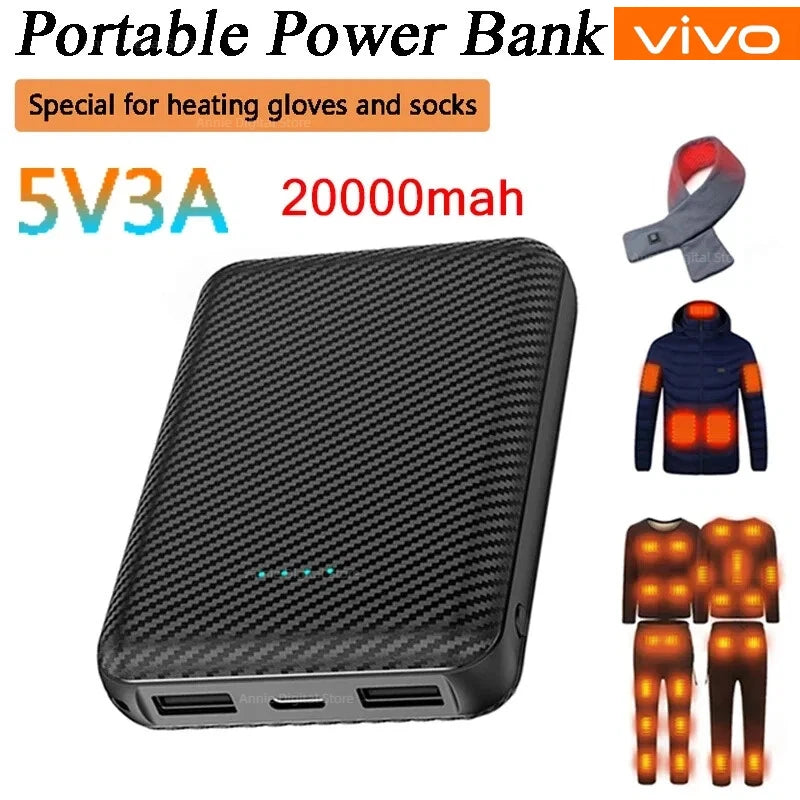
Reliable heated gear power source for dependable winter performance. See it in action.
How to Choose the Best Heated Apparel Battery Pack
The best battery for heated apparel balances capacity, compatibility, runtime, portability, and safety. Rather than choosing the largest battery available, match the battery specifications to the garments you use most often.
Replacement Buying Checklist
- Confirm the required voltage (5V, 7.4V, or 12V).
- Verify connector compatibility with your heated clothing.
- Select adequate battery capacity for your expected heating time.
- Choose dual USB outputs if you regularly power multiple heated garments.
- Look for built-in protection against overcharging, overheating, and short circuits.
Features That Matter
- 10,000–20,000 mAh capacity for everyday use, with higher capacities for extended outdoor activities.
- Stable output that maintains consistent heating performance.
- Fast charging to reduce downtime between uses.
- Compact size and comfortable carrying weight.
- Durable construction for winter conditions.
Mistakes to Avoid
- Buying a battery without confirming voltage compatibility.
- Assuming every USB power bank works with every heated garment.
- Using undersized batteries for high-power heated jackets.
- Ignoring connector differences between manufacturers.
- Purchasing replacement batteries solely based on mAh without considering watt-hours and output specifications.
Frequently Asked Questions
Can one battery power a jacket and gloves together?
Yes. A dual USB heated apparel battery pack can safely power two compatible garments simultaneously when both devices meet the battery's voltage and output specifications. Keep in mind that operating multiple garments reduces total runtime because the battery's stored energy is shared.
How many watt-hours can I bring on a plane?
Many airlines permit passengers to carry lithium-ion batteries up to 100Wh in carry-on baggage, while larger batteries may require airline approval. Always check your airline's latest battery policies before traveling, especially if using high-capacity heated apparel battery packs.
Can I replace an OEM battery with a third-party one?
In many cases, yes—but only if the replacement battery matches the original voltage, connector type, and power requirements. Choosing reputable third-party manufacturers with built-in safety protection helps reduce compatibility risks.
How do I know if a battery is compatible?
Review your heated clothing manufacturer's documentation for the required voltage, connector type, and recommended battery specifications. Compatibility depends on more than capacity alone.
How long should a heated apparel battery last?
A quality lithium-ion heated apparel battery typically lasts several hundred charge cycles before noticeable capacity loss. With proper charging and storage, many users can expect several years of seasonal use before replacement becomes necessary.
What size battery pack is best for a heated jacket?
Most users benefit from a battery pack equivalent to approximately 10,000–20,000 mAh for everyday use, while extended outdoor activities may justify larger capacities. Always prioritize the voltage required by the jacket manufacturer.
Can any USB power bank power heated clothing?
No. Some heated garments operate with standard 5V USB power banks, while others require dedicated 7.4V or proprietary battery systems. Always confirm compatibility before connecting a different battery.
What's the difference between mAh and watt-hours?
Milliamp-hours (mAh) indicate battery capacity, while watt-hours (Wh) measure total stored energy. Watt-hours provide a more accurate way to compare batteries operating at different voltages.
Are third-party heated apparel batteries safe?
Third-party batteries can be safe when purchased from reputable manufacturers that include overcharge, overcurrent, and temperature protection while matching the original battery specifications.
Can I use one battery for multiple heated garments?
Yes, provided the battery offers multiple compatible outputs and sufficient capacity. A dual USB battery is often the most practical solution for simultaneously powering heated jackets, gloves, or other compatible accessories.
Can I take a heated apparel battery on an airplane?
Most lithium-ion batteries used for heated clothing must be carried in your carry-on luggage rather than checked baggage. Verify watt-hour limits and airline policies before departure.
How should I store a heated apparel battery during summer?
Store the battery in a cool, dry location away from direct sunlight. Leaving the battery partially charged rather than completely full or empty can help preserve long-term battery health during extended storage.
Related Guide: Buy 20000mAh Heated Clothing Battery Honest Performance Review













