

Dull, Tired-Looking Skin: Causes, Fixes & 7-Day Radiance Reset
Dull, tired-looking skin usually describes a lack of visible radiance, uneven texture, dryness, or a fatigued complexion rather than one specific skin condition. The most effective approach is to identify the likely cause first—such as dehydration, dead-skin buildup, barrier disruption, UV exposure, lifestyle factors, environmental stress, or age-related changes—and then choose the least aggressive solution that addresses it.
If your face suddenly looks flat, rough, dry, uneven, or less refreshed, more exfoliation is not automatically the answer. In some cases, adding acids or multiple active ingredients can make the skin barrier more irritated and leave the complexion looking even duller. This guide uses a cause-first framework so you can match the appearance of your skin to a practical next step.
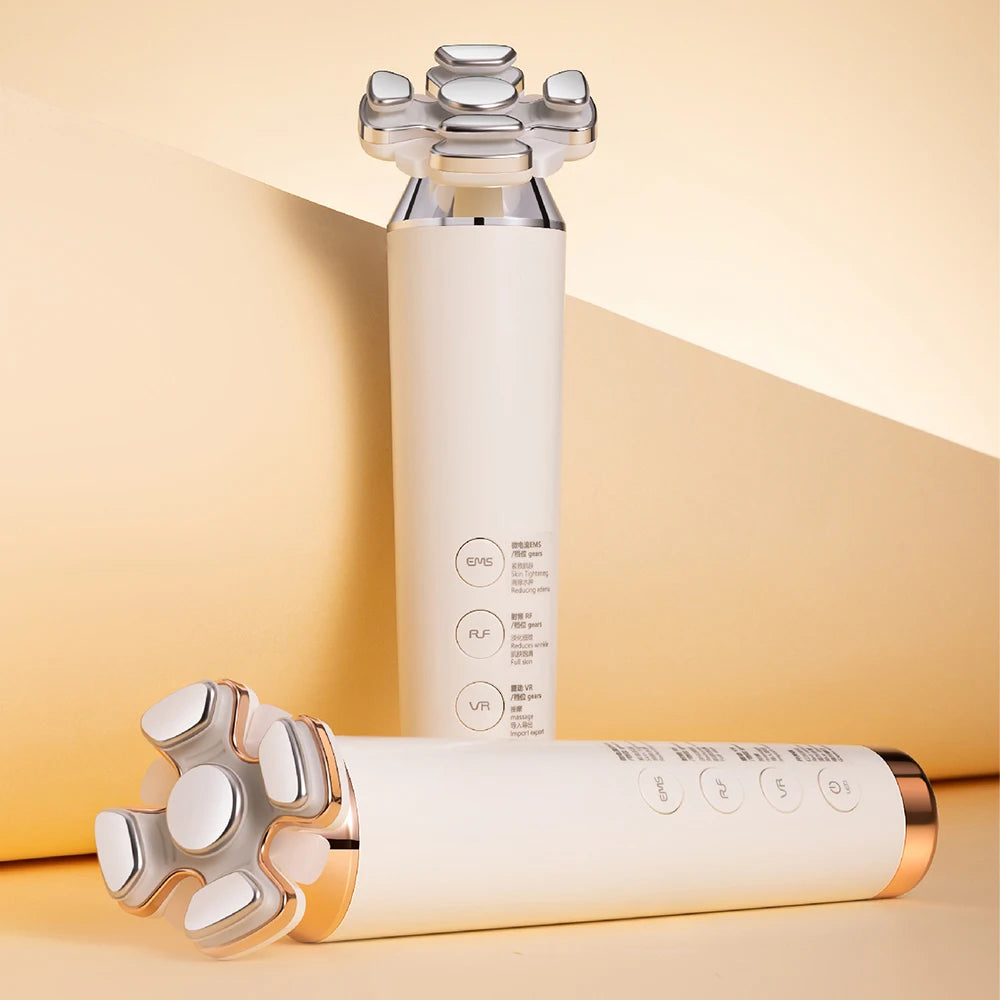
What Does Dull, Tired-Looking Skin Actually Mean?
Dull, tired-looking skin is a cosmetic description for skin that appears less luminous, smooth, hydrated, or even-toned than usual. It can occur temporarily after poor sleep, dehydration, environmental exposure, or irritation, or develop gradually as skin texture, pigmentation, collagen, and cell turnover change over time.
Common signs of dull skin
- A complexion that looks flat rather than naturally reflective.
- Dry, tight, rough, or flaky areas.
- Uneven texture or visible surface buildup.
- Uneven tone or areas of hyperpigmentation.
- Skin that looks tired despite otherwise normal skin health.
- Reduced appearance of firmness or smoothness over time.
- Temporary puffiness around the eyes or face.
Dullness vs. redness, scaling, itching, or sudden texture changes
Ordinary cosmetic dullness is different from persistent redness, burning, itching, pronounced scaling, inflammation, unexplained pigmentation changes, or a sudden change in texture. Those symptoms can have causes that require professional assessment rather than another cosmetic active.
Why there is rarely one single cause
Skin appearance is influenced by several overlapping processes. A person may have dehydration and surface buildup at the same time, while another may have photodamage combined with a weakened barrier. That is why a cause-first approach is more useful than simply searching for the “best” glow product.
Find the Cause: Dull Skin Symptom-to-Cause-to-Solution Guide
Start with the feature you notice most. The table below is not a diagnosis; it is a practical way to decide which basic intervention makes the most sense before adding stronger treatments.
| What you notice | Possible contributor | Best first step |
| Tight, rough, flaky skin | Dehydration or increased transepidermal water loss | Gentle cleansing and barrier-supportive moisturizer |
| Rough, uneven surface texture | Dead skin cells or slower surface turnover | Consider gentle chemical exfoliation if the barrier is healthy |
| Uneven tone or dark spots | UV exposure and photodamage | Daily broad-spectrum sunscreen and targeted brightening care |
| Dullness plus stinging or sensitivity | Compromised barrier or over-exfoliation | Pause irritating actives and simplify the routine |
| Puffy, tired-looking face | Sleep, fluid retention, stress, or lifestyle factors | Prioritize sleep, routine consistency, and gentle care |
| Loss of firmness and radiance over years | Age-related changes and collagen loss | Sun protection plus consistent evidence-based anti-aging care |
| Gray or lackluster appearance after environmental exposure | Pollution, smoke, UV exposure, and oxidative stress | Cleanse gently, protect from UV, and use antioxidant-focused care |
1. Dehydrated Skin and Transepidermal Water Loss
Dehydrated skin can look less luminous because the surface becomes rougher and less supple. Water loss through the outer skin is known as transepidermal water loss, or TEWL. When the skin barrier is not retaining moisture effectively, the complexion may feel tight and appear flat, flaky, or tired.
How to tell if dehydration is driving dullness
Dehydration becomes more likely when dullness is accompanied by tightness, fine surface lines that appear more noticeable, roughness, or temporary flaking. This is different from having naturally dry skin: dehydration refers primarily to insufficient water in the outer layers, while dry skin generally describes a tendency toward insufficient lipids.
Humectants, emollients, and occlusives: what each does
Humectants such as glycerin and hyaluronic acid help attract and hold water. Emollients help smooth the spaces between skin cells, while occlusives form a protective layer that can reduce water loss. A well-formulated moisturizer may combine more than one of these functions.
How ceramides can support the skin barrier
Ceramides are lipids naturally present in the outer skin barrier. Topical products containing ceramides can help support barrier function, particularly when dryness or irritation is contributing to a tired appearance. If your skin stings after applying multiple products, barrier support should generally come before adding more exfoliating ingredients.
2. Dead Skin Cells and Slower Skin Cell Turnover
The outermost layer of skin contains cells that are continually shed. When surface buildup contributes to roughness, light may reflect less evenly, making the complexion appear less smooth and radiant. This does not mean that all dull skin needs aggressive exfoliation.
When dead skin cell buildup makes skin look dull
If your primary concern is rough, uneven texture without significant sensitivity, a carefully introduced exfoliant may help smooth the surface. The goal is controlled exfoliation—not removing as much skin as possible.
AHAs vs. BHAs for different skin concerns
Alpha hydroxy acids, or AHAs, are commonly used to improve surface texture and tone. Glycolic and lactic acid are examples. Beta hydroxy acid, most commonly salicylic acid, is oil-soluble and can be useful when excess oil and clogged pores are part of the concern.
The right choice depends on your skin rather than the idea that one acid is universally better. If your skin is already irritated, neither should be the first move.
How retinoids influence skin cell turnover
Retinoids influence cellular processes and are widely used in dermatology for acne and photoaging. They can support smoother-looking texture over time, but irritation is possible, particularly when treatment is introduced too quickly. A retinoid should be treated as a long-term active rather than a quick radiance fix.
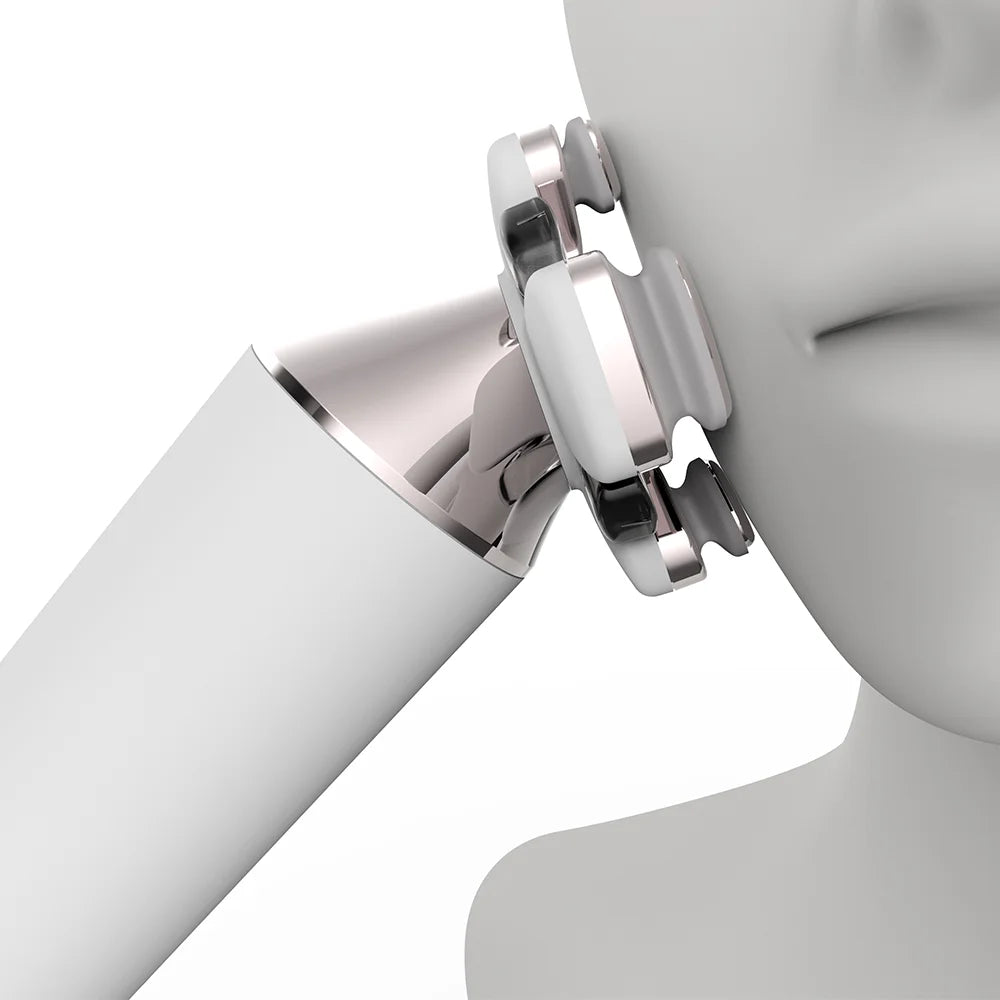
3. A Compromised Skin Barrier or Over-Exfoliation
One of the most important distinctions in treating dull skin is recognizing when the solution is actually to do less. Over-exfoliation can cause dryness, sensitivity, burning, redness, and a rough appearance that may be mistaken for more dead skin buildup.
Signs your skin barrier may be impaired
- Products that previously felt comfortable suddenly sting.
- Persistent tightness or unusual dryness.
- Flaking or increased sensitivity.
- Redness or irritation after using active ingredients.
- A cycle of adding products followed by worsening sensitivity.
When exfoliation can make dull skin worse
If your skin is burning, stinging, peeling, or unusually sensitive, adding another acid is unlikely to be the smartest first step. Temporarily reducing exfoliants, scrubs, and strong actives may give the barrier an opportunity to recover.
Barrier-reset basics: cleanse, moisturize, protect
Use a gentle cleanser when needed, apply a barrier-supportive moisturizer, and use sunscreen during daytime exposure. Keep the routine intentionally boring until sensitivity settles.
4. UV Exposure, Photodamage, and Oxidative Stress
Cumulative ultraviolet exposure is one of the most important environmental contributors to visible skin aging. UV exposure can contribute to uneven pigmentation, texture changes, collagen degradation, and other signs of photodamage.
How UV exposure contributes to a dull complexion
Photodamage does not always present as a dramatic sunburn. Repeated exposure can contribute to uneven tone and changes in the structures that give youthful skin its smooth appearance. Over time, these changes can make the complexion look less even and radiant.
Why daily sunscreen matters even when skin does not burn
Sun protection is about more than avoiding visible burns. A broad-spectrum sunscreen used consistently helps reduce exposure to UVA and UVB radiation. Physical protection such as shade, clothing, and avoiding intense midday exposure can complement sunscreen.
Vitamin C and other antioxidant-focused ingredients
Vitamin C is commonly used in topical skincare because of its antioxidant properties and role in supporting a more even-looking complexion. Niacinamide is another versatile ingredient that can support the appearance of uneven tone and the skin barrier. Neither replaces sunscreen.
5. Sleep, Stress, Hydration, and Lifestyle Factors
A tired-looking face is not always a skincare problem. Sleep, stress, alcohol intake, smoking, nutrition, and daily environmental exposure can all influence how refreshed the skin appears.
How poor sleep can affect the appearance of tired skin
Insufficient or disrupted sleep can contribute to a visibly fatigued appearance, including changes around the eyes. Skincare cannot fully compensate for chronically inadequate sleep, so improving sleep consistency is a useful part of a radiance routine.
Stress and the appearance of skin
Stress can influence skin through hormonal, inflammatory, and behavioral pathways. It may also make routines less consistent or encourage habits such as sleeping less, touching the face, or neglecting sun protection.
Hydration, nutrition, alcohol, smoking, and other lifestyle considerations
Regular meals, adequate fluid intake, limited excessive alcohol, and avoiding smoking support overall health and can indirectly support healthier-looking skin. There is no single “detox” drink that can reverse photodamage or replace a consistent skincare routine.
6. Age-Related Changes in Radiance and Firmness
Skin gradually changes with age. Cell turnover, collagen production, elasticity, hydration, and barrier function can all change, while cumulative environmental exposure becomes more visible. As a result, skin may appear less firm, less smooth, or less luminous than it did earlier in life.
Why mature skin can look less radiant
Reduced hydration, changes in surface turnover, pigmentation, and structural changes can combine to create a less even-looking complexion. Treating these changes requires consistency rather than trying to force rapid turnover.
Collagen loss, texture, and visible firmness
Collagen is an important structural protein in skin. Age-related reductions in collagen and changes in its organization contribute to loss of firmness and the development of wrinkles. UV exposure accelerates several aspects of visible photoaging.
Which topical ingredients have the strongest practical role
Daily sunscreen has an important preventive role. Retinoids have substantial dermatologic use for photoaging, while vitamin C and niacinamide can complement a broader routine. Moisturizers remain important because a well-hydrated surface generally looks smoother and more supple.
How to Fix Dull, Tired-Looking Skin: Build the Right Routine
A useful routine follows a hierarchy: protect the barrier, protect from UV, then introduce targeted actives based on the actual concern. This reduces the temptation to treat every dull complexion with multiple exfoliants.
Morning: hydrate, brighten, protect
- Cleanse gently or rinse with water if your skin does not need morning cleansing.
- Apply a hydrating serum or moisturizer as appropriate for your skin.
- Use a targeted antioxidant such as vitamin C if tolerated.
- Finish with broad-spectrum sunscreen.
Evening: cleanse, treat, replenish
- Remove sunscreen, makeup, and daily buildup with a gentle cleanser.
- Apply one targeted active if your skin is healthy enough to tolerate it.
- Finish with a moisturizer that supports the skin barrier.
How to introduce vitamin C, niacinamide, exfoliants, or retinoids
Introduce one significant active at a time. Start with a modest frequency and increase only if your skin remains comfortable. Avoid interpreting irritation as evidence that a product is “working harder.” Persistent burning, redness, or peeling is a reason to reassess the routine.
The minimum effective routine for sensitive or irritated skin
For reactive skin, the simplest routine may be the best starting point: gentle cleansing, moisturizer, and daytime sun protection. Once the skin is comfortable and stable, consider whether an additional active is genuinely necessary.
Your 7-Day Radiance Reset
The goal of this seven-day reset is not to transform photodamage or collagen loss in a week. It is to reduce unnecessary irritation, improve hydration, establish sun protection, and determine which concern deserves targeted treatment next.
Days 1–2: simplify and restore the skin barrier
Pause unnecessary scrubs and strong exfoliating products. Use gentle cleansing, moisturizer, and sunscreen. If your skin is stinging, keep the routine especially simple.
Day 3: assess hydration and texture
Ask whether tightness and flaking have improved. If the complexion already looks smoother after restoring moisture, dehydration or barrier disruption may have been a major contributor.
Day 4: add gentle exfoliation only if appropriate
If the skin is comfortable and rough texture remains the dominant issue, consider a gentle exfoliant according to the product directions. Skip this step if there is irritation, peeling, or sensitivity.
Day 5: support brightness with a targeted active
Choose one active that matches your goal. Vitamin C or niacinamide may fit a brightness-focused routine, while a retinoid may be more appropriate for longer-term texture and photoaging goals. Do not add everything simultaneously.
Day 6: focus on sleep, stress, and environmental protection
Prioritize consistent sleep, hydration, and sun protection. If your skin is exposed to smoke, pollution, or harsh weather, minimize avoidable environmental stressors and maintain gentle cleansing.
Day 7: reassess and choose the next 2-week routine
Decide which issue remains most noticeable: dehydration, rough texture, uneven tone, sensitivity, or age-related firmness. Continue the basics and select only the targeted step that addresses the remaining concern.
For readers who want an optional beauty-care tool alongside—not instead of—a sensible skincare routine, an at-home device can be considered based on its technology, instructions, skin compatibility, and realistic claims.
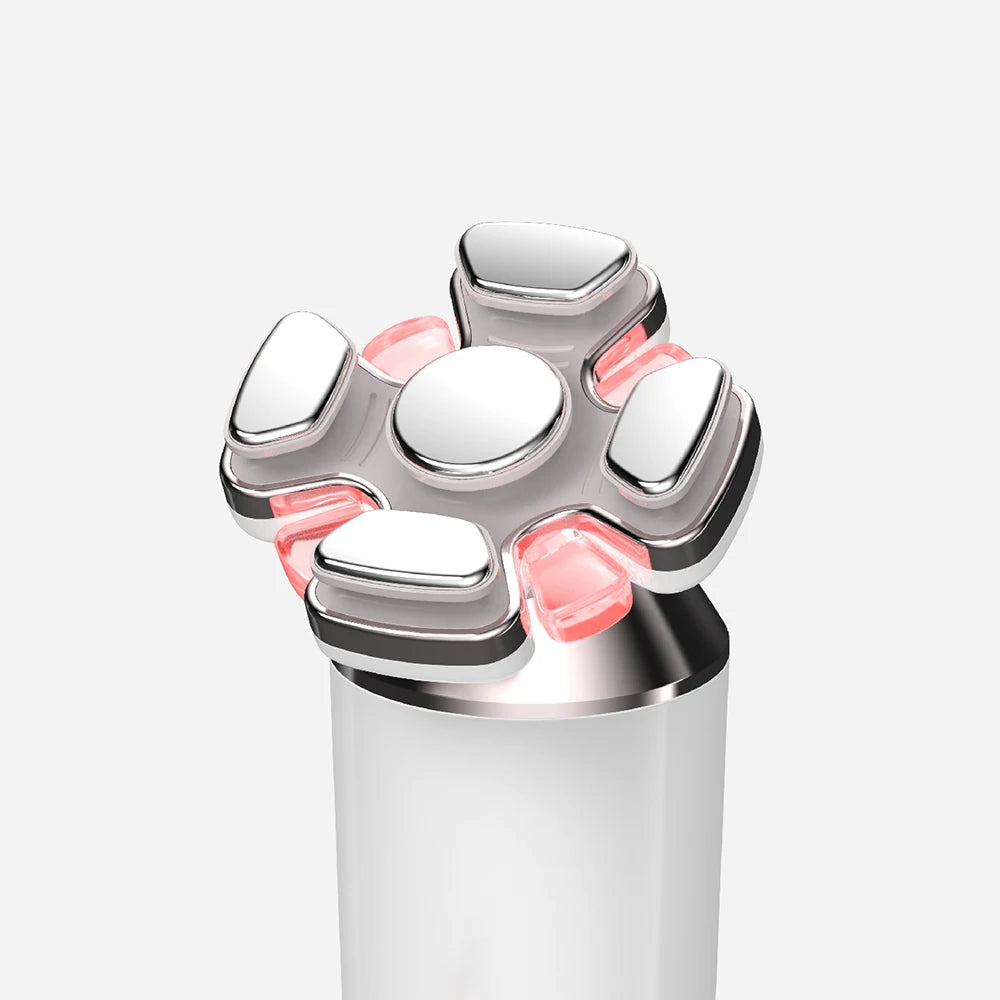
Optional routine-support tool: The RF EMS Facial Device for Firm, Lifted & Glowing Skin at Home combines RF, EMS, vibration, and LED technology in a rechargeable handheld design. It can be considered as a convenience-focused addition for people interested in facial massage and cosmetic skincare-device routines. It should not be presented as a treatment for persistent skin disease, and it should not be used over broken or irritated skin.
Its stated specifications include 1 MHz RF, EMS, LED, vibration up to 8,000 rpm, and a 2400mAh rechargeable battery with Type-C charging. Follow the manufacturer's directions and discontinue use if irritation occurs.
If you prefer exploring devices by category rather than choosing one immediately, the Skin and Beauty Care Devices collection provides a broader starting point. Readers specifically concerned with the eye area can also explore Eye Care Devices.
Does Exfoliation Help Dull Skin or Make It Worse?
Exfoliation can improve dull-looking skin when rough surface buildup is the main concern and the skin barrier is healthy, but excessive exfoliation can worsen dullness by causing irritation, dryness, and barrier disruption.
When gentle exfoliation can improve radiance
Consider exfoliation when the skin is comfortable but has persistent rough texture or uneven surface buildup. Chemical exfoliants can provide more controlled exfoliation than harsh physical scrubbing.
When to stop exfoliating
Stop or reduce exfoliation if you experience burning, persistent redness, increased sensitivity, significant peeling, or worsening dryness. Returning to basic barrier care is usually more sensible than switching immediately to another acid.
A simple exfoliation frequency guide
There is no universal ideal frequency. Follow the specific product directions and start conservatively. Beginners may prefer infrequent use, while people with resilient skin may tolerate more frequent use. More frequent exfoliation is not automatically more effective.
What Not to Do When Your Skin Looks Dull
Over-exfoliating
Scrubbing harder or applying acids more often can create irritation that makes the complexion look rougher and less healthy.
Using too many active ingredients at once
Stacking acids, retinoids, strong vitamin C formulations, scrubs, and other actives makes it difficult to identify which product is helping or irritating the skin.
Ignoring sunscreen because the goal is glow
A brightening routine without consistent UV protection works against the long-term goal of maintaining an even-looking complexion.
Expecting overnight changes from long-term skin concerns
Hydration can make skin look more comfortable relatively quickly, but pigmentation, photoaging, wrinkles, and collagen-related changes require substantially more time and consistency.
How Long Does It Take to Improve Dull, Tired-Looking Skin?
How quickly dullness improves depends on the underlying cause. There is a meaningful difference between temporarily improving surface hydration and changing long-standing pigmentation or photoaging.
What can improve within days
Better moisturization, reduced irritation, and more consistent sleep can make skin look more comfortable and refreshed within days for some people. These changes should not be confused with permanent correction of deeper skin concerns.
What may take several weeks
Texture, uneven tone, acne-related marks, and results from active ingredients generally require repeated use over weeks or longer. Professional treatments can have different timelines depending on the procedure and the individual's skin.
Why consistency matters more than aggressive treatment
A routine that you can tolerate and maintain is more useful than an intense routine that repeatedly causes irritation. Skin improvement is usually a process of controlled, consistent care rather than a one-night reset.
Professional Treatments for Persistent Dull Skin
Chemical peels
Professional chemical peels use controlled chemical exfoliation to address selected concerns such as texture, pigmentation, and photoaging. The appropriate peel depends on skin type, concern, concentration, and professional assessment. Side effects can include irritation, peeling, pigmentary changes, and other complications.
Microneedling and energy-based treatments
Microneedling creates controlled microscopic injuries to stimulate a healing response and is commonly used for selected texture and scarring concerns. Energy-based treatments, including certain radiofrequency technologies, use controlled energy to target specific tissue responses. Results, risks, contraindications, and downtime vary considerably by device and treatment.
When professional treatment is worth discussing
Consider professional advice when cosmetic concerns persist despite a consistent basic routine, when pigmentation or texture changes are significant, or when you are considering a procedure with meaningful downtime or risk. A qualified dermatologist or appropriately trained clinician can determine whether the concern is actually cosmetic dullness.
When Should You See a Dermatologist About Dull-Looking Skin?
See a dermatologist or other qualified medical professional when the change does not behave like ordinary cosmetic dullness or when you cannot identify an obvious skincare or lifestyle explanation.
Persistent redness, itching, scaling, burning, or inflammation
These symptoms may indicate irritation, dermatitis, or another skin condition rather than simple lack of radiance. Avoid repeatedly adding active ingredients while trying to self-correct persistent inflammation.
Sudden or unexplained changes in texture or pigmentation
A new or rapidly changing skin change deserves more attention than gradual cosmetic dullness. Professional evaluation is especially appropriate when the change is unusual for you.
Dullness that does not improve with basic skin care
If consistent gentle cleansing, moisturizing, and sun protection do not improve the appearance—or if the skin is uncomfortable—professional guidance can help identify whether another condition is contributing.
How to Keep Skin Looking Radiant Long Term
Protect against UV exposure and photodamage
Use broad-spectrum sunscreen consistently and combine it with shade, protective clothing, and sensible sun-avoidance habits. Preventing cumulative UV damage is more useful than trying to reverse it later with increasingly aggressive products.
Maintain the skin barrier
Use gentle cleansing, moisturize according to your skin's needs, and avoid unnecessary irritation. Ceramides, humectants, emollients, and occlusives can all have useful roles depending on the formulation and your skin type.
Use active ingredients strategically
Think of actives as targeted tools rather than a collection to accumulate. Choose one primary concern, introduce an appropriate ingredient gradually, and reassess before adding another.
For additional beauty and self-care education, you can browse the Beauty & Self-Care Blog or explore the Body & Face Blog for related skincare topics.
Frequently Asked Questions About Dull, Tired-Looking Skin
Why does my skin look dull and tired?
Dullness can result from dehydration, surface buildup, barrier disruption, UV exposure, environmental stress, insufficient sleep, stress, lifestyle factors, or age-related changes. Several contributors can occur at the same time.
How do you get rid of dull, tired-looking skin?
Start by identifying the dominant cause. Use gentle cleansing and moisturizer for dehydration or irritation, consider controlled exfoliation for suitable rough texture, use sunscreen for UV protection, and add targeted ingredients gradually for concerns such as uneven tone or photoaging.
Does exfoliating help dull skin or make it worse?
It can do either. Gentle exfoliation may improve rough surface texture when the barrier is healthy, while excessive exfoliation can cause irritation, dryness, and increased sensitivity.
How long does it take to improve dull, tired-looking skin?
Hydration and reduced irritation may improve the appearance within days, while texture, uneven pigmentation, and photoaging concerns generally require several weeks or longer of consistent care.
When should I see a dermatologist about dull-looking skin?
Seek professional advice for persistent redness, itching, burning, scaling, inflammation, sudden pigmentation or texture changes, or dullness that does not improve with a basic routine.
What is the best skincare routine for dull, tired-looking skin?
A practical starting routine is gentle cleansing, moisturizer, and broad-spectrum sunscreen. Add one targeted active based on the dominant concern rather than introducing several strong ingredients at once.
Can dehydration make your face look dull?
Yes. Dehydrated skin can look tight, rough, flaky, or less luminous. Supporting the barrier with appropriate moisturization can improve the appearance of surface hydration.
Does vitamin C help dull skin?
Topical vitamin C has antioxidant properties and is commonly used to support a brighter, more even-looking complexion. It should complement rather than replace sunscreen.
How often should you exfoliate dull skin?
There is no single frequency for everyone. Follow the product instructions, start conservatively, and reduce or stop use if irritation develops. Sensitive or compromised skin may need no exfoliation until the barrier is comfortable.
Can poor sleep make skin look dull?
Yes. Poor or insufficient sleep can contribute to a fatigued facial appearance. Improving sleep consistency is a useful complement to skincare, although it cannot independently correct long-term photodamage or age-related structural changes.
The Bottom Line: Find the Cause Before You Chase the Glow
Dull, tired-looking skin is best approached as a symptom rather than a single problem. If your skin is tight or flaky, start with hydration and barrier support. If rough texture is the main issue and your skin is comfortable, consider gentle exfoliation. If uneven tone is prominent, prioritize sunscreen and targeted brightening care. If your face looks tired after poor sleep or high stress, lifestyle changes belong in the solution too.
The most reliable strategy is to use the least aggressive intervention that addresses the most likely cause. Protect the skin barrier, limit unnecessary irritation, use sunscreen consistently, introduce active ingredients gradually, and give longer-term concerns enough time to respond. Optional beauty devices can complement a routine, but they should not be treated as cures for persistent dermatologic problems.
For a broader selection of supportive skincare technology, visit the Skin and Beauty Care Devices collection and choose tools according to your routine, comfort, and intended cosmetic goal—not simply because your skin looks dull today.
Editorial note: This article is educational and does not diagnose or treat skin conditions. Product ingredients, device technologies, and individual skin responses vary. Follow product instructions and seek professional medical advice for persistent, painful, inflamed, or unexplained skin changes.
Pillar Article: Best Facial EMS Devices: Evidence-Aware Buying Guide













