

How to Clean Ears Safely: Step-by-Step Guide + What to Avoid
Learning how to clean ears safely starts with an important fact: most healthy ears do not need routine cleaning inside the ear canal. Earwax usually moves outward naturally, where it can be wiped away from the outer ear.
If earwax builds up and causes symptoms, the safest approach depends on your symptoms, medical history, and whether the eardrum is intact. Gentle ear drops may help soften wax, while some cases require professional removal. Avoid inserting cotton swabs, sharp objects, or unverified tools into the ear canal.
Discover the system designed for gentler ear hygiene
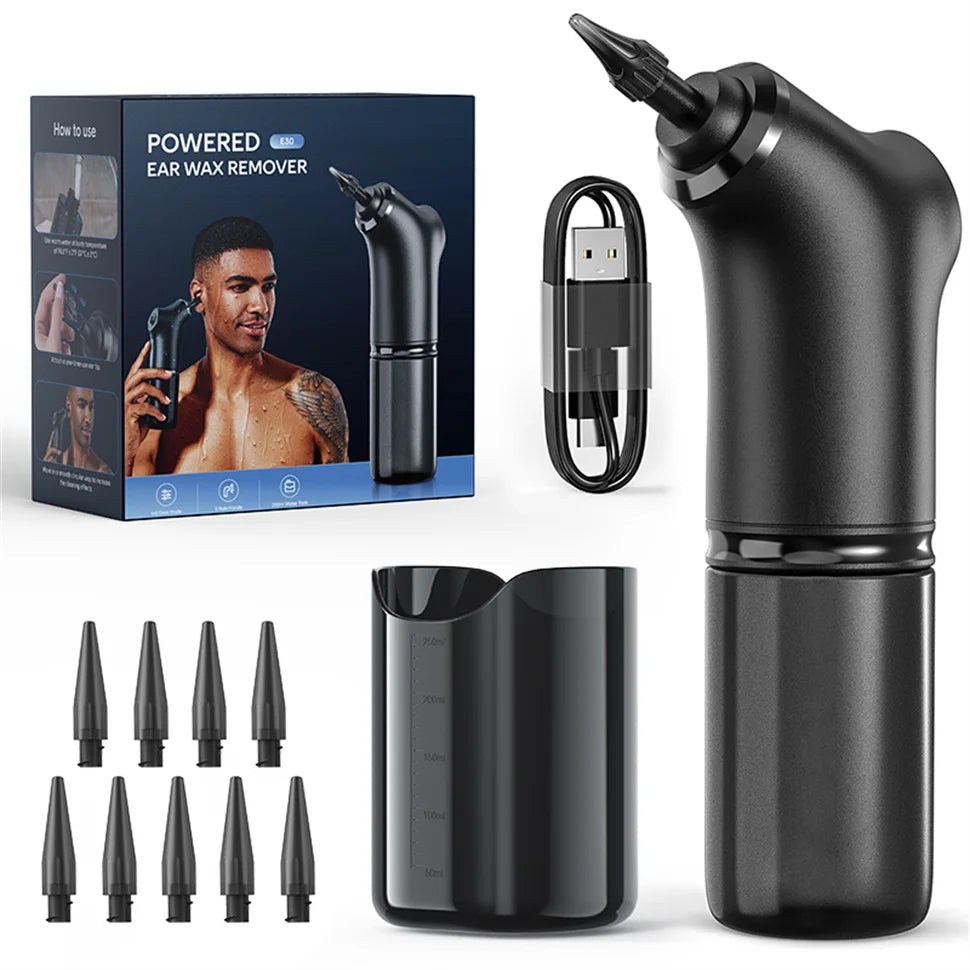
Safe ear cleaning methods in action — See it in action
What Is the Safest Way to Clean Your Ears?
For most people, the safest way to clean ears is to leave the ear canal alone and gently clean only the outer ear with a soft, damp cloth. The ear canal is usually self-cleaning, so routine attempts to remove normal earwax can cause more problems than they solve.
If you have symptoms of earwax buildup, a suitable ear-softening drop may help loosen the wax. In some cases, gentle irrigation may be appropriate, but it should not be used if you may have a perforated eardrum, ear tubes, an active ear infection, or certain other ear conditions.
- Healthy ears without symptoms: Leave the ear canal alone and clean the outer ear only.
- Mild suspected wax buildup: Consider an appropriate ear-softening solution according to its directions.
- Persistent blockage or hearing changes: Seek medical evaluation rather than repeatedly cleaning at home.
- Pain, drainage, sudden hearing loss, or severe dizziness: Stop home cleaning and seek prompt medical care.
The key principle of safe ear cleaning is simple: remove only what needs to be removed, use the gentlest appropriate method, and never force anything deep into the ear canal.
Why Earwax Exists (And Why You Usually Don’t Need to Remove It)
Earwax, also known as cerumen, is a normal substance produced in the ear canal. It helps protect the delicate skin of the ear by trapping dust and particles, while also helping prevent excessive dryness.
- Acts as a natural protective barrier
- Helps keep the ear canal from becoming excessively dry
- Traps dust and small particles
- Gradually moves toward the outer ear as part of the ear's natural self-cleaning process
Normal earwax is not a sign that your ears are dirty. In fact, repeatedly removing it can irritate the ear canal and interfere with its natural protective function. Ear wax removal safety therefore begins with avoiding unnecessary cleaning.
Wax becomes more likely to require attention when it accumulates and causes symptoms such as blockage, muffled hearing, or discomfort. Even then, the goal is not to clean the ear as deeply as possible—it is to address the buildup safely.
When Do You Actually Need to Clean Your Ears?
Signs of Earwax Buildup
You may have excess or impacted earwax if you notice:
- A feeling of fullness or blockage in the ear
- Muffled or reduced hearing
- Itching or discomfort
- Ringing in the ear
- Symptoms that began after using earbuds, hearing aids, or inserting objects into the ear
These symptoms can also have causes other than earwax. If you are unsure whether wax is responsible, avoid repeatedly trying to clean the ear yourself.
Who Should Avoid Cleaning at Home?
Home ear cleaning may be unsafe if you have a history of a perforated eardrum, ear tubes, recent ear surgery, chronic ear disease, or an active ear infection. People who are unsure whether their eardrum is intact should also avoid putting liquid or devices into the ear canal until they receive appropriate medical advice.
Symptoms That Require a Doctor
Do not try to treat unexplained ear symptoms by repeatedly cleaning the ear. Seek medical evaluation if you have:
- Significant or worsening ear pain
- Fluid, pus, or blood coming from the ear
- Sudden hearing loss
- Severe dizziness or balance problems
- Persistent hearing changes or blockage
- Symptoms that do not improve with appropriate home care
These symptoms may indicate a problem that is not caused by earwax. Safe ear cleaning methods should never delay evaluation of potentially serious ear symptoms.
How to Clean Ears Safely at Home (Step-by-Step)
Method 1: Clean the Outer Ear
This is the safest routine approach for most people.
- Use a clean, soft, damp cloth.
- Gently wipe the visible outer ear and the area around the ear opening.
- Do not push the cloth, cotton swab, or any other object into the ear canal.
- Dry the outer ear gently after washing or bathing.
You do not need to remove every visible trace of earwax. A small amount of normal wax around the opening is usually not a problem.
Method 2: Use Ear Drops Safely
Ear-softening drops can help loosen some types of earwax so it can move outward more easily or be removed by a healthcare professional. Use only a product that is appropriate for your situation and follow the product directions.
- Read the product instructions before use.
- Do not use ear drops if you may have a perforated eardrum, unless a healthcare professional has specifically advised you to do so.
- Apply the recommended amount without inserting the applicator deeply into the ear.
- Allow the solution to work as directed.
- Stop if you develop pain, worsening symptoms, or other concerning reactions.
A safe ear cleaning solution should be intended for ear use and should not be replaced with harsh, improvised, or unverified substances.
Method 3: Gentle Irrigation When Appropriate
Gentle irrigation may be suitable for some adults with uncomplicated earwax buildup, but it is not appropriate for everyone. Irrigation should be avoided when there is a known or suspected eardrum perforation, ear tubes, active infection, recent ear surgery, or another condition that makes water entering the ear unsafe.
If irrigation is appropriate for you:
- Use a device intended for ear irrigation and follow its instructions.
- Use water at a comfortable, lukewarm temperature rather than very hot or cold water.
- Use gentle pressure and never force water into the ear.
- Keep the device positioned at the entrance of the ear rather than inserting it deeply.
- Stop immediately if you experience pain, significant dizziness, or worsening symptoms.
- Allow the ear to drain and gently dry the outer ear afterward.
When in doubt, professional earwax removal is safer than repeatedly attempting increasingly forceful home cleaning.
Safe Ear Cleaning Methods Compared
| Method | Best suited for | Main safety consideration |
|---|---|---|
| Outer-ear cleaning | Routine hygiene for most people | Do not insert anything into the canal |
| Ear-softening drops | Some cases of suspected wax buildup | Not suitable for certain ear conditions |
| Bulb syringe or gentle irrigation | Selected cases of uncomplicated wax buildup | Use only when appropriate and never with excessive pressure |
| Professional removal | Impacted, persistent, or complicated wax buildup | Best option when symptoms are significant or home care is unsafe |
There is no single best way to clean ears at home for everyone. The safest choice depends on whether you have symptoms, your ear health history, and the likely cause of the problem.
Ear Cleaning Decision Guide
Use this simple decision guide to choose the safest next step:
- No symptoms and healthy ears: Leave the ear canal alone and clean only the outer ear.
- Mild symptoms that may be caused by wax: Consider an appropriate ear-softening product if you do not have a condition that makes home treatment unsafe.
- Persistent blockage or reduced hearing: Arrange an evaluation rather than repeatedly inserting objects or flushing the ear.
- Ear pain, drainage, sudden hearing loss, or severe dizziness: Do not attempt home ear cleaning. Seek prompt medical care.
This approach supports ear canal cleaning safety by matching the level of intervention to the actual problem. More cleaning is not necessarily safer or more effective.
What NOT to Do When Cleaning Your Ears
Cotton Swabs
Cotton swabs can push wax deeper into the ear canal instead of removing it. They can also irritate the delicate skin of the canal. If the swab is inserted too far, it may cause injury.
Safer alternative: Use a soft cloth around the outer ear only. If you suspect a blockage, use an appropriate treatment or seek professional advice instead of repeatedly probing the canal.
Ear Candles
Ear candles are not a reliable method for removing earwax and can expose the ear and surrounding skin to unnecessary heat and injury risks. They should not be used as a substitute for evidence-based earwax care.
Sharp Objects and DIY Tools
Hairpins, keys, tweezers, paper clips, and other rigid objects can scratch the ear canal or cause more serious injury. Unverified tools may also apply too much pressure or be difficult to control.
When considering ear wax removal safety, avoid any method that depends on force, deep insertion, heat, or sharp edges to remove wax.
Do Electric Ear Cleaners Work?
Electric ear cleaners are designed using different approaches, including suction, irrigation, or other mechanisms intended to help remove earwax. Whether one works effectively depends on the device design, the type of wax buildup, and how it is used.
Potential Benefits
- May offer more controlled handling than improvised objects
- Some models are designed to limit direct contact with the ear canal
- May provide a convenient option for people who frequently experience wax buildup
Limitations
- They are not necessary for routine ear hygiene for most people.
- They cannot safely treat every cause of blocked or muffled hearing.
- Improper use can still irritate or injure the ear.
- They should not replace medical evaluation when symptoms are severe or persistent.
Safety Tips
- Follow the manufacturer's instructions exactly.
- Never force a tip deeply into the ear canal.
- Use the lowest effective level of suction, pressure, or flow when adjustable.
- Stop if you experience pain, significant dizziness, or worsening hearing.
- Do not use a device if you have a condition that makes home ear cleaning unsafe.
So, do electric ear cleaners work? Some may help with selected earwax-cleaning situations, but the device itself does not make every type of ear cleaning safe. Appropriate use and the user's ear health are just as important as the product design.
How to Choose a Safe Ear Cleaning Solution or Device
If you are comparing ear cleaning products, focus on safety and realistic use rather than maximum power or the ability to reach deep into the ear canal.
- Gentle operation: Avoid products that rely on excessive suction, pressure, or force.
- Controlled design: Adjustable settings can help users avoid unnecessarily aggressive cleaning.
- Soft, appropriate contact materials: Any component that may contact the ear should be designed for that purpose.
- Clear instructions: The product should explain how to use it and when not to use it.
- Easy cleaning: Reusable components should be cleaned and dried according to the manufacturer's instructions.
- Realistic expectations: A device should support appropriate ear hygiene, not encourage daily deep cleaning.
Be cautious with products that promise to remove all earwax, encourage deep insertion, or suggest that stronger pressure always produces better results. A safe ear cleaning solution or device should support gentle care rather than aggressive removal.
Special Ear Cleaning Advice
Children
Children generally need only gentle cleaning of the outer ear with a soft cloth. Do not insert cotton swabs, tools, or cleaning devices into a child's ear canal. If a child has pain, hearing changes, drainage, or suspected impacted wax, consult a healthcare professional.
People With Hearing Aids
Hearing aids can contribute to wax accumulation in some people. Clean the hearing aid according to its instructions, but do not insert objects into the ear canal to remove wax. Recurrent blockage or changes in hearing should be evaluated by a qualified professional.
Ear Tubes, Perforated Eardrum or Infection
Do not irrigate or put cleaning solutions into the ear without appropriate medical guidance if you have ear tubes, a known or suspected perforated eardrum, an active ear infection, or recent ear surgery. These conditions can make routine home cleaning unsafe.
Impacted Earwax
Impacted earwax may cause significant blockage, muffled hearing, discomfort, or other symptoms. If home care does not help or symptoms are substantial, professional removal is often the safer option. Avoid repeatedly using objects or increasing water pressure to force the wax out.
When to See a Doctor for Earwax Removal
Professional care may be appropriate when:
- Ear blockage or hearing changes persist
- Home treatment does not improve suspected wax buildup
- You have significant ear pain
- There is fluid, pus, or blood coming from the ear
- You have sudden hearing loss
- You have a history of ear surgery, ear tubes, or a perforated eardrum
- You are unsure whether your symptoms are caused by earwax
A healthcare professional can examine the ear and determine whether wax is actually causing the symptoms. Depending on the situation, they may remove the wax using an appropriate professional technique.
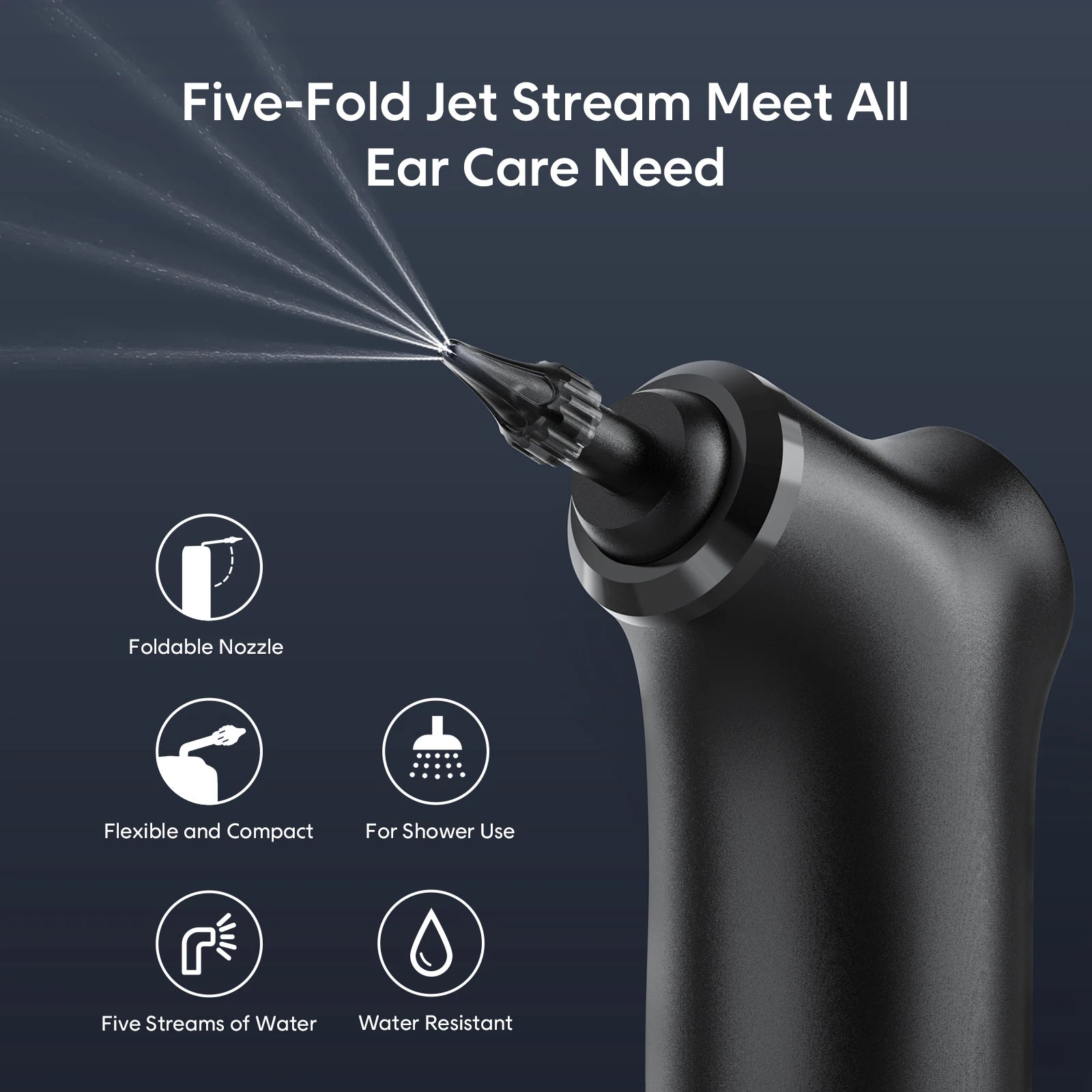
Designed for safe ear cleaning solution routines — See it in action
Ear Canal Cleaning Safety FAQ
Should healthy ears be cleaned regularly?
Healthy ears generally do not need routine cleaning inside the ear canal. The ear usually moves earwax outward naturally. Cleaning the outer ear with a soft, damp cloth is usually sufficient for routine hygiene.
How often should I remove earwax?
There is no universal schedule for earwax removal. Many people never need to remove wax from inside the ear canal. If wax buildup repeatedly causes symptoms, discuss an appropriate prevention or treatment plan with a healthcare professional.
Is it safe to clean ears daily?
Daily cleaning inside the ear canal is usually unnecessary and may cause irritation by removing protective earwax or repeatedly disturbing the skin. For most people, routine outer-ear cleaning is enough.
Can earwax cause hearing loss?
Yes. A buildup of earwax can block the ear canal and cause temporary muffled or reduced hearing. However, hearing changes can have many other causes, so persistent or sudden hearing loss should be medically evaluated.
What dissolves earwax fastest?
Ear-softening products designed for earwax may help loosen buildup, but the best option depends on your ear health and the type of blockage. Avoid harsh or improvised substances and do not use drops if you have a condition that makes them unsafe without medical guidance.
Can hydrogen peroxide damage the ears?
Hydrogen peroxide-based products may be appropriate for some people when specifically formulated for earwax and used as directed. However, they can irritate the ear in some situations and should not be used when a perforated eardrum or other contraindication is possible without appropriate medical advice.
Is olive oil safe for earwax removal?
Some people use oil-based products to soften earwax, but not every home remedy is appropriate for every ear condition. If you have ear pain, drainage, ear tubes, a perforated eardrum, or recent ear surgery, seek professional guidance before putting any substance into the ear.
Can I use an ear camera safely at home?
An ear camera may help you view the outer part of the ear, but seeing inside the canal does not make it safe to remove wax yourself. Avoid using the camera or its attachments to scrape, dig, or probe deeply into the ear.
Can electric ear cleaners damage hearing?
Improper use of any ear-cleaning device can cause injury or irritation. Electric ear cleaners should be used only as directed, without deep insertion or excessive pressure. Stop if you experience pain, significant dizziness, or worsening hearing.
What makes a safe ear cleaning solution?
A safe ear cleaning solution should be intended for ear use, appropriate for your ear health, and used according to its instructions. Avoid harsh, improvised, or unverified substances, especially if you may have a perforated eardrum or an active ear condition.
When should earwax be removed by a professional?
Professional removal is appropriate when wax is significantly impacted, symptoms persist, home care is unsuccessful, or you have a condition that makes home irrigation or drops unsafe. Seek medical care promptly for severe pain, drainage, sudden hearing loss, or severe dizziness.
For more wellness tools that support daily care routines, explore the Body Care and Health Devices collection.
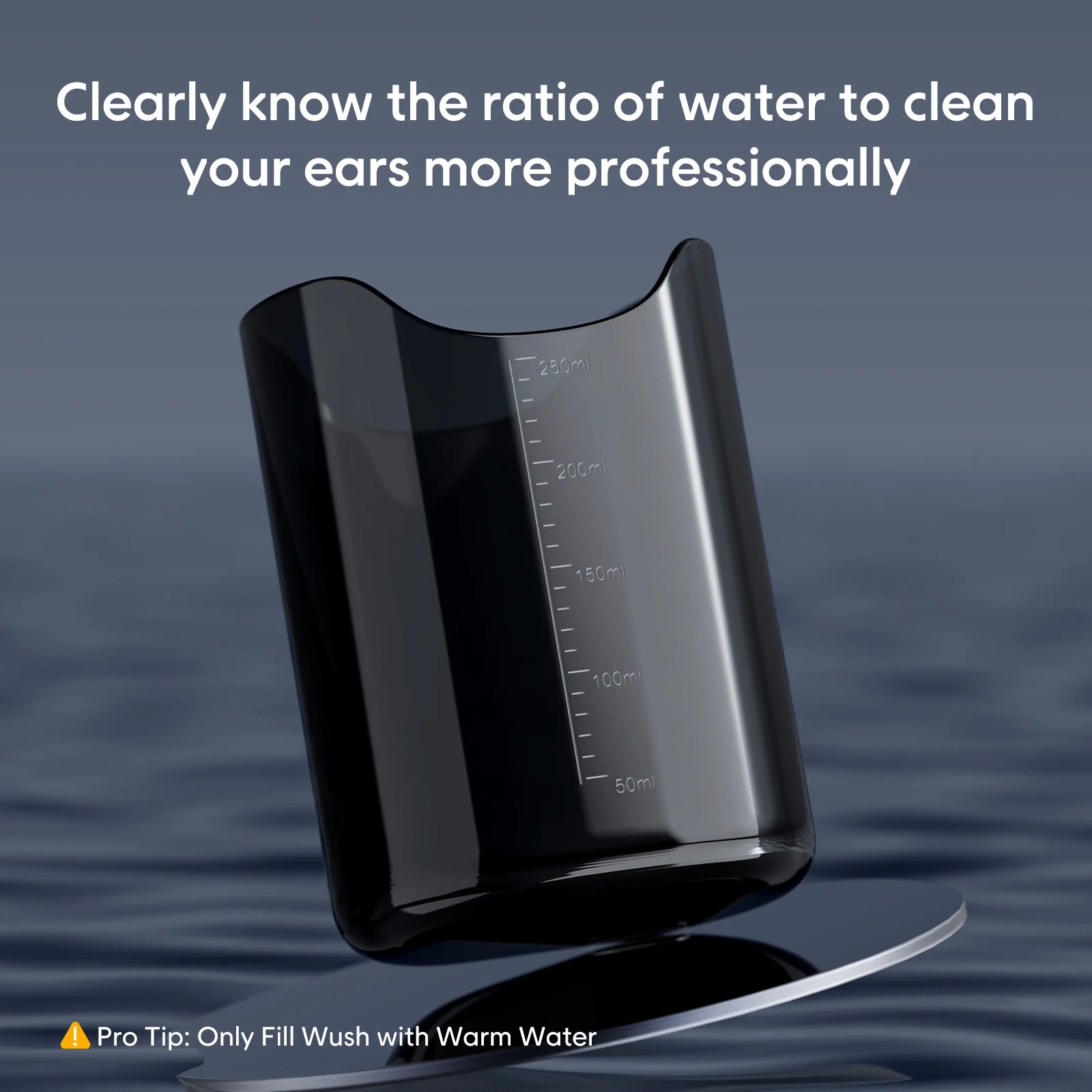
A safer approach to ear hygiene — See it in action













