

How to Do Cervical Traction at Home Safely (Step-by-Step Guide)
Does Cervical Traction at Home Really Work?
Cervical traction at home may help reduce pressure on the cervical spine, ease neck stiffness, and improve mobility when used correctly. By applying gentle, controlled stretching, neck traction at home can temporarily decrease stress on joints, discs, and surrounding muscles. The best results are typically achieved when traction is combined with posture improvement, regular movement, and appropriate strengthening exercises rather than used as a standalone treatment.
⏱ 8 min read
Neck stiffness, tension headaches, and posture-related discomfort often develop gradually from prolonged computer work, driving, or repetitive daily activities. This guide explains how cervical traction at home works, who may benefit, how to perform it safely, and when professional medical advice is necessary.
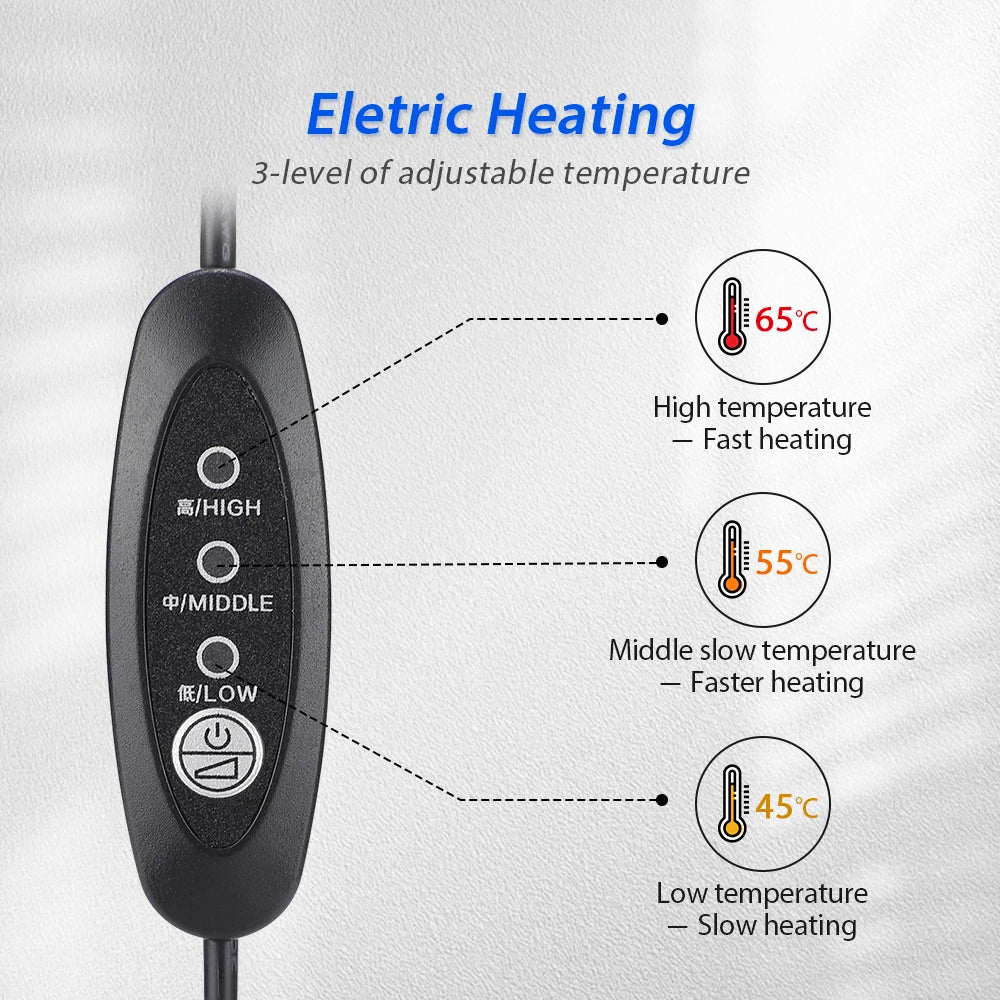
Effective cervical traction at home for daily neck comfort • See it in action
What Research Shows
Clinical studies suggest cervical traction can provide short-term relief for some people with neck pain, cervical radiculopathy, and muscle tension, especially when combined with physical therapy and exercise. While evidence supports its use for selected patients, home cervical traction is not a cure for structural spinal conditions, and outcomes vary depending on the underlying cause of symptoms.
When Results Are Most Likely
People with posture-related neck discomfort, mild nerve irritation, or muscular tightness often notice improvement within several sessions. More persistent conditions may require several weeks of consistent treatment, lifestyle changes, and guidance from a healthcare professional.
What Is Cervical Traction at Home?
Cervical traction at home is a technique that gently stretches the neck to create temporary separation between the cervical vertebrae. This controlled movement may reduce pressure on spinal joints, discs, and nerves while allowing tight muscles to relax. Unlike forceful stretching, cervical spine traction at home relies on gradual, comfortable tension.
How Cervical Traction Works
The goal of neck traction at home is therapeutic decompression—not aggressive pulling. Proper traction encourages the cervical spine to lengthen slightly, which may improve joint mobility, reduce muscle guarding, and temporarily relieve mechanical pressure. Most home devices are designed to deliver gentle, adjustable force suitable for daily use.
Who May Benefit From Home Cervical Traction
Home cervical traction may be appropriate for people experiencing:
- Neck stiffness related to prolonged desk work
- Poor posture or forward head posture
- Mild cervical disc irritation
- Muscle tension after repetitive activities
- Occasional radiating discomfort that has already been evaluated by a healthcare provider
Realistic expectations are important. Cervical traction at home is intended to help manage symptoms and improve comfort—not permanently correct structural spine problems.
How Cervical Spine Traction at Home Actually Works
Cervical traction at home works by gently elongating the cervical spine. This reduces compressive load on discs and joints while improving alignment and mobility over time.
How Traction Reduces Disc Pressure
When the neck is gently stretched, pressure inside the cervical discs may temporarily decrease. This reduction in compression can improve movement and may help reduce irritation associated with prolonged sitting or repetitive loading.
How Traction Relieves Nerve Compression
Gentle traction increases the space where cervical nerve roots exit the spine. Although results vary, this temporary decompression may reduce symptoms such as radiating discomfort, tingling, or numbness associated with mild nerve irritation.
Why Gentle Stretching Works Better Than Force
Using excessive force often causes muscles to tighten defensively, reducing the effectiveness of traction. Slow, low-force stretching allows muscles to relax naturally, making decompression more comfortable and generally more effective.
Who Should and Should NOT Do Cervical Traction at Home
Although cervical traction at home is safe for many healthy adults when performed correctly, it is not appropriate for everyone.
Who Is a Good Candidate
- People with mild posture-related neck pain
- Individuals experiencing muscle tightness after desk work
- Adults recovering from minor neck strain after medical evaluation
- People following a home exercise program recommended by a healthcare provider
Medical Conditions That Require Doctor Approval
- Recent neck injury or trauma
- Severe osteoporosis
- Spinal instability
- Rheumatoid arthritis affecting the cervical spine
- Recent neck surgery
- Moderate or severe cervical disc herniation
- Known spinal fractures
- Unexplained dizziness or balance disorders
Warning Signs to Stop Immediately
- Increasing neck pain during traction
- New numbness or tingling
- Dizziness, blurred vision, or headache
- Muscle spasms that worsen
- Pain spreading into the shoulders or arms
- Loss of strength or coordination
If any of these symptoms occur, stop using traction immediately and seek medical evaluation before attempting another session.
Common Cervical Traction Mistakes That Cancel Results ❌
Many people do not achieve the expected benefits because of avoidable technique errors.
Using Too Much Force
More force does not produce better results. Gentle, progressive traction is generally safer and more comfortable.
Poor Neck Position
Keeping the head twisted or tilted limits spinal decompression. Always maintain a neutral neck position unless your healthcare provider recommends otherwise.
Traction for Too Long
Long sessions may irritate muscles and ligaments instead of helping them relax. Short, consistent sessions usually produce better outcomes.
Using the Wrong Device
Different home traction systems offer varying levels of stability and adjustability. Choosing a device appropriate for your symptoms and experience level improves both comfort and consistency.
How to Do Cervical Traction at Home Step by Step
Learning how to do cervical traction at home safely starts with proper preparation rather than immediately applying force.
Before You Begin
- Read all manufacturer instructions.
- Choose a quiet environment where you can fully relax.
- Begin with the lowest recommended force.
- Remove glasses, necklaces, or restrictive clothing.
- Stop immediately if symptoms become worse.
Method 1: Over-the-Door Cervical Traction
- Secure the traction system firmly over a sturdy door.
- Fit the head harness comfortably beneath the chin and back of the head.
- Apply minimal resistance at first.
- Relax your shoulders while keeping your neck aligned.
- Remain still for 5–10 minutes unless discomfort develops.
Method 2: Portable Cervical Traction Device
- Position the portable cervical traction device comfortably around your neck.
- Gradually inflate or adjust tension according to the manufacturer's instructions.
- Keep your shoulders relaxed and breathe normally.
- Use short sessions while monitoring symptoms.
Method 3: DIY Cervical Traction (Lowest Force Only)
- Lie on a supportive surface.
- Place a rolled towel beneath the natural curve of your neck.
- Allow gravity to create a gentle stretch.
- Never attempt forceful pulling or improvised weighted traction.
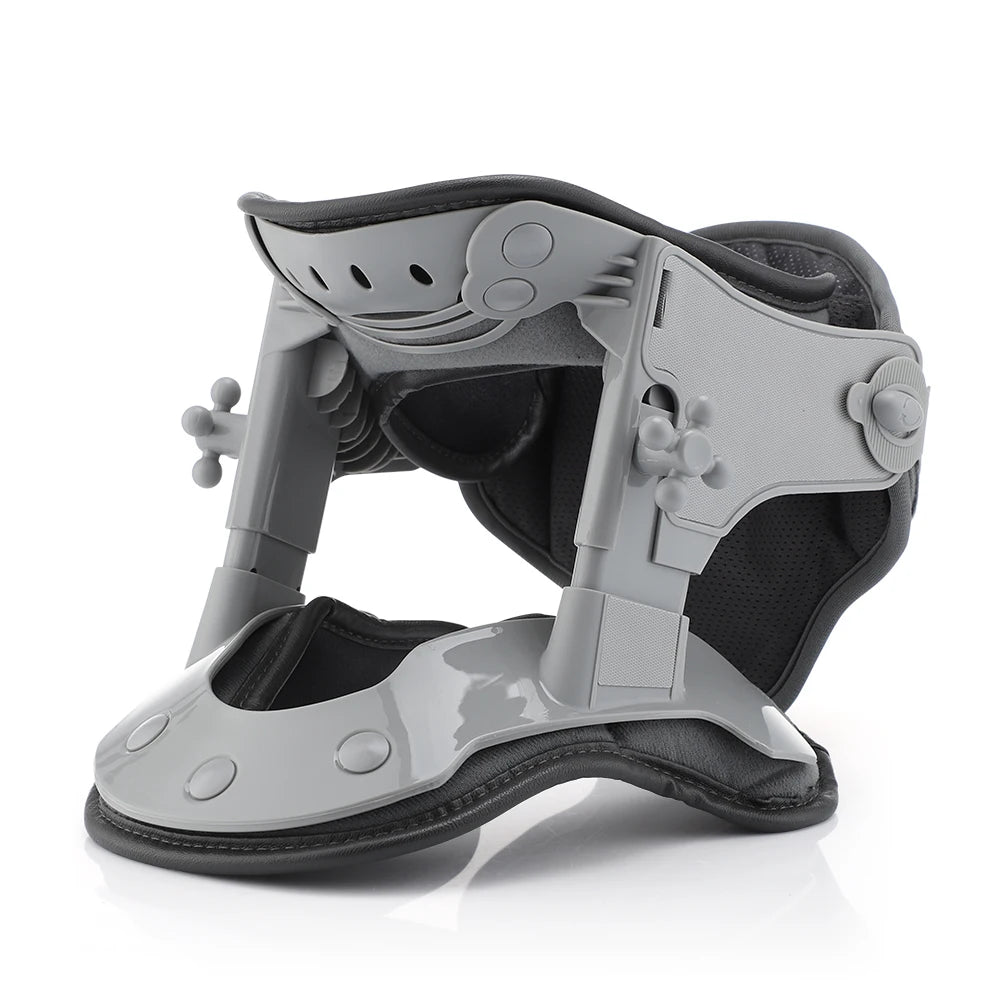
Portable cervical traction device for easy daily use • See it in action
How Much Force, How Long, and How Often Should You Use Cervical Traction?
Recommended Session Duration
Most beginners should start conservatively.
- Begin with 5-minute sessions.
- Gradually increase to 10–15 minutes if comfortable.
- Avoid prolonged sessions unless instructed by a healthcare provider.
Frequency and Progression
- Use cervical traction at home 1–2 times daily if symptoms improve.
- Increase duration gradually rather than increasing force.
- Allow adequate time between sessions if soreness develops.
- Stop treatment if symptoms worsen instead of improve.
Steady progression and consistency are generally more beneficial than aggressive treatment.
How to Choose the Best Cervical Traction Device for Home Use
The best cervical traction devices for home use depend on your symptoms, comfort level, and treatment goals.
Over-the-Door Traction Devices
These systems provide stable, measurable traction and are commonly recommended for people following structured rehabilitation programs. However, they require adequate setup space and correct installation.
Inflatable Neck Traction Devices
Inflatable devices are lightweight, portable, and simple to adjust. They are popular among beginners because pressure can be increased gradually for a more comfortable experience.
Portable Cervical Traction Device vs Other Methods
| Method | Advantages | Limitations |
|---|---|---|
| Portable cervical traction device | Portable, adjustable, easy for daily use | May provide lower traction force than door-mounted systems |
| Over-the-door traction | More structured traction with adjustable resistance | Requires installation and proper setup |
| DIY cervical traction | No equipment required | Very limited control and lowest therapeutic force |
Explore compatible wellness tools in Body Care and Health Devices . For targeted support, consider this option: portable cervical traction device .
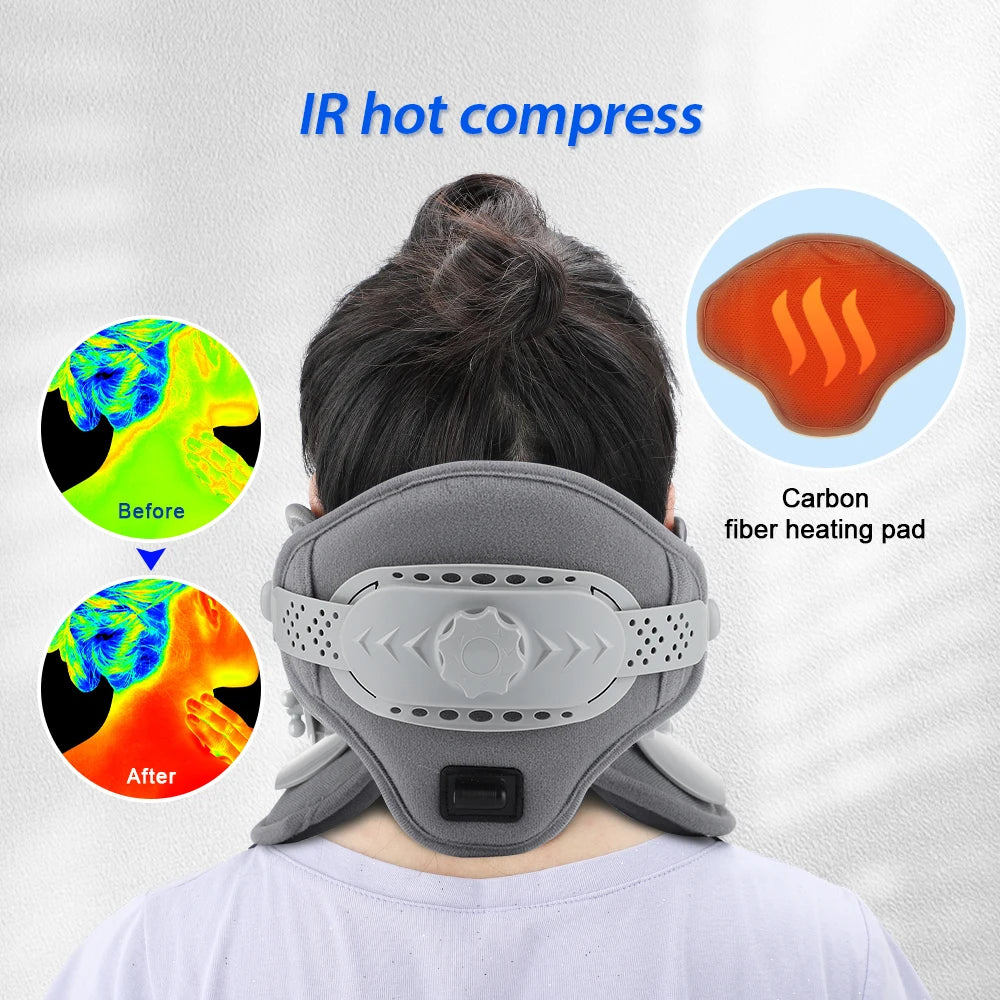
Comfort-focused cervical traction at home routine • See it in action
What to Do After Cervical Traction
Gentle Neck Exercises
After traction, spend a few minutes performing slow range-of-motion exercises instead of returning immediately to prolonged sitting. Gentle neck rotations, chin tucks, and shoulder rolls may help maintain mobility without overstressing the cervical spine.
Posture Tips
- Keep computer screens at eye level.
- Avoid looking down at phones for extended periods.
- Take movement breaks every 30–60 minutes.
- Monitor symptoms for several hours after each traction session.
Combining neck traction at home with healthy posture habits often produces better long-term results than traction alone.
Safety Tips for Long-Term Cervical Traction at Home
- Use short, consistent sessions instead of aggressive treatments.
- Avoid traction during acute injuries or severe flare-ups.
- Inspect your traction device regularly for wear.
- Maintain good posture throughout the day.
- Stop immediately if symptoms become worse.
- Consult a healthcare professional if you are uncertain about proper technique.
When You Should See a Doctor or Physical Therapist
If symptoms persist despite cervical traction at home, professional evaluation is recommended.
- Pain lasting longer than 1–2 weeks
- Persistent arm pain or weakness
- Increasing numbness or tingling
- Severe loss of neck mobility
- Difficulty with balance or coordination
- Loss of bowel or bladder control requires immediate emergency care
A healthcare professional can identify the underlying cause of symptoms and determine whether home traction is appropriate or whether additional treatment is necessary.
Frequently Asked Questions
How often should I do cervical traction at home?
Most people begin with one session daily and gradually increase to one or two sessions lasting 5–15 minutes, depending on comfort and professional guidance.
Can cervical traction improve posture?
It may help reduce muscle tightness and improve mobility, making it easier to maintain proper posture when combined with strengthening exercises.
Who should avoid cervical traction at home?
People with recent trauma, spinal instability, fractures, severe osteoporosis, recent surgery, or significant neurological symptoms should obtain medical clearance first.
Can I do cervical traction every day?
Yes, many people can safely perform daily traction if it remains comfortable and symptoms improve rather than worsen.
How long does cervical traction take to work?
Some people notice temporary relief after the first few sessions, while meaningful improvement often develops over several weeks of consistent use.
Can cervical traction make symptoms worse?
Yes. Incorrect positioning, excessive force, or using traction despite an underlying medical condition may increase pain or neurological symptoms. Stop immediately if this occurs.
Can I sleep after cervical traction?
Yes. Many people find it comfortable to rest afterward, but avoid falling asleep while actively using a traction device unless specifically designed and approved for that purpose.
Related Guide: How to Relieve Neck Pain Step by Step at Home













